DbcultAccessing Vault...
6.8/10
Senior Film Conservator
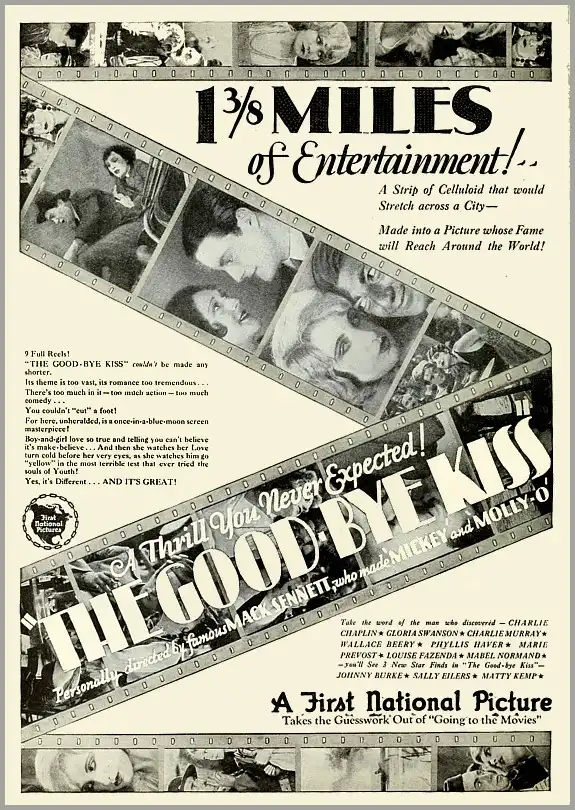
A definitive 6.8/10 rating for a film that redefined the boundaries of cult cinema. The Good-Bye Kiss remains a cornerstone of transgressive art.
If you’re looking for a gritty, historically accurate depiction of the Great War, you should probably keep moving. But if you have a soft spot for the late-silent era when directors were starting to realize they could do more than just hit people with pies, The Good-Bye Kiss is a strange, often clunky, but ultimately watchable curiosity. It’s perfect for a rainy Tuesday night when you want something that feels like a time capsule but don't want to think too hard about the 'art' of it all.
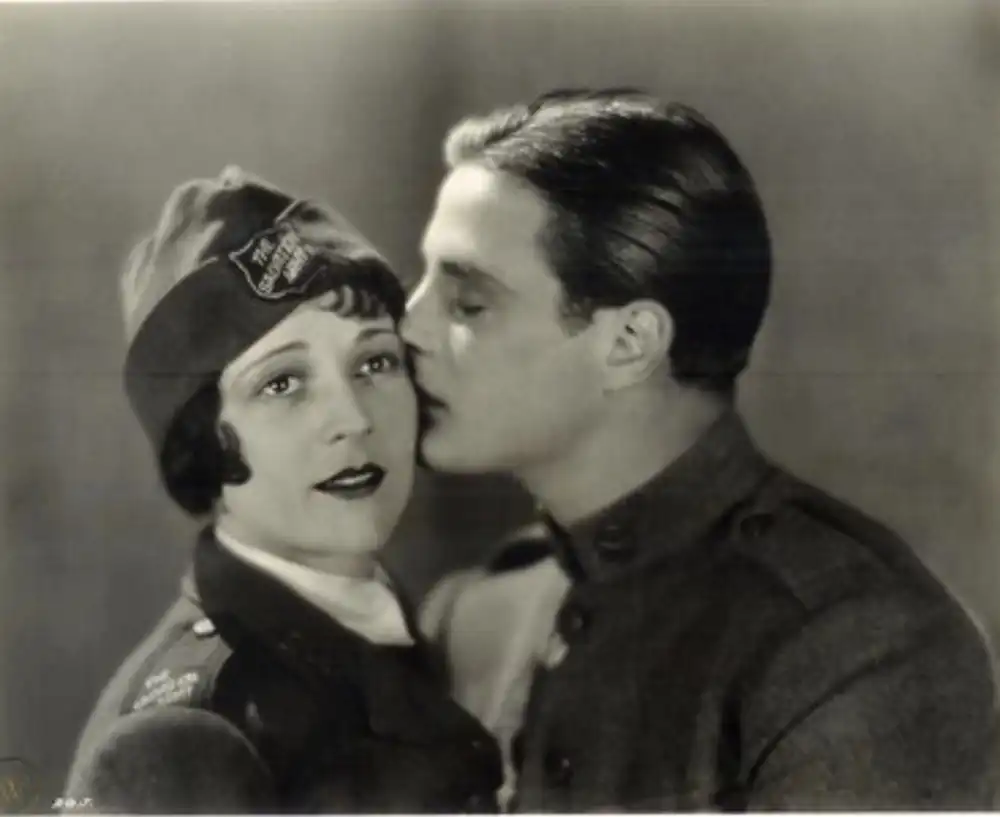
Johnny Burke plays the lead, Johnny, and he has this specific kind of face that looks like it was molded out of slightly damp bread. He’s not a traditional leading man. When he’s on screen, he looks perpetually worried that he’s forgotten something important back at the barracks. The movie leans hard into the 'coward' trope early on. Everyone in his small town, including Sally (Sally Eilers), thinks he’s a total pushover. There’s a scene where he’s trying to act tough before shipping out, and his uniform looks about two sizes too big, which I assume was a conscious choice to make him look pathetic, but it just makes him look like a kid playing dress-up.
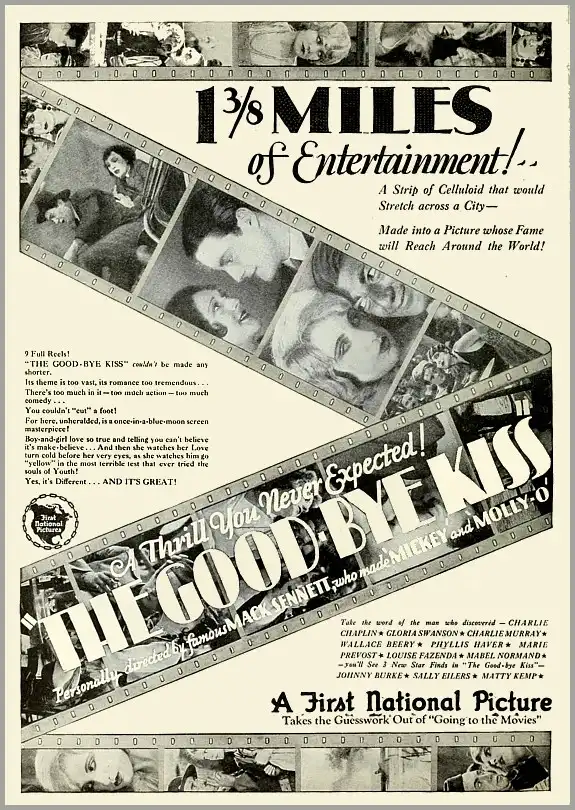
The first act drags a bit with the small-town setup. It feels like a standard Mack Sennett short that got stretched out until the seams started to pop. You can see the influence of his work on something like Buster's Picnic, where the comedy is broad and physical, but here it’s trying to coexist with the looming threat of death in France. It’s a tonal nightmare, honestly. One minute we’re supposed to feel the weight of the goodbye kiss—which, by the way, is framed in a shot that lingers just a few seconds too long, making the actors look like they’re waiting for the director to yell 'cut'—and the next, someone is doing a goofy double-take.
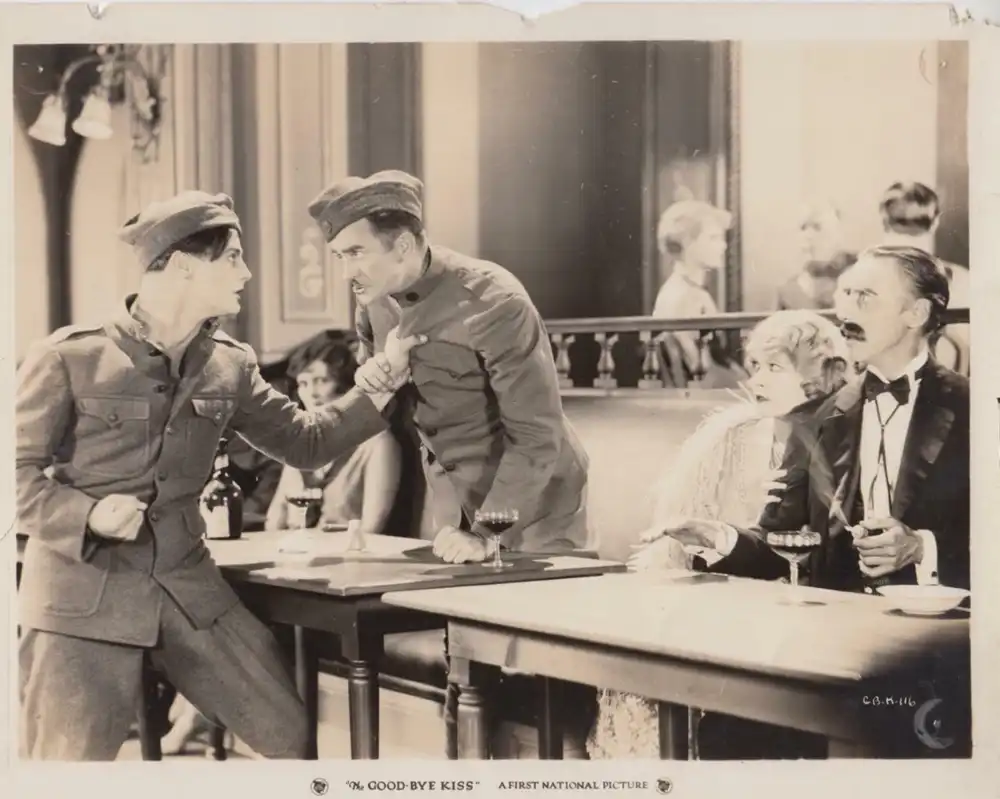
Once the movie gets to the trenches, things actually get more interesting. The sets are surprisingly decent. There’s a lot of smoke and mud, though the mud looks suspiciously like dark frosting in a few shots. I noticed a background extra during a night scene who was supposed to be 'on guard' but was very clearly just staring at the camera for a solid three seconds before remembering he had a job to do. It’s those little human errors that make these old silents feel alive to me.
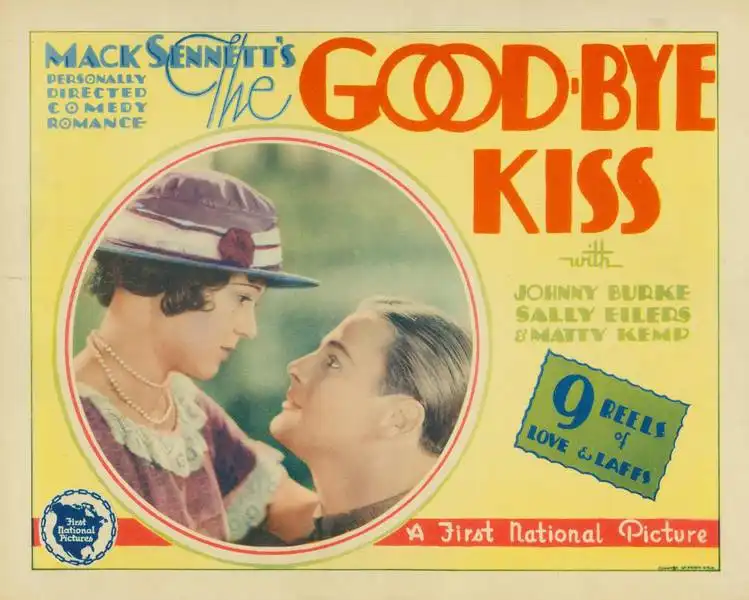
Sally Eilers is great, though. She has these huge, expressive eyes that do a lot of the heavy lifting when the script fails. There’s a moment where she’s reading a letter from Johnny, and the way she clutches it to her chest is one of the few times the movie actually feels 'real.' It’s a sharp contrast to some of the supporting cast, like Wheeler Oakman, who seems to be acting in a completely different, much more aggressive movie.
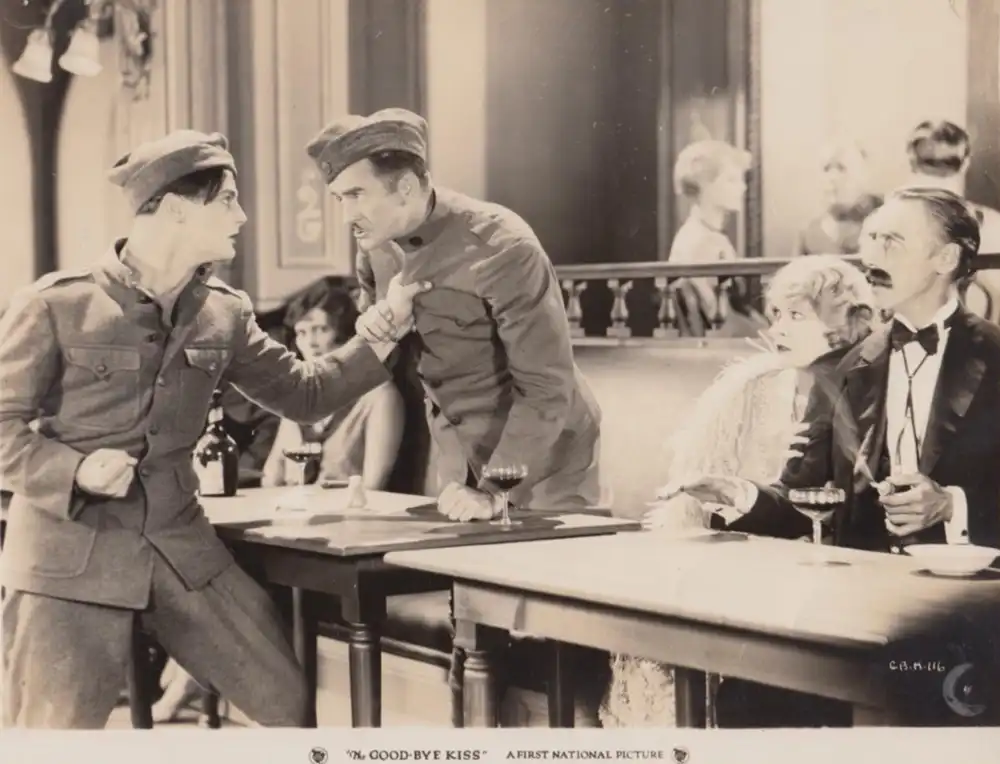
The transition from 'Johnny the coward' to 'Johnny the hero' is... abrupt. It’s not a slow build. It’s more like the movie realized it only had twenty minutes left and needed to wrap things up. He does something brave, but it feels almost accidental, which I actually preferred to a more stoic, traditional hero arc. It fits his doughy, confused energy. There’s a bit with a helmet that is genuinely funny, the kind of physical gag that Sennett’s team could do in their sleep.
I did find myself wondering about the editing in the final third. There are some very quick cuts during the battle scenes that feel almost modern, but then it’ll jump back to a long, static shot of a doorway that goes on forever. It’s uneven. The pacing is all over the place. But there’s a charm to it. It’s not trying to be a masterpiece like some of the other war films of the era. It’s just trying to tell a story about a guy who is terrified but shows up anyway.
Is it as tight as something like The Slave? No. But it has a heart. The chemistry between Burke and Eilers isn't exactly electric—they feel more like cousins who get along well—but you still root for them. By the time the credits roll, you’ve mostly forgiven the movie for its weird tonal shifts and that one scene with the dog that went on way too long. It’s a film that knows it’s a bit of a mess, and it’s okay with that.
IMDb —
1925
Community
Log in to comment.