DbcultAccessing Vault...
Cult Review
Senior Film Conservator
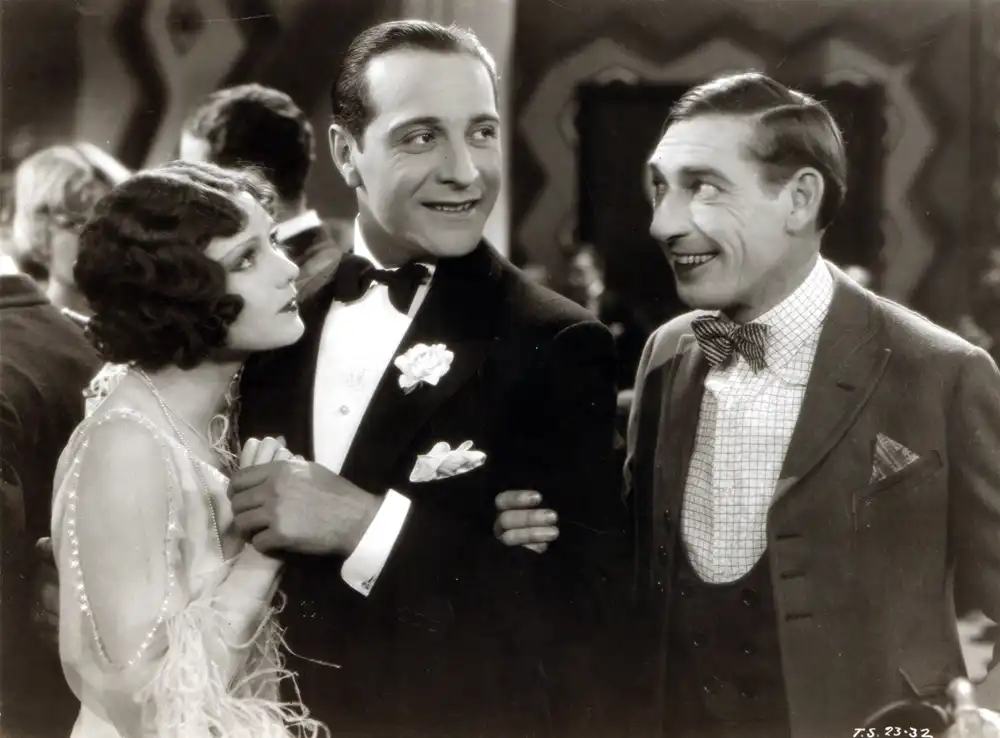
Alright, let’s talk about The Grain of Dust. If you’re a serious silent film devotee, or just someone who genuinely enjoys digging into the specific rhythms of 1920s melodrama, then yeah, it’s probably worth putting on. You’ll find some things to appreciate, some things to roll your eyes at, and a fair amount to discuss with anyone else who bothers to watch it. For everyone else? If you’re just looking for a casual Friday night watch, or if you get impatient with the theatricality of pre-talkie acting, you’ll probably find it a bit of a slog. It’s a very particular flavor.
The film, as you’d expect from 1928, is all about grand gestures and lingering glances. Claire Windsor, our lead, has this remarkable ability to convey intense emotion with just her eyes. There’s a scene early on, I think it’s when she first realizes the extent of the social gossip swirling around her, where the camera just holds on her face. Her expression shifts from mild concern to genuine distress, and for a good twenty seconds, it really works. It pulls you in. Then, maybe five seconds too long, it starts to feel a little… performative. Like she’s waiting for the cue to break the gaze.
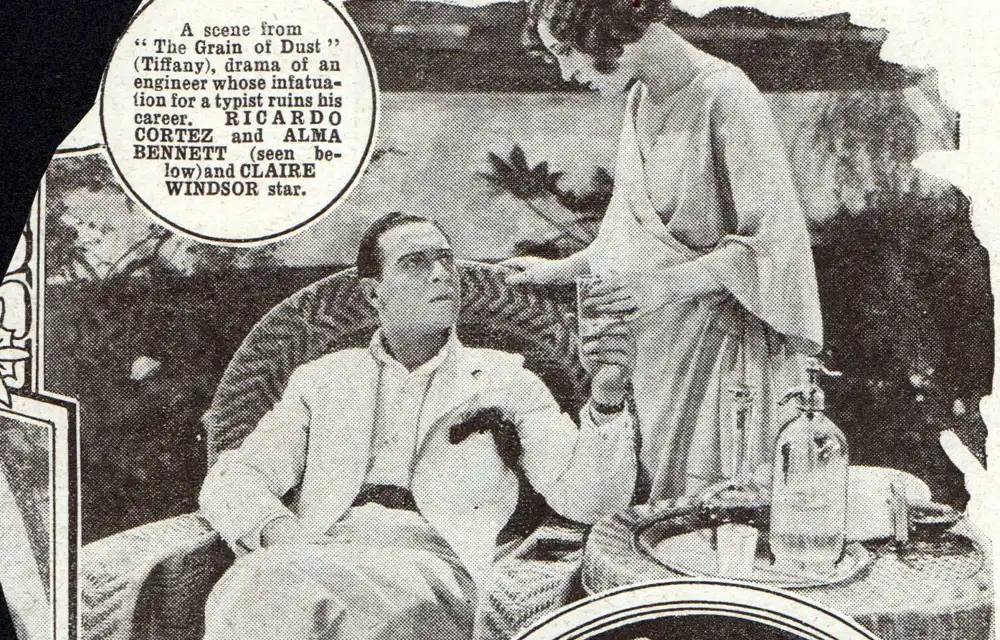
Ricardo Cortez, playing the sort of character who’s always a bit too smooth, has his moments too. He’s got this signature smirk he deploys when he’s trying to be charming, or perhaps a touch manipulative. Sometimes it lands, making him genuinely unsettling. Other times, like during that tense drawing-room confrontation with Jed Prouty, it just looks like he’s trying to remember his lines, or maybe he’s got something stuck in his teeth. It pulls you out of the drama just a little.
The pacing is, well, it’s 1928 pacing. Which means it takes its sweet time getting to the point. There are long stretches, particularly in the middle act, where the plot seems to just drift. We get a number of shots of characters looking pensively out windows, or walking slowly through gardens, apparently deep in thought. It’s meant to build atmosphere, I suppose, but after the third or fourth such shot, you start to wonder if they just needed to fill some reel space. It's not quite the relentless emotional build of something like The Sin That Was His, which knew how to keep things moving.
Then, without much warning, the film will suddenly shift gears. One moment we’re in a quiet, intimate discussion, and the next we’re thrust into a frantic sequence of events – a sudden reveal, a hurried departure. The editing can feel quite abrupt, almost jarring. It’s not always a smooth transition, sometimes feeling less like deliberate artistic choice and more like a necessity of the production.
The title cards are a mixed bag. Some of them are genuinely well-written, with a certain poetic flourish that really adds to the melodrama. They set the scene or reveal inner thoughts effectively. But then you get others that just… state the obvious. Like, after a long scene of two characters glaring at each other, a title card will pop up saying, “He hated her.” You just want to nod and say, “Yes, movie, we got it.” It can break the spell a bit, especially when the actors have been doing such a good job of showing, not telling.
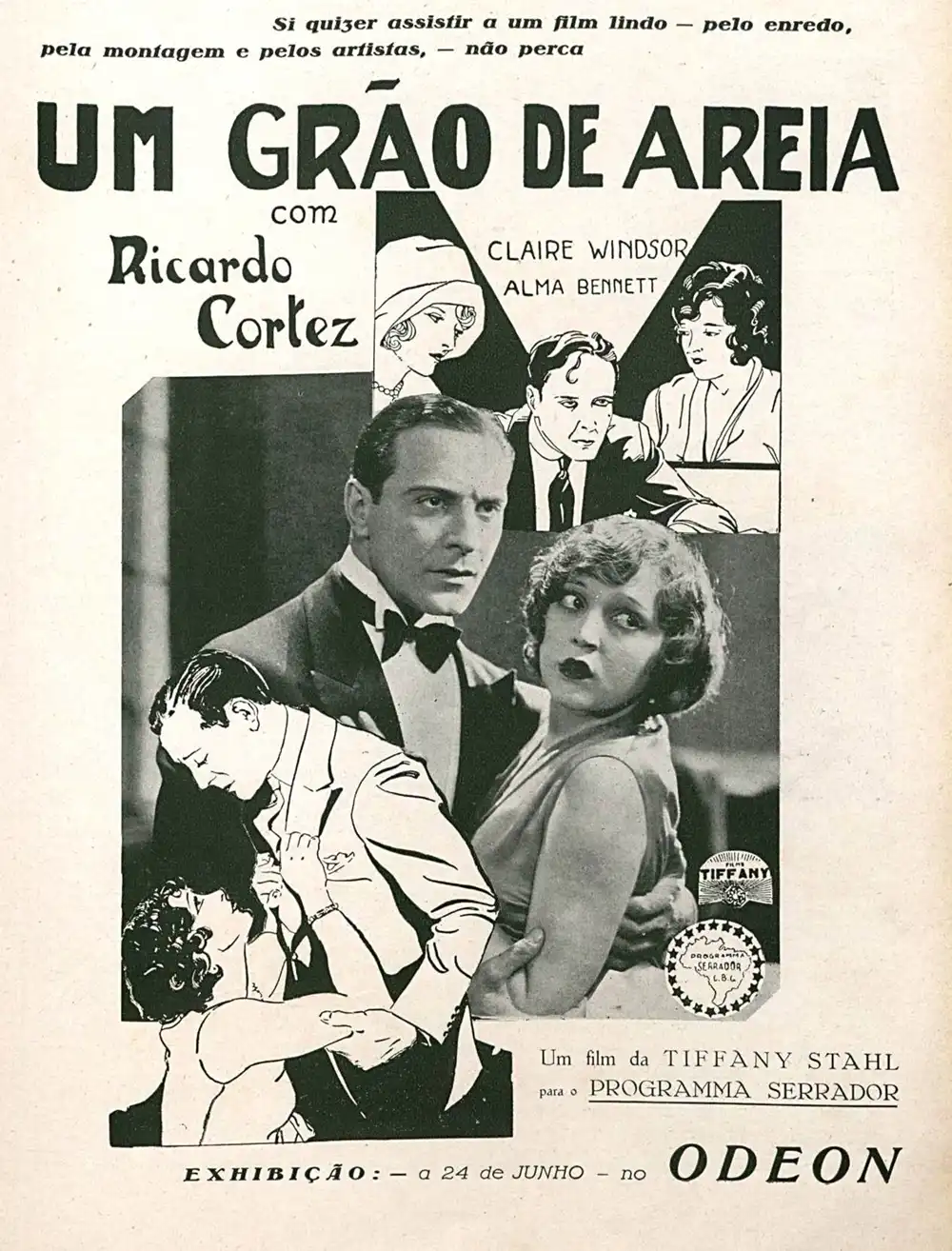
Costumes are mostly lovely, very period appropriate. Claire Delmar’s gowns are particularly striking, especially in the ballroom scenes, giving her a real air of elegance. But then, if you look closely at some of the background extras, you’ll spot a few bits of frayed lace or a slightly ill-fitting hat. Minor details, sure, but once you see them, you can’t unsee them. It reminds you that you’re watching a movie, not quite living in its world.
John St. Polis, in a more understated role, brings a certain groundedness to the proceedings. His reactions often feel the most natural, less theatrical than some of his co-stars. His quiet frustration, particularly in scenes where he’s trying to reason with an obstinate character, reads very clearly. It’s a welcome anchor amidst some of the more elaborate emoting.
There’s a small, almost throwaway shot that stuck with me. After a particularly heated argument, the camera cuts to an empty hallway, and a child’s forgotten toy train slowly rolls into frame and stops. It’s a moment of unexpected quiet, a visual beat that actually lands with some emotional weight without needing a title card or an exaggerated gesture. It’s these tiny, almost accidental moments of grace that elevate the film, even if just for a few seconds.
The central conflict, whatever its specifics, often feels a bit manufactured. You can almost feel the plot machinery grinding away, trying to create obstacles for our protagonists. The misunderstandings pile up, and while that’s par for the course in this kind of story, sometimes it just feels like the characters are deliberately refusing to communicate for the sake of extending the drama. It makes you want to shout at the screen, “Just talk to each other!” It doesn’t quite achieve the natural, almost inevitable doom of something like The Knight of the Rose, where the characters' flaws are truly their undoing.
Overall, The Grain of Dust is a piece of cinema history that offers a window into a particular style of storytelling. It’s not going to convert anyone who isn’t already on board with silent film, but for those who are, there are genuine points of interest. It’s a film that asks for a certain level of patience, but rewards it with glimpses of early star power, some surprisingly effective visual moments, and the occasional, charmingly awkward misstep. Just don’t expect it to move at a clip like Laughing Gas, which is a whole different beast.
IMDb 6.6
1933
Community
Log in to comment.