DbcultAccessing Vault...
6.4/10
Senior Film Conservator
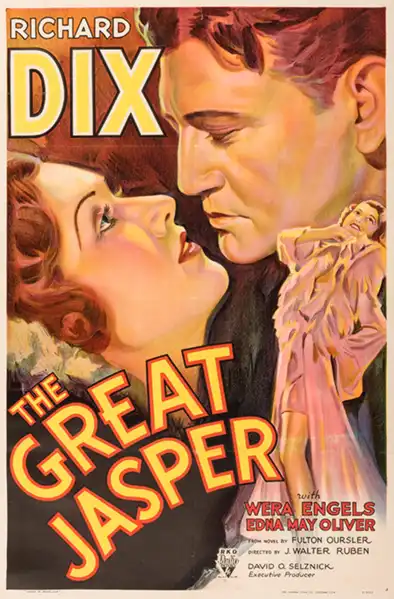
A definitive 6.4/10 rating for a film that redefined the boundaries of cult cinema. The Great Jasper remains a cornerstone of transgressive art.
Alright, so we're talking about _The Great Jasper_ from 1933 here. And look, if you’re a fan of those old pre-Code dramas where people just make incredibly messy decisions and then somehow have to live with them, sometimes for decades, this one might actually hit a sweet spot. It’s got that specific kind of early Hollywood energy, a mix of charm and sometimes _really_ clunky morality. If you need your main character to be a shining beacon of virtue, or if you prefer a perfectly sensible plot, honestly, you can probably give it a miss. 🤷♀️
Richard Dix plays Jasper Horn, and he’s introduced as this high-spirited Irish fella driving a New York streetcar. The movie gives him a real swagger right off the bat. Like, he’s having a beer while driving his tram, and the film doesn't exactly condemn it. It just kinda shows you what kind of guy he is. That quick shot of him tipping the bottle? It tells you more than any dialogue could.
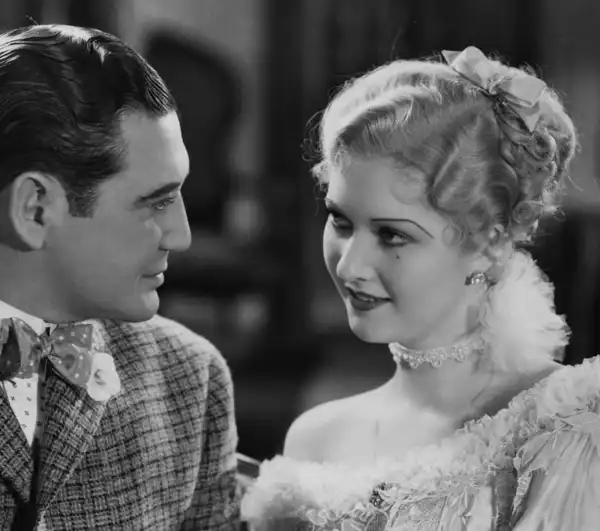
Then comes the electrification of the city. His horse-drawn car gets phased out, but that's just a backdrop for his personal drama. He’s married to a preacher’s teetotal daughter, which is a setup just asking for trouble. And boy, does it find it. His boss's wife, a really beautiful woman played by Florence Eldridge, finds herself drawn to him. This part of the film, it’s all very subtle at first. A lingering glance here, a shared moment there. You can feel the tension building, but it never quite boils over into something completely explicit, which is interesting for the era.
A decade rolls by, and suddenly, the boss figures out his son isn't actually his. The confrontation is pretty quick, almost too quick for such a huge reveal. It’s like the film just wants to move past the awkwardness. Jasper gets fired, leaves his wife, and vanishes to Atlantic City. This whole segment, it almost feels like a different movie starting up.

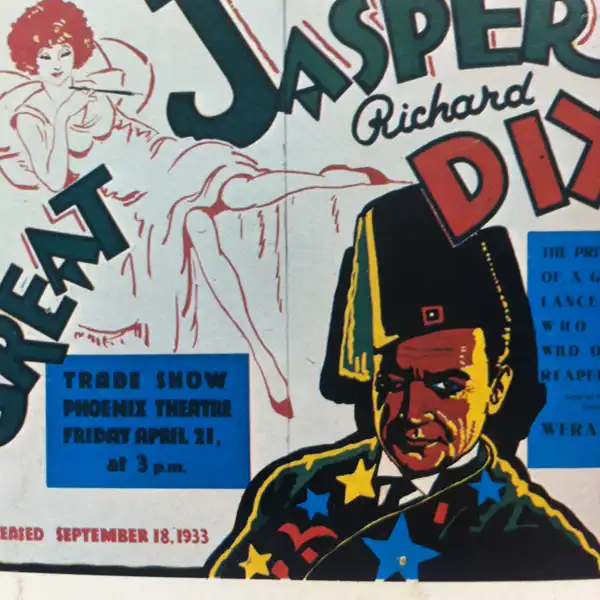
And what a change it is! He becomes "The Great Jasper," a fortune teller on the boardwalk. He’s wearing a fez, for crying out loud. A fez! 🎩 It’s such a bizarre, yet oddly compelling reinvention. You see Dix playing him with this new, almost theatrical confidence. It’s a bold choice to make your protagonist go from streetcar driver to *that*.
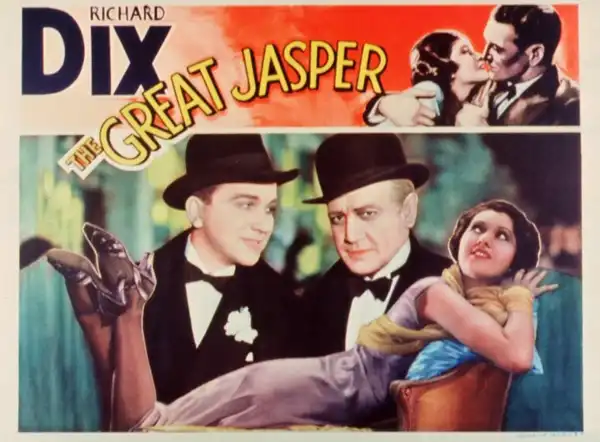
Another fifteen years pass. The movie handles these time jumps by just, well, jumping. No fancy transitions, just a title card. It’s a bit jarring, but it also means the story keeps moving. We get to see one of Jasper’s sons, now grown up, and he’s apparently inherited some of his father’s "wicked ways." It's mostly just youthful rebellion, though, nothing truly evil by today's standards. More like a slightly misguided sense of fun.
The pacing here is wild. One minute you’re watching a domestic drama, the next it’s a character study of a man reinventing himself, and then it’s a story about parental regrets. The film doesn’t quite stick to one genre, and that’s what makes it kinda unpredictable, even if it feels a little uneven.
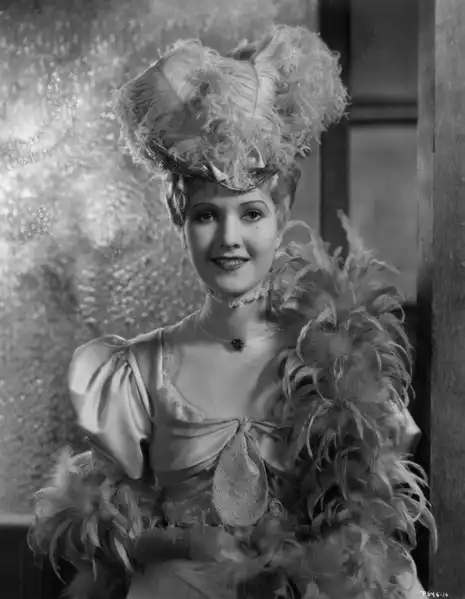
Edna May Oliver pops up, and she’s, as always, a delight. She has this way of delivering a line that just cuts through everything. Her presence, even in a supporting role, often feels like it gives the scene a much-needed jolt of energy or humor. There's a moment where she just raises an eyebrow, and you know exactly what she's thinking without a single word being said. Classic Oliver. 🤩
There are these small, almost blink-and-you-miss-it details. Like the way people dress in the later Atlantic City scenes, a bit more flashy, a bit less buttoned-up than the earlier New York setting. It hints at the changing times without making a big fuss about it. The boardwalk itself feels alive, even in black and white.
The whole thing wraps up feeling a little… abrupt, maybe? It’s not a neat bow kind of ending. It leaves you thinking about the choices people make and how they ripple out. Not everything is resolved perfectly, which, honestly, feels more real than a tidy Hollywood conclusion. It’s a relic, but a pretty interesting one if you let it be. Just don't expect it to be a moral lesson.
IMDb 5.6
1917
Community
Log in to comment.