DbcultAccessing Vault...
5.5/10
Senior Film Conservator
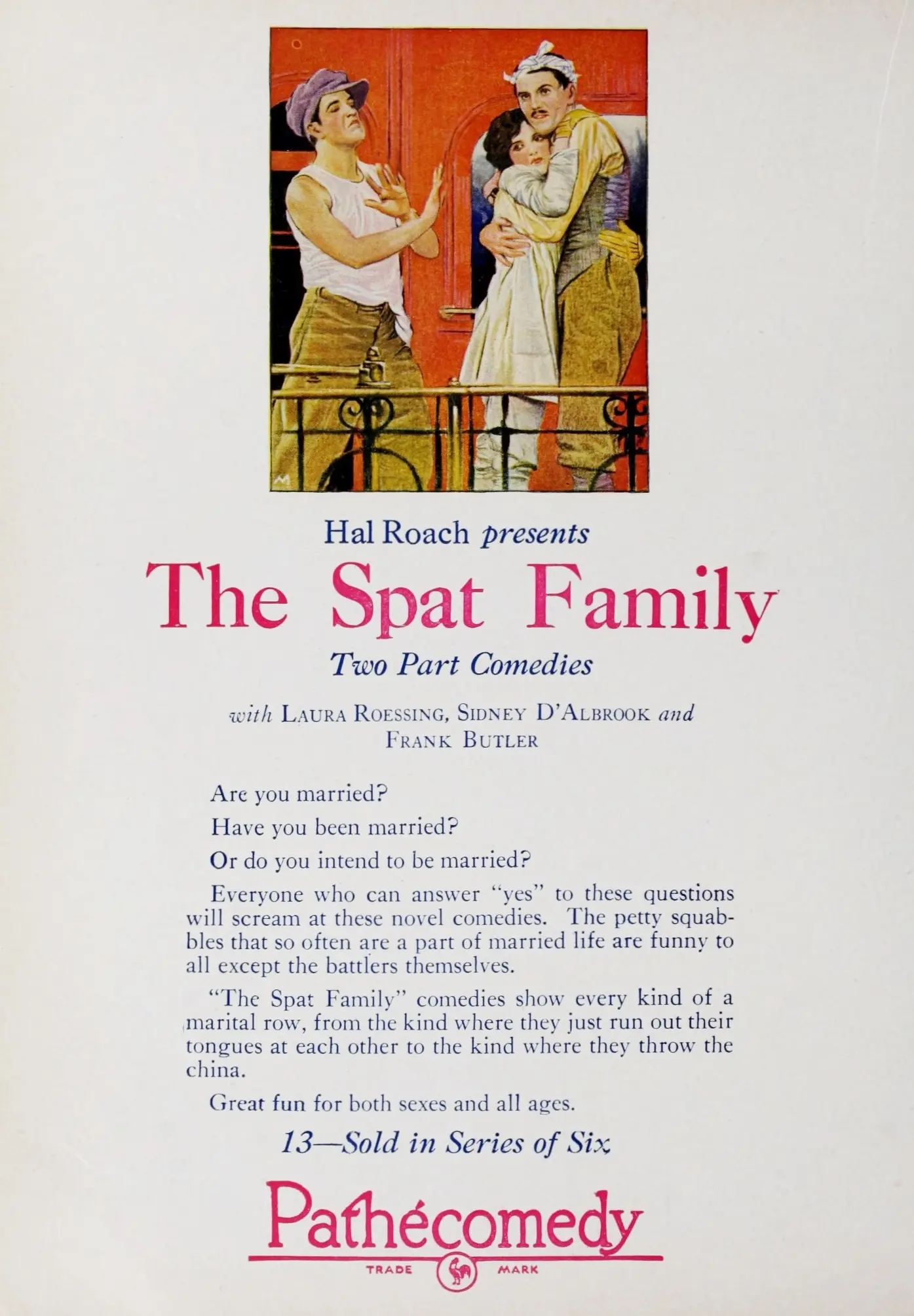
A definitive 5.5/10 rating for a film that redefined the boundaries of cult cinema. The Great Outdoors remains a cornerstone of transgressive art.
The Great Outdoors thrusts the Spat family into an environment that feels simultaneously idyllic and hostile. The opening tableau—a cabin perched precariously on a ridge—evokes the pastoral charm of classic American camping narratives while foreshadowing the inevitable disintegration of safety. The cinematography, saturated in muted greens and the occasional amber glint of sunrise, mirrors the tonal palette of Reputation (1921), yet the film’s visual language diverges by embracing a harsher, more unforgiving palette that underscores the looming threat of nature’s caprice.
Sidney D'Albrook, as the patriarch, delivers a performance that oscillates between stoic resolve and frantic desperation. His measured diction, punctuated by moments of raw, guttural exclamation, recalls the nuanced gravitas of Frank Butler in The Duck Hunter. Leo Willis, portraying the impulsive younger brother, injects kinetic energy into each scene, his physical comedy reminiscent of the slap‑slap rhythm found in Tell It to the Marines. Laura Roessing’s portrayal of the resilient matriarch is a study in understated strength; her eyes convey a silent narrative that words cannot capture, echoing the quiet fortitude of the heroine in Whatever She Wants. The ensemble chemistry feels less like a contrived script and more like a lived-in family dynamic, each interaction layered with subtext and unspoken histories.
The abrupt destruction of the cabin serves as a visual metaphor for the collapse of domestic illusion. The scene is executed with a kinetic montage: splintered wood, a sudden gust, and the echoing thud of timber against earth. The sound design—sharp, metallic, and disorienting—mirrors the internal disarray of the Spats. This moment, while brief, reverberates throughout the episode, informing every subsequent decision the family makes. It is a narrative fulcrum that propels the characters from complacency into a realm where survival instincts eclipse social decorum.
The trio of antagonists—bandits, the railroad bull, and police—embodies a triadic tension that escalates the narrative stakes. The bandits, led by a charismatic yet morally bankrupt chieftain, operate with a predatory grace, their pursuit reminiscent of the relentless chase in In the Hour of Temptation. Their dialogue, peppered with sardonic wit, adds a layer of dark humor that tempers the looming peril. The railroad bull, a hulking locomotive rendered almost mythic through low‑angle shots and a throbbing brass score, functions as an elemental force—an embodiment of industrial progress colliding with pastoral innocence. Its metallic roar punctuates the night, a stark reminder of humanity’s encroaching mechanization. The police, meanwhile, are depicted with a procedural rigidity that borders on absurdity, their pursuit driven by bureaucratic misunderstanding rather than genuine threat. This misalignment creates a comedic dissonance, aligning the film with the tonal ambiguity of Sunday, where law and chaos intertwine.
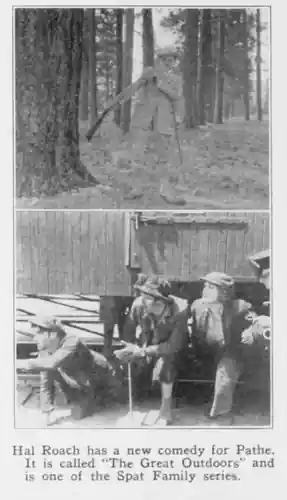
At its core, The Great Outdoors interrogates the fragile veneer separating civilization from the untamed wild. The Spats, armed with domestic comforts—a portable stove, a well‑worn blanket, a family heirloom compass—find these artifacts rendered impotent against the onslaught of natural and human adversaries. The film’s dialogue often juxtaposes phrases of genteel propriety with visceral survival instincts, a linguistic dance that underscores the thematic dichotomy. This tension mirrors the existential queries posed in American Methods, where characters grapple with the erosion of moral certainty in the face of chaotic forces.
The cinematographer employs a restrained palette dominated by deep shadows, punctuated by splashes of dark orange (#C2410C) in campfire flames, yellow (#EAB308) in fleeting sunrise glints, and sea blue (#0E7490) in riverine reflections. These hues are not merely decorative; they act as narrative signposts. The dark orange signifies fleeting warmth and familial cohesion, the yellow heralds moments of revelation, while the sea blue evokes the inexorable flow of danger. The deliberate restraint of color against a black backdrop amplifies the film’s chiaroscuro aesthetic, aligning it with the visual language of noir‑inflected adventure cinema.
The auditory design is a tapestry of natural and mechanical sounds. The rustle of leaves, the distant howl of an unseen predator, and the metallic clank of the railroad bull converge to create a soundscape that feels both immersive and oppressive. The score, a minimalist composition that weaves a low‑drone with intermittent percussive bursts, mirrors the film’s pacing—steady, then sudden, then relentless. This approach is reminiscent of the sonic architecture in Mandarin’s Gold, where music underscores tension without overwhelming narrative clarity.
The episode adheres to a three‑act structure, yet each act is infused with sub‑plots that enrich the central narrative. Act One establishes the Spats’ intent and the cabin’s demise, setting a tone of disorientation. Act Two introduces the antagonistic forces, each encounter escalating the stakes. The bandits’ ambush is a kinetic set piece, the railroad bull’s crossing a visual metaphor for industrial inevitability, and the police’s arrival a bureaucratic hurdle. Act Three culminates in a night‑time chase that fuses all three threats into a single, breath‑snatching sequence. This crescendo mirrors the narrative propulsion of McVeagh of the South Seas, where disparate dangers converge in a climactic showdown.
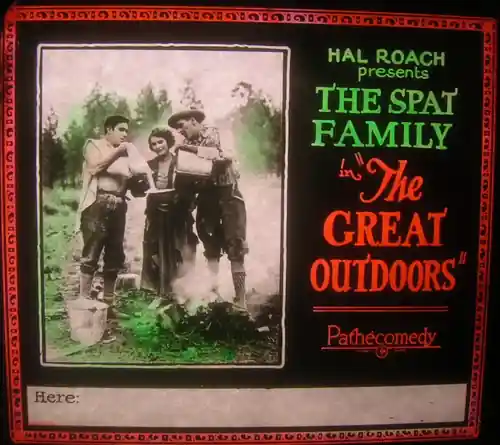
The film’s rhythm oscillates between languid, contemplative moments—such as the family’s quiet reflections beside a dying fire—and frenetic bursts of action. This dichotomy creates a breathing space that allows viewers to absorb thematic weight before being thrust back into adrenaline‑fueled chase sequences. The editing, characterized by crisp cuts during pursuit and lingering long takes during introspection, underscores this deliberate pacing strategy.
When placed alongside contemporaneous adventure comedies, The Great Outdoors distinguishes itself through its blend of existential dread and familial warmth. While Sa gosse leans heavily into slapstick, and Behold the Man embraces a more solemn tone, The Great Outdoors occupies a liminal space where humor and pathos coexist without undermining each other. Its thematic preoccupations echo the moral ambiguity of The Battle of Ballots, yet its execution feels fresher, buoyed by a kinetic visual style that feels distinctly modern.
The episode’s influence can be traced in later works that explore the collision of domesticity and wilderness, notably in the 1930s serials that blend family dynamics with frontier peril. Its narrative blueprint—family unit thrust into elemental chaos—has become a recurring motif in cinematic storytelling, underscoring the film’s enduring relevance.
The Great Outdoors stands as a masterclass in balancing comedic timing with thematic gravitas. Its performances are nuanced, its visual language arresting, and its narrative architecture impeccably crafted. The film invites viewers to contemplate the precariousness of civilization when stripped of its comforts, all while delivering a roller‑coaster ride of laughter, suspense, and occasional melancholy. For aficionados of adventure cinema seeking depth beyond surface thrills, this episode offers a richly textured experience that rewards repeated viewings.
IMDb —
1932
Community
Log in to comment.