DbcultAccessing Vault...
6.5/10
Senior Film Conservator
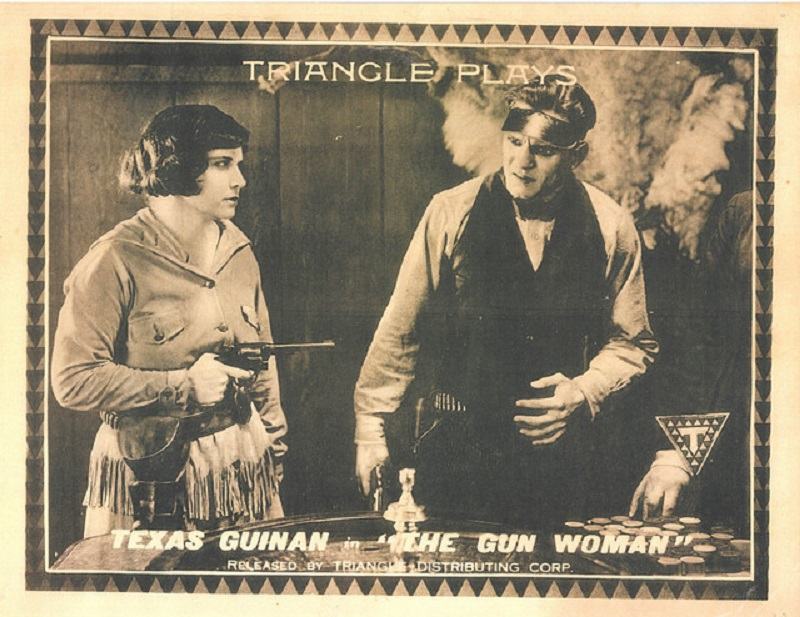
A definitive 6.5/10 rating for a film that redefined the boundaries of cult cinema. The Gun Woman remains a cornerstone of transgressive art.
In The Gun Woman, the saloon's bar is more than a counter—it's a altar where vows are shattered like glass. Alan James's pen carves a narrative that lingers like the smoke of a dying fire. The film's protagonist, a woman whose name is etched into the wood of her establishment's barstools, embodies the paradox of strength and vulnerability. Her lover's betrayal isn't merely financial; it's a theft of identity, a hollowing out of shared dreams. The saloon, once a vibrant hub of camaraderie, mirrors her fractured psyche, its chandeliers casting fractured light on the patrons' fleeting faces.
Frank Borzage's direction is a masterclass in visual storytelling. The camera lingers on the saloon's bar—its surface a tableau of spilled whiskey and unspoken regrets. The color palette, dominated by the amber glow of lanterns, evokes a melancholic warmth that contrasts with the protagonist's icy isolation. Compare this to Souls Enchained, where entrapment is also explored, but through a different lens of societal constraints. Here, the saloon is both prison and sanctuary, a space where the protagonist's resilience is forged in the crucible of betrayal.
George W. Chase's performance as the faithless lover is a study in understated menace. His smile, as smooth as the whiskey he serves, masks a calculating nature. The scene where he nonchalantly mentions the new saloon in another town is punctuated by a silence more damning than any shout. Texas Guinan's portrayal of the saloon owner is a revelation—her eyes, welling with suppressed fury, speak volumes without a single word. The chemistry between the two actors is charged with tension that crackles like a live wire.
The film's score, a haunting blend of piano and violin, underscores the emotional landscape. Each note is a heartbeat in the void left by the broken promise. The use of sound design in scenes of solitude—such as the creak of the saloon door or the distant howl of a coyote—amplifies the protagonist's isolation. This auditory isolation is mirrored in Hell Bent, though there the focus is on physical rather than emotional exile.
The saloon's interior is a character in its own right. The faded red of the curtains, the chipped paint on the bottles—each detail a testament to time's relentless march. The contrast between the vibrant nightlife and the protagonist's personal desolation is stark. In one poignant sequence, she dances alone with a bottle of whiskey, the camera circling her like a vulture. This choreography, both graceful and grotesque, encapsulates the film's exploration of self-destruction as a form of survival.
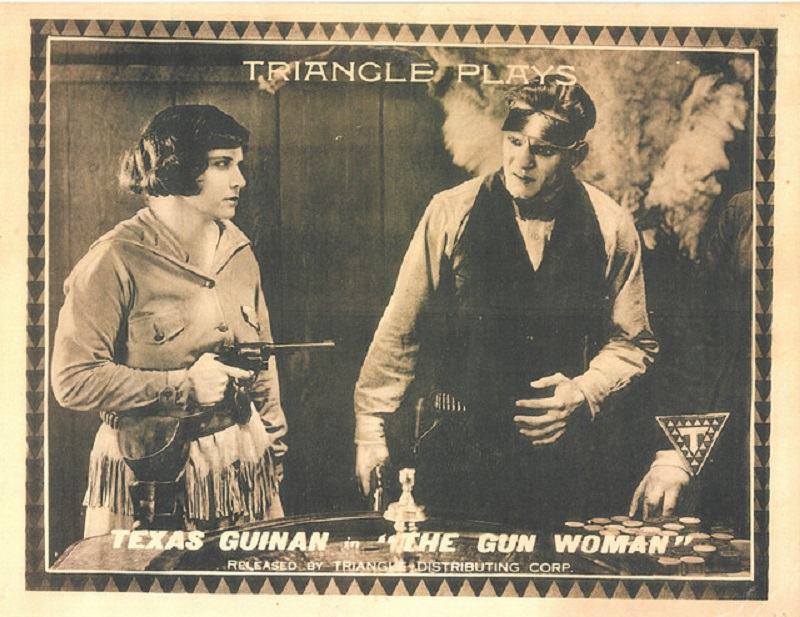
The narrative's climax—a confrontation under a blood-red sunset—is a masterstroke of symbolism. The lover's new saloon, gleaming with brass and promise, stands in sharp contrast to the protagonist's weathered establishment. This visual metaphor for their relationship's trajectory is executed with surgical precision. The dialogue here is sparse, allowing the actors to convey volumes through glances and gestures. The film's final moments, with the protagonist standing alone in her saloon as dawn breaks, are a quiet triumph. The light that floods the screen is not one of hope, but of hard-won clarity.
Comparisons to The Genet are inevitable when discussing themes of inherited guilt and redemption. However, The Gun Woman distinguishes itself through its focus on female agency. The protagonist's decision to remain in the saloon is not a defeat but a declaration of independence. This nuanced portrayal of female resilience is a welcome departure from the typical Western tropes.
The film's pacing, deliberate and methodical, allows the emotional layers to unfold organically. There is no rush to resolve the central conflict, which adds to the authenticity of the protagonist's journey. This measured approach is reminiscent of Prestuplenie i Nakazanie, though the emotional stakes here are more personal and intimate.
Technically, the film is a marvel. The cinematography captures the harsh beauty of the desert with a painter's eye. The use of deep focus in key scenes—such as the lovers' final argument—creates a sense of inescapable entrapment. The editing, though often overlooked, deserves praise for its seamless transitions between past and present, weaving a tapestry of memory and consequence.
In conclusion, The Gun Woman is a testament to the power of cinema to explore complex emotional landscapes. It is a film that lingers long after the credits roll, its themes of betrayal and self-reliance resonating with universal relevance. For those who appreciate the subtleties of character-driven narratives, this is an essential watch. The film's enduring legacy lies in its ability to transform a simple story of infidelity into a profound meditation on identity and resilience.
IMDb 5.7
1930
Community
Log in to comment.