DbcultAccessing Vault...
5.2/10
Senior Film Conservator
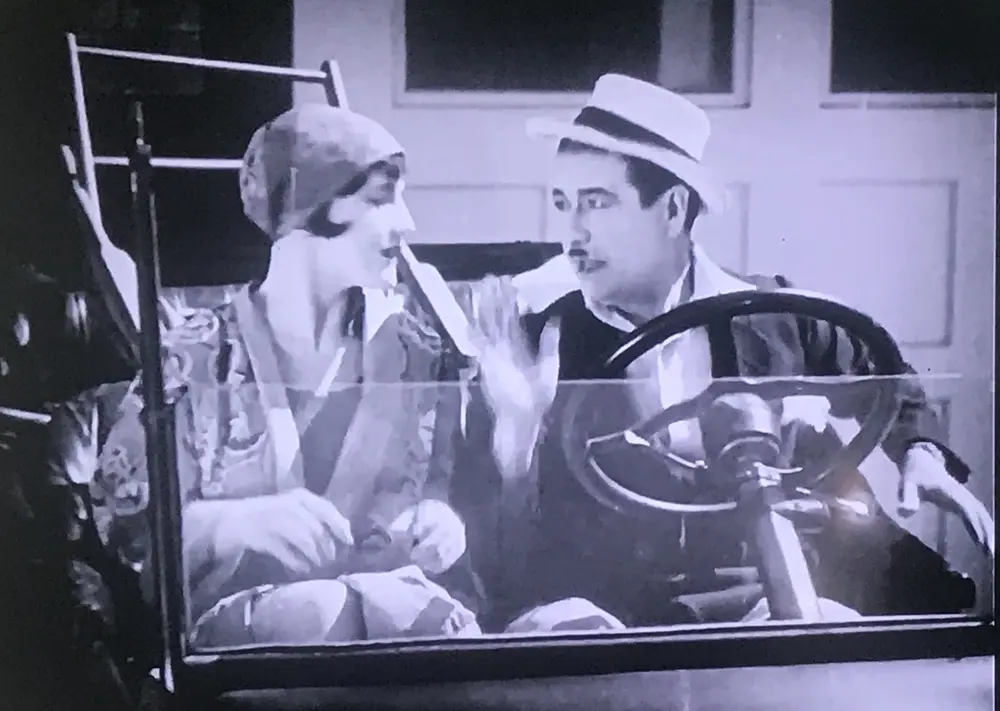
A definitive 5.2/10 rating for a film that redefined the boundaries of cult cinema. The Little Pest remains a cornerstone of transgressive art.
Should you invest your time in The Little Pest? Short answer: yes, but only if you appreciate the specific, rhythmic cruelty of early silent slapstick. This film is a must-watch for historians of the 'domestic frustration' genre, but it will likely irritate anyone who prefers their comedy with a side of sentimentality.
This is a film for those who find humor in the total collapse of social etiquette. It is not for viewers who are easily triggered by children in peril or those seeking the high-concept wit found in later sound-era screwball comedies.
This film works because it leans entirely into the physical exhaustion of its lead, Neely Edwards, whose face becomes a map of mounting despair.
This film fails because the second act relies too heavily on repetitive gags that lose their punch before the final payoff.
You should watch it if you want to see a prime example of how 1920s cinema used the 'child-as-monster' trope to satirize the pressures of marriage.
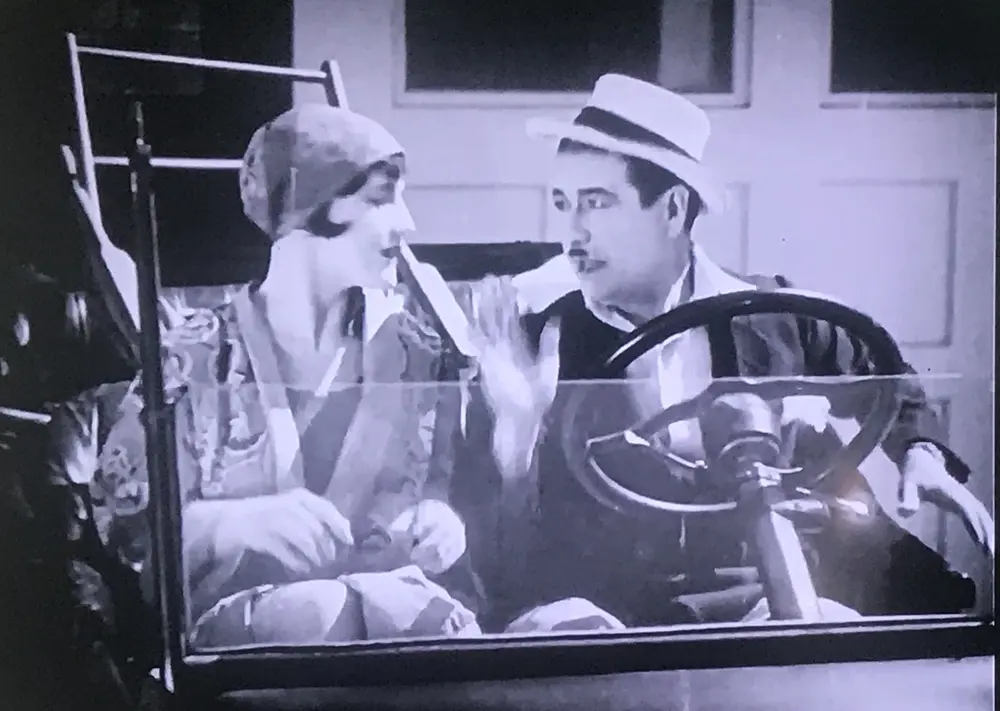
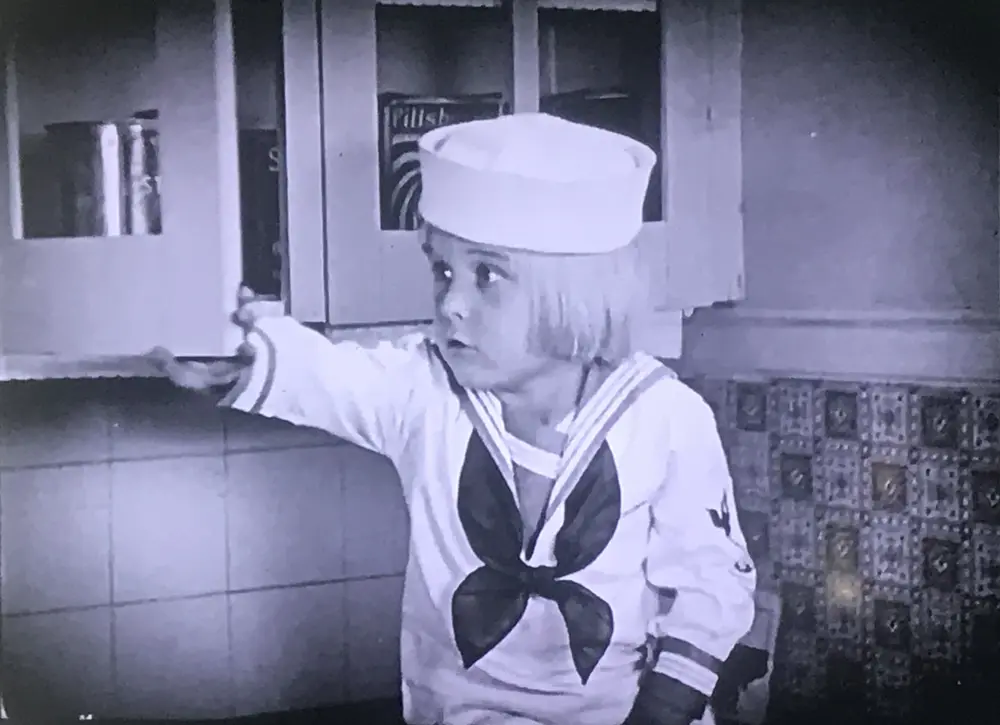
The Little Pest operates on a simple, brutal premise. It takes the most sacred space of the 1920s—the newlywed home—and introduces a biological contaminant. Billy Kent Schaefer plays the nephew not as a cute scamp, but as a calculated agent of entropy. From the moment he enters the frame, the geometry of the house changes.
In one specific sequence, the nephew manages to turn a simple meal into a battlefield. It isn't just about spilled milk. It is about the way Neely Edwards tries to maintain the facade of the 'gentleman host' while his world literally crumbles. This tension between social expectation and physical reality is where the film finds its teeth.
Unlike the more polished domestic comedies like Tea for Three, there is no verbal sparring here. Everything is communicated through the violent collision of bodies and objects. The pacing is frantic. It feels like a fever dream of failed adulthood.
Neely Edwards is the engine of this film. While the 'pest' provides the action, Edwards provides the reaction. His performance is a masterclass in the slow burn. He doesn't start at a ten; he begins at a two, a polite man trying to be a good uncle, and slowly unravels.
Watch his eyes in the scene where the kid begins to dismantle the living room clock. There is a moment of pure, unadulterated hatred that flashes across his face before he reverts to a strained smile. It is a relatable moment for anyone who has ever had to babysit a relative's nightmare child. This isn't just acting; it's an exorcism of domestic frustration.
Compare this to the more suave performances in The Gay Lord Quex. Where those actors use poise, Edwards uses his entire body to signal defeat. He is slumped, harried, and eventually, broken. It is a brave performance that refuses to make the protagonist look heroic.
The Little Pest is worth watching if you are interested in the evolution of the American sitcom. It provides a raw, unfiltered look at the anxieties surrounding the 'modern' family of the 1920s. While the gags are nearly a century old, the central conflict remains universal.
The film is a fast-paced assault on the senses. It clocks in at a short runtime, ensuring that the premise doesn't overstay its welcome. If you enjoy seeing the 'perfect' life of the middle class get torched, this is your movie.
The cinematography in The Little Pest is functional rather than experimental. The camera stays largely stationary, acting as a proscenium arch for the chaos. However, the framing is remarkably tight. The director understands that slapstick requires a clear view of the 'cause and effect' of a gag.
There is a recurring shot of the hallway that becomes a recurring joke in itself. Every time a character enters that space, you know something terrible is about to happen. This use of geography is similar to what we see in Number 17, though utilized here for laughs rather than suspense. The house itself becomes a character, a trap that the newlyweds cannot escape.
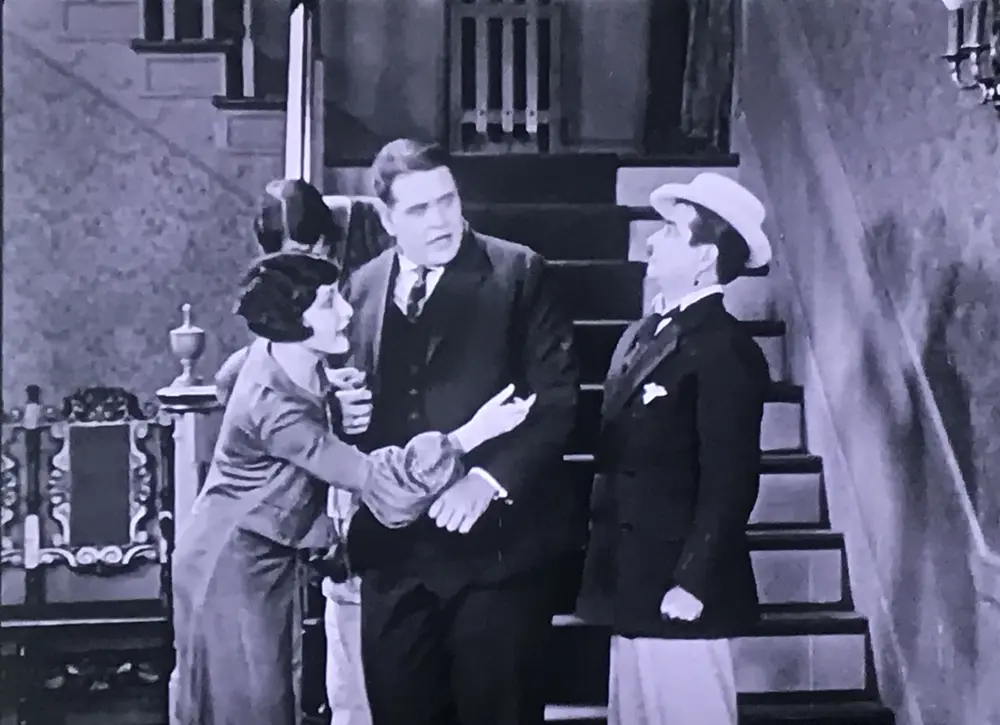
The lighting is flat, which was standard for the era, but it serves the comedy well. There are no shadows to hide in. The embarrassment of the protagonists is fully illuminated for the audience's pleasure. It is a cruel aesthetic choice that fits the film's tone perfectly.
Bud Jamison is a standout in a supporting role. His presence adds a layer of physical intimidation that balances the child's chaotic energy. Jamison was a staple of the era, and his ability to play the 'heavy' with a comedic touch is on full display here. He acts as the social pressure that keeps the newlyweds from simply throwing the kid out the window.
Consuelo Dawn, as the wife, has less to do physically but serves as the emotional anchor. Her shift from welcoming aunt to shell-shocked survivor mirrors the audience's journey. It is a subtle performance in a film that is anything but subtle. She provides the necessary contrast to the 'pest's' unbridled id.
The chemistry between the cast is what prevents the film from feeling like a series of disconnected skits. They feel like a family, albeit a deeply dysfunctional one. This groundedness makes the absurdity of the situations hit harder. It’s not just a cartoon; it’s a social nightmare.
The film moves at a breakneck speed, leaving little room for boredom. The physical stunts are impressive, showcasing the athleticism required of silent film stars. It also offers a fascinating, if cynical, historical perspective on 1920s parenting and social obligations.
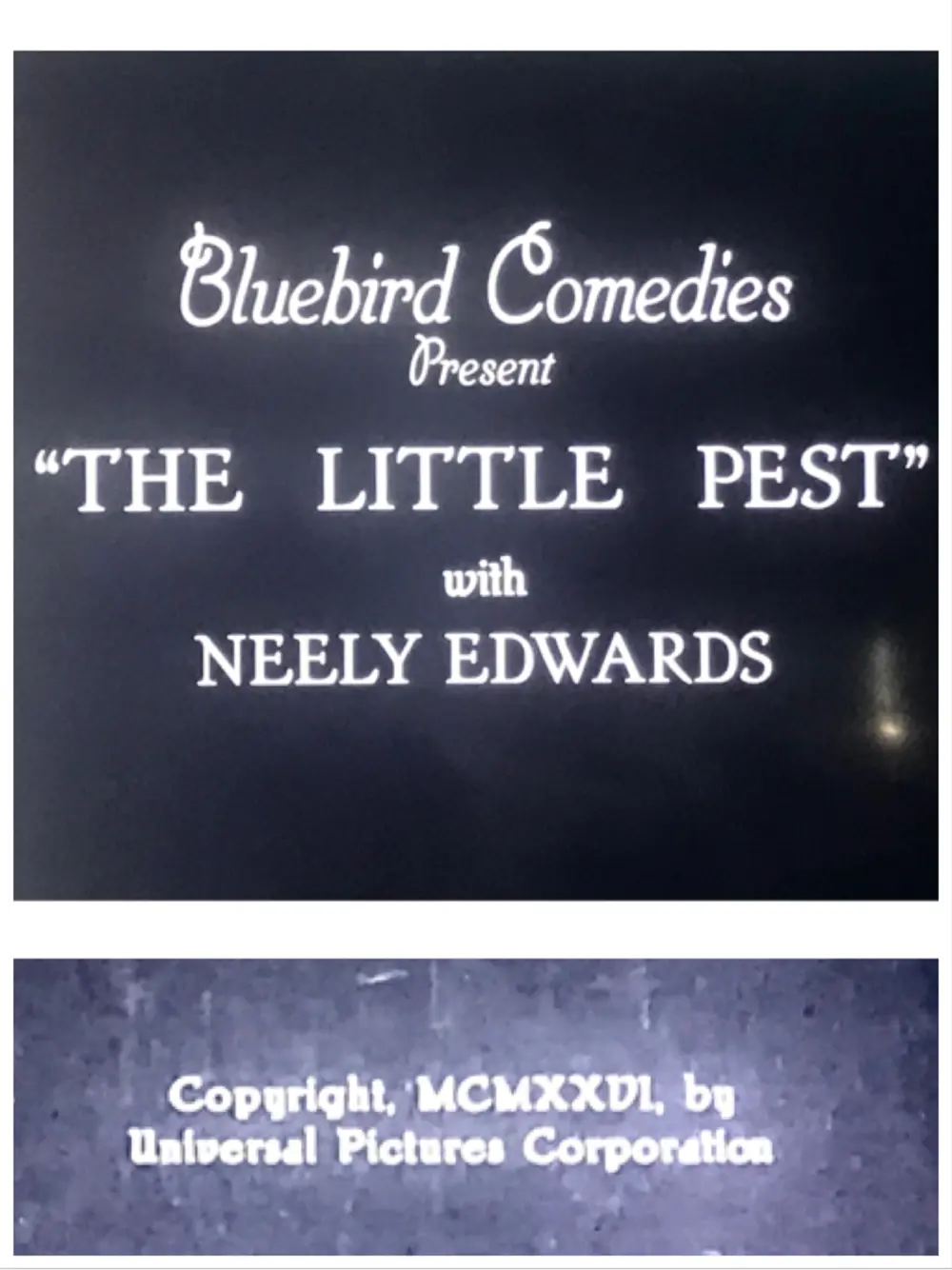
The 'pest' character can be genuinely grating, which is the point, but it may test the patience of some viewers. Some of the gags feel dated and lack the timelessness found in the works of Keaton or Chaplin. The ending feels somewhat abrupt, as if the filmmakers simply ran out of film.
The Little Pest belongs to a specific lineage of comedy that refuses to sentimentalize childhood. In an era where children were often depicted as angelic or precocious, this film dares to show them as destructive forces. This subversion was radical for its time and paved the way for later characters like Dennis the Menace or the protagonists of Home Alone.
It challenges the notion that the home is a place of rest. Instead, it presents the home as a place of labor and endurance. This theme is echoed in other films of the period, such as A Regular Fellow, which also deals with the gap between public persona and private reality. The Little Pest is a loud, messy protest against the 'perfect' life.
The comedy is blunt. It hurts to watch. But in that pain, there is a deep sense of recognition. We have all been Neely Edwards, trapped in a room with a force we cannot control, trying to keep a smile on our face while our world burns.
The Little Pest is a fascinating, albeit exhausting, relic of the silent era. It doesn't possess the poetic grace of the masters, but it has a raw, punk-rock energy that is hard to ignore. It is a film about the death of peace and the triumph of chaos. It works. But it's flawed. If you can handle the noise of a silent film, it's a journey worth taking.
"A relentless assault on domestic tranquility that proves some things, like the terror of a misbehaving child, are truly timeless."
IMDb 8.6
1930
Community
Log in to comment.