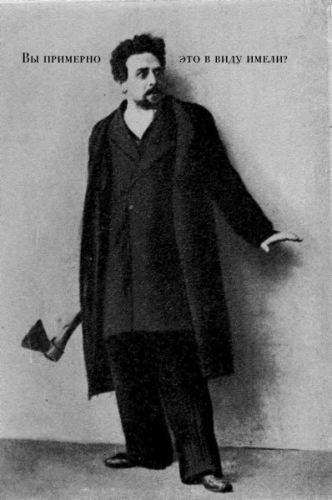
The Fever Named Raskolnikov: How a 1915 One-Reeler Ate Dostoevsky’s Novel and Spat Out an Icon Imagine a city that never sleeps because insomnia is its municipal anthem; imagine a mind that refuses to blink. Prestuplenie i nakazanie (1915) distills 600 pages of Russian torment into roughly 2000 feet of nitrate, yet th...
Community
Log in to comment.
" The Fever Named Raskolnikov: How a 1915 One-Reeler Ate Dostoevsky’s Novel and Spat Out an Icon Imagine a city that never sleeps because insomnia is its municipal anthem; imagine a mind that refuses to blink. Prestuplenie i nakazanie (1915) distills 600 pages of Russian torment into roughly 2000 feet of nitrate, yet the compression feels less like abridgment and more like distillation—vodka set alight, burning blue straight into the retina. Director Vladimir Gardin, armed with a single arc lamp ..."
Deep dive into the cult classic
Discover similar cinematic experiences
A Directorial Spotlight on I. Vronsky
