DbcultAccessing Vault...
Cult Review
Senior Film Conservator
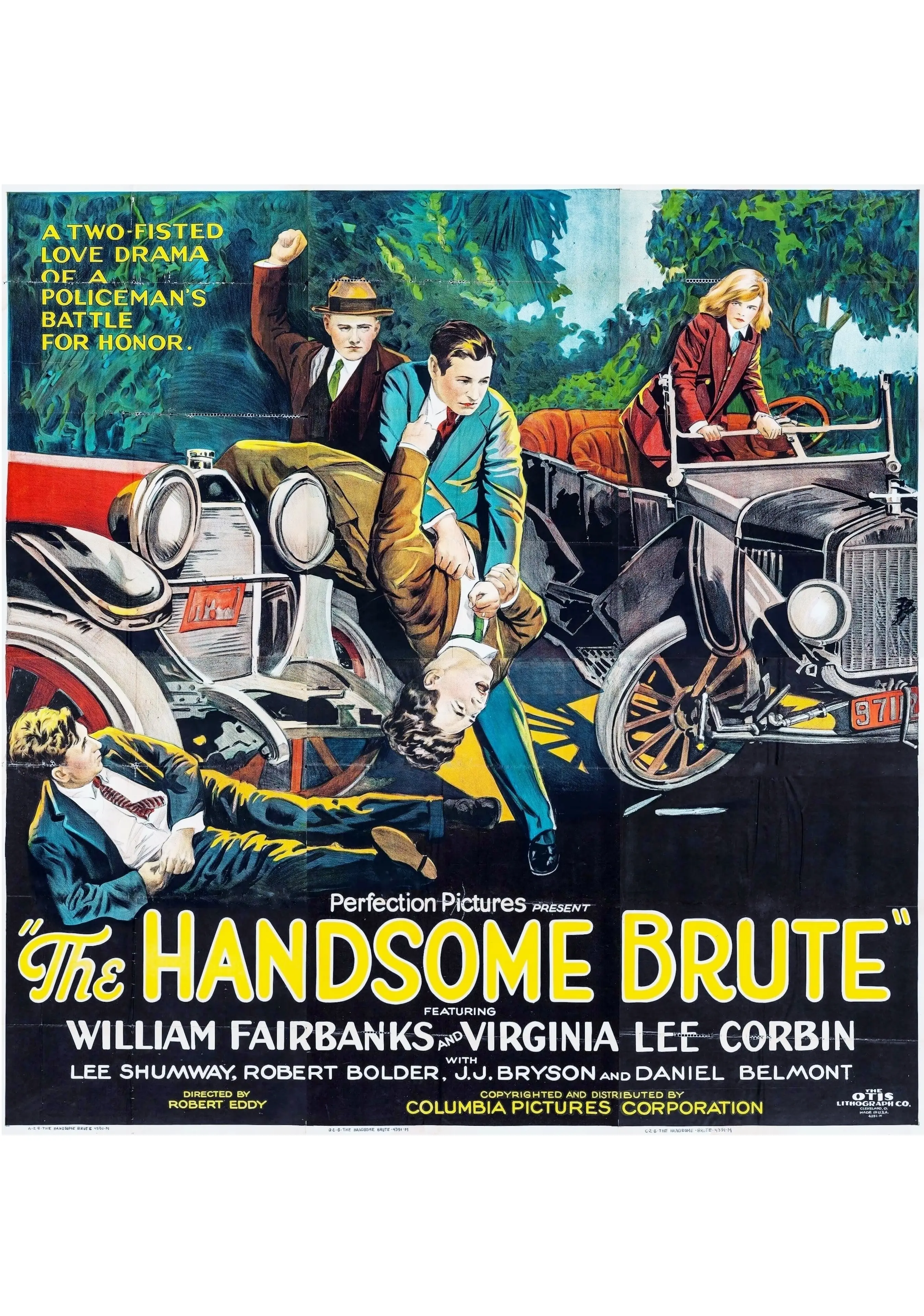
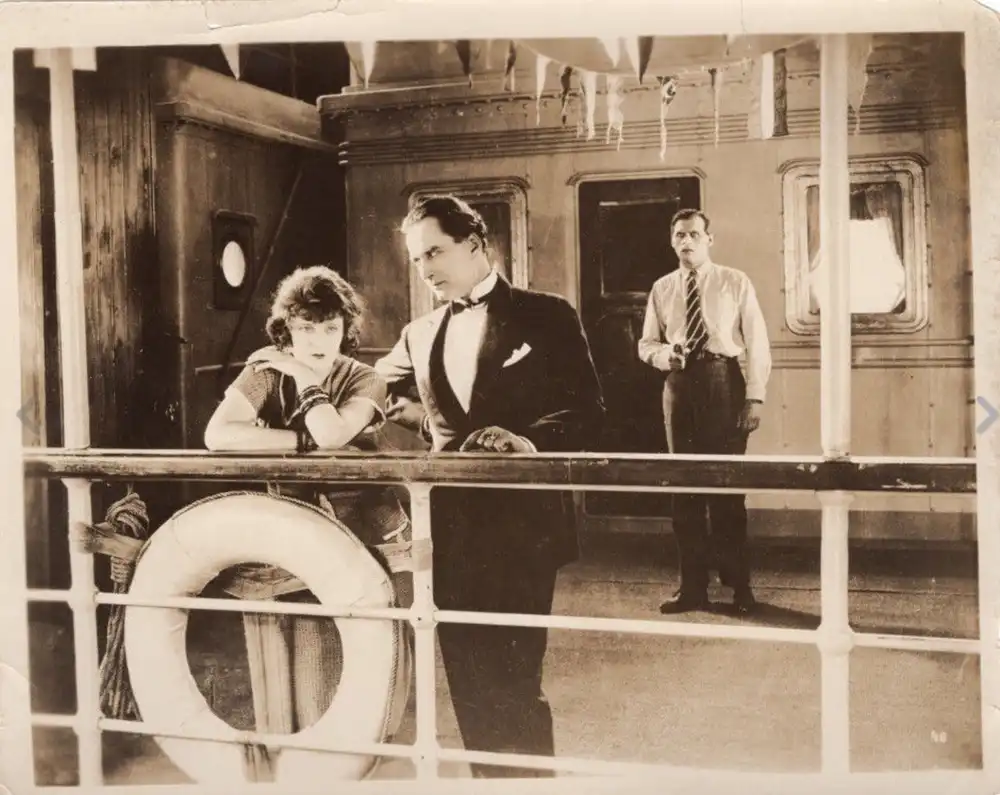
The Handsome Brute, a cinematic endeavor from the silent era, presents a compelling narrative of deception, redemption, and the unwavering pursuit of justice. This 1926 film, starring William Fairbanks as Larry 'O'Day, a tenacious police officer, delineates the complexities of law enforcement and personal integrity.
The film commences with Larry 'O'Day's unjust dismissal from the New York City police department, a pivotal event that sets the stage for his subsequent actions. Undeterred by this setback, O'Day resolves to expose the true nature of John Granger (Lee Shumway), a detective whose international reputation belies his corrupt character. This confrontation serves as the linchpin of the narrative, showcasing O'Day's unyielding commitment to justice and setting him on a path toward redemption.
Upon successfully unveiling Granger's duplicity, O'Day is not only reinstated but also promoted, a testament to his unwavering dedication to the truth. His professional vindication is further sweetened by his marriage to Nelly Egan (Virginia Lee Corbin), his loyal sweetheart, whose faith in him never wavered. This union symbolizes the restoration of O'Day's honor and reputation, both within the police force and in his personal life.
The portrayal of John Granger as a cheap crook who hides behind a veneer of international acclaim serves as a scathing critique of the era's law enforcement vulnerabilities. Granger's character functions as a foil to O'Day, highlighting the contrast between genuine integrity and superficial respectability. This juxtaposition adds depth to the narrative, inviting viewers to reflect on the true essence of heroism and villainy within the context of justice.
In comparison to its contemporaries, such as The Red Circle and Sally of the Sawdust, The Handsome Brute distinguishes itself through its nuanced exploration of moral themes and the intricacies of police procedural work. While films like The Dumb-Bell and Queen of the Sea may offer more straightforward narratives, The Handsome Brute engages its audience with a richly textured storyline that rewards close attention.
The performances of the cast, particularly Fairbanks and Corbin, lend a authenticity to the film's emotional landscape. Their portrayal of a love fortified by adversity adds a tender dimension to the narrative, grounding the film's more sensational elements in a relatable reality. Meanwhile, Shumway's depiction of the duplicitous Granger injects a sense of tension and unpredictability, keeping viewers engaged as the plot unfolds.
In examining The Handsome Brute, it becomes evident that this silent film is more than a simple tale of good versus evil. Rather, it presents a multifaceted exploration of human nature, one that acknowledges the complexities of justice, the power of redemption, and the enduring strength of love. Through its detailed characterization and intricate plot, the film offers a captivating viewing experience that resonates with audiences, even nearly a century after its release.
For those interested in the silent film era, particularly in movies that blend action, romance, and social commentary, The Handsome Brute is an excellent choice. Its themes of perseverance and moral integrity are timeless, making it a film that continues to enthrall and inspire viewers today. As a piece of cinematic history, The Handsome Brute not only entertains but also invites reflection on the enduring values of honesty, loyalty, and justice.
IMDb 7.6
1932
Community
Log in to comment.