DbcultAccessing Vault...
7.7/10
Senior Film Conservator
A definitive 7.7/10 rating for a film that redefined the boundaries of cult cinema. The Homesteader remains a cornerstone of transgressive art.
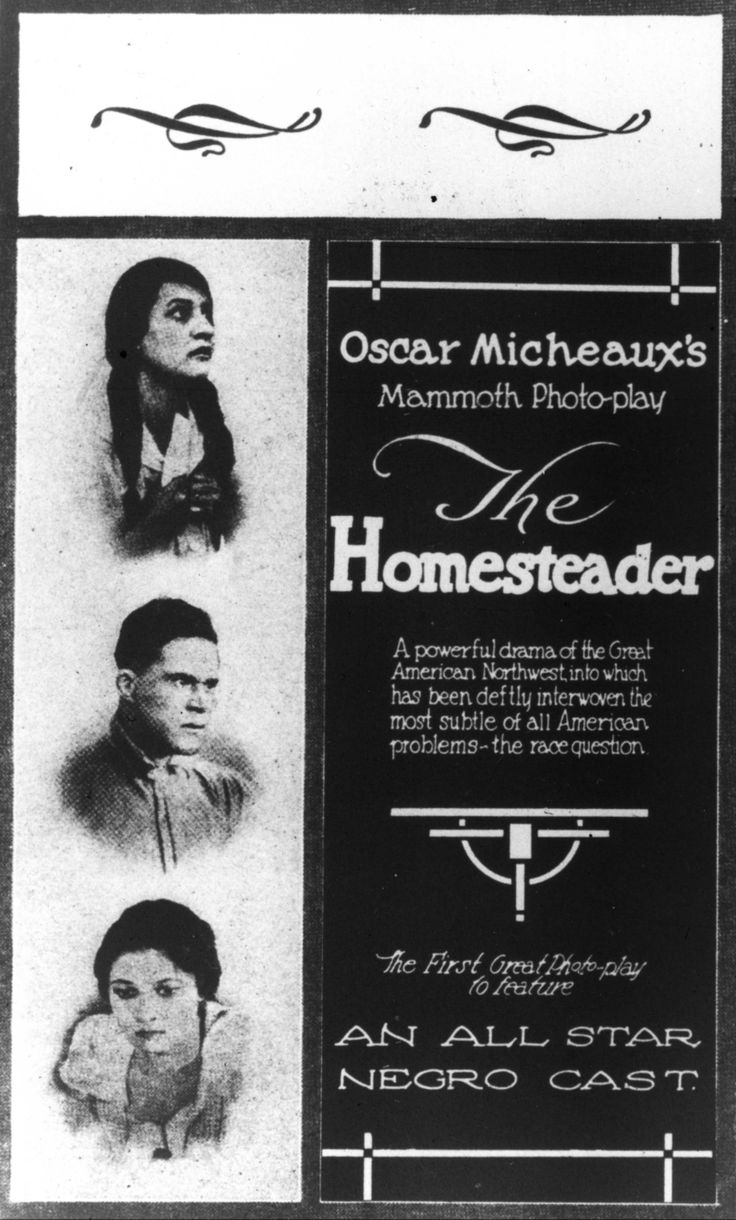
In the annals of American cinema, few figures loom as large, or as courageously, as Oscar Micheaux. His 1919 masterpiece, The Homesteader, stands not merely as a film, but as a declaration—a bold, unwavering assertion of Black identity and narrative agency in an era that systematically denied both. This wasn't just a motion picture; it was a cultural phenomenon, a self-financed, independently distributed epic that shattered conventions and laid the foundational bricks for an entire cinematic tradition. To discuss The Homesteader is to delve into the very genesis of Black filmmaking, a journey fraught with both artistic triumph and the arduous struggle against pervasive racial prejudice.
Micheaux, a former homesteader himself, poured his lived experiences and profound insights into the narrative, crafting a story that was as deeply personal as it was universally resonant. The film’s plot, a labyrinthine exploration of love, race, and societal hypocrisy, unfolds against the rugged, untamed backdrop of the Dakota frontier. It introduces us to Jean Baptiste, portrayed with a quiet dignity by Charles Lucas, a lone African American carving out a life amidst the vast emptiness. His solitude is broken by the arrival of Jack Stewart, a Scotsman, and his daughter, Agnes (Iris Hall), a young woman blissfully unaware of her biracial heritage. This initial encounter ignites a spark, a nascent love between Baptiste and Agnes, which is immediately, tragically, deemed 'forbidden' by the era's draconian racial codes. This premise alone, tackling interracial romance head-on in 1919, marks The Homesteader as a work of unparalleled audacity.
The characters in The Homesteader are not mere archetypes; they are complex individuals grappling with the crushing weight of external and internal pressures. Jean Baptiste emerges as a stoic, morally upright protagonist, a man of unwavering principle. His decision to sacrifice his love for Agnes, retreating to his own community to marry Orlean (Evelyn Preer), is born not of weakness, but of a profound, albeit painful, understanding of the societal strictures that would inevitably crush their happiness. This act of self-abnegation, while seemingly a step backward, is a testament to his character, highlighting the impossible choices faced by Black individuals navigating a racially stratified world.
Agnes, in her innocence, represents the tragic consequences of racial concealment and the arbitrary nature of racial classification. Her journey, culminating in the revelation of her true parentage, is a powerful commentary on the fluidity and often hidden complexities of identity. Iris Hall imbues Agnes with a vulnerability that makes her plight deeply sympathetic, a pawn in a game of societal prejudice she doesn't even comprehend.
However, it is perhaps in the character of Reverend McCarthy that Micheaux truly unleashes his most scathing critique. Portrayed as a man consumed by vanity, deceit, and hypocrisy, McCarthy is a magnificent villain, a figure of spiritual corruption cloaked in religious piety. His admiration for Baptiste, initially framed by the supposed 'richness' of the match with his daughter Orlean, quickly devolves into a desperate hunger for sycophantic praise. When Baptiste, a man of genuine temperament, refuses to indulge this base need, McCarthy's true, malevolent nature is revealed. This character serves as a stark reminder that not all oppression comes from outside forces; sometimes, it festers within the very communities meant to offer solace and support. His manipulation and persecution of Baptiste, aided by his equally malevolent daughter Ethel, expose the insidious dangers of unchecked ego and moral bankruptcy.
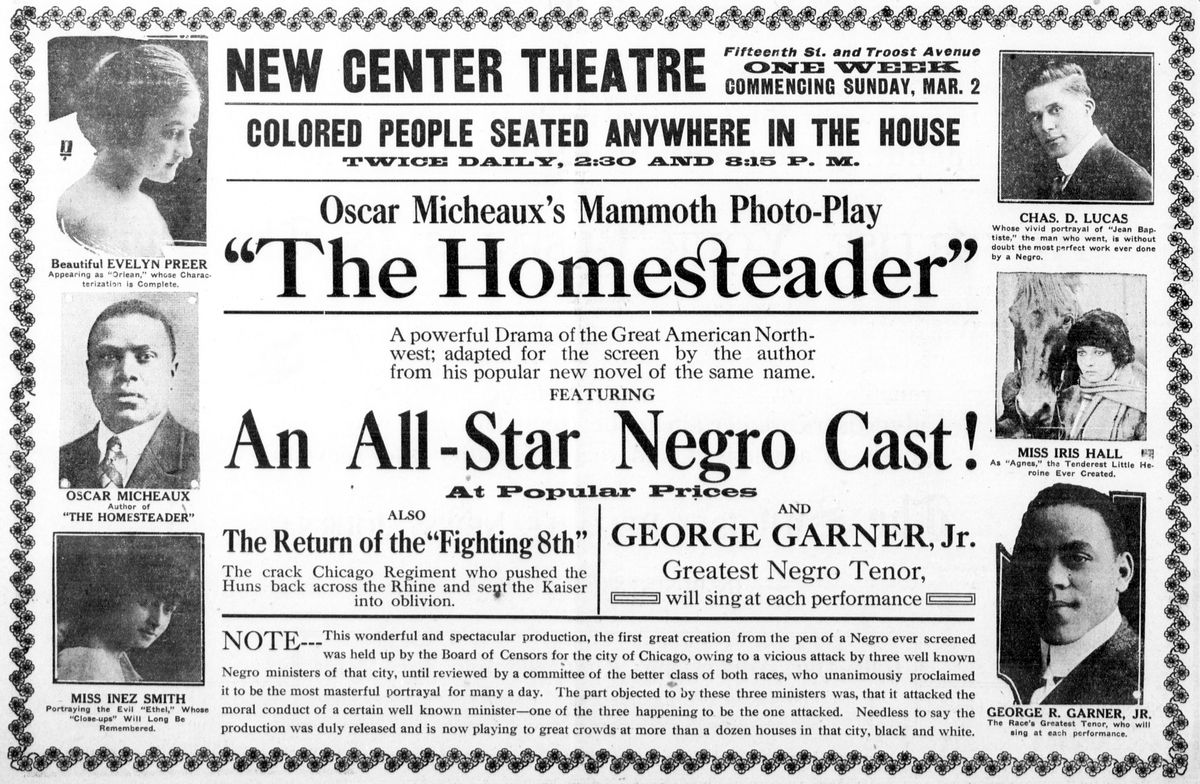
Orlean, on the other hand, is a profoundly tragic figure. Sweet, kind, and inherently good, she lacks the strength of conviction to resist her father's machinations, a flaw she shares with her mother. Evelyn Preer, a frequent collaborator with Micheaux, delivers a nuanced performance, portraying Orlean's descent into madness with heartbreaking sensitivity. Her eventual, albeit desperate, act of 'righting a wrong' is a poignant, almost operatic, moment of redemption, highlighting the devastating toll that sustained evil can take on an innocent soul. Her story is a powerful testament to the collateral damage inflicted by the machinations of the corrupt.
The Homesteader is a veritable tapestry of profound themes, interwoven with an intricate understanding of the human condition and the specific challenges of the Black experience in America. At its core, it grapples with the fluid and often arbitrary nature of racial identity. Agnes's story forces viewers to confront the absurdity of racial classifications, particularly when one's heritage is deliberately obscured. This theme resonates powerfully, challenging the very bedrock of a society obsessed with rigid racial lines.
The exploration of forbidden love is another groundbreaking aspect. Micheaux dared to depict an interracial romance at a time when such unions were not only socially condemned but legally prohibited in many states. This fearless portrayal underscores the film’s radical stance, pushing against the boundaries of what was considered acceptable discourse in mainstream cinema. While films like The Avenging Conscience might have explored moral dilemmas, they rarely, if ever, ventured into such racially charged territory.
Perhaps most incisive is Micheaux's unflinching critique of hypocrisy and moral corruption, particularly within the Black community itself. McCarthy is not a white oppressor but a Black leader, whose venality and self-serving ambition cause immense suffering. This internal critique was revolutionary, demonstrating Micheaux’s commitment to presenting a multifaceted, unvarnished depiction of Black life, acknowledging both its strengths and its vulnerabilities. This willingness to scrutinize internal failings, rather than solely focusing on external oppression, set Micheaux apart from many of his contemporaries and gives the film a timeless relevance.
The setting of the American frontier is not merely a backdrop but an active participant in the narrative. It represents both the promise of freedom and self-determination for Baptiste, and the harsh realities of isolation and societal judgment. The vastness of the Dakotas mirrors the vastness of the moral landscape Micheaux explores, a place where individuals must forge their own destinies, often against overwhelming odds.
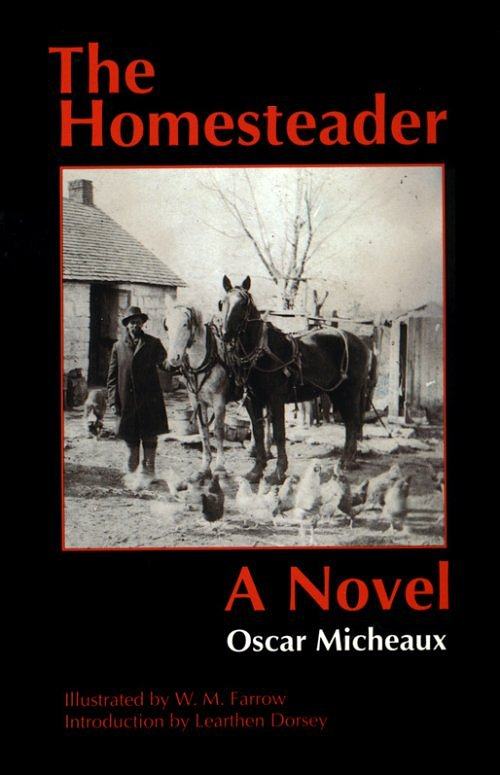
Oscar Micheaux’s approach to filmmaking was as pioneering as his subject matter. Operating entirely outside the nascent Hollywood studio system, he was a true independent, writing, directing, producing, and distributing his own films. This DIY ethos was born of necessity, but it also afforded him an unparalleled degree of creative control, allowing him to tell stories that Hollywood would never touch. His films were made for Black audiences, reflecting their lives, concerns, and aspirations, a stark contrast to the demeaning caricatures often found in mainstream productions of the era. While films like Such a Little Queen or The Artist's Model might have offered escapist fantasy, Micheaux grounded his narratives in a challenging social reality.
Technically, The Homesteader, like many early independent films, might appear raw or unpolished by modern standards. However, to judge it solely on its technical finesse would be to miss the forest for the trees. Micheaux prioritized narrative urgency and thematic depth over pristine cinematography or seamless editing. He understood that the power of his stories lay in their truthfulness and their ability to provoke thought and conversation. The acting, particularly from seasoned performers like Evelyn Preer and Charles D. Lucas, carries the emotional weight of the narrative, conveying complex feelings through the expressive physicality typical of the silent era. Preer's portrayal of Orlean's unraveling is particularly memorable, a testament to her profound talent.
The impact of The Homesteader cannot be overstated. As the first feature film directed by an African American, it carved a path for countless others, demonstrating the viability and necessity of Black cinematic voices. It proved that there was an audience eager for authentic representations of their lives, and that Black artists possessed the talent and vision to create them. Micheaux’s body of work, including this foundational piece, laid the groundwork for future generations of Black filmmakers and continues to inspire independent cinema worldwide. One could argue that without The Homesteader, the trajectory of American cinema, particularly in its representation of diverse experiences, would have been significantly different.
While films like Hamlet (1917) represented the pinnacle of dramatic adaptation in mainstream cinema, The Homesteader offered a different kind of drama—one rooted in contemporary social issues rather than classical literature. It was a film that spoke directly to its time, yet its themes of identity, prejudice, and the search for belonging remain profoundly relevant today. The film’s eventual, beautiful ending, with the revelation of Agnes’s true race and her reunion with Baptiste, provides a powerful, albeit hard-won, message of hope and the triumph of love over societal prejudice. It's a testament to Micheaux's unwavering optimism, even in the face of profound adversity.
In essence, The Homesteader is more than a historical artifact; it is a living document, a testament to the power of cinema as a tool for social commentary, cultural preservation, and artistic expression. It challenges us to look beyond superficial classifications, to question authority, and to champion the enduring human spirit. Oscar Micheaux, through this seminal work, didn't just tell a story; he ignited a movement, ensuring that the voices and experiences of a marginalized community would finally find their rightful place on the silver screen.

IMDb —
1922
Community
Log in to comment.