DbcultAccessing Vault...
6.1/10
Senior Film Conservator
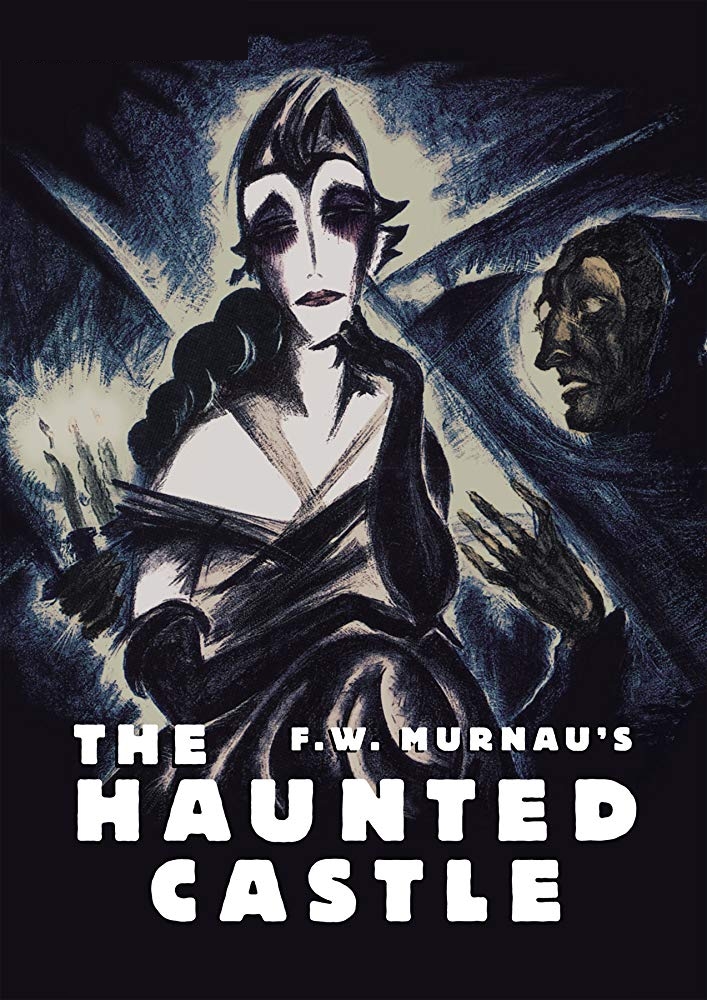
A definitive 6.1/10 rating for a film that redefined the boundaries of cult cinema. The Haunted Castle remains a cornerstone of transgressive art.
Somewhere between the first flicker of candlelight on wet stone and the moment a gloved hand locks a nursery door, The Haunted Castle stops being a quaint Weimar curio and becomes an uninvited guest inside your skull.
F.W. Murnau shot this 1921 chamber piece months before Nosferatu sucked the world’s blood supply, yet its DNA already throbs with the director’s later obsessions: intrusive architecture, carnivorous shadows, and the queasy suspicion that every aristocrat is either a corpse-in-waiting or the weapon that will make one. The film’s marketing tagline screamed “A detective story in the old castle!”—a come-on as deceptively quaint as the title itself. What unfurls across 75 minutes is less whodunit than who-has-not-yet-been-unmasked, a danse macabre where guilt is communal and innocence is merely the absence of opportunity.
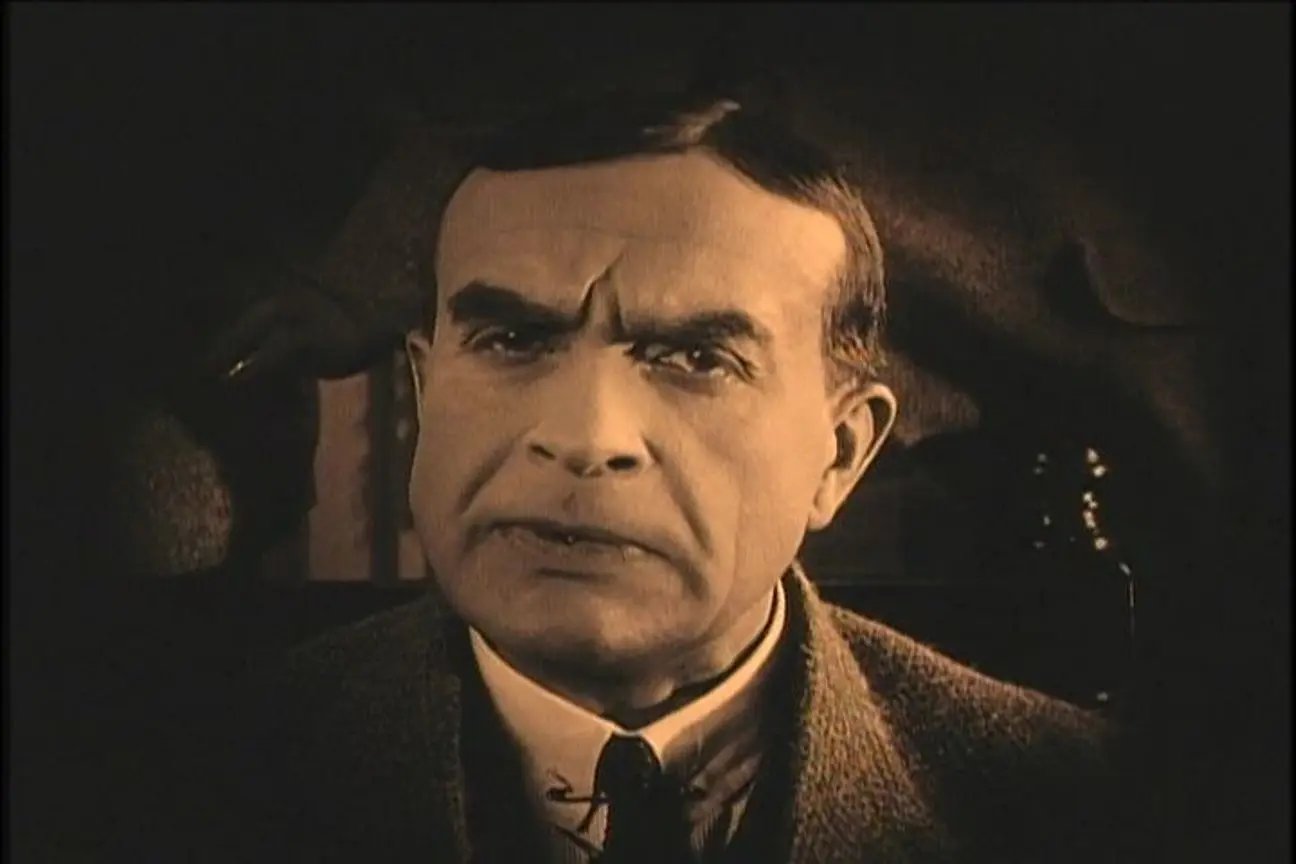
Vogeloed Castle—built from matte paintings, plywood arrogance, and whatever Bavarian fog the cinematographer could kidnap—functions as both mausoleum and interrogation lamp. Its hallways elongate when panic swells; its fireplaces roar only to illuminate the hollowness of heraldic pride. Into this mausoleum rolls Count Oetsch, astride a carriage that seems to arrive from an earlier century, possibly an earlier morality play. Paul Hartmann plays him with the swagger of a man who has already read the last page of the script and discovered his own survival; his monocle catches candlefire like a second, unblinking eye that refuses to look away from the audience.
The plot, adapted from Rudolf Stratz’s novel and sharpened by Caligari scribe Carl Mayer, is a Möbius strip of suspicion: every alibi loops back to bite its own tail. Three years prior, Baroness Safferstätt’s first husband was found in the pine barons outside the estate, a bullet through the aristocratic heart. Oetsch, the dead man’s brother, was the prime suspect but never indicted; now he crashes the widowed baroness’s second engagement weekend, promising to unmask the true culprit among the champagne flutes. The guests—finance-drunk counts, baronesses sheathed in mourning crepe, a pastor whose collar is as starched as his conscience is flimsy—recoil yet can’t exile him; protocol, that most Germanic of gods, demands civility even when the soup tureen might conceal a smoking pistol.
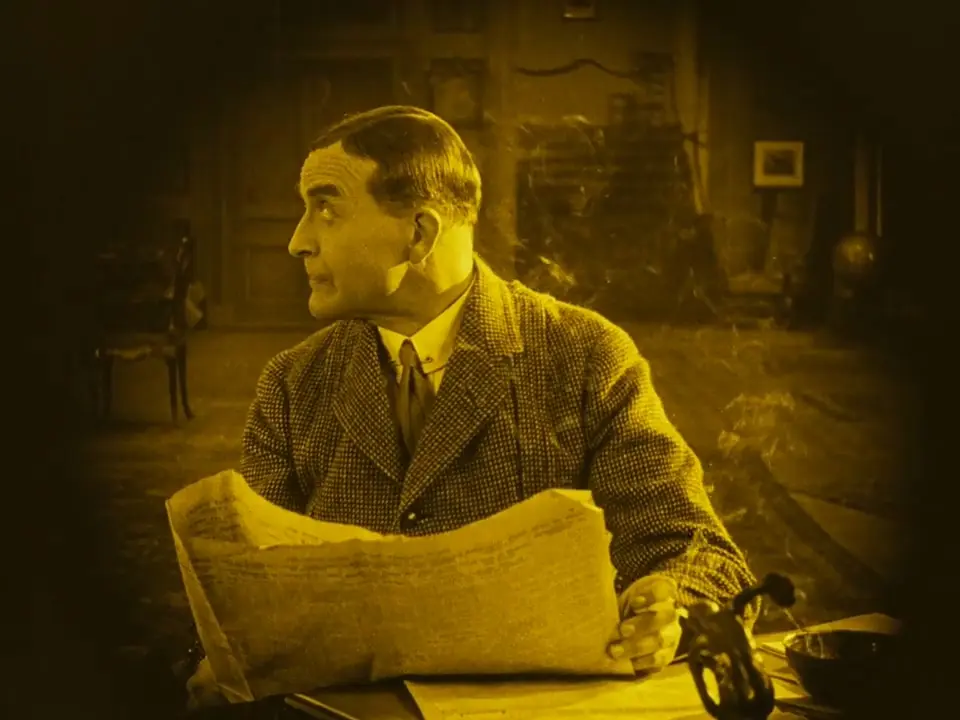
Murnau and cinematographer Fritz Arno Wagner shoot the castle interiors like a crime-scene diorama viewed through a keyhole. Light is never neutral: it skewers, caresses, indicts. When the baroness (Olga Tschechowa, all cheekbones and repressed tremor) descends a spiral staircase, her silhouette pools across the wall, a black bloom that swallows half the frame. The image anticipates the venetian-blind lattice work of 1940s noir by a full generation, yet here the shadows are not symbolic of societal rot but of ancestral sin calcified into architecture. Floors creak with the weight of centuries; curtains breathe as though the building itself is trying to cough up a confession.
Compare this to the garish wealth on display in Money Madness (1948) or the pastel artifice of Lucy Doraine probiert neueste Pariser Modelle bei Blanche (1922); Murnau’s monochrome dread feels closer to The Devil’s Playground (1937) in its conviction that luxury is merely violence wearing jewels.
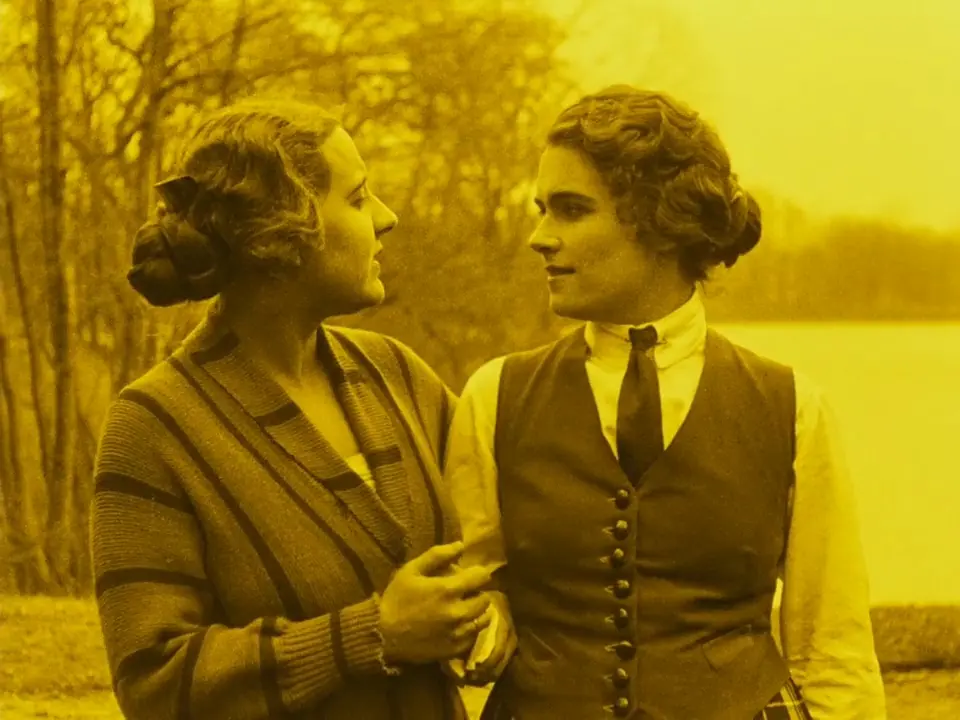
Paul Hartmann’s Oetsch struts through drawing rooms with the predatory leisure of a man convinced the world owes him both apology and applause. Watch the way he lifts a teacup: wrist angled so the porcelain catches the candle’s flare, a micro-dare for anyone to detect trembling guilt. Opposite him, Arnold Korff’s pastor delivers scripture like a lawyer parsing loopholes; his eyes flick toward the door whenever the conversation tilts toward damnation. Meanwhile, Lothar Mehnert—playing the baroness’s fiancé—carries himself with the brittle rectitude of someone who has mistaken social standing for moral armor; when that armor dents, his voice cracks like thin ice beneath a guilty footstep.
Special mention must go to Loni Nest as the child who witnesses more than she comprehends. Silent cinema often weaponized children as symbols of uncorrupted truth, yet Nest’s wordless stare is chilling precisely because it refuses catharsis; she clutches a wooden horse as though it were the last uncorrupted thing in a universe where adults barter souls over dinner.
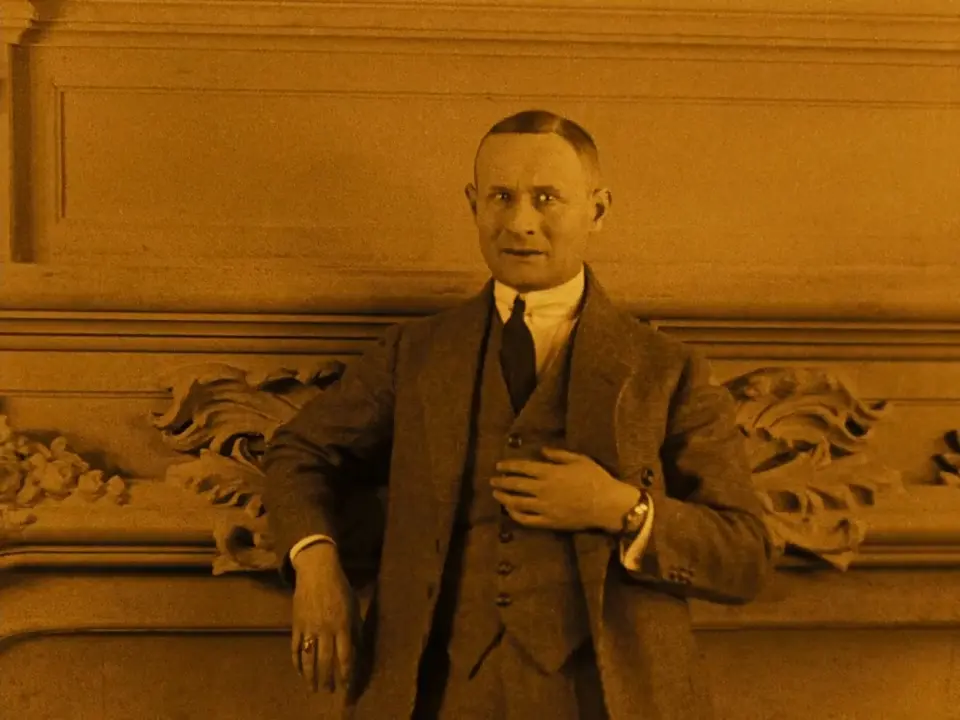
Genre historians routinely cite Agatha Christie’s 1920 novel The Mysterious Affair at Styles as the template for the country-house murder template, yet The Haunted Castle premiered a mere month later and displays the same toxic coterie of motives: inheritance anxiety, cuckoldry, blackmail letters, religious hypocrisy. Mayer’s intertitles (surviving prints retain German cards with crisp English subtitles) eschew expositional hand-holding; instead they drop gnomic hints like poisoned breadcrumbs: “Guilt has heavy boots but still tiptoes around questions,” reads one, superimposed over an empty corridor. The film trusts the audience to assemble the moral jigsaw, a courtesy modern franchises rarely risk.
And when the climactic confession arrives, it is staged not in the library with Colonel Mustard but in the castle’s ruined chapel, moonlight slicing through a shattered rose window to isolate the killer in a trembling lattice of stained-glass guilt. The moment feels closer to medieval passion play than Edwardian puzzle; Murnau’s camera ascends to the rafters as though the very roof wants to escape the stink of human treachery.
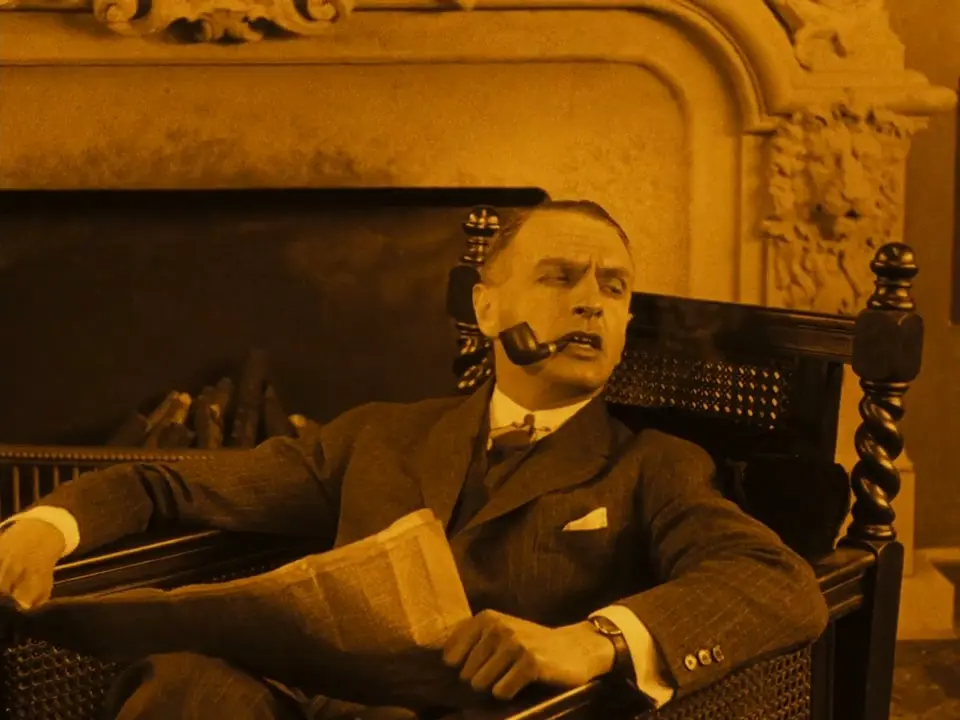
Viewers raised on jump-scare soundtracks may find the silence oppressive—no orchestral sting to telegraph danger, no crescendo to announce the killer’s footfall. Yet that vacuum amplifies ambient details: the hiss of a match, the metallic rasp of a sword cane, the soft thud of a body hitting Persian rugs. In this acoustic void, the castle’s architecture becomes percussion: doors groan like ship timbers, shutters clap like distant artillery. The absence of synchronized sound paradoxically heightens sensory realism; you hear with your bones.
For decades the film languished in fragmented 16 mm prints, mislabeled in archives as Schloss Vogeloed—a logistical ghost itself. A 4K restoration by the Friedrich-Wilhelm-Murnau-Stiftung in 2021 reassembled footage from three international sources, reinstating roughly four minutes of trim shots and a crucial close-up of the bloodied glove. The resulting Blu-ray, available stateside via Kino Classics, offers two scores: a historically informed chamber ensemble and a minimalist electronic track that pulses like distant thunder. Purists will prefer the acoustic quartet; synth skeptics should still sample both, because each refracts the film’s DNA in revealing ways.
Hitchcock screened the film privately in 1926 while storyboarding The Lodger; he later admitted the castle’s stairwell shadows inspired the famous chordal silhouette in Blackmail. Meanwhile, the closed-circle structure echoes through The Price of Pride (1928) and even the drawing-room machinations of Mister Smith fait l’ouverture (1930). Yet few descendants match Murnau’s existential chill; most opt for the safer mechanics of plot rather than the vertigo of moral uncertainty.
Because in an era when whodunits brandish celebrity cameos and CGI thunder, The Haunted Castle reminds you that the most lethal special effect is a human face caught between candlelight and shadow, unsure whether to confess or accuse. Because Murnau, even before he taught a vampire to walk, knew that every corridor eventually leads inward. Because the film’s closing image—a child’s toy rocking horse swaying beside an open window as snow drifts inside—lingers longer than any multimillion-dollar set piece crafted today.
Stream it. Pair with a dry Riesling and the uneasy awareness that your own walls, too, have ears.
IMDb —
1919
Community
Log in to comment.