DbcultAccessing Vault...
Cult Review
Senior Film Conservator
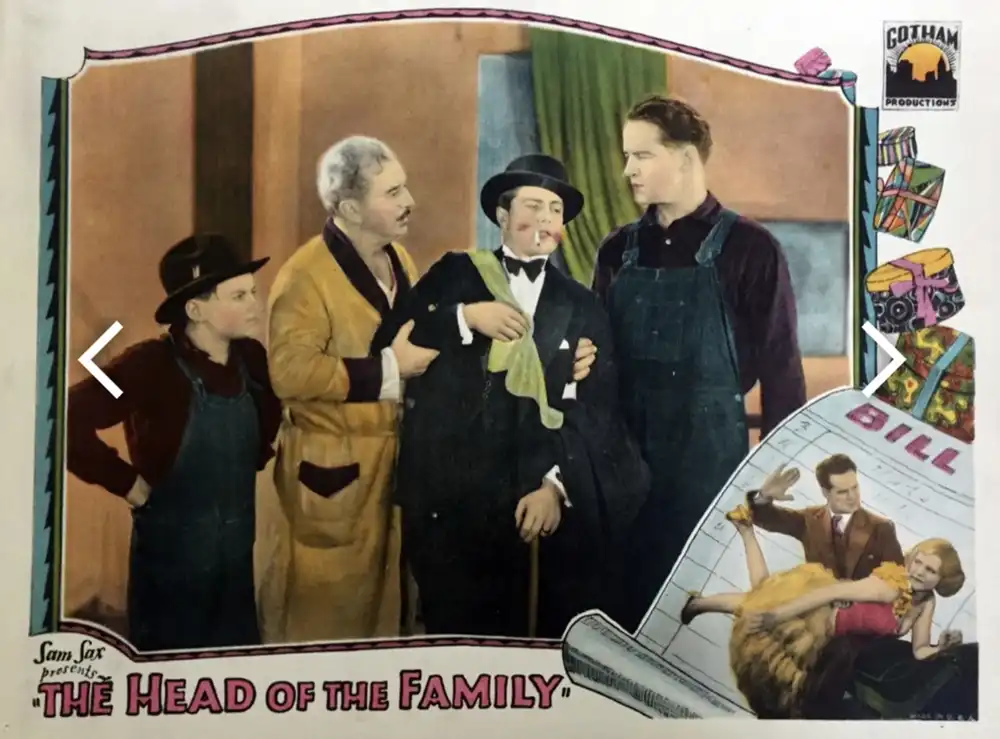
If you’re into the niche world of late-silent domestic comedies where everyone overacts their indignation, The Head of the Family is a decent enough way to spend an hour. It’s not a masterpiece, and honestly, if you can't stand the 'spoiled 1920s youth' trope, you’ll probably find the first twenty minutes unbearable. It’s for people who like seeing the social anxieties of the late 20s played out through frantic intertitles and people slamming ledgers onto mahogany desks.
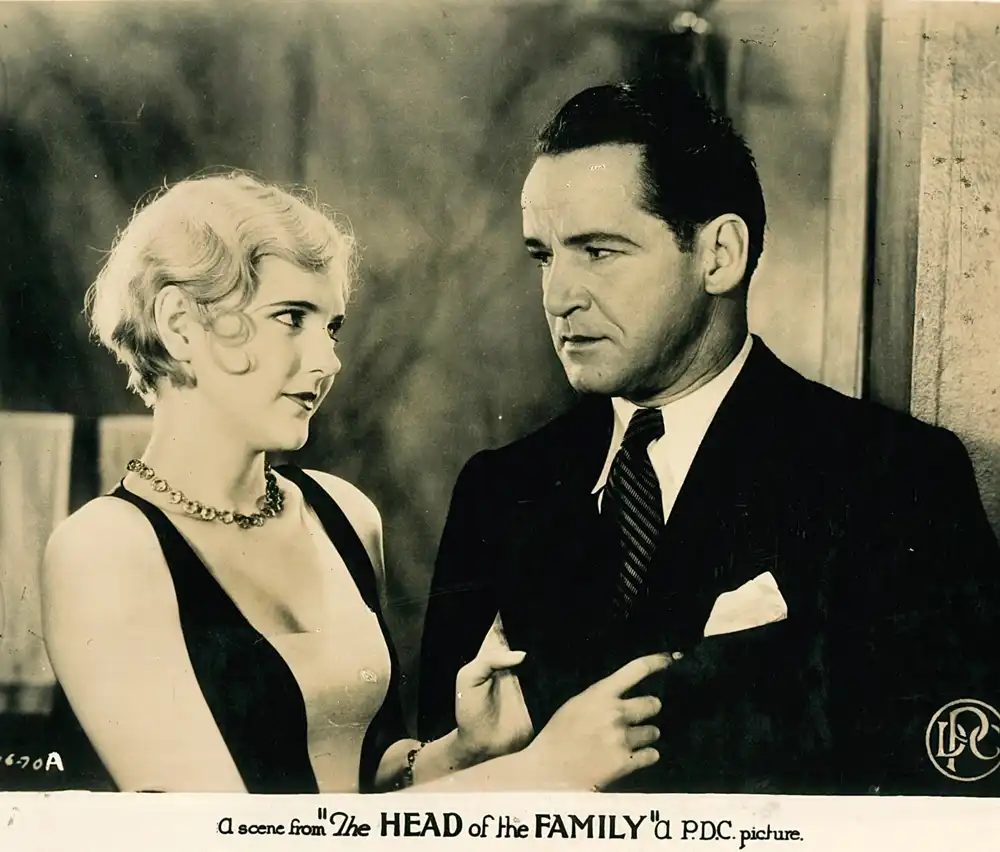
The whole thing hinges on William Russell as the father. For the first third of the movie, he looks like he’s about to have a physical collapse. His family—the wife and the two kids—treat him like a walking ATM. There is a specific shot early on where he’s sitting at the dinner table, and the camera just stays on his face while his family argues about money around him. You can see him hit a breaking point, but it’s not a subtle transition. He goes from 'sad sack' to 'corporate tyrant' in about three seconds of screen time.
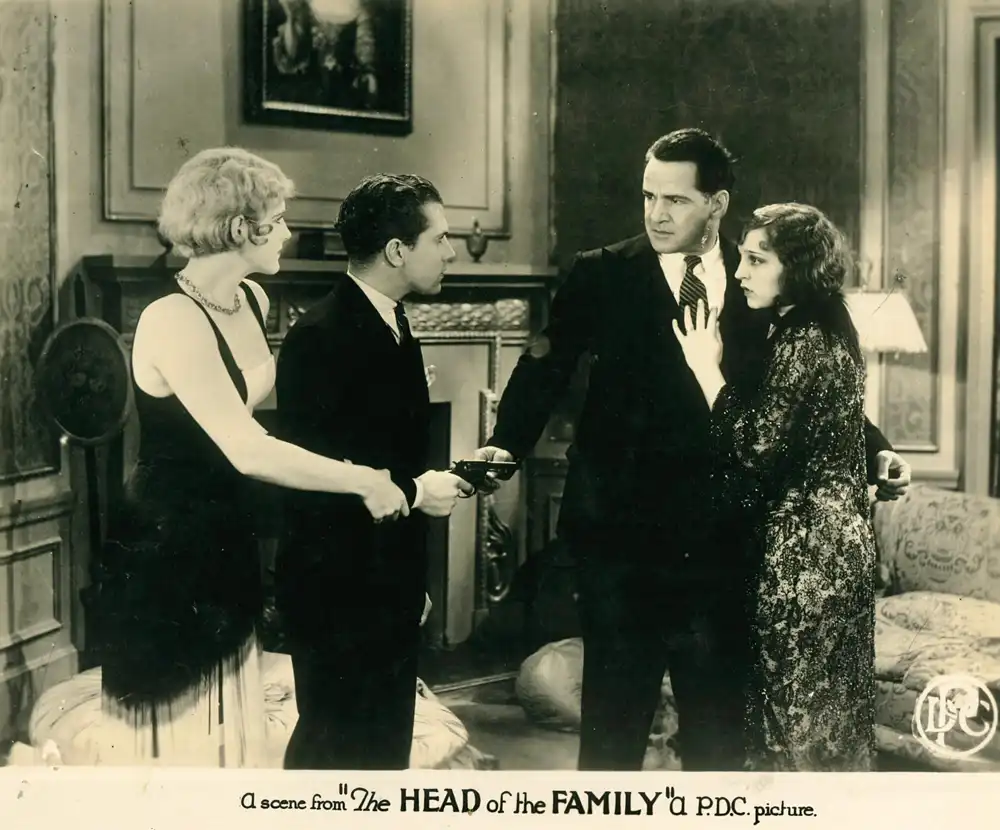
Once he decides to run the house like a business, the movie gets much weirder and, frankly, more entertaining. He makes his kids punch a time clock. He makes his wife submit requisitions for grocery money. It’s the kind of high-concept gag that would have been a sitcom pilot in the 50s, but here it has this frantic, silent-era energy. There’s a scene where the son, played by Mickey Bennett, tries to sneak out and gets caught in a way that feels like a rehearsal for a vaudeville act. Bennett has this very specific, slightly annoying 'rich kid' face that makes you actually root for the dad to be a jerk to him.
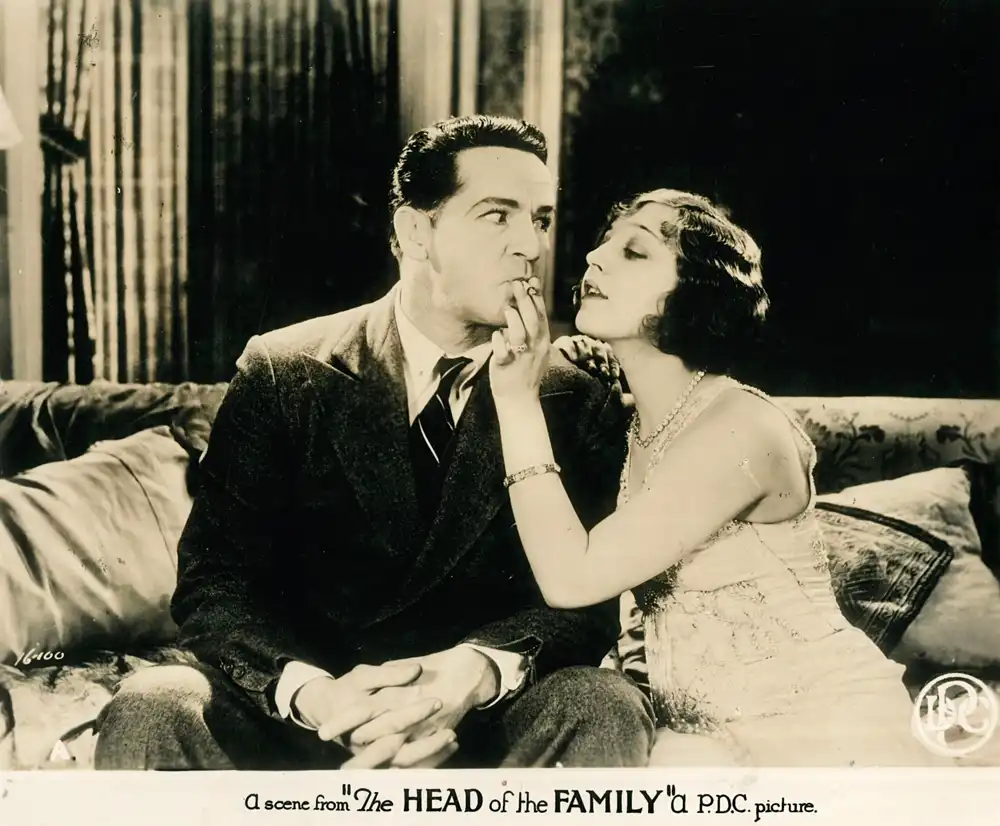
Virginia Lee Corbin plays the daughter, and she’s basically doing a variation of the flapper archetype we see in things like Hot Heels or even Stage Struck. Her outfits are incredible—very heavy on the sequins and the fringe—but her acting is mostly just pouting and throwing her hands up. It works for the character, I guess, but it makes the 'redemption' arc at the end feel a bit unearned. One minute she’s a nightmare, the next she’s a dutiful daughter because her dad shouted at her in an office.
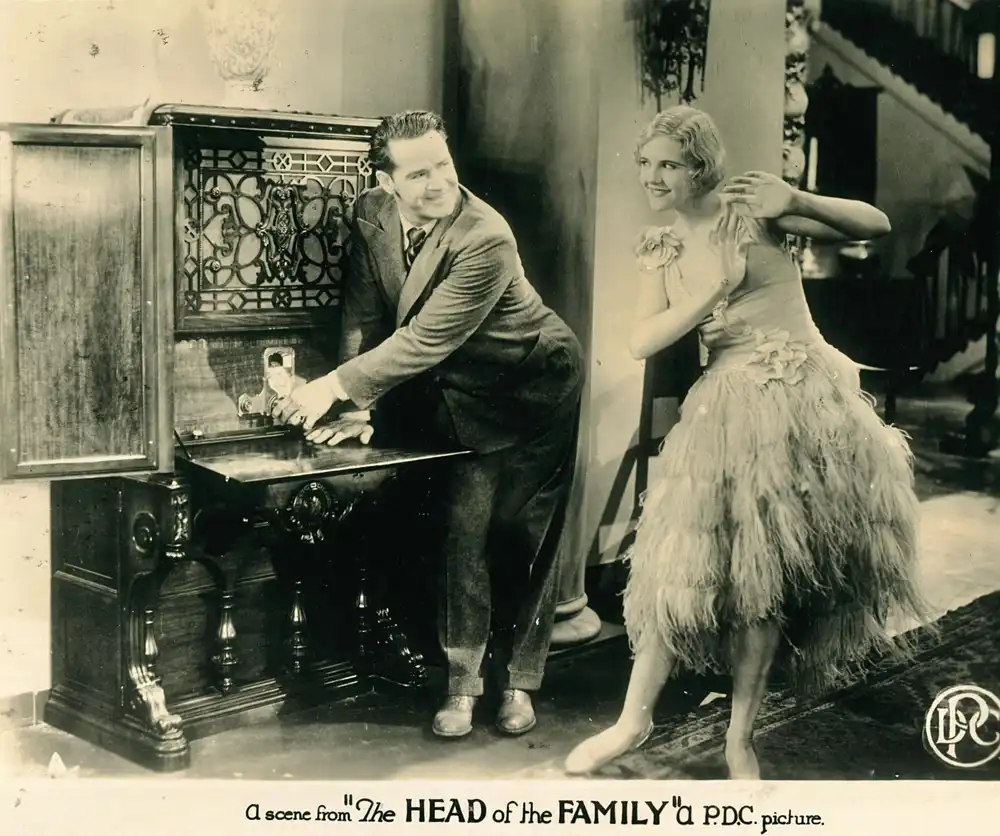
The pacing is a bit of a mess. The middle section where they show the new 'rules' of the house drags on for about ten minutes too long. We get it: they have to sign forms now. There are only so many shots of paper being stamped that a person can find funny. It lacks the snappy rhythm you find in something like Beware of Married Men, which handles domestic friction with a bit more grace.
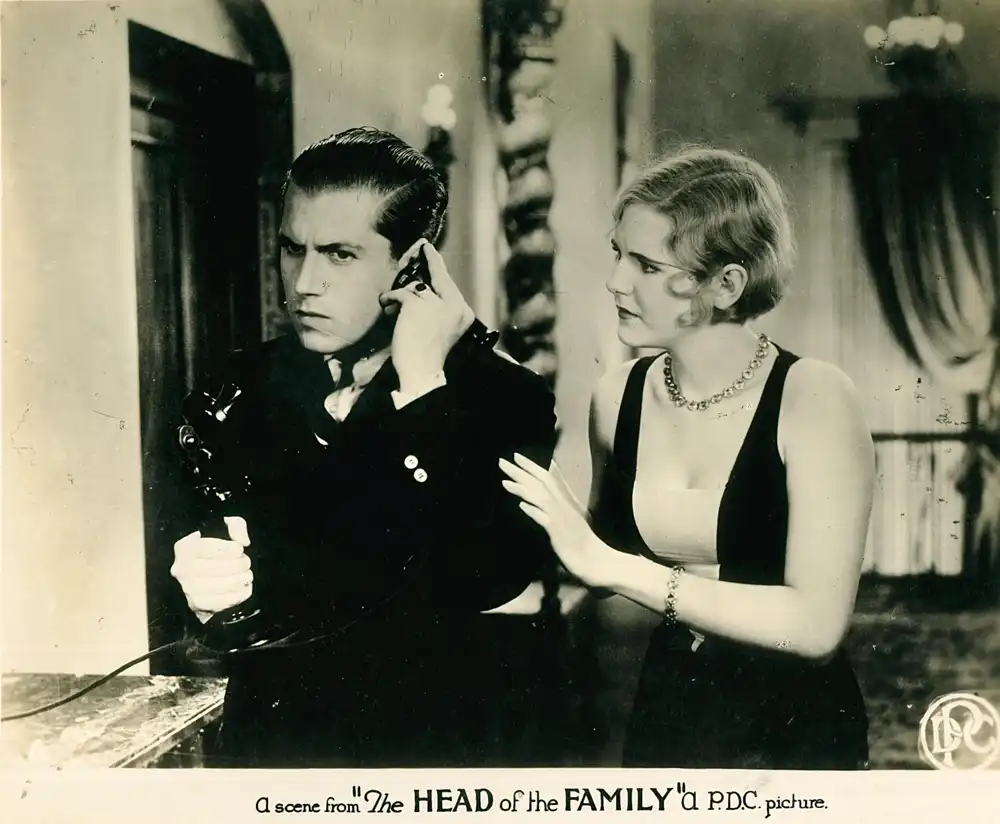
I did notice a strange bit of set design in the father's 'home office.' There’s a painting on the back wall that is slightly crooked in every single shot of that room. Once you see it, it’s impossible to look at anything else. You wonder if the set dresser did it on purpose to show the dad’s internal chaos, or if someone just bumped it during lighting and nobody cared enough to fix it. It’s those little imperfections that make these late silents feel more 'real' than the over-polished stuff that came later.
The ending is exactly what you expect. Everyone learns a lesson about the value of a dollar, and the family unit is restored through the magic of corporate discipline. It’s a bit of a weird message if you think about it too hard—that a father should be a CEO first and a parent second—but as a piece of 1928 entertainment, it’s a fun relic. It’s definitely better than some of the more stuffy dramas from the same year, like Sealed Lips, mostly because it doesn't take itself quite as seriously once the 'business' gimmick starts.
Watch it for the costumes and the weirdly intense performance by William Russell. Skip it if you’re looking for something with actual emotional depth. It’s a movie about a guy who buys his family’s love by being a manager, and it’s just as cynical and funny as that sounds.

IMDb 4.4
1932
Community
Log in to comment.