DbcultAccessing Vault...
3.9/10
Senior Film Conservator
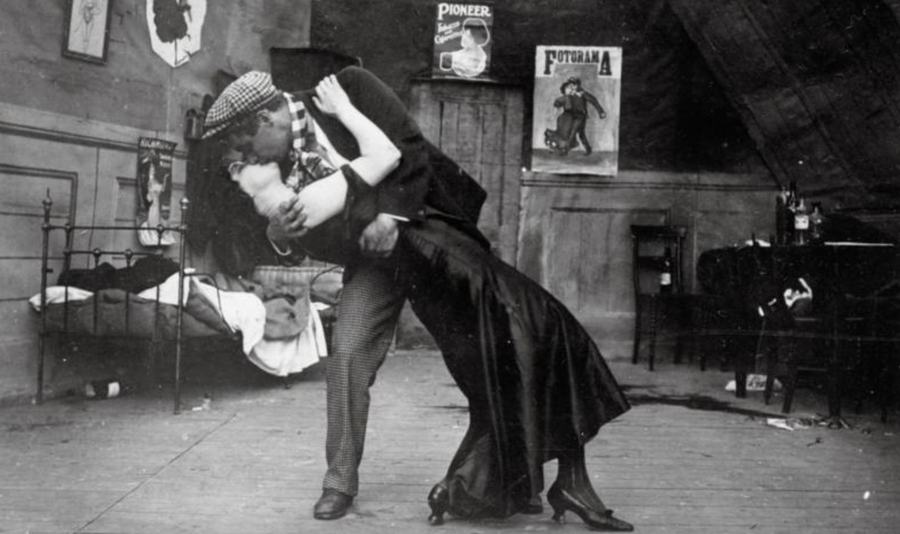
A definitive 3.9/10 rating for a film that redefined the boundaries of cult cinema. Ansigttyven I remains a cornerstone of transgressive art.
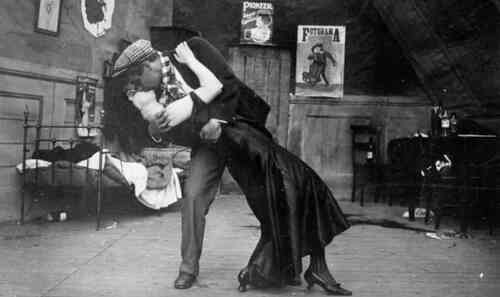
Ansigttyven I, a 1910 Danish film, is a masterful exploration of the human condition, delving into the complexities of identity, class, and social status. The story begins with Consul Bjørn, a man of prominence, receiving an urgent call to attend a company meeting in the city, leaving his wife Ingeborg alone in their villa. This sudden departure creates an opportunity for a lurking thief, who has been watching the house, to break in through a window. Upon entering, the thief's eyes fall upon a large portrait of the consul, and he becomes fascinated by the resemblance between himself and the subject of the portrait. This fascination sparks an idea, and the thief decides to impersonate the consul, setting off a chain of events that will challenge the very fabric of the consul's life and relationships.
As the thief navigates his new role, he must confront the complexities of the consul's life, including his relationships with his wife and colleagues. The film raises important questions about the nature of identity and how it is perceived by others. The thief's impersonation of the consul serves as a commentary on the social conventions of the time, highlighting the ease with which one's identity can be assumed and the consequences that follow. The film's use of dark orange tones and yellow hues adds a sense of warmth and depth to the narrative, while the sea blue undertones evoke a sense of melancholy and introspection.
In comparison to other films of the era, such as Birmingham and The Corbett-Fitzsimmons Fight, Ansigttyven I stands out for its thoughtful exploration of the human condition. The film's themes and motifs are reminiscent of Reproduction of the Corbett and Fitzsimmons Fight, which also explores the idea of identity and performance. However, Ansigttyven I delves deeper into the psychological aspects of impersonation, creating a sense of tension and unease that keeps the viewer engaged.
The film's cinematography is also noteworthy, with a blend of dark orange and yellow tones that adds a sense of warmth and depth to the narrative. The use of sea blue undertones creates a sense of melancholy and introspection, drawing the viewer into the world of the film. The cinematography is reminiscent of Jeffries-Sharkey Contest, which also features a blend of warm and cool tones. However, Ansigttyven I uses these tones to create a more introspective and contemplative atmosphere, drawing the viewer into the world of the film.
In conclusion, Ansigttyven I is a thought-provoking film that explores the complexities of identity, class, and social status. The film's use of dark orange, yellow, and sea blue tones adds a sense of depth and warmth to the narrative, while the cinematography creates a sense of tension and unease. The film is a must-see for fans of early cinema and those interested in exploring the human condition. For more information on Ansigttyven I and other films from the era, be sure to check out A Procissão da Semana Santa and O Campo Grande, which offer a glimpse into the early days of cinema and the themes that defined the era.

IMDb 5.8
1924
Community
Log in to comment.