DbcultAccessing Vault...
6.7/10
Senior Film Conservator
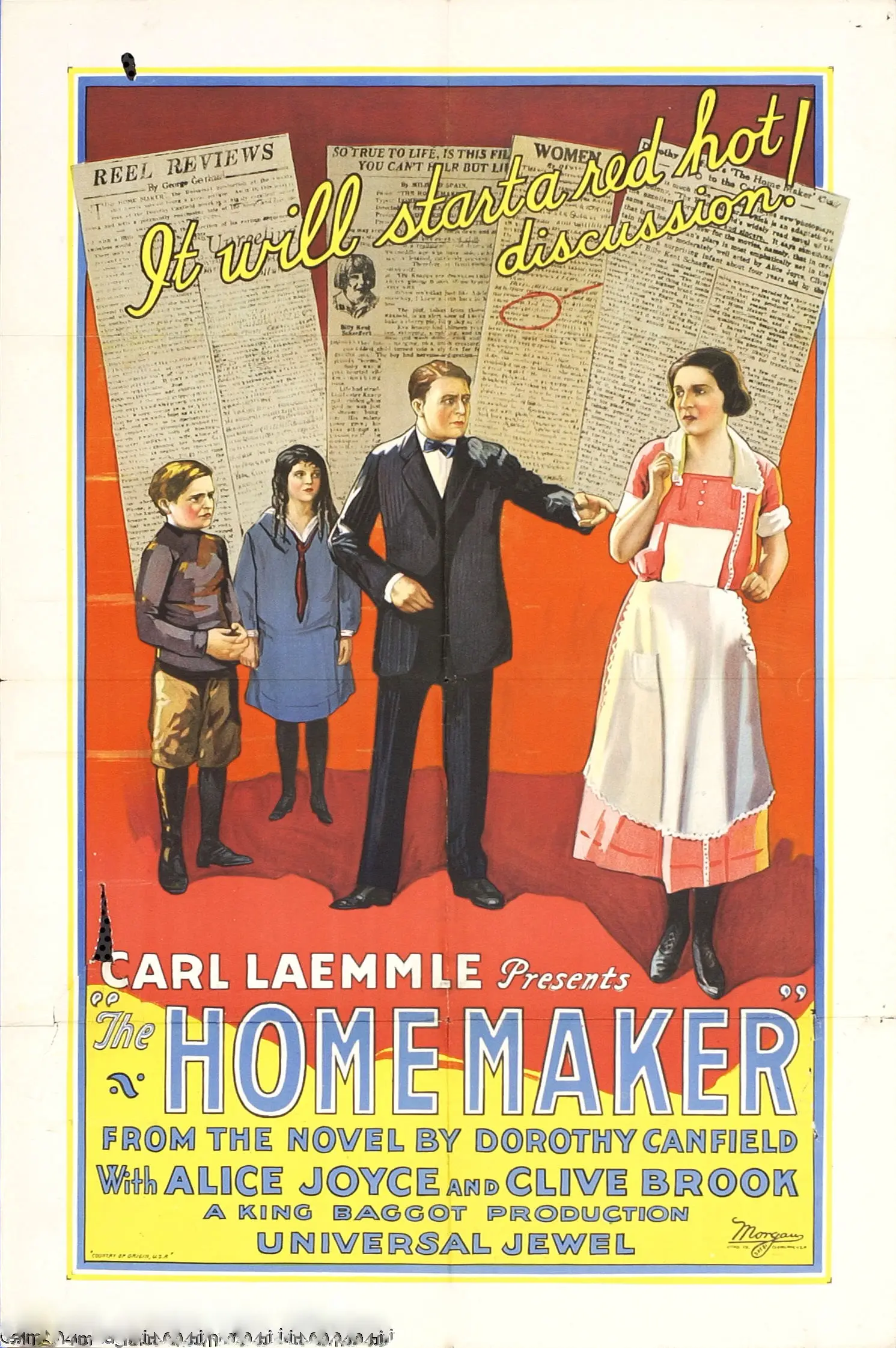
A definitive 6.7/10 rating for a film that redefined the boundaries of cult cinema. The Home Maker remains a cornerstone of transgressive art.
The Home Maker, a 1925 film directed by Mary O'Hara and Dorothy Canfield, is a cinematic endeavor that warrants attention for its bold narrative and thematic exploration. At its core, the film chronicles the life of a man whose existence seems to be unraveling. He's ensnared in a job that has lost its meaning, a situation exacerbated by being overlooked for a promotion. The crescendo of pressures eventually leads him to attempt suicide, an act that, in a twist of fate, leaves him crippled rather than deceased.
This pivotal moment in the narrative serves as a catalyst for the protagonist's journey into uncharted territory. Forced to abandon his professional life, he assumes the role of a househusband. This transition is not merely a plot device but a vehicle for exploring themes of identity, marital dynamics, and the societal constructs that govern our lives. The film adeptly navigates these complex issues, presenting a nuanced portrayal of a man finding solace and purpose in domesticity.
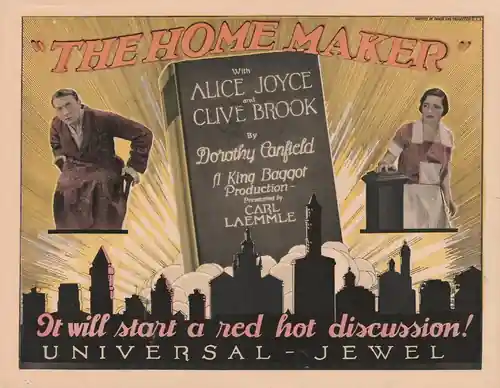
However, the tranquility of his newfound role is short-lived. The dynamics of his marriage are significantly altered when his wife secures employment at his former company. Her rapid ascension through the corporate ladder introduces a new layer of complexity to their relationship, raising questions about power dynamics, personal fulfillment, and the impact of professional success on marital harmony. This subplot serves as a compelling commentary on the evolving roles within a marriage and the challenges that accompany such shifts.
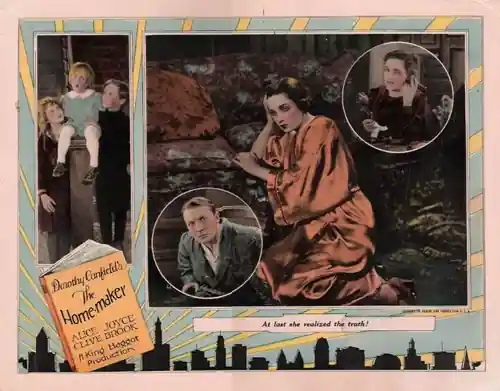
The performances of the cast, including Clive Brook and Julie Bishop, are noteworthy, bringing depth and authenticity to the narrative. Their portrayal of a couple navigating the intricacies of their relationship adds a layer of realism to the film, making the thematic explorations more relatable and impactful.
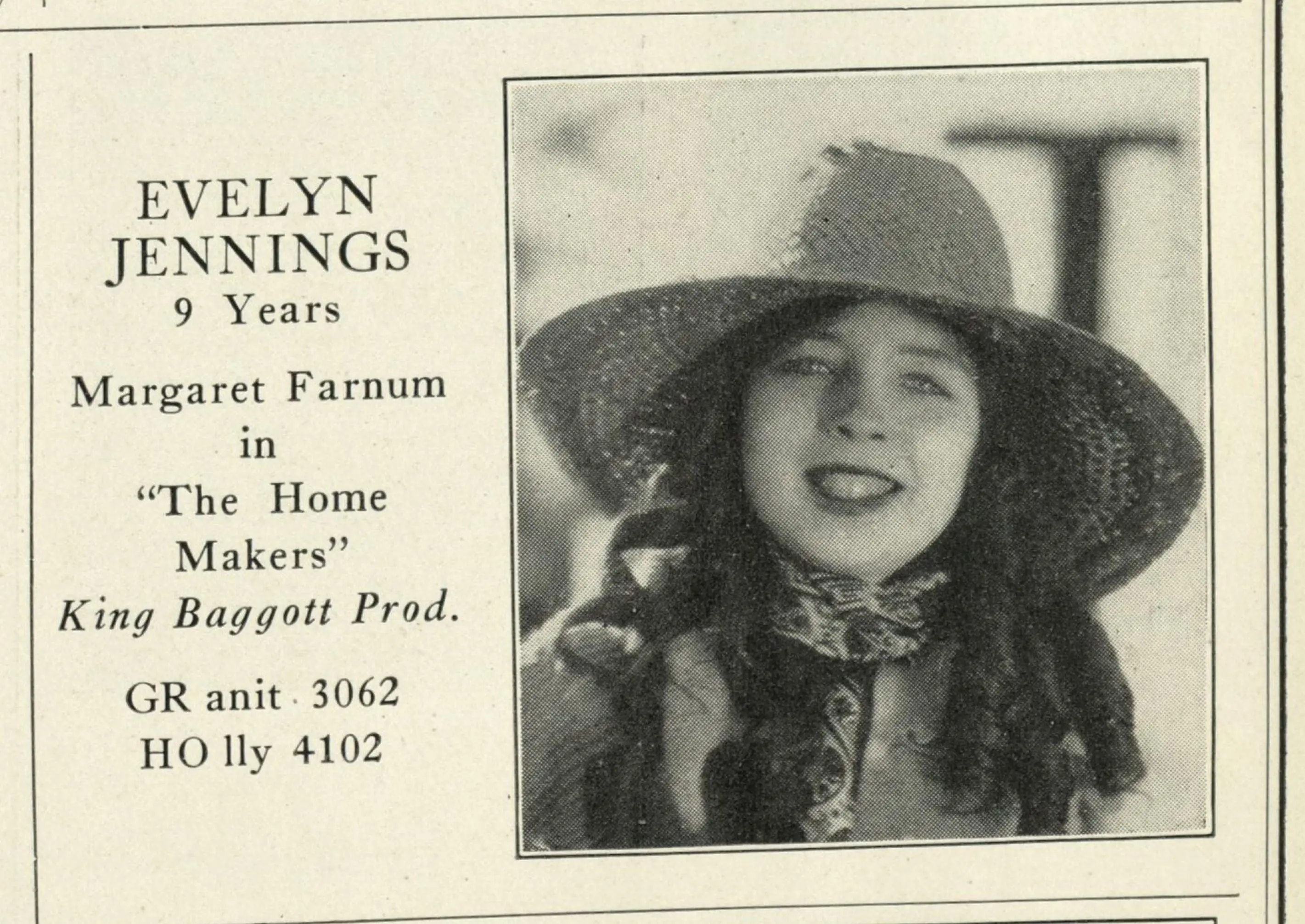
In analyzing The Home Maker, it's essential to consider it within the context of its time and in comparison to other films that explore similar themes. Unlike Footlights, which focuses on the theatrical world, or The Heart of Jennifer, which delves into personal relationships, The Home Maker offers a unique perspective on marital roles and personal identity. It's also distinct from Man's Plaything and Why Elephants Leave Home, as it avoids simplistic resolutions or exotic narratives, instead opting for a grounded exploration of everyday life.
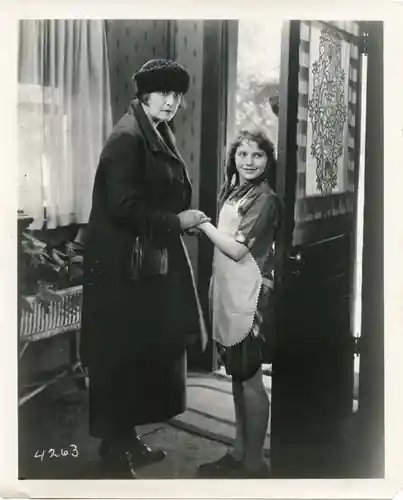
The film's direction, a collaborative effort by Mary O'Hara and Dorothy Canfield, deserves accolades for its handling of sensitive topics. The narrative avoids didacticism, instead presenting a balanced view of the challenges faced by the protagonist and his wife. This approach allows the audience to engage with the themes on a deeper level, fostering a more meaningful connection with the characters' experiences.
Upon reflection, The Home Maker emerges as a significant work in the history of cinema. Its exploration of identity, marriage, and societal expectations continues to resonate with audiences today. The film's ability to tackle complex themes with sensitivity and nuance makes it a compelling watch for those interested in character-driven narratives and thoughtful storytelling.
In conclusion, The Home Maker is a film that warrants attention for its bold narrative, thematic exploration, and the performances of its cast. It's a cinematic endeavor that not only reflects the societal context of its time but also offers insights that remain relevant today. For viewers interested in films that challenge conventional narratives and explore the human condition, The Home Maker is an excellent choice.
IMDb —
1922
Community
Log in to comment.