DbcultAccessing Vault...
Cult Review
Senior Film Conservator
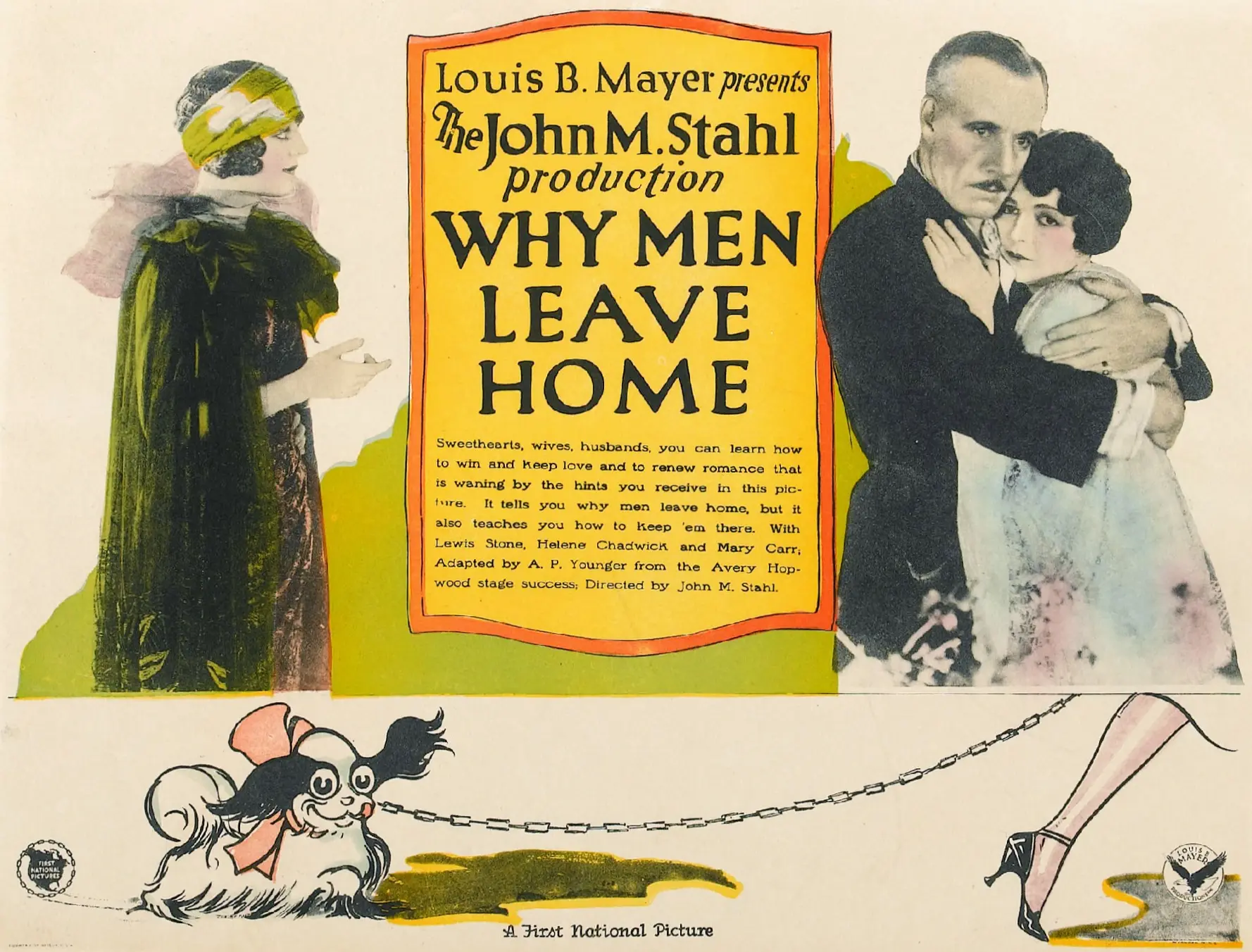
The cinematic landscape of 1924 was one of profound transition, caught between the lingering Victorian sensibilities of the previous century and the burgeoning hedonism of the Jazz Age. In this volatile cultural climate, Why Men Leave Home emerges not merely as a bedroom farce, but as a piercing sociological examination of the fragile bonds of matrimony. Directed with a keen eye for the absurdities of human behavior, the film dissects the anatomy of a failing marriage with a precision that feels uncomfortably modern. We are introduced to the Emersons, a couple whose initial passion has been slowly eroded by the mundane rhythms of daily life. John Emerson, played with a nuanced blend of frustration and vulnerability by Lewis Stone (though often overshadowed by the comedic timing of William V. Mong), represents the quintessential 1920s professional—a man whose identity is increasingly tied to the office rather than the hearth.
"The film operates on a level of olfactory betrayal that predates the visual explicitness of modern cinema, using the simple scent of perfume to dismantle a social contract."
The narrative architecture, penned by the prolific Avery Hopwood and Andrew Percival Younger, relies on the trope of the 'neglected wife' and the 'distracted husband,' yet it elevates these archetypes through a series of escalating complications. Irene Emerson (Helene Chadwick) is not a passive victim; her turn toward her female friends is a reactive attempt to reclaim a sense of self-worth that John has inadvertently stripped away. This social divergence creates the vacuum into which Jean Ralston, the secretary, steps. Alma Bennett’s portrayal of Jean is a masterclass in the 'vamp' aesthetic—a role that was becoming a staple of the era, yet here it serves a specific structural purpose. She is the physical manifestation of John’s professional life encroaching upon his personal sanctity.
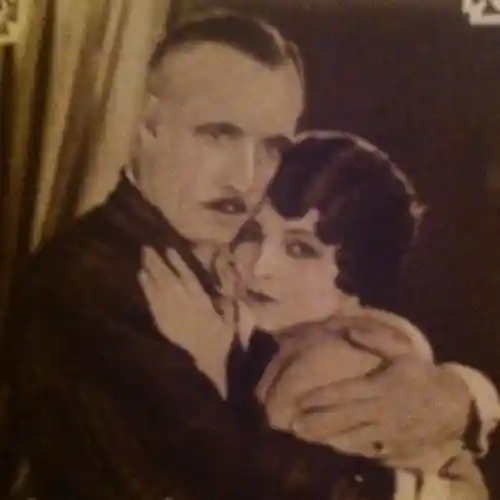
One of the most compelling aspects of the film is its reliance on sensory cues that the audience cannot actually experience. When John returns home smelling of Jean’s perfume, it is a moment of high drama that transcends the silent medium. The audience must imagine the cloying, invasive scent that signifies infidelity. This device is far more effective than a visual discovery of a letter or a photograph; it suggests an intimacy that has permeated John’s very being. The divorce that follows is handled with a surprising lack of melodrama, reflecting perhaps the growing societal acceptance—or at least the increasing frequency—of marital dissolution in the post-war world. It is a stark contrast to the more whimsical approach seen in films like Why Smith Left Home, which tackled similar themes with a lighter touch.
The subsequent marriage between John and Jean is portrayed as a hollow victory. The film suggests that the allure of the 'other woman' is often predicated on the forbidden nature of the relationship; once Jean is installed as the new Mrs. Emerson, the excitement evaporates, replaced by the same domestic drudgery that John sought to escape. This cynical view of human desire is a hallmark of Hopwood’s writing, which often sought to puncture the romantic illusions of his audience. The film shares a certain DNA with A Flirt There Was, in its exploration of the fickle nature of attraction.
Enter Grandma Sutton, played with a delightful, calculating wit by Mary Carr. Her intervention is the pivot point upon which the film’s second half turns. By manufacturing a quarantine, she creates a laboratory environment where John and Irene are forced to confront one another without the distractions of their social circles or their new, ill-fated partners. This plot point is a brilliant subversion of the 'locked room' mystery; instead of a crime being committed, a relationship is being reconstructed. The quarantine acts as a metaphorical purgatory, a space where the characters must shed their pretenses and face the raw reality of their lingering affection.
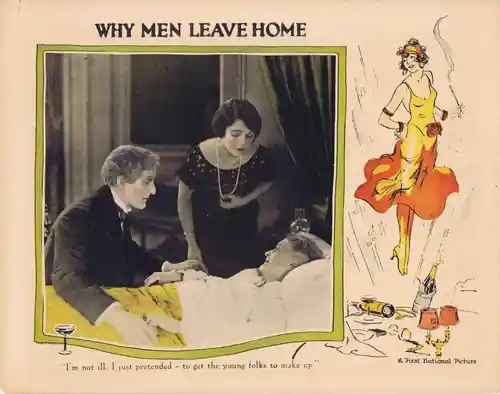
The physical comedy that ensues during this period of forced proximity is handled with a deftness that prevents the film from descending into pure slapstick. The interactions between the former spouses are tinged with a bittersweet recognition of what they once had. It is here that the film’s lexical diversity—if one can apply such a term to visual storytelling—is most apparent. The range of emotions displayed by Chadwick and Stone moves from icy disdain to tentative warmth, and finally to a passionate rekindling. The use of space within Grandma Sutton's house is expertly choreographed, emphasizing the shrinking distance between the two leads.
Technically, Why Men Leave Home is a product of its time, yet it exhibits a sophisticated understanding of pacing. The cinematography, while largely static in keeping with the era’s conventions, utilizes close-ups to great effect, capturing the subtle shifts in expression that signal the characters' internal transformations. When compared to more action-oriented fare like The Blue Streak or the rugged individualism of The Brute Breaker, this film is a quiet, psychological chamber piece. It doesn't need the spectacle of a circus—as seen in Join the Circus—to hold the viewer's attention; the stakes are purely emotional, yet they feel monumental.
The writing of Andrew Percival Younger deserves special mention. Younger had a knack for grounding Hopwood’s more theatrical elements in a relatable reality. While Hopwood provided the spark of wit and the farcical structure, Younger ensured that the characters felt like flesh-and-blood individuals rather than mere caricatures. This collaboration resulted in a film that feels more grounded than many of its contemporaries, such as the somewhat more fantastical Up in the Air or the genre-bending Les frères corses.
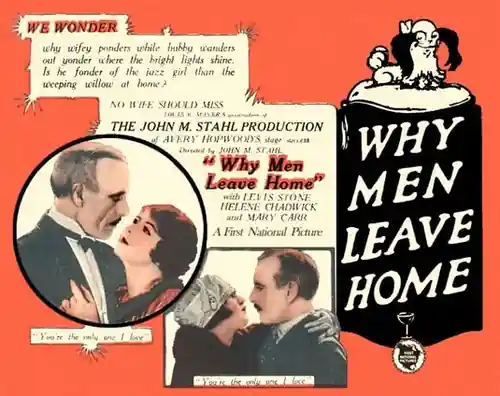
The resolution of the film—John divorcing Jean and remarrying Irene—might seem like a convenient 'happy ending,' but it carries a weight of hard-won wisdom. The 'second honeymoon' is not a return to innocence, but a conscious choice to enter into a new contract with eyes wide open. The film suggests that marriage is not a static state of being, but a dynamic process that requires constant maintenance and, occasionally, a radical intervention. It’s a message that resonates even today, long after the silent era has faded into history.
The inclusion of cast members like Hedda Hopper adds a layer of meta-textual interest for modern viewers. Hopper, who would later become one of Hollywood’s most feared gossip columnists, here plays a role within the very social fabric she would later spend her career dissecting. Her presence reminds us of the interconnectedness of the early Hollywood studio system, a world where the lines between performance and reality were often blurred. This film, in many ways, is a precursor to the sophisticated 'comedies of remarriage' that would dominate the 1930s and 40s, providing a blueprint for how to navigate the complexities of adult relationships on screen.
In the broader context of 1920s cinema, Why Men Leave Home stands as a testament to the power of the domestic drama. While it lacks the international scope of a film like Dzhymmi Hihhins or the cultural specificity of Iwami Jûtarô, its focus on the universal themes of neglect, temptation, and redemption gives it a timeless quality. It is a film that rewards close viewing, offering a rich tapestry of social commentary hidden beneath its farcical exterior. Whether one views it as a cautionary tale or a romantic comedy, it remains a vital piece of cinematic history, a window into a world where the scent of a secretary’s perfume could bring a household to its knees.
Ultimately, the brilliance of this 1924 gem lies in its refusal to offer easy villains. John is not a monster; he is a man who has lost his way in the labyrinth of professional ambition. Irene is not a saint; she is a woman whose search for validation leads her away from the very person she loves. Even Jean Ralston is portrayed more as a symptom of a systemic marital failure than a malicious home-wrecker. By humanizing all parties involved, the film achieves a level of emotional complexity that was rare for its time. It is a sophisticated, witty, and ultimately hopeful look at the endurance of love in the face of domestic entropy. For those interested in the evolution of the romantic comedy, or simply for those who appreciate a well-told story of human folly, Why Men Leave Home is essential viewing.
IMDb 6.1
1923
Community
Log in to comment.