DbcultAccessing Vault...
Cult Review
Senior Film Conservator
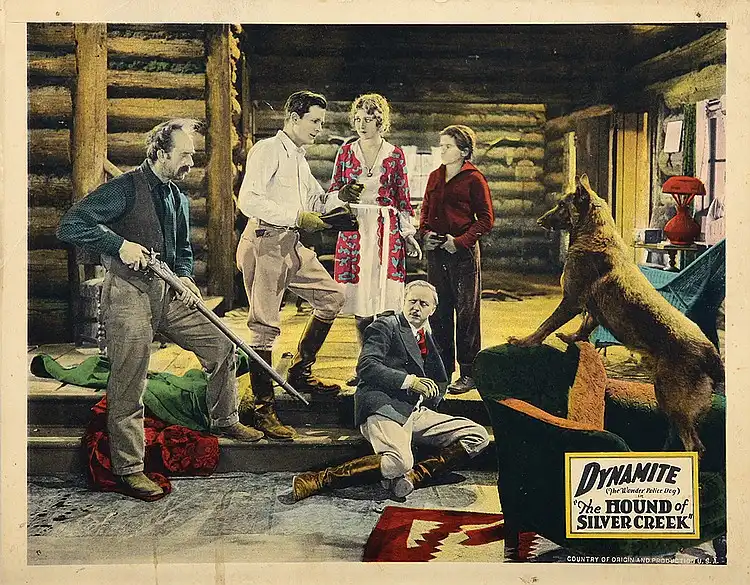
If you are looking for a masterpiece of silent cinema, keep moving. But if you have a soft spot for the era of the 'wonder dog,' The Hound of Silver Creek is a weirdly charming, if slightly clunky, relic. It is worth a watch if you enjoy the specific brand of 1920s outdoor melodrama where the animals have more agency than the lead actors. If you hate slow-moving Western tropes or find silent-era overacting grating, you will probably want to turn this off after ten minutes.
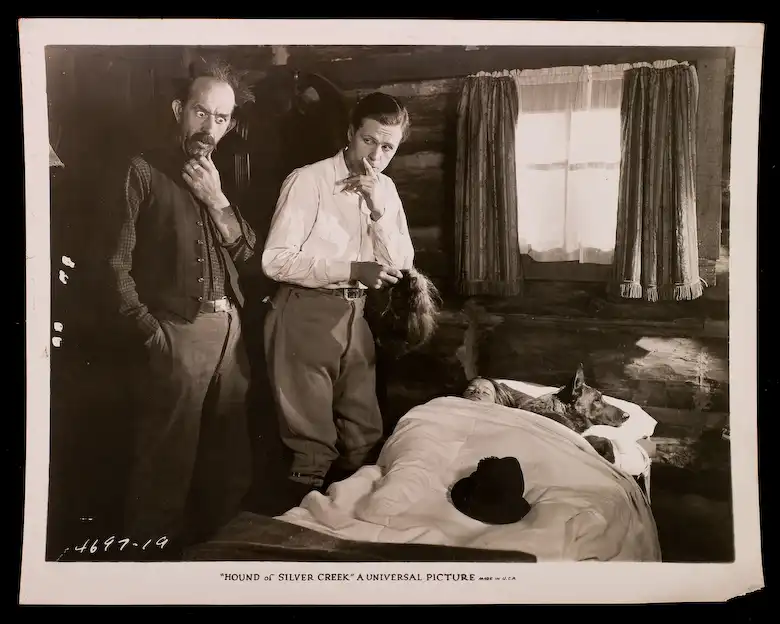
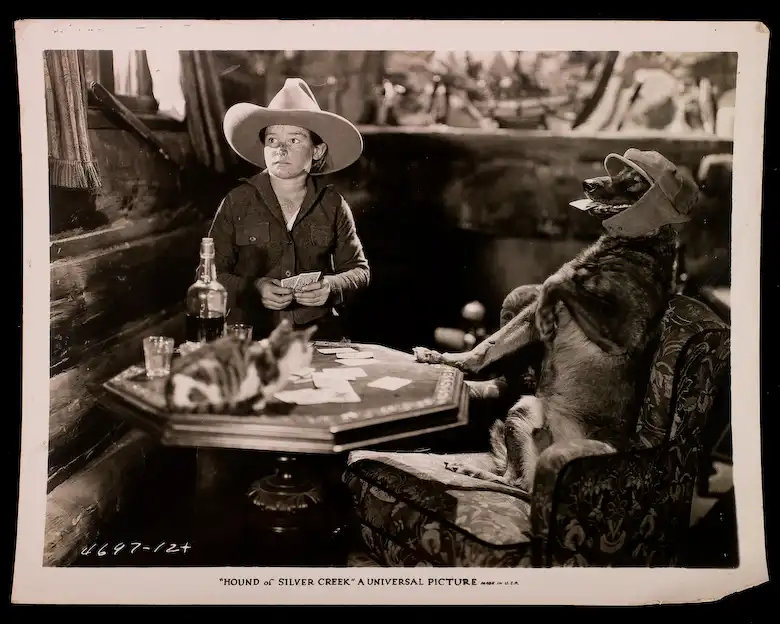
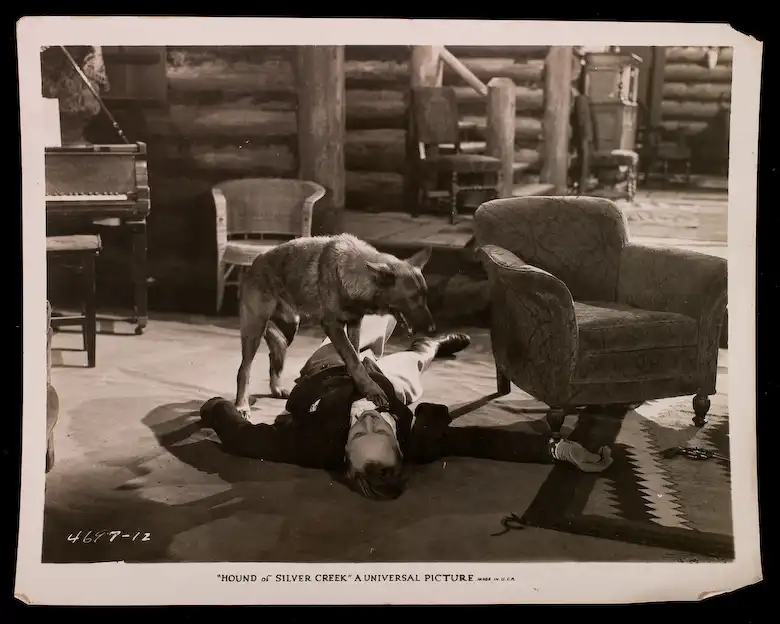
The real star here is Dynamite the Dog. He’s credited right alongside the humans, and honestly, he earns it. There’s a moment early on where Molly (Gloria Grey) gets herself into a jam—typical schoolmistress-in-peril stuff—and Dynamite has to swoop in. The way the dog handles the terrain is more interesting than the actual rescue. You can see him waiting for his cue in a couple of shots, his ears twitching, just waiting for the trainer off-camera to give the word. It’s these little breaks in the 'movie magic' that make these old silents feel so human.
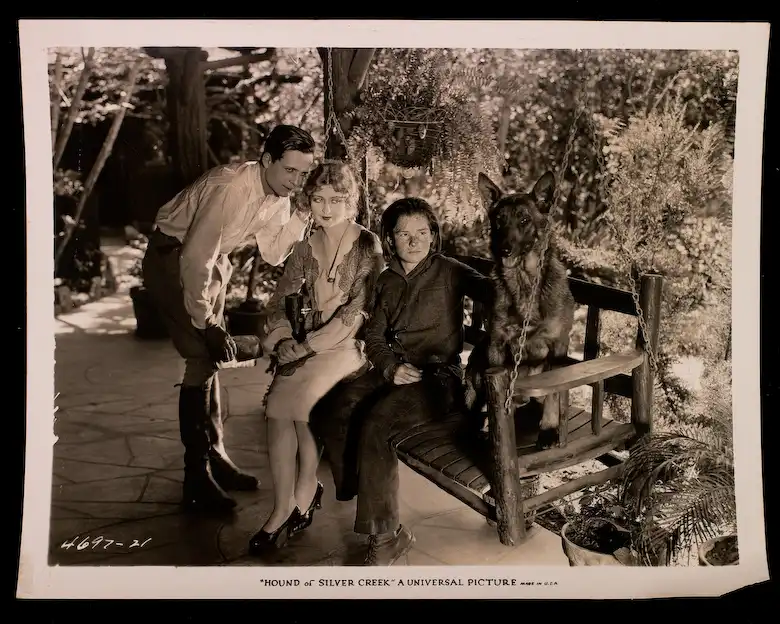
Gladden James plays Jack Brooks, the 'wealthy eastern sportsman.' He looks exactly like what someone in 1928 thought a rich guy from New York would look like in the woods. His clothes are way too clean. He wears these riding breeches that look like they’ve never touched a speck of dust, which is hilarious considering they are supposed to be in the rugged Silver Creek. He has this stiff way of moving, especially when he’s trying to act 'casual' around Molly. It’s a stark contrast to the more grounded feeling of something like Riddle Gawne.
The chemistry between the two leads is... fine. It’s mostly built on them both liking the dog. There is a scene where they are sitting by a stream, and the dialogue cards are trying so hard to make it romantic, but the camera keeps cutting back to Dynamite just sitting there, looking bored. I found myself watching the dog's reactions more than the actors. At one point, the dog actually yawns during a sentimental moment, and the editors just left it in. It’s the best part of the scene.
The pacing is where things get a bit hairy. Like a lot of mid-tier silents from this period, it feels like they had about forty minutes of story and had to stretch it to feature length. There are several long sequences of people riding horses across ridges that don't really move the plot forward. It lacks the punchy energy of Square Shooter. You can almost feel the director, Frank Rice, telling the actors to walk slower just to fill the frame.
One thing that caught my eye was the costume for the 'villainous' types. They all have these incredibly exaggerated hats. There’s a guy in the background of a saloon scene whose hat is so large it practically has its own zip code. It’s these weird, unintentional details that keep you watching when the plot starts to sag.
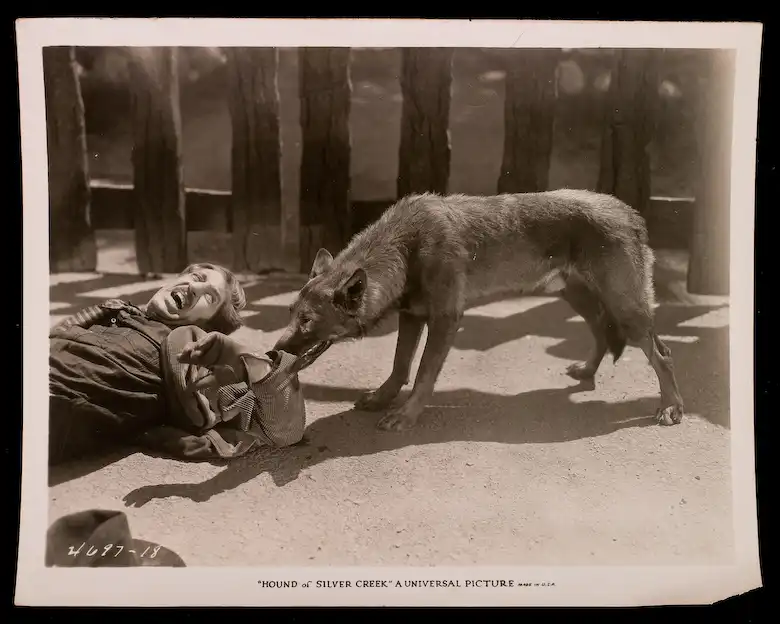
The film gets better once it stops trying to be a romance and just lets the dog do stunts. There’s a sequence toward the end involving a chase that is genuinely well-shot, even if the 'danger' feels a bit manufactured. The camera stays low to the ground, following Dynamite’s line of sight, which is a surprisingly modern choice for a movie this old. It’s much more effective than the static, stagey shots used for the schoolhouse scenes.
Is it a great movie? No. It’s a bit messy, the print I saw was grainy as hell, and the 'sportsman' character is a bit of a dork. But there’s a sincerity to it. It’s from a time when you could build an entire film around the fact that a dog was well-trained and people would leave the theater happy. If you’ve spent any time with Baby Brother or other films from this era that rely on animal gags, you’ll know the vibe. It’s light, it’s a little bit silly, and the dog is a very good boy.
IMDb —
1915
Community
Log in to comment.