DbcultAccessing Vault...
Cult Review
Senior Film Conservator
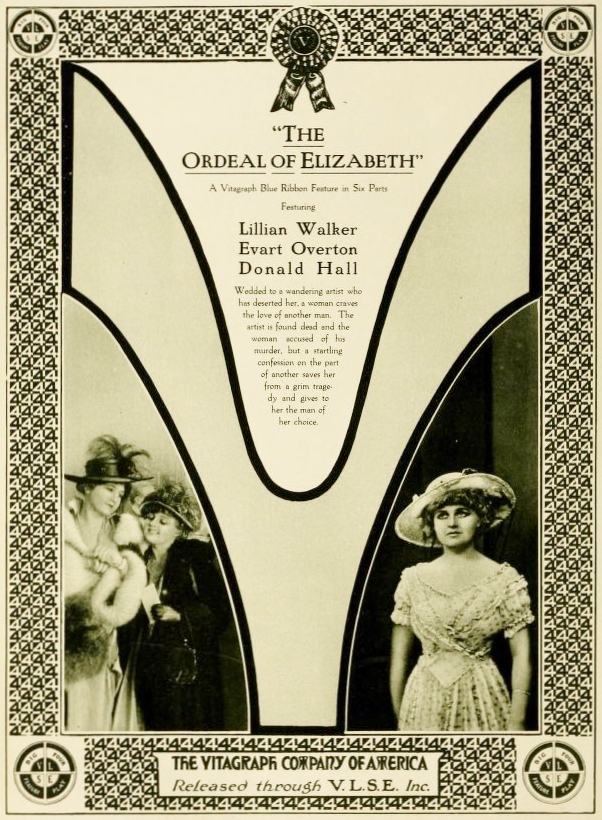
Step back into the flickering shadows of early cinema, where grand passions, moral quandaries, and the sheer force of human emotion were communicated through gesture, expression, and the potent silence of the screen. In this evocative landscape, The Ordeal of Elizabeth emerges not merely as a film, but as a visceral exploration of a woman's journey through love, betrayal, and the relentless machinery of societal judgment. Released in an era when cinema was rapidly evolving from novelty to narrative art, this picture, penned by the masterful George Cochran Hazelton, stands as a testament to the enduring power of melodrama to captivate and provoke.
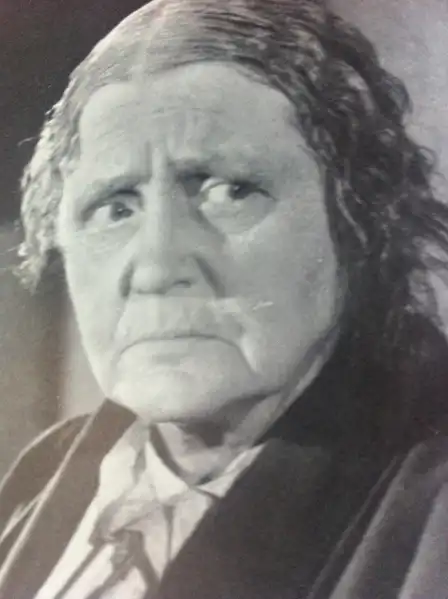
From its very inception, the film plunges us into a world where affections are as easily swayed as a summer breeze, yet their consequences are as weighty as fate itself. We are introduced to Elizabeth Van Vorst, portrayed with a delicate yet compelling vulnerability by Lillian Walker, a young woman whose innocence becomes both her charm and her Achilles' heel. Orphaned and under the stern, old-fashioned guardianship of Aunt Cornelia (Minnie Storey), Elizabeth's sheltered existence is dramatically interrupted by Hallock (Denton Vane), an artist whose bohemian allure masks a deeply opportunistic core. Hallock's sudden, fervent infatuation with Elizabeth, at the expense of her cousin Amanda (Karin Norman), sets in motion a chain of events that will unravel with devastating precision.
The narrative's brilliance lies in its intricate construction, a labyrinth of choices and their inescapable repercussions. Hallock, a character whose moral compass is conspicuously absent, convinces Elizabeth to marry him in secret, fearing her aunt's inevitable wrath. This clandestine union, a desperate bid for autonomy in an age of restrictive social codes, becomes the crucible of Elizabeth's future suffering. Hallock, true to his fickle nature, vanishes back to the city, leaving Elizabeth to maintain the charade of her unmarried life while he conveniently forgets his vows. It's a stark portrayal of the power imbalance inherent in many relationships of the time, where a woman's reputation and future could be irrevocably compromised by a man's transient whims.
Elizabeth's subsequent encounter with Julian Gerard (Evart Overton), a man of genuine integrity and profound affection, marks a turning point, albeit one fraught with tragic irony. Their burgeoning love, depicted with a tender authenticity that cuts through the film's melodramatic flourishes, is the heart of Elizabeth's potential redemption. Overton imbues Gerard with a quiet strength and unwavering devotion, making his character a stark contrast to Vane's insidious Hallock. The scenes detailing Elizabeth's rise as a socialite, her portrait captivating the New York elite, are not merely triumphs but rather foreshadowings of the storm to come, as her newfound prominence inevitably draws the malevolent eye of her forgotten husband.
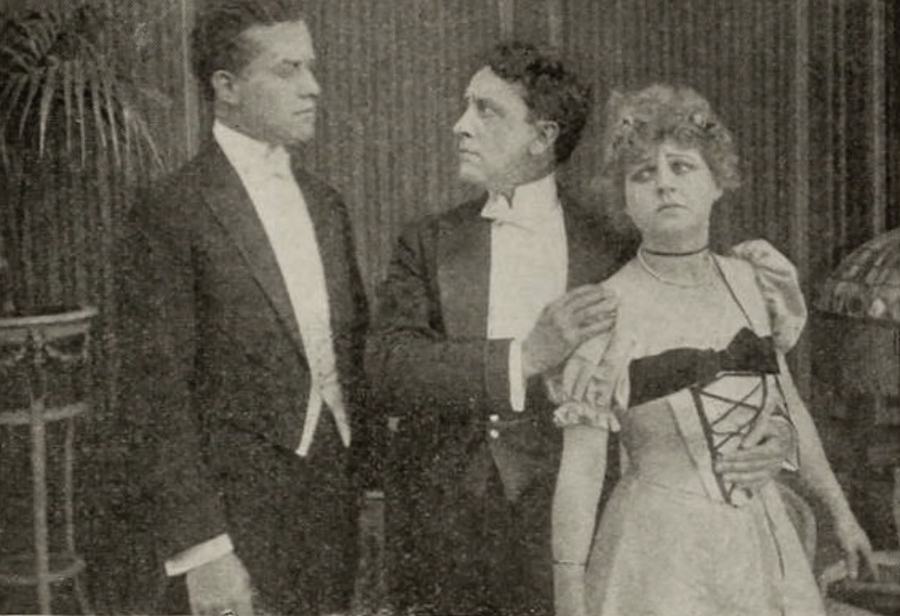
Hallock's return, not as a penitent husband but as a calculating blackmailer, is where the film truly tightens its grip. His demands for social and financial leverage, predicated on the threat of exposing their secret marriage, plunge Elizabeth into a moral abyss. Lillian Walker's portrayal of Elizabeth's torment—the silent agony of a woman trapped between her past and a blossoming future—is particularly poignant. Her desperate act of selling her jewels to appease Hallock is a powerful visual metaphor for the sacrifices women were often forced to make in the face of scandal. This scene also introduces another layer of tragic misunderstanding, as Amanda, herself ensnared by Hallock, misinterprets Elizabeth's actions, unleashing a torrent of accusations that further isolate our protagonist.
The film masterfully employs dramatic irony, keeping the audience privy to Elizabeth's secret while watching her struggle to maintain a façade of normalcy, particularly in the face of Gerard's persistent, loving inquiries. His bewilderment at her refusal to commit, despite their evident affection, is palpable. When Elizabeth finally confesses her unfortunate marriage, the weight of her revelation shatters Gerard's world, leading him to a despondent retreat from the country. This moment, delivered without dialogue, relies entirely on the actors' ability to convey profound heartbreak and despair, a hallmark of powerful silent film acting.
The sudden, mysterious death of Hallock by poison propels the narrative into a gripping courtroom drama, a staple of the era's sensationalist storytelling. Elizabeth's emotional reaction to the news, a natural human response to a complex situation, is tragically misinterpreted as a sign of guilt, leading to her swift arrest. The ensuing trial, a public spectacle where reputation can be as damning as evidence, highlights the precarious position of women in the early 20th century. The testimony of the maid, recounting Elizabeth's ill-fated wish for Hallock's death, seems to seal her fate, painting her as a vengeful wife rather than a victim of circumstance. This segment of the film is a powerful commentary on the fallibility of justice and the ease with which public opinion can condemn.
It is in London, far removed from the unfolding tragedy, that Gerard learns of Elizabeth's plight. His immediate return to America, driven by an unwavering belief in her innocence, provides a dramatic rescue. His testimony, though not explicitly detailed in the plot, is presented as the pivotal force that sways the jury, leading to Elizabeth's acquittal. This act of faith and intervention underscores the film's romantic ideals, suggesting that true love can indeed conquer all, even the gravest of accusations. Such a dramatic eleventh-hour salvation was a common, and often satisfying, trope in silent era melodramas, offering a cathartic release after prolonged tension.
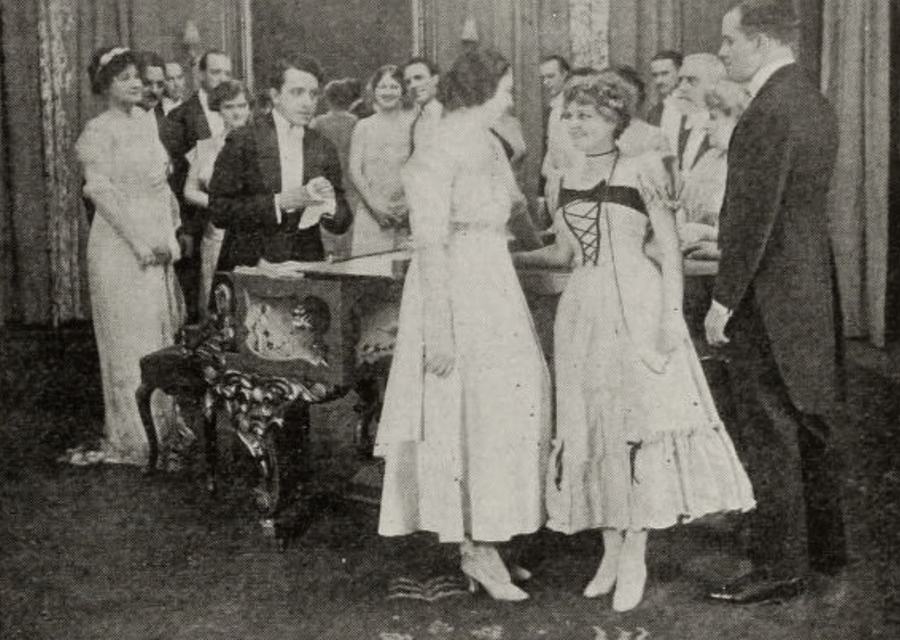
The film's final act delivers its most stunning revelation: Amanda's deathbed confession. This twist, a poignant and tragic climax, reshapes the entire narrative, revealing Hallock's further depravity and Amanda's desperate act of vengeance. Karin Norman's portrayal of Amanda, though perhaps secondary, would have been crucial in conveying the depth of her humiliation and the despair that drove her to murder. Her confession, delivered as her life ebbs away, is a powerful moment of truth and a stark reminder of the hidden suffering caused by Hallock's actions. It’s a beautifully rendered, if heartbreaking, resolution that ties together the threads of manipulation, love, and justice.
The film then concludes with Elizabeth and Gerard embarking on their honeymoon, a symbolic journey towards healing and forgetting the 'terrible ordeal.' This ending, while offering a sense of closure and hope, doesn't shy away from the scars left by trauma, acknowledging that some experiences, no matter how overcome, leave an indelible mark. It’s a nuanced conclusion for a film so steeped in dramatic excess, suggesting a maturity in Hazelton's writing.
Lillian Walker, as Elizabeth, carries the emotional weight of the film with remarkable grace. Her ability to convey profound despair, fleeting joy, and resolute defiance through subtle shifts in expression and body language is a testament to the artistry required in silent film acting. Denton Vane's Hallock is suitably despicable, a sneering, manipulative presence that effectively drives the conflict. Evart Overton's Julian Gerard provides the necessary moral anchor, his steadfast love a beacon in Elizabeth's darkest hours. The supporting cast, including Minnie Storey's stern aunt and Karin Norman's tragic Amanda, all contribute to the rich tapestry of human emotion.
The pacing of The Ordeal of Elizabeth is typical of a well-constructed melodrama of its time, building suspense with carefully placed reveals and dramatic confrontations. George Cochran Hazelton's screenplay, without the benefit of spoken dialogue, relies heavily on visual storytelling and well-crafted intertitles to convey exposition and character motivations. The visual composition, though details of direction are not provided, would have been crucial in enhancing the emotional impact, using lighting, framing, and close-ups to draw the audience into Elizabeth's internal struggle.
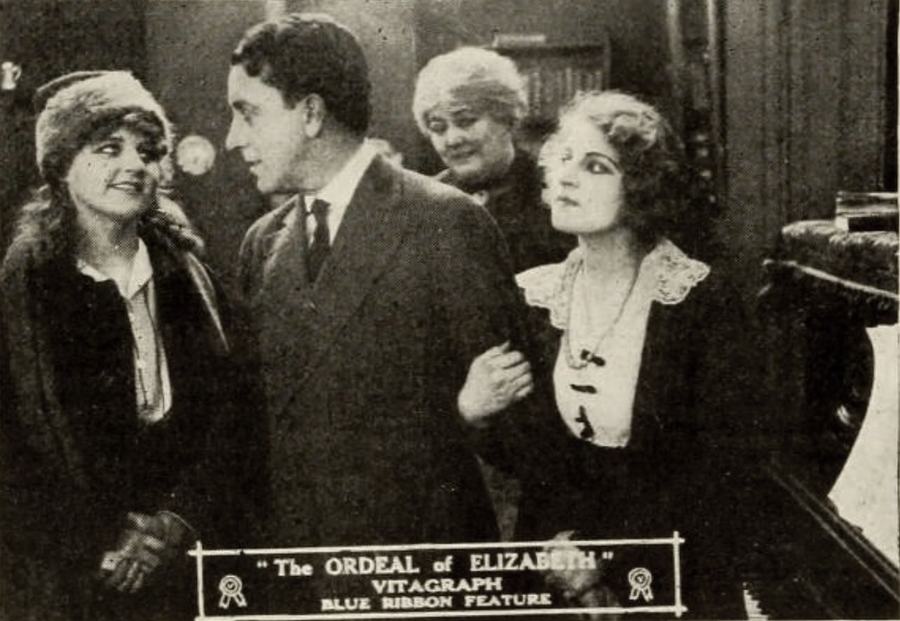
To fully appreciate The Ordeal of Elizabeth, it's helpful to place it within the broader landscape of early 20th-century cinema. Films like Should a Mother Tell similarly grappled with themes of female sacrifice and societal judgment, exploring the profound personal cost of maintaining appearances. The sensational courtroom drama and the unraveling of a complex mystery can be seen in lineage with films like The Moonstone, albeit with a more pronounced melodramatic core here. While it lacks the epic scope or controversial historical weight of a film like The Birth of a Nation, Elizabeth's ordeal offers an intimate, yet equally compelling, look at the human condition through the lens of a personal crisis.
Moreover, the film's portrayal of a woman caught between two men, one manipulative and the other genuinely loving, echoes the eternal romantic struggles seen in countless stories. The character of Elizabeth, forced to navigate a world where her choices are scrutinized and her reputation is fragile, speaks to the broader societal expectations placed upon women during this transitional period. It delves into the anxieties surrounding secret marriages, illicit affairs, and the devastating impact of scandal on a woman's life, themes frequently explored in melodramas of the era, such as Bella Donna, which often explored the darker side of passion and deception.
The Ordeal of Elizabeth is more than just a period piece; it is a meticulously crafted emotional roller coaster that engages with timeless themes of love, betrayal, and the quest for justice. George Cochran Hazelton's narrative provides a rich foundation for the actors to explore the depths of human emotion without the aid of spoken dialogue, relying instead on the universal language of expression and gesture. It showcases the dramatic potency of silent cinema, proving that stories of profound human experience can transcend the absence of sound, resonating with audiences through sheer narrative force and compelling performances.
In its intricate plotting and powerful emotional beats, the film remains a fascinating artifact for cinephiles and historians alike, offering a window into the narrative sophistication and moral preoccupations of its time. It reminds us that even in the nascent years of filmmaking, creators were exploring complex human dilemmas with an artistry that continues to impress. The ordeal may have been Elizabeth's, but the enduring impact of her story is a testament to the film's lasting power.
IMDb 6
1934
Community
Log in to comment.