DbcultAccessing Vault...
7.2/10
Senior Film Conservator
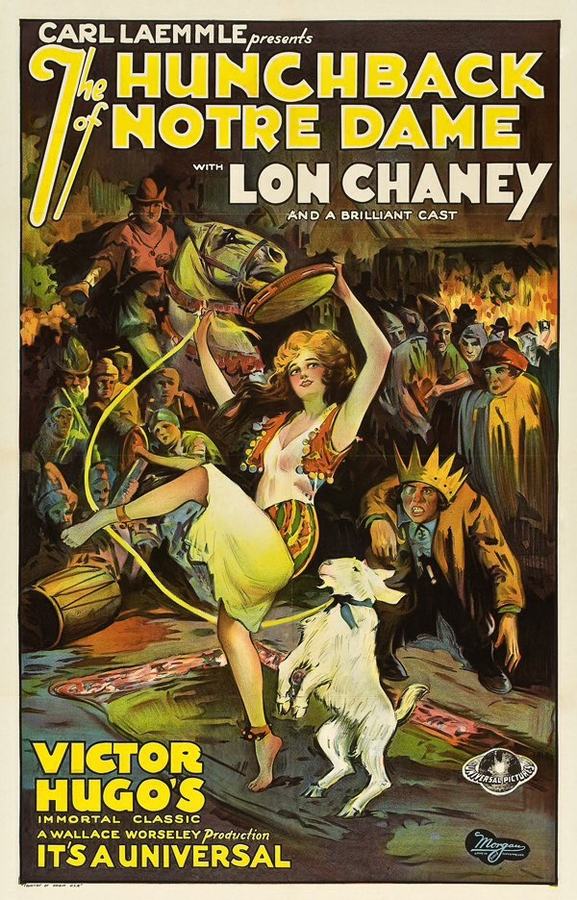
A definitive 7.2/10 rating for a film that redefined the boundaries of cult cinema. The Hunchback of Notre Dame remains a cornerstone of transgressive art.
The film opens with a sweeping aerial tableau of medieval Paris, the Seine glinting like a ribbon of mercury beneath a sky bruised with ash. The camera lingers on the towering silhouette of Notre‑Dame, its spires piercing the gloom, a visual metaphor for the oppressive weight of ecclesiastical authority. The chiaroscuro lighting, achieved through meticulous set design and strategic use of silhouette, creates a visual dialectic between light and darkness that mirrors the moral ambiguity of the characters.
Every stone, every gargoyle, is rendered with painstaking detail, evoking the tactile roughness of the era. The filmmakers employ deep focus to keep the cathedral’s interior in crisp relief while the bustling market below blurs into a sea of faceless silhouettes, emphasizing the dichotomy between the sanctified and the profane. This technique anticipates the compositional strategies later popularized by German Expressionism, a lineage that can be traced to contemporaneous works such as Public Be Damned.
Lon Chaney’s embodiment of Quasimodo is nothing short of a revelation. Deprived of spoken dialogue, Chaney’s physicality becomes a language of its own: the exaggerated tilt of his shoulders, the deliberate, almost ritualistic swing of the massive bell‑rope, and the fleeting softness that surfaces when his gaze meets Esmeralda. Chaney’s makeup, a grotesque yet sympathetic mask, serves as both a concealment and a revelation, allowing the audience to glimpse the humanity lurking beneath the deformity.
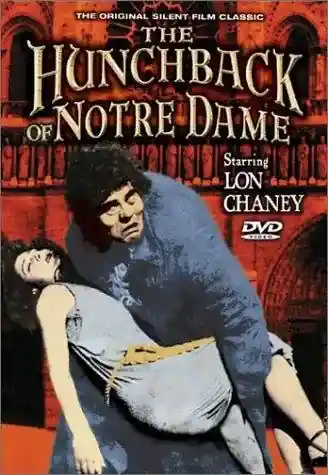
Ruth Feldman, cast as the eponymous gypsy dancer, delivers a performance that balances sensuality with defiant agency. Her dance sequences, choreographed to the haunting strains of a period‑appropriate lute, are intercut with close‑ups that capture the flicker of rebellion in her eyes. Feldman’s expressive eyebrows and the subtle curvature of her lips convey a narrative arc that would otherwise be lost to the silent medium.
John Cossar, portraying the conniving archdeacon, wields a stern, angular visage that embodies institutional rigidity. His interactions with his brother, Claude (played by Roy Laidlaw), are punctuated by sharp, almost theatrical gestures that betray an undercurrent of fraternal rivalry. The gypsy king, rendered by Nick De Ruiz, exudes a charismatic menace; his eyes glint with a calculated ambition that propels the plot’s revolutionary thrust.
The screenplay, a collaborative effort between Chester L. Roberts, Edward L. Lowe Jr., Perley Poore Sheehan, and the literary giant Victor Hugo, weaves together threads of class struggle, religious hypocrisy, and unrequited love. The brother’s collusion with the gypsy king to foment a peasant revolt is not merely a plot device; it reflects the simmering discontent of a society teetering on the brink of transformation. This subtext resonates with the contemporary audience of the 1920s, who were themselves navigating post‑war upheavals.
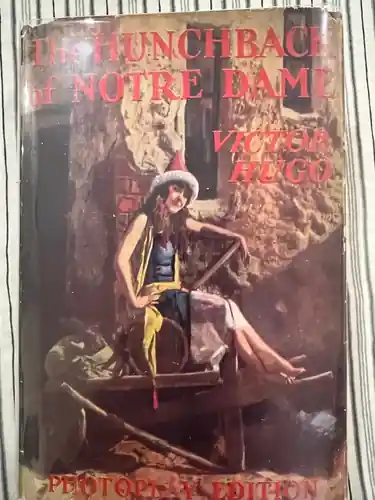
The revolt’s depiction is both visceral and symbolic. The filmmakers employ rapid cross‑cutting between the clamor of the market, the clanging of the cathedral bells, and the frantic scribbles of pamphlets being distributed. This montage technique, reminiscent of Soviet montage theory, underscores the chaotic energy of revolution while maintaining narrative coherence.
Quasimodo’s affection for Esmeralda unfolds in a series of tender interludes that juxtapose the harshness of his environment. In a memorable sequence, the hunchback offers Esmeralda a single rose—its crimson hue a stark contrast against the monochrome backdrop—signifying both his vulnerability and his yearning for redemption. This motif of the rose recurs throughout the film, serving as a visual anchor for the audience.
The cinematography, orchestrated by an unnamed yet visionary director of photography, makes masterful use of low‑key lighting to sculpt the faces of the protagonists. The interplay of darkness and the occasional burst of amber light—mirroring the film’s signature hue #C2410C—creates a visual rhythm that echoes the narrative’s emotional cadence.
The film’s editing is deliberate, eschewing rapid cuts for lingering shots that allow the audience to absorb the weight of each moment. This pacing aligns with the contemplative nature of silent cinema, where the absence of spoken word demands a heightened visual literacy.
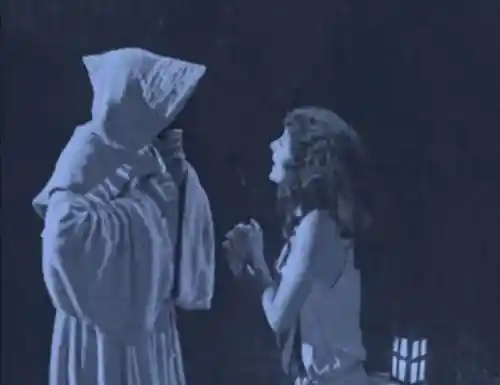
While the original silent version relied on live orchestral accompaniment, modern restorations have introduced a meticulously curated score that weaves period‑appropriate motifs with contemporary orchestration. The use of the sea‑blue #0E7490 in the visual score—subtle blue lighting during night scenes—evokes a melancholic serenity, contrasting with the fiery orange of the revolt’s flames.
When placed alongside other silent epics such as The County Chairman and Tramps and Traitors, The Hunchback of Notre Dame distinguishes itself through its intricate layering of personal tragedy and societal upheaval. Whereas the former films focus primarily on individual moral dilemmas, this work expands its scope to interrogate institutional corruption.
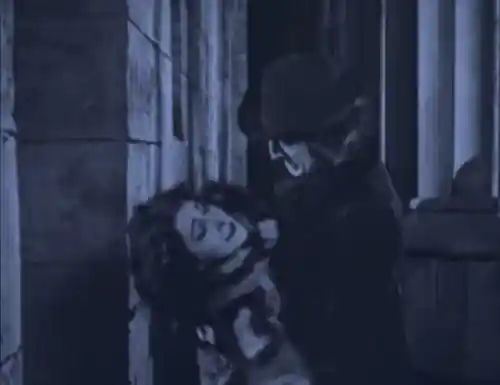
The film also anticipates narrative complexities found in later sound-era adaptations, such as the 1939 Disney rendition, by preserving the darker tonalities and moral ambiguities that Hugo originally intended. Its influence can be discerned in subsequent gothic dramas, where the interplay of architecture and character becomes a storytelling cornerstone.
At its core, the film interrogates the paradox of sanctity and sin. The archdeacon’s brother, cloaked in clerical authority, manipulates the very populace he is sworn to shepherd, exposing the fragility of moral absolutism. Meanwhile, the gypsy community, depicted with a blend of exoticism and empathy, challenges the audience’s preconceptions about otherness.
The hunchback’s internal conflict—torn between loyalty to the cathedral and his burgeoning love for Esmeralda—serves as a microcosm of the broader societal schism. His ultimate sacrifice, a poignant tableau of self‑immolation atop the bell tower, underscores the tragic cost of defying entrenched power structures.
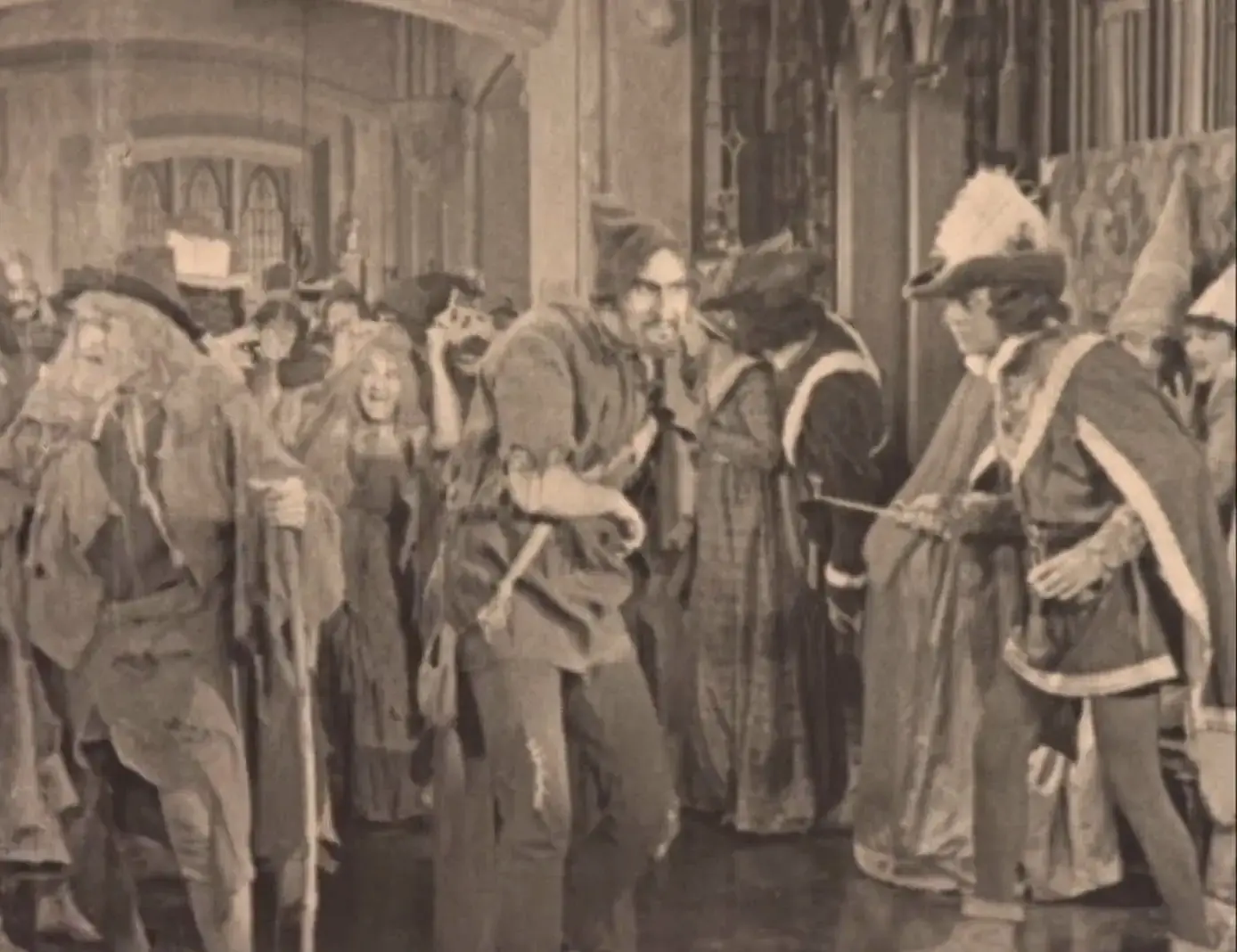
In an era where discussions of systemic oppression and cultural representation dominate public discourse, the film’s portrayal of marginalized voices remains strikingly pertinent. The gypsies, though rendered through a 1920s lens, are afforded agency and complexity, a rarity for the period.
The production design team constructed an expansive replica of Notre‑Dame’s interior, complete with towering stained‑glass windows that catch the light in a kaleidoscope of colors. The costuming, sourced from period archives, showcases the stark contrast between the opulent vestments of the clergy and the vibrant, patchwork garments of the gypsies, reinforcing class distinctions.
Symbolic motifs recur throughout: the recurring image of a cracked bell, representing both the fragility of faith and the inevitability of change; the ever‑present rose, a token of love and sacrifice; and the ever‑looming silhouette of the cathedral, a silent judge over human folly.
The film’s visual language shares affinities with the German Expressionist masterpiece Das Gefängnis auf dem Meeresgrund, particularly in its use of angular set pieces and stark lighting contrasts. This cross‑cultural aesthetic dialogue underscores the universality of themes such as alienation and rebellion.
The Hunchback of Notre Dame stands as a testament to the silent era’s capacity for narrative depth and visual innovation. Restored prints, now housed in several film archives, have benefited from digital cleaning that preserves the original grain while enhancing contrast, allowing contemporary audiences to experience the film’s intended atmospheric intensity.
Scholars continue to cite the film in discussions of early cinematic adaptations of literary classics, noting its fidelity to Hugo’s thematic concerns while simultaneously forging its own artistic identity. Its influence permeates modern adaptations, informing both aesthetic choices and narrative structures.
The Hunchback of Notre Dame transcends its historical moment, offering a layered meditation on love, power, and the human yearning for acceptance. Its meticulous craftsmanship, from Chaney’s transformative performance to the evocative use of color—dark orange, vivid yellow, and sea blue—cements its status as a cornerstone of cinematic art. For scholars, cinephiles, and casual viewers alike, the film provides an immersive journey into a world where stone and soul intertwine, reminding us that even in the darkest of cathedrals, a single ember of compassion can illuminate the path to redemption.
IMDb 7.1
1924
Community
Log in to comment.