DbcultAccessing Vault...
Cult Review
Senior Film Conservator
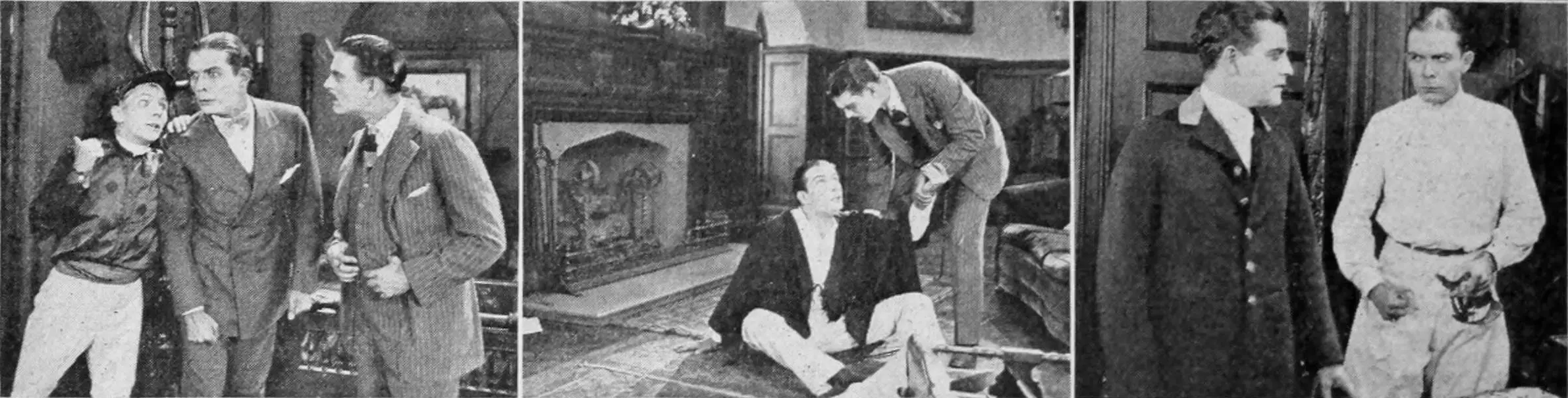
Earle Foxe stars in The Hunt (1921), a silent film that delves into the intricate web of deceit and retribution. The story unfolds in a quaint town, where the tension between characters is palpable, and the narrative is woven with meticulous care. The film is a testament to the silent era's ability to convey complex emotions through silent performances and nuanced cinematography.
The plot centers on a series of interwoven characters, each harboring secrets and making calculated moves. The central character, played by Earle Foxe, finds himself entangled in a web of lies and deceit, which he attempts to navigate with a keen sense of strategy. The film's pacing is deliberate, allowing the audience to fully immerse themselves in the characters' inner worlds, making the eventual revelations all the more impactful.
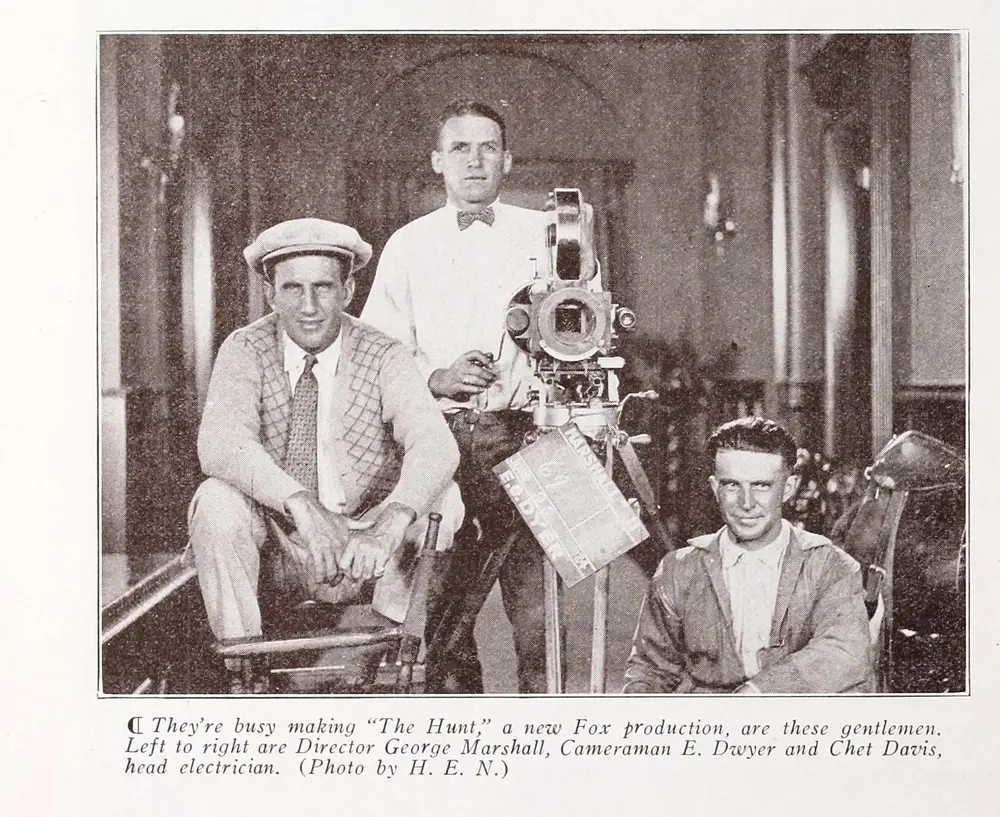
The supporting cast, including Frank Beal and Florence Gilbert, add depth to the narrative. Their performances are nuanced, reflecting the emotional turmoil and moral dilemmas of their characters. The film's director, Richard Harding Davis, displays a keen eye for detail, capturing the essence of the silent film era with a blend of visual storytelling and silent expression.
Technologically, the film is a marvel of its time, with a visual style that is both stark and expressive. The use of lighting and shadow, combined with creative camera angles, adds a layer of psychological depth to the narrative. The film's score, even though silent, is composed in such a way that it enhances the emotional resonance of the visuals, creating a cohesive auditory and visual experience.
Comparatively, 'The Hunt' shares thematic similarities with films like 'Love's Redemption' and 'The Sign of the Rose', both of which explore the complexities of human relationships and the consequences of moral ambiguity. However, 'The Hunt' stands out for its psychological depth and the sophistication of its narrative structure. It is a film that challenges the audience to question the morality of its characters and the nature of their actions.
The film's historical significance cannot be overstated. It was produced during a time when silent films were at their peak, and it represents a crucial moment in the development of cinematic storytelling. The silent era's reliance on non-verbal communication and visual storytelling has left a lasting impact on modern cinema, influencing directors and filmmakers to this day.
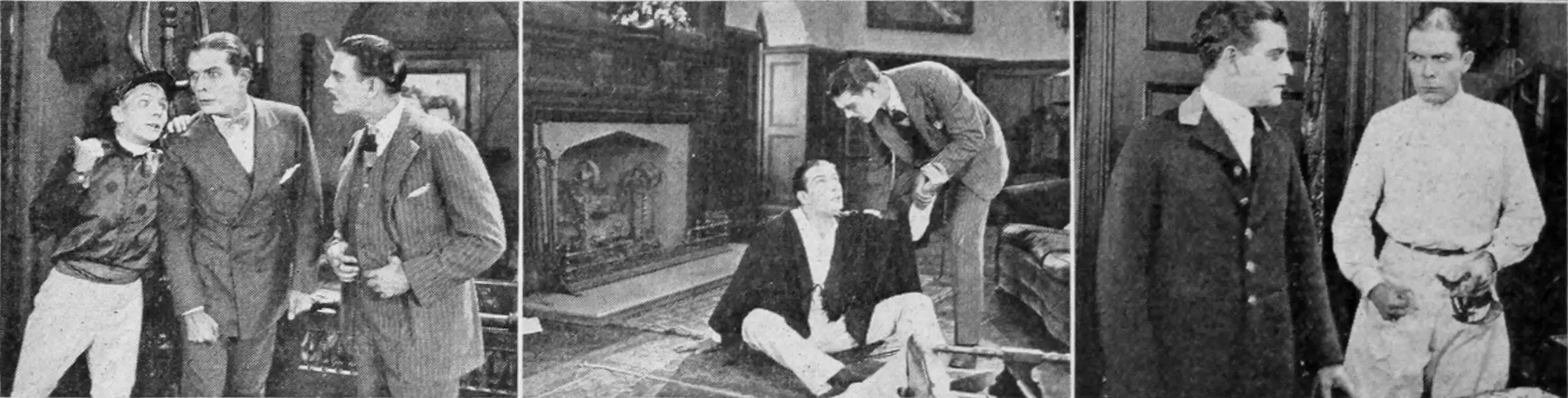
One can draw parallels between 'The Hunt' and other films of the silent era, such as 'Dracula's Death', which also explores themes of betrayal and revenge. However, 'The Hunt' is more focused on the psychological aspects of its characters, making it a more introspective and emotionally charged film. It is a film that demands attention and reflection, offering a rich tapestry of human emotions and moral quandaries.
The performances are the heart of the film, with Earle Foxe delivering a nuanced and compelling lead performance. Frank Beal and Florence Gilbert complement his work, creating a dynamic ensemble that keeps the audience engaged throughout. The film's director, Richard Harding Davis, is a master of his craft, using every frame to tell a story, making each scene count in the overall narrative.
Visually, the film is stunning. The use of lighting and shadow, combined with creative camera angles, adds a layer of psychological depth to the narrative. The film's visual style is both stark and expressive, capturing the essence of the silent film era with a blend of visual storytelling and silent expression. The film's director, Richard Harding Davis, displays a keen eye for detail, ensuring that every shot is meaningful and contributes to the overall narrative.
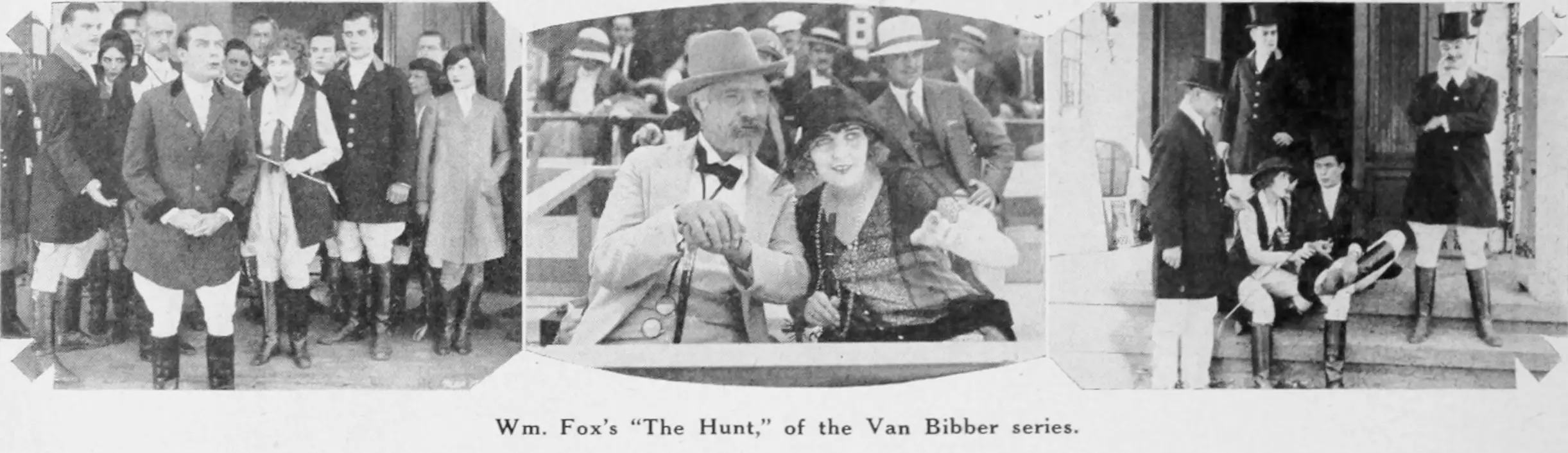
The film's score, even though silent, is composed in such a way that it enhances the emotional resonance of the visuals, creating a cohesive auditory and visual experience. The film's pacing is deliberate, allowing the audience to fully immerse themselves in the characters' inner worlds, making the eventual revelations all the more impactful. The film's use of silence is masterful, allowing the audience to fill in the gaps and engage more deeply with the narrative.
In conclusion, 'The Hunt' is a silent film that stands the test of time. Its sophisticated narrative, nuanced performances, and visual storytelling make it a must-see for film enthusiasts and critics alike. It is a film that challenges the audience to question the morality of its characters and the nature of their actions, offering a rich tapestry of human emotions and moral quandaries. It is a film that demands attention and reflection, and it is a testament to the silent era's ability to convey complex emotions through silent performances and nuanced cinematography.
For those interested in exploring more of the silent era, 'The Hunt' is a great starting point, alongside classics like 'Love's Redemption', 'The Sign of the Rose', and 'Dracula's Death'. It is a film that showcases the silent era's ability to tell complex stories and evoke deep emotions through non-verbal means. It is a film that demands attention and reflection, offering a rich and engaging viewing experience.
IMDb 6.2
1920
Community
Log in to comment.