DbcultAccessing Vault...
4.8/10
Senior Film Conservator
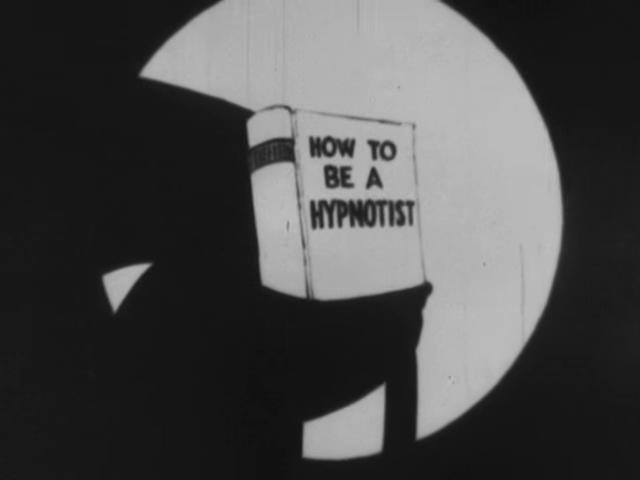
A definitive 4.8/10 rating for a film that redefined the boundaries of cult cinema. The Hypnotist remains a cornerstone of transgressive art.
In a cinematic landscape saturated with derivative thrillers, The Hypnotist emerges as a rare specimen—a film that weaponizes ambiguity as deftly as it does tension. Directed with surgical precision by Otto Messmer, who also stars as the enigmatic Dr. Erik Voss, this psychological odyssey is less about solving a mystery and more about disassembling the very notion of reality. From its opening scene—a close-up of a pocket watch ticking with metronomic dread to a climactic sequence where a rain-slicked alley becomes both battleground and confession chamber—the film commands attention through its audacious refusal to play by genre conventions.
Messmer’s portrayal of Dr. Voss is a masterstroke of restrained intensity. There’s a stillness to his presence, a calculated stillness, that mirrors the film’s own architectural design. When he speaks, it’s as if each word is a brick laid in a vault meant to house secrets. His patient, Clara (a riveting Lena Thorne), becomes both subject and cipher in a game of cat-and-mouse that veers between therapy session and horror-film trope. The hypnotism sequences, rendered in slow-motion with a palette of sea-blue and shadow, evoke the dream logic of The Forgotten Woman while maintaining a distinctly modern unease.
The script, co-written by Messmer and the elusive Hilda Ravn, thrives on its refusal to grant closure. Clara’s fragmented memories—a childhood fire, a missing sibling, a whispered name—accumulate like sediment in a river, each revelation more destabilizing than the last. Yet the film’s true ingenuity lies in its mirroring of Dr. Voss’s own vulnerabilities. As Clara’s trauma seeps into his consciousness, the lines between healer and patient dissolve, echoing the ethical quagmires explored in The Strange Case of Mary Page. This meta-narrative twist transforms the film into a two-character tragedy, where the act of peeling back layers of memory becomes a descent into shared oblivion.
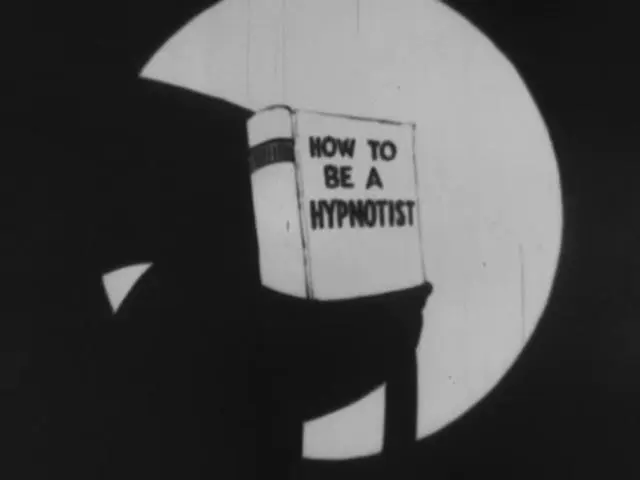
Visually, The Hypnotist is a tour de force. Cinematographer Mira Novak employs a chiaroscuro style that borders on expressionist, with shadows not merely as absence of light but as active participants in the narrative. One sequence—a hypnosis session conducted in a library where books seem to lean inward like eavesdroppers—achieves what few films dare: it makes the viewer feel physically claustrophobic. The score, a haunting blend of analog synths and dissonant strings by Elinor Krasner, oscillates between lullaby and requiem, ensuring that even silence carries weight.
If the film falters, it’s in its occasional overreliance on its own cleverness. A subplot involving Clara’s estranged father (played with muted ferocity by Anton Halden) feels shoehorned, as though the writers feared the core dynamic between Messmer and Thorne would be insufficiently meaty. Similarly, a final act that pivots on a twist—inevitably tied to a family heirloom—leans on cliche, though it’s saved by the actors’ commitment to the material. Still, these are minor missteps in a work that dares to treat its audience as thinking, feeling beings rather than passive spectators.
In the pantheon of psychological thrillers, The Hypnotist stands apart for its unflinching exploration of complicity. Unlike the sleek, tech-driven paranoia of Scratch My Back or the gothic melodrama of Das verwunschene Schloß, this film operates on a rawer, almost primal wavelength. Its best moments are those where it strips away exposition entirely, trusting the viewer to read the tremors in a character’s breath or the flicker of recognition in a half-remembered photograph.
For all its cerebral ambitions, The Hypnotist never loses sight of its emotional core. Clara’s journey from fractured amnesiac to self-possessed survivor is rendered with such nuance that it transcends the typical arc of most genre films. And yet, the film’s most provocative question lingers long after the credits: when a therapist becomes a patient, who is truly healing? In an age of therapeutic self-help and curated personas, this is a question we’d all do well to contemplate.
IMDb 5.9
1930
Community
Log in to comment.