DbcultAccessing Vault...
Cult Review
Senior Film Conservator
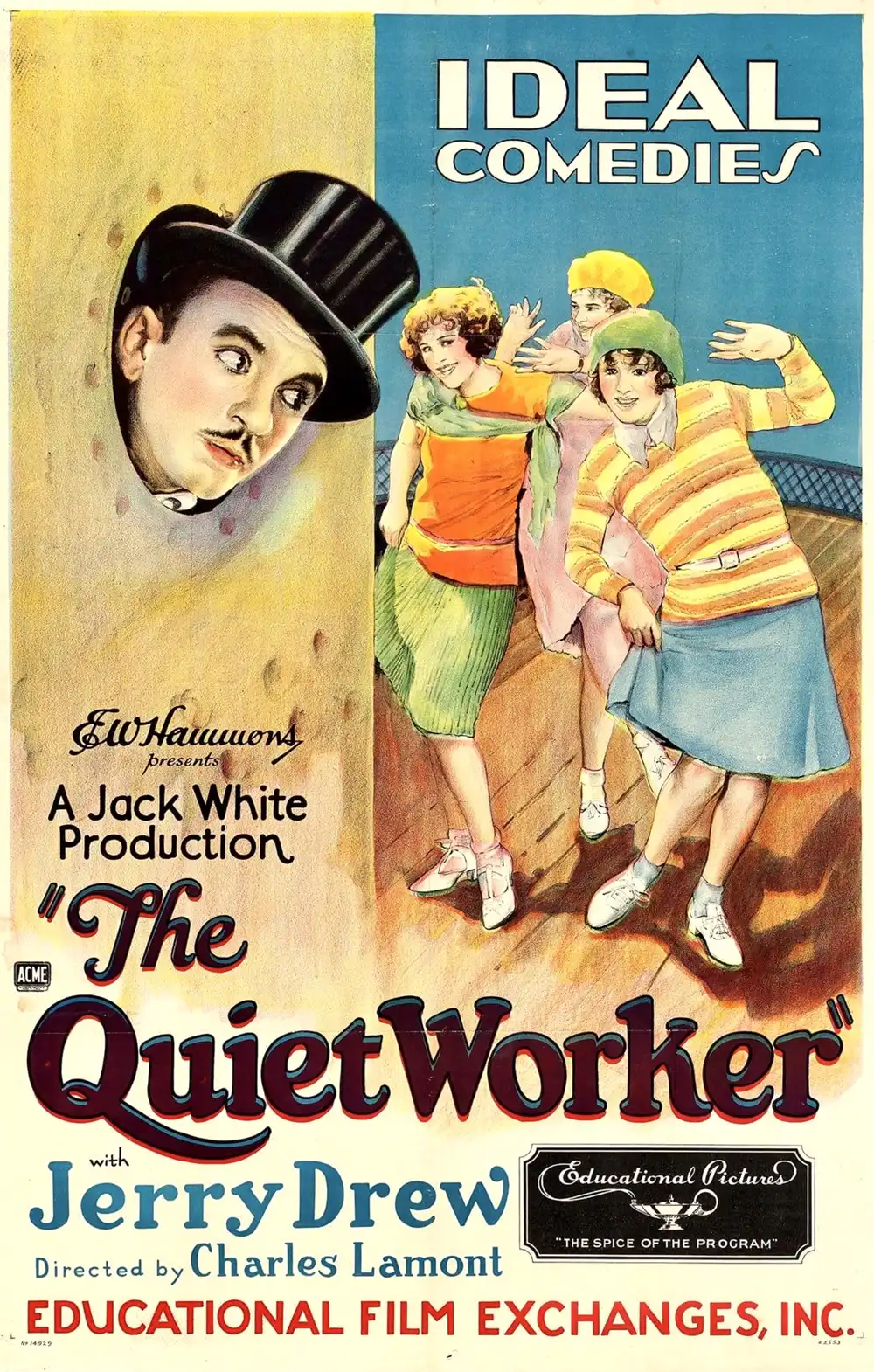
Alright, let’s be real upfront about The Quiet Worker. This isn’t a film for your casual Friday night movie crowd. Not even close. If you’re a film history enthusiast, someone genuinely curious about how stories were told *back then*, or if you just enjoy seeing Clem Beauchamp do his thing in an early role, you might find a certain charm here. For literally everyone else? You're going to feel like the clock has stopped. This one's an artifact, more than entertainment in the modern sense.
The title really sets the tone, doesn't it? Our main guy, played by Clem Beauchamp, is indeed quiet. Almost aggressively so. He works, he exists, and the camera seems to just follow him in a way that suggests he's barely there, even when he's right in the center of the frame. It's a fascinating choice, or perhaps just a common style for the era. 🤔
There are long stretches where you just watch him, well, *work*. The film doesn't rush. It really, really doesn't. You can almost feel the intent to make you understand his mundane existence before anything else kicks off. And when things do kick off, it’s not with a bang, but more of a gentle nudging.
I found myself wondering about the production. The sets, what little we see, are pretty straightforward. Functional. Nothing flashy. It gives the whole thing a very grounded, almost documentary-like feel for a bit, even when the plot starts to suggest something a little more dramatic is brewing.
One scene sticks with me: a very specific shot of Beauchamp’s hands. He’s doing some repetitive task, and the camera just *stays* on his hands. For a surprisingly long time. You almost forget what his face looks like. It made me think about how much less patient we are now, how quickly a modern film would cut away. Here, they commit. It’s almost meditative, but also... kinda slow, if I'm honest.
The rest of the cast, Stanley Blystone, Betty Boyd, they’re there. They react. But the film is so squarely focused on Beauchamp’s almost-invisible presence. It's his movie, through and through, even if he barely says or does anything overtly exciting for long stretches. The acting style is very much of its time, a lot of expressive faces, a bit theatrical, but it fits the quietness. You have to watch their eyes a lot.
The print I saw wasn’t exactly pristine, which adds to the old-world charm, or maybe just makes it a bit harder to follow the smaller details. Lots of scratches and pops, like you’re really digging into an old reel. You get used to it after a while, though. It becomes part of the experience, a bit like listening to an old vinyl record. 🎶
When the film finally gets to its point – the 'worker' part of the title isn’t just about his job, it’s about his *impact* – it’s a gentle payoff. Not a huge twist. More of a subtle unfolding. You can see the threads being laid out, how his quiet nature actually plays a role. It’s a simple message, but delivered with such deliberate pacing. It feels very earnest, I think that's the word.
Honestly, I wouldn't recommend this for a first dive into classic cinema. It's a deep cut. You need to be in a very particular mood. A mood for *very* slow cinema, for historical curiosity, or perhaps just to marvel at how much filmmaking has changed. It's a reminder that not every film needs to shout to make its point. Sometimes, just a quiet, sustained gaze is enough. Just be prepared for that gaze to last a while. 🕰️
IMDb —
1923
Community
Log in to comment.