DbcultAccessing Vault...
5.8/10
Senior Film Conservator
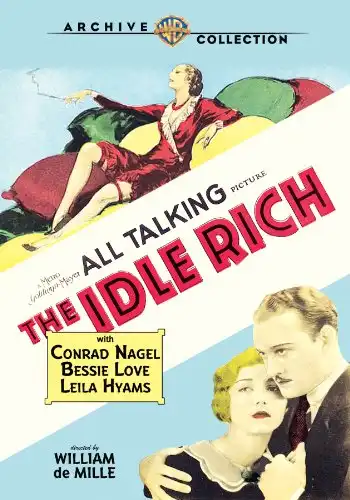
A definitive 5.8/10 rating for a film that redefined the boundaries of cult cinema. The Idle Rich remains a cornerstone of transgressive art.
So, is The Idle Rich worth your time today? Honestly, only if you are the kind of person who finds 1920s microphones and scratchy audio kind of charming.
If you want a movie with a fast plot or people acting like actual humans, you are probably going to hate this within the first ten minutes. 🙄
It is very much a movie for people who like history or just want to see how weirdly actors behaved when sound first started ruining their careers.
The whole thing is about William van Luyn, played by Conrad Nagel, who is a millionaire. He falls for Joan, his secretary, which is the most 1920s thing ever.
Joan is played by Bessie Love. She has these massive eyes that look like they are constantly searching for the camera, but her voice is actually pretty okay for this era.
The problem isn't the marriage, though. It’s Joan’s family. They are obsessed with being part of 'the great middle class'.
They act like taking a gift from a rich guy is a crime against humanity. It’s actually super annoying to watch after a while.
The nephew, Henry, is the worst part of the movie. He is a total blowhard who won't stop talking about his pride.
He says 'the great middle class' about fifty times. I started counting, but I lost track because I got distracted by how stiff his collar looked.
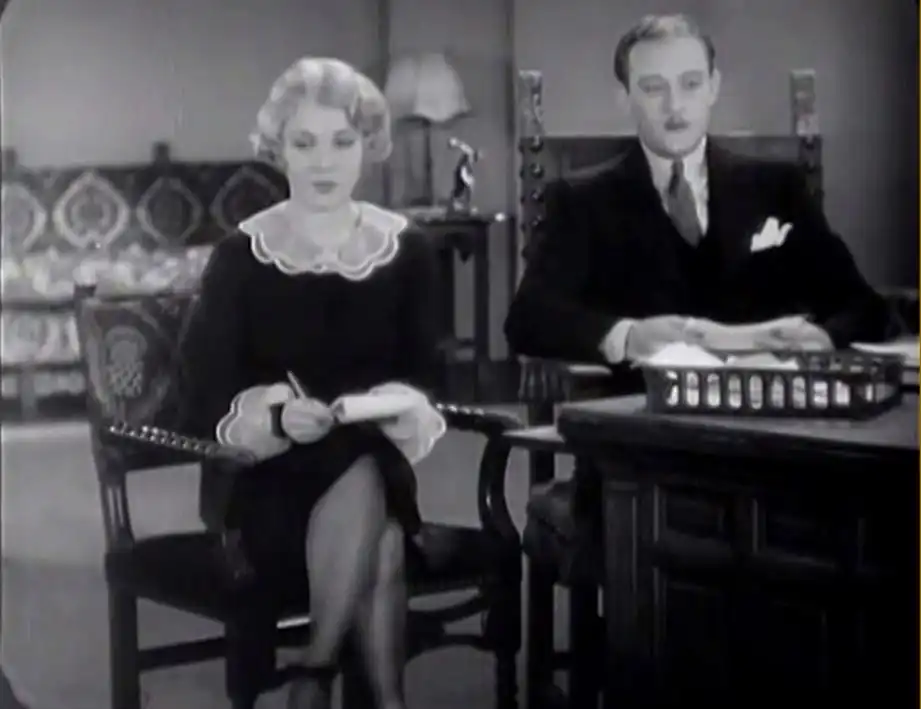
There is this one scene in the living room where everyone is just standing around a table. It feels like they are afraid to move because the microphone is hidden in a vase or something.
Conrad Nagel has this way of talking where he projects his voice like he is trying to reach a guy in the very back row of a theater three blocks away. It is very loud.
He moves into their small house to show them he isn't a snob. It is kind of funny seeing a guy in a thousand-dollar suit trying to look comfortable on a cheap sofa.
The movie reminds me a bit of Fools and Their Money because of the whole class conflict thing, but this one is way more talky.
Actually, it’s not just talky. It’s shouty.
There is a moment where the mother, played by Edythe Chapman, just stares at a piece of paper for what feels like an eternity. I think she forgot her line, or maybe the director just liked her hat.
The hat is pretty impressive, to be fair. It’s one of those 1920s things that looks like a bucket with flowers glued to it.
I noticed that the shadows on the walls are really harsh. Like, they had one big light and just hoped for the best.
It makes the house look kind of spooky, even though it’s supposed to be a regular family home. It’s weird how early sound films like The Great Divide also have that same clunky feeling.
There is a scene where they are eating dinner and the sound of the forks hitting the plates is louder than the dialogue. 🍴
I found myself focusing more on the clinking than on what Henry was complaining about. Probably because Henry is just a jerk.
Will eventually decides to take 'drastic action' to make the family accept him. I won't spoil it, but it involves him basically being a chaotic mess with his own bank account.
It is the only part of the movie where the pacing actually picks up. Before that, it’s just a lot of people sitting in chairs and looking offended.
I wonder if people in 1929 actually found the 'middle class' stuff relatable. To me, it just feels like they are being difficult for no reason.
Joan is caught in the middle, and Bessie Love does a lot of sighing. She is very good at sighing while looking vaguely pretty.
I think the movie would have been better if it was a silent film. A lot of the jokes feel like they would work better with title cards instead of being shouted at us.
If you’ve seen The Man on the Box, you know how these social comedies can be a bit hit or miss. This one is mostly a miss, but a fascinating one.
The ending is very abrupt. It’s like the film crew ran out of tape and just decided to go home for lunch.
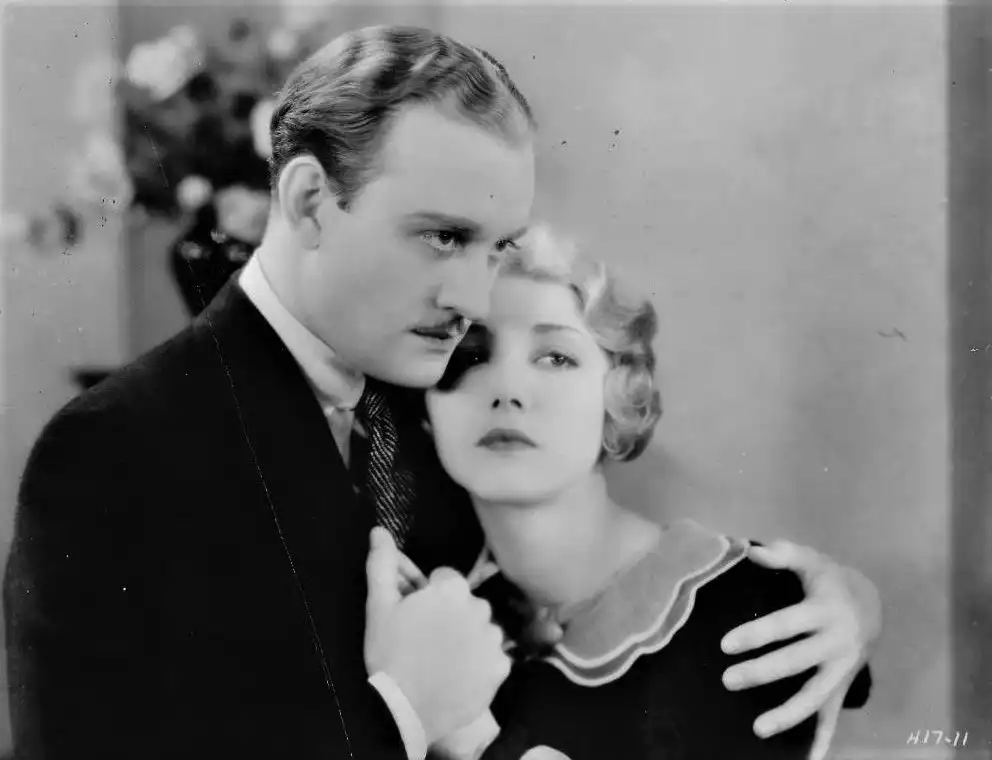
One minute they are arguing, and the next, everything is just… fine? It doesn't really feel earned.
I did like the wallpaper in the Thayer house. It had this busy pattern that probably looked terrible in real life but looks cool in grainy black and white.
There is a small part with a maid or a cook—I can’t remember which—who has a better reaction to the money than the actual family. She’s the only smart person in the whole building.
The movie is based on a play, and boy, can you tell. They barely leave that one set.
It makes you feel a bit claustrophobic after forty minutes. You just want someone to go outside and walk down a street, but they never do.
I think Conrad Nagel was trying to be charming, but he comes off as a bit of a weirdo for wanting to hang out with these people. They are so mean to him!
He gives them jewelry and they look at it like he handed them a dead rat. It’s bizarre.
Anyway, if you like 1929 artifacts, give it a watch. If you want a real story, maybe watch something else.
It’s a movie that really, really likes the sound of its own voice. Even if that voice is a bit crackly and distorted. 📻
I’m still thinking about that nephew Henry. I hope he eventually learned to chill out, but he probably didn't.
The whole 'great middle class' thing is definitely going to be stuck in my head for a few days, and not in a good way.
It's just one of those movies you watch to say you've seen it. It’s not a masterpiece, but it’s definitely something.
IMDb 6.4
1934
Community
Log in to comment.