DbcultAccessing Vault...
Cult Review
Senior Film Conservator
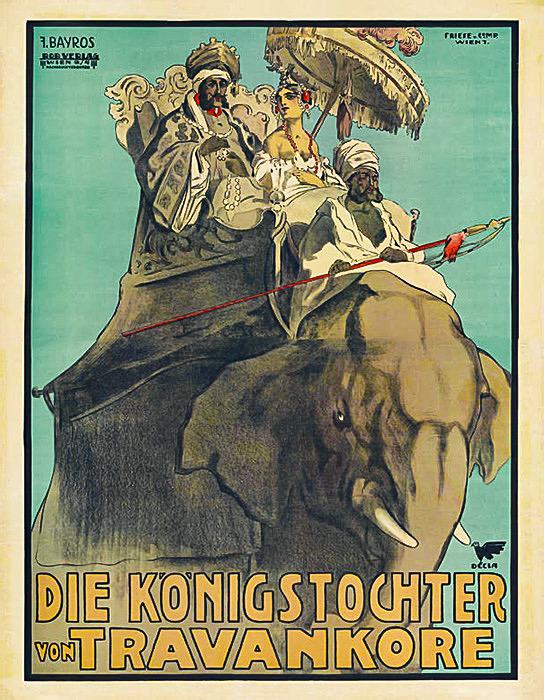
Martin Berger’s Die Königstochter von Travankore is less a narrative than a fevered tapestry—every intertitle a needle dipped in turmeric, every silhouette a cut-out against marigold smoke. Shot in the twilight of German Expressionism and the dawn of Orientalist chic, the 1921 silent glides on the humid breath of Studio Johannisthal, where arc lamps once scorched the fantasies of a defeated nation now seeking chromatic refuge in the fabled luxury of the Malabar coast.
Richard Bruno’s maharaja arrives first: a moonlit profile sliced by a turban plume so preposterously tall it seems to skewer the very concept of sovereignty. His eyes, kohled and restless, surveil a court of ivory chess-piece courtiers who glide rather than walk, their bare feet whispering across Persian rugs that Berger’s camera drinks in until the grain of 1920s orthochstock stock quivers like a lover’s lip. Into this perfumed inertia tumbles Yellva de Fernandez’s princess—baptised onscreen only as die Königstochter, a title heavier than any name. She is introduced via a delirious iris shot: the screen contracts to a lotus bloom, then dilates to reveal her wrist shackled by emerald bangles, each stone matte-painted to shimmer like wet jade. The cut is so abrupt it feels like a gasp.
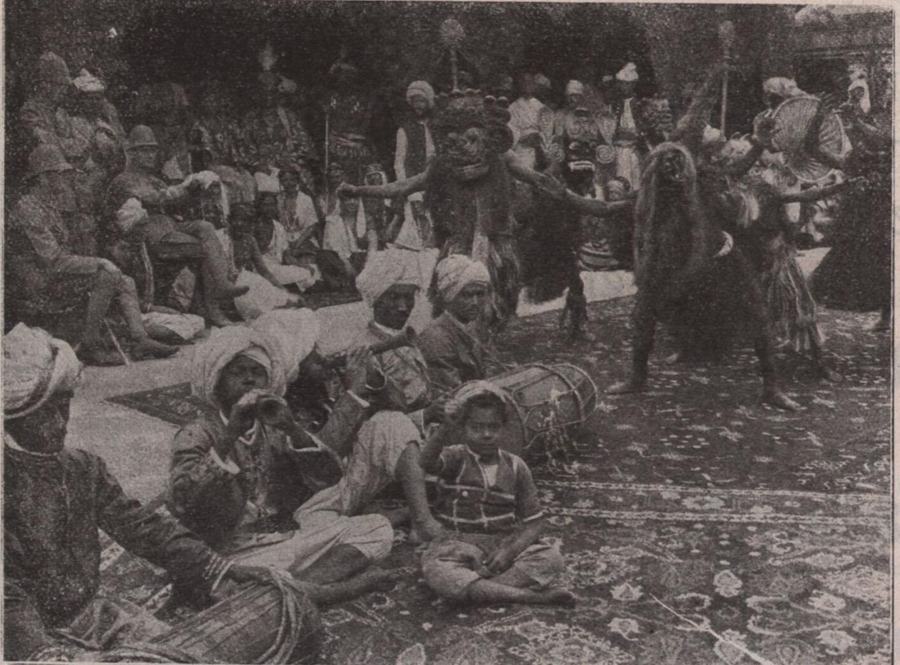
Enter Ernst Benzinger’s cartographer, a man whose pith helmet carries the dent of someone who has banged his head against empire once too often. His narrative function is cartographic seduction: to remap the maharaja’s jungle-bordered kingdom not with rifles but with triangulation, to turn teak forests into ordnance tables, palace turrets into trigonometry. Berger refuses him the usual colonial swagger; Benzinger’s hands tremble when he fingers the brass limbs of his sextant, as though the instrument itself might accuse him of trespass. Their first rendezvous occurs at the river Periyar—rendered by a Berlin backlot tank streaked with silver nitrate moonlight—where the princess trades her anklets for a glimpse of his star charts. The barter is wordless, carried only by the flicker of title cards that quote imaginary Upanishads: “The river remembers every foot that forgot it.”
From here the plot unfurls like a crimson pagri caught in monsoon wind. Court astrologers, played by Johannes Petersen and Josef Peterhans with ash-smeared foreheads that look suspiciously like Berlin chimney soot, foresee a lunar eclipse that will “swallow the ruby of the realm.” The prophecy is opaque enough to be any woman: the princess, a sacred stone, or merely the last breath of pre-colonial autonomy. The maharaja, spooked, betroths his daughter to a neighbouring prince sight unseen—a transaction Berger stages inside a durbar hall whose pillars are draped with so many banana leaves the scene resembles a pagan cathedral designed by Art Nouveau acolytes on absinthe. Shadow puppets dance behind the pillars, foretelling the union’s doom; their silhouettes, double-exposed onto the image, anticipate Masked Ball’s later masquerade of moral duplicity.
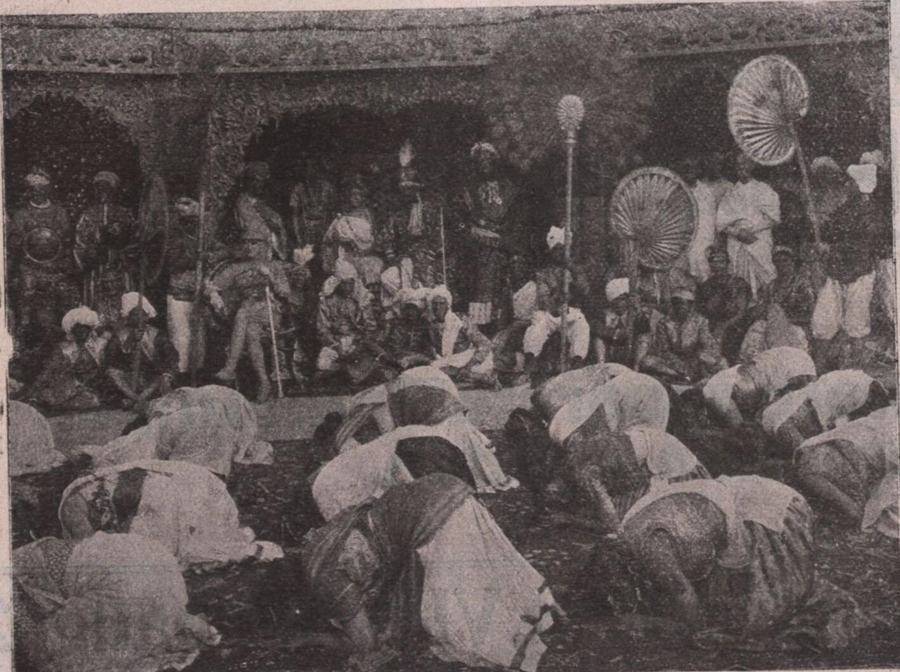
But the princess bolts, stowing away inside the cartographer’s riverboat—a teak-and-brass contraption that looks borrowed from the same prop loft that furnished On the Banks of Allan Water. Their downstream flight is the film’s ecstatic nucleus: Berger intercuts stolen close-ups of their interlocked fingers with ethnographic montages of coir-rope makers, snake-catchers, Theyyam dancers whose headdresses blaze like solar coronas. The rhythm is proto-Matrix: every tenth frame excised to produce a juddering strobe, as though the film itself were palpitating. When the lovers finally beach on a sandbank under a cathedral of mangroves, the intertitle reads: “Even the tide recedes in shame from two hearts that refuse to be charted.” Corny on paper, but onscreen the words appear over a superimposition of star-drunk fireflies—an image so fragile you fear your own breath might erase it.
Tragedy, of course, must reassert imperial taxonomies. The neighbouring prince—Paul Rehkopf in kohl and padded shoulders—arrives with a retinue of elephants whose howdahs are shaped like miniature Taj Mahals. The clash is choreographed not as battle but as pageant: the princess is tied to a banyan tree, silk sari unfurled like a bleeding banner, while the cartographer is forced to triangulate his own execution site. Berger stages the finale at twilight, tinting the print a bruised violet; the moon, a hand-painted disc, slips behind the banyan’s aerial roots just as the cartographer hurls his sextant into the river. The splash is followed by a jump-cut to the princess’s face—tears rendered by two drops of molten celluloid scratched directly onto the negative. The effect is hallucinatory: grief fossilised within the emulsion itself.
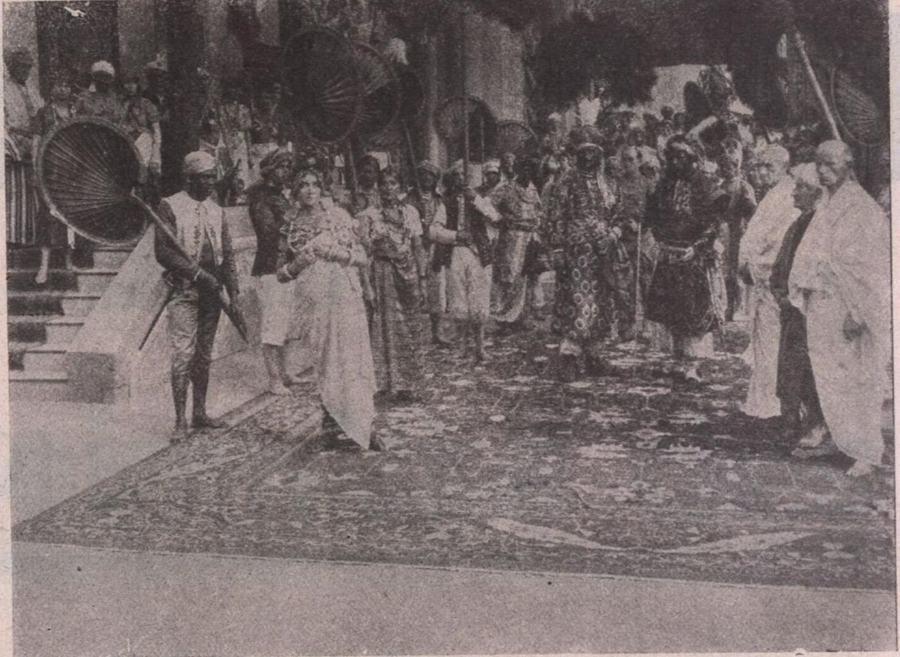
The censors, both British and Weimar, snipped the scene where the princess tears the ruby from her nath and crushes it into vermilion paste, smearing it across her forehead like a third eye of defiance. Even in truncated form, the moment lingers like incense in fabric. Prints screened in Madras carried a disclaimer in Tamil: “This kingdom exists nowhere but in the longings of men who have never touched its soil.” A meta-wink unprecedented for 1921, it turns the entire film into a meditation on cartography as conquest, on love as remapping, on cinema itself as the ultimate colony of desire.
What rescues the work from the dustbin of Orientalist kitsch is Berger’s self-interrogation. His camera repeatedly foregrounds its own artifice: painted backdrops flake at the corners, revealing plywood ribs; the maharaja’s throne wobbles when he shifts, betraying its papier-mâché spine. In one Brechtian aside, a palace guard stares straight at the lens, then steps forward to adjust a klieg light that has drifted, flooding the frame with white glare. The gesture lasts perhaps twelve frames, but it ruptures the dream: we are reminded that Travankore is a German soundstage, that colonial fantasy is always a plywood throne. Compare this to The Book of Nature’s earnest faith in photographic truth, and Berger’s modernity gleams like a scalpel.
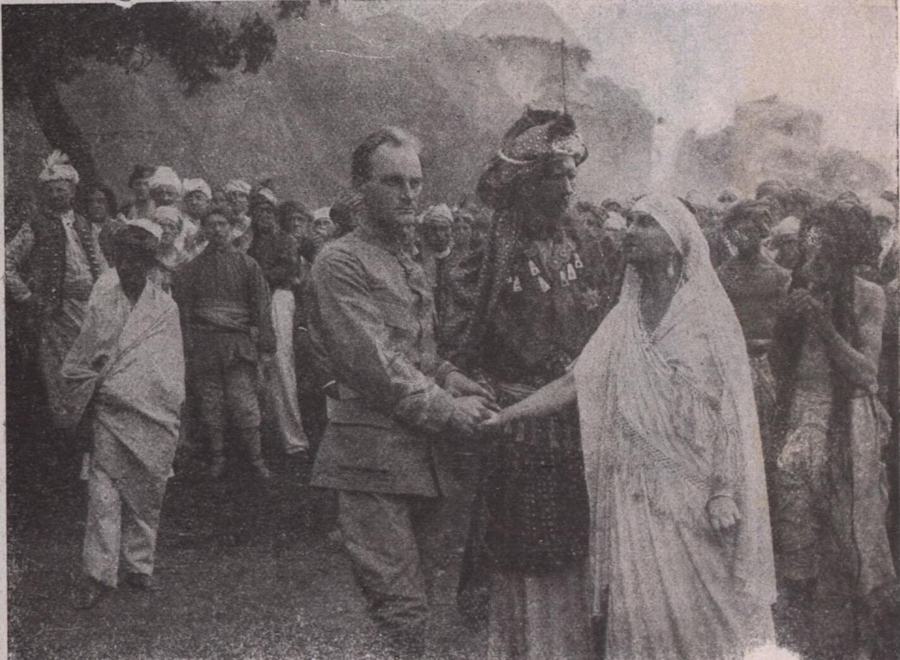
Yellva de Fernandez, apparently a Lisbon dancer discovered in a Weimar cabaret, performs the princess with feral minimalism: eyebrows rather than eyes convey courtly claustrophobia, a single shoulder-blade twitch signals revolt. Her chemistry with Benzinger is less erotic than cartographic—two compasses spinning toward magnetic north. When they kiss, the intertitle reads: “Their breath drew a map only the river could read.” You half expect the next card to supply coordinates.
The restoration by Munich Filmmuseum, premiered at the 2022 Bonner Sommerkino, returned eight minutes of river footage thought lost. We now see coir rafts drifting past corpse-white Catholic churches left by Portuguese spice traders, a cultural palimpsesis that makes the film feel like Beautiful Lake Como, Italy glimpsed through a fever dream. Tinting has been recreated via Desmet method: moonlit blues, saffron dawns, a crimson eclipse that splashes across the screen like spilled mulled wine. The original score, reconstructed from a 1921 cue sheet, calls for sitar, harmonium, and—impossibly—theremin, an anachronism that somehow fits the film’s chrono-slippery heart.
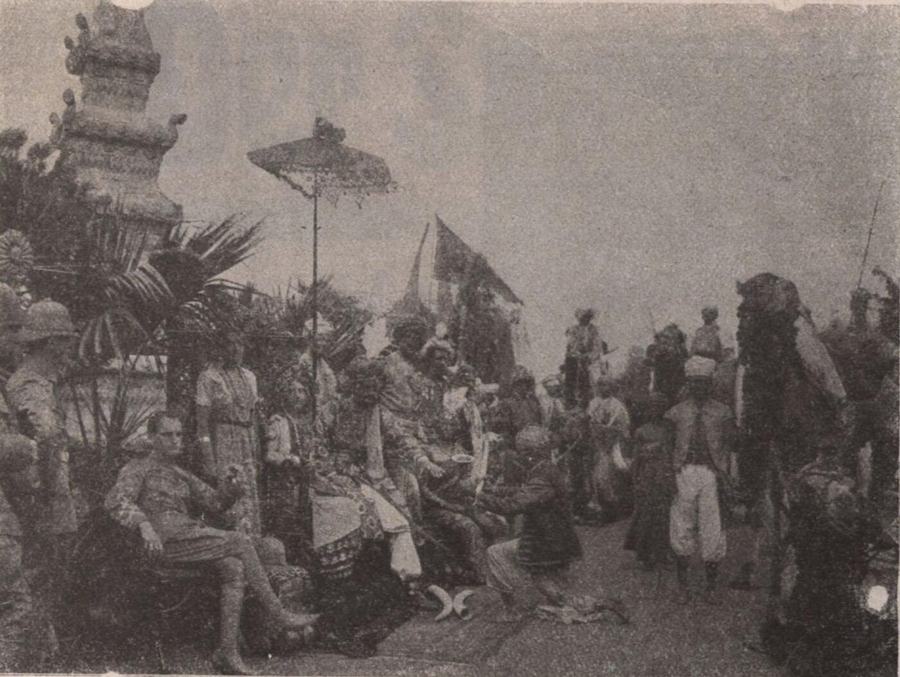
Critics eager to flog the film for exotic cliché should remember it predates A Romance of the Redwoods’ noble-savage platitudes by four years. Berger’s princess is no lotus-footed doll; she engineers her own exile, weaponises her jewels, and—crucially—survives the final reel. A surviving production still shows her standing alone on a quay in European dress, gazing toward an ocean liner: a sequel that never materialised, yet the still feels more subversive than any shot in the released print.
Viewed today, the film vibrates with uncanny aftershocks. When the cartographer erases pencilled latitude lines from his map, the gesture evokes every act of digital de-tagging, every border un-drawn by algorithm. The princess’s escape from dynastic marriage rhymes with contemporary hashtags that refuse to be hashtagged. Even the rubber elephants, their wrinkles visible as cellophane creases, look like deep-fakes before the fact—CGI rendered in glue and hope.
So is Die Königstochter von Travankore a masterpiece? Hardly. Its racial ventriloquism clangs, its gender politics wobble, its pace dawdles like a barge in low tide. Yet it shimmers with the unstable beauty of a heat-hung mirage: the closer you approach, the more you see your own thirst reflected. In that reflection lies cinema’s oldest heresy—that every empire, every romance, every map is a story we ink over someone else’s parchment of pain. Berger understood this a century ago, and let the parchment blister in the projector’s beam until the scars became stars.
Seek it out when the museum print trundles into your city. Sit close enough to smell the vinegar syndrome of the acetate, close enough to count the princess’s pulse throbbing in the corner of a tinted frame. You will emerge blinking into neon night, the taste of cardamom and celluloid on your tongue, unsure whether you have watched a film or been watched by it. Either way, the river remembers. And somewhere between the frames, a ruby still bleeds.
IMDb 6.5
1920
Community
Log in to comment.