DbcultAccessing Vault...
Cult Review
Senior Film Conservator
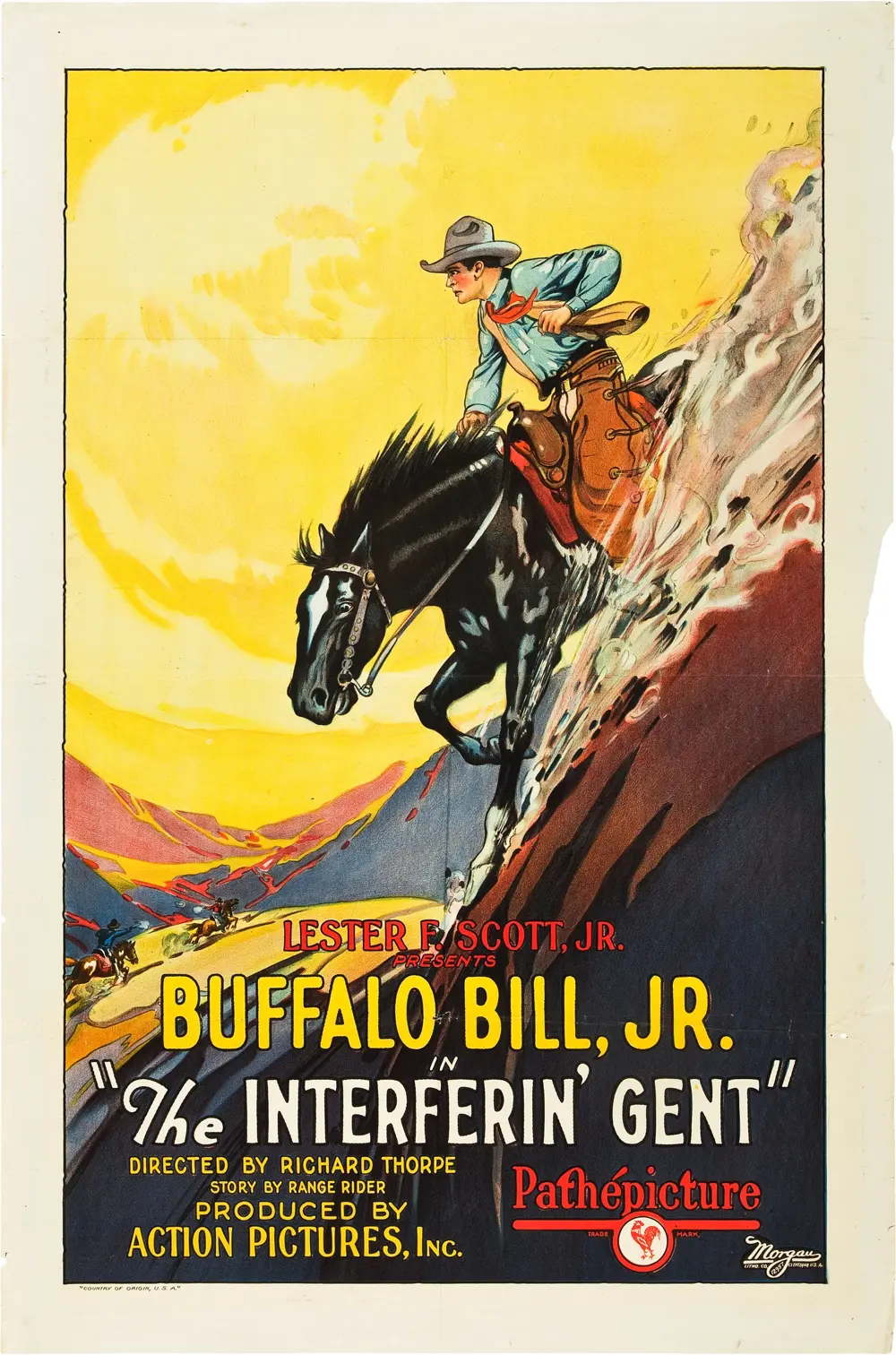
Is 'The Interferin' Gent' a silent film worth your precious modern viewing time? Short answer: yes, but with significant caveats. This early western is a fascinating, if sometimes frustrating, window into a bygone era of filmmaking, best suited for dedicated cinephiles and historians, but likely to test the patience of casual viewers expecting modern pacing or complex character arcs.
Let's get straight to the heart of it.
This film works because it captures the raw, unvarnished essence of early cinematic storytelling, showcasing the foundational elements of the Western genre before they became overly stylized.
This film fails because its narrative simplicity and often rudimentary technical execution struggle to maintain engagement for a contemporary audience accustomed to sophisticated visual language and nuanced performances.
You should watch it if you are a film student, a silent film enthusiast, or someone deeply interested in the evolution of the Western genre and the early careers of its pioneering actors and writers.
'The Interferin' Gent' presents a narrative that, while simple by today's standards, was a robust engine for drama in the silent era. At its core, it's a story driven by pure, unadulterated land hunger. Joe Luke, portrayed with a certain archetypal villainy, isn't just a man who wants a ranch; he's a force of nature, an embodiment of the era's cutthroat expansionism. His covetousness for Ann Douglas's property isn't merely a plot device; it's a commentary on the relentless pursuit of wealth that defined much of the American frontier.
The critical turn, of course, is the mistaken identity. Luke's decision to hire a killer to eliminate a man he believes to be Ann's brother, Ben, introduces a layer of tragic irony. This isn't just a simple murder plot; it's a meticulously planned act of deception built on flawed intelligence. The film, in its own way, highlights the dangers of assumption and the brutal consequences of actions taken under false pretenses. It's a classic setup that allows for suspense, moral quandaries, and the eventual, inevitable comeuppance.
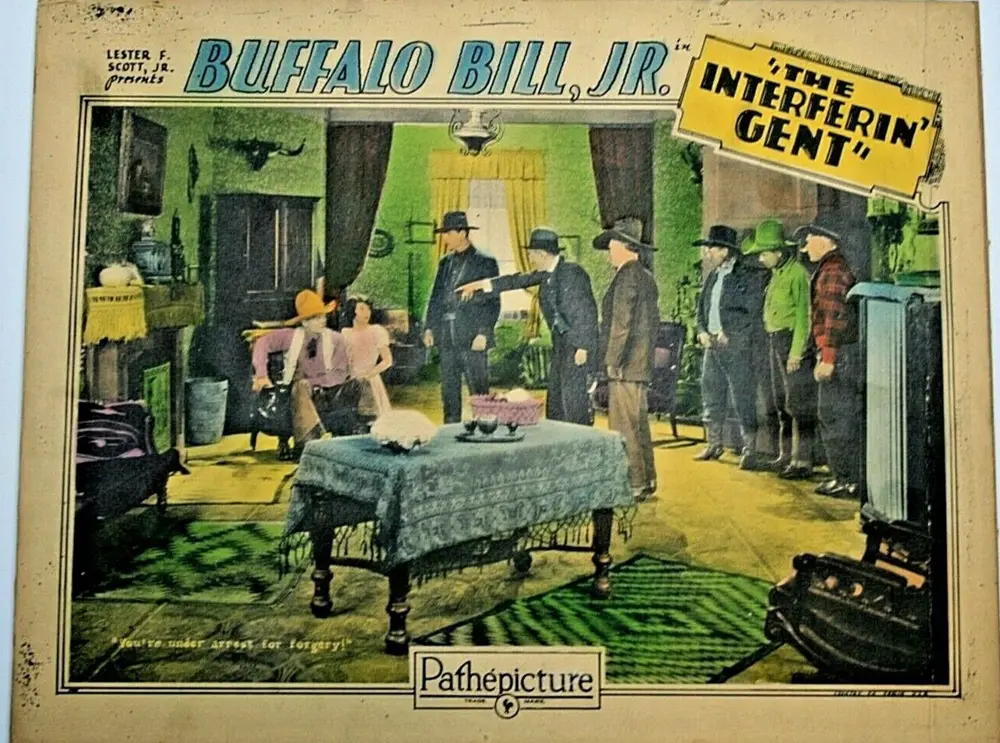
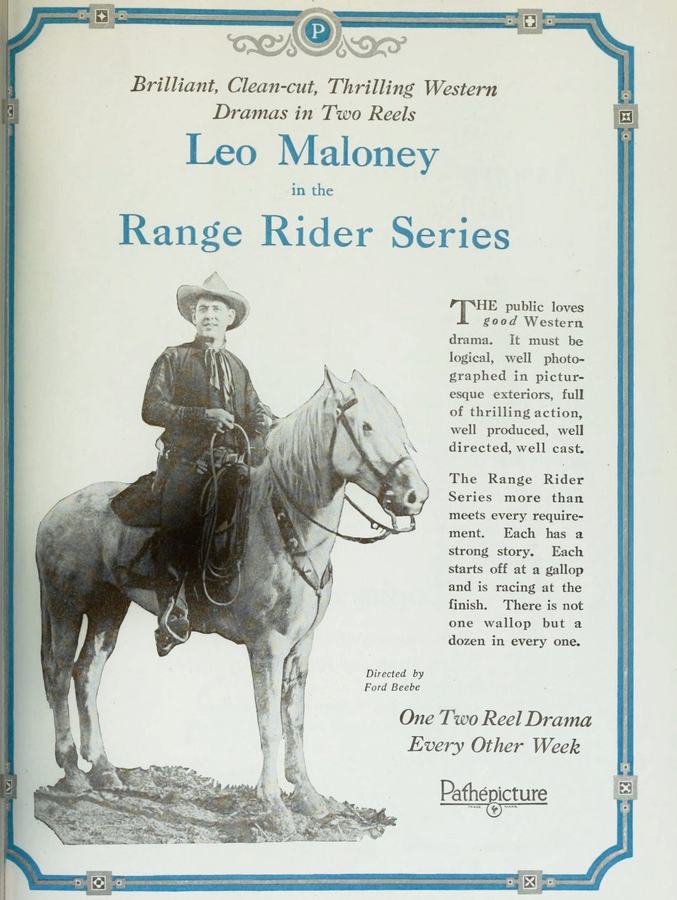
For a film of its vintage, the plot moves with a surprising, albeit deliberate, momentum. The writers, 'Range Rider' and Betty Burbridge, understood the power of clear stakes. Ann Douglas stands to lose everything, and Luke stands to gain it all. This binary opposition fuels the entire narrative, making every gesture and every intertitle laden with importance. It’s a blueprint for countless Westerns that followed, a testament to the enduring appeal of good versus evil on the open range.
The acting in 'The Interferin' Gent' is, by necessity, a masterclass in physical storytelling. Without dialogue, the cast—Al Taylor, Harry Todd, Olive Hasbrouck, Jack McDonald, and Jay Wilsey—relies entirely on exaggerated facial expressions, grand gestures, and body language to convey emotion and intent. This can feel theatrical to modern eyes, yet it was the lingua franca of early cinema, and it's fascinating to observe its effectiveness.
Al Taylor, likely playing a central figure, whether hero or villain, commands the screen with a presence that transcends the lack of spoken words. His intensity, perhaps a furrowed brow held for an extended moment or a decisive stride across the frame, communicates volumes. It's a performance built on conviction, a necessity when every nuance must be visually explicit. Compare this to the understated naturalism favored today, and you appreciate the unique demands of silent acting.
Olive Hasbrouck, portraying Ann Douglas, embodies the stoicism and vulnerability typical of early Western heroines. Her character’s struggle against Joe Luke’s machinations is conveyed through her posture—a slumped shoulder in defeat, a defiant chin raised in resistance. There’s a particular scene where she receives news that presumably threatens her ranch; her reaction, a subtle but profound shift from hope to despair, is communicated purely through her eyes and the slight tremor of her hands. It’s effective. But it’s flawed, lacking the deep psychological exploration modern audiences expect.
Harry Todd, often known for his comedic turns, likely brings a grizzled charm or a touch of levity to his role, providing a much-needed counterpoint to the central drama. Jack McDonald and Jay Wilsey, in their respective parts, contribute to the film’s fabric through their physicality, whether as menacing henchmen or loyal allies. Their performances, while not always subtle, are undeniably committed, a testament to the dedication required in this nascent art form.
I would argue that silent Westerns, despite their technical limitations, often possess a raw, visceral power that later sound films, with all their dialogue and orchestral swells, sometimes struggled to replicate. The silence forces a deeper engagement with the visual narrative, making the viewer a more active participant in constructing the story's emotional landscape.
The directorial choices in 'The Interferin' Gent', while not always credited with a single name in this era, reflect a pragmatic approach to filmmaking. The focus is on clear storytelling, utilizing the vast, untamed landscapes of the West as both backdrop and character. The cinematography, rudimentary by today's standards, nonetheless captures a certain grandeur. Wide shots of riders traversing the open plains are common, establishing scale and the isolation of the frontier.
Natural light is, of course, the primary illumin
IMDb —
1918
Community
Log in to comment.