DbcultAccessing Vault...
Cult Review
Senior Film Conservator
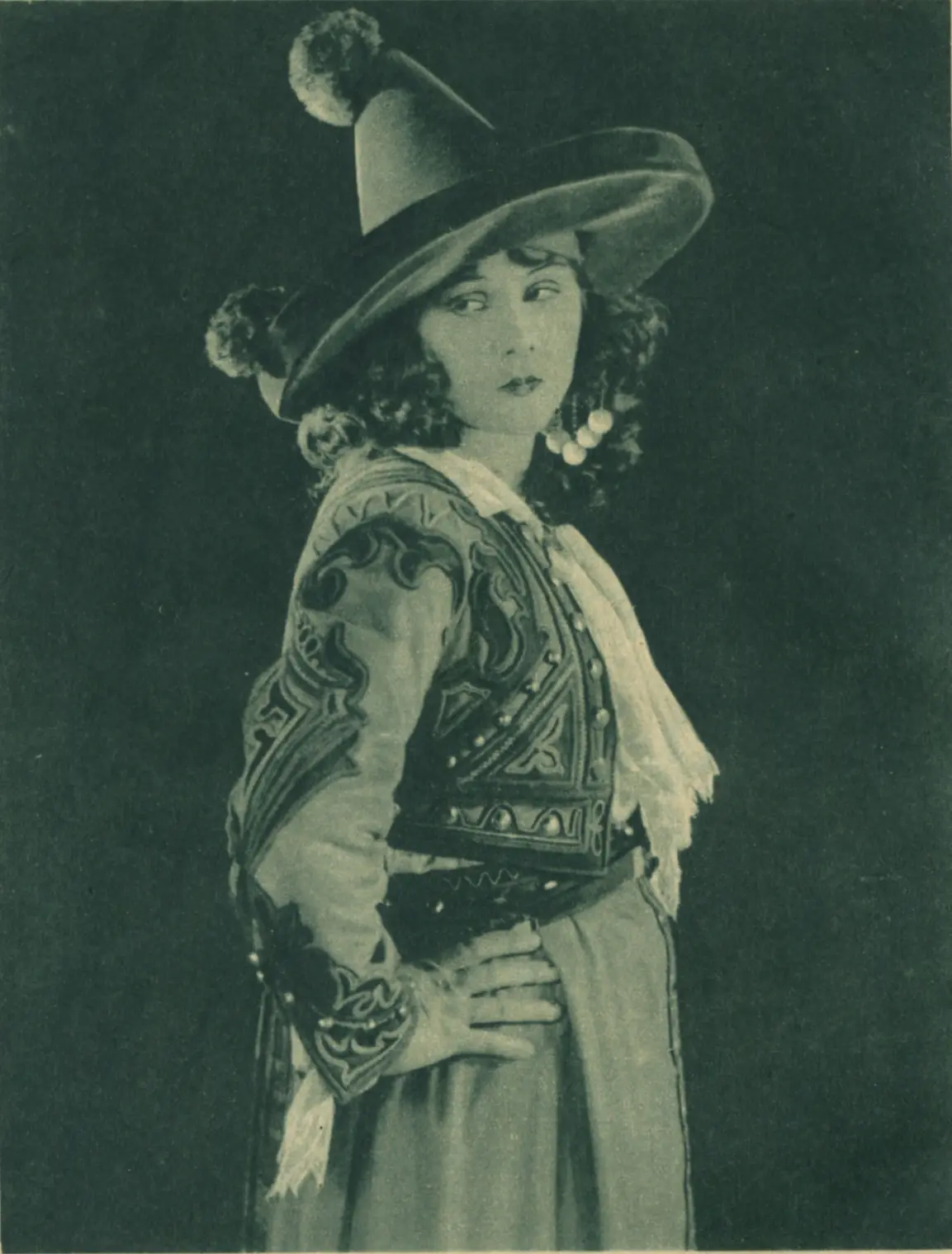
The silent era of the 1920s was a period of profound aesthetic transmutation, where the burgeoning language of cinema sought legitimacy through the pillars of classical literature. Among these ambitious endeavors, André Hugon’s 1924 production of La gitanilla stands as a resplendent, if occasionally overlooked, monument to the enduring power of Miguel de Cervantes’ prose. This is not merely a rote adaptation of the 1613 novella; it is a visual symphony that captures the tension between the sedentary aristocracy and the peripatetic freedom of the Romani people. Hugon, a director known for his technical versatility, manages to infuse the frame with a sense of atmospheric verisimilitude that few of his contemporaries achieved, eschewing the theatrical artifice that plagued many literary translations of the time.
At the heart of this cinematic odyssey is Ginette Maddie, whose portrayal of Preciosa is a masterclass in silent-screen magnetism. Unlike the often-melodramatic heroines seen in films like Polly Put the Kettle On, Maddie possesses a restrained vitality. Her Preciosa is not a victim of her circumstances but a sovereign of her environment. The camera lingers on her movements with a reverential gaze, documenting the rhythmic cadence of her dances as a form of resistance against the encroaching shadows of societal expectation. When she interacts with the ensemble—a cast featuring the stalwart José Durany and the evocative Marie-Louise Vois—there is a palpable sense of community that feels lived-in rather than staged.
The visual grammar of the film is defined by its use of natural light and expansive Spanish vistas, creating a stark contrast to the claustrophobic interiors of the nobility. Hugon utilizes the landscape not as a mere backdrop, but as a psychological character in its own right.
The narrative arc, following Juan’s descent from the heights of privilege into the egalitarian dust of the gypsy camp, serves as a poignant critique of class rigidity. In many ways, Juan’s transformation mirrors the thematic preoccupations found in Hei de Vencer, where the struggle for personal integrity outweighs the comfort of traditional status. However, La gitanilla handles this transition with a unique picaresque flair. The sequence where Juan—now Andrés—must prove his worth through trials of skill and humility is captured with a kinetic energy that predates the modern action-adventure genre. The editing, while constrained by the technology of 1924, exhibits a sophisticated understanding of pacing, ensuring that the internal emotional stakes are always synchronized with the external journey.
One cannot discuss this film without acknowledging its place within the broader spectrum of 1920s European cinema. While German Expressionism was busy exploring the fractured psyche in works like Fridericus Rex - 1. Teil: Sturm und Drang, the French school, led by figures like Hugon, was refining a poetic realism that celebrated the tactile world. The textures of the costumes—the rough wool of the travelers, the delicate lace of the court—are rendered with such clarity that the viewer can almost sense the physical weight of the characters' social positions. This attention to detail elevates the film beyond a simple romance into a sociological study of 17th-century Spain, viewed through the sophisticated lens of the 20th-century avant-garde.
The thematic resonance of 'the hidden noble' is a recurring motif in silent cinema, often appearing in melodramas such as Vanity's Price or the exoticized narratives of A Sister to Salome. Yet, La gitanilla avoids the pitfalls of saccharine sentimentality. The revelation of Preciosa’s true identity is handled with a sense of melancholic inevitability rather than triumphant joy. There is an underlying suggestion that in reclaiming her noble name, she might lose the unfettered spirit that made her Preciosa. This complexity is where Hugon’s direction shines; he allows the ambiguity to linger in the frame, much like the prophetic undertones of The Man Who Saw Tomorrow, though rooted in the past rather than the future.
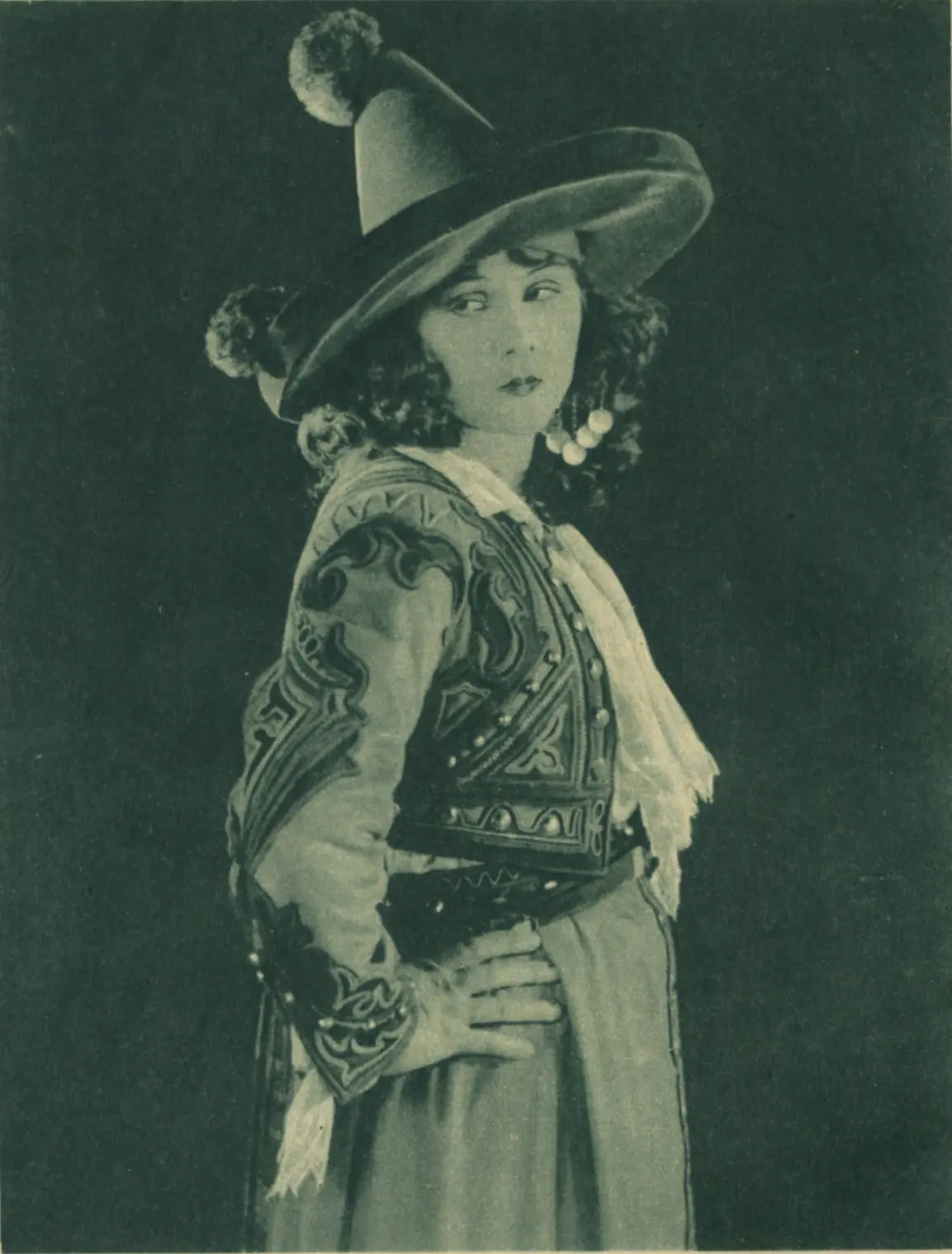
Technically, the film is a marvel of its era. The cinematography employs a range of innovative techniques, from subtle tracking shots that follow the caravans to the use of iris shots that focus the viewer's attention on the minute emotional shifts in Ginette Maddie’s expressive face. The lighting, particularly in the campfire scenes, creates a chiaroscuro effect that rivals the paintings of Ribera or Zurbarán. This painterly approach ensures that every frame is imbued with a sense of historical gravity, preventing the story from feeling like a mere folk tale. It shares a certain ruggedness with Channing of the Northwest, though it trades the icy frontier for the sun-scorched plains of the Iberian Peninsula.
The supporting cast deserves significant accolades for grounding the more fantastical elements of Cervantes' plot. Léon Courtois and Jeanne Bérangère provide a sense of gravitas, representing the older generation’s adherence to tradition and law. Their performances offer a counterpoint to the youthful exuberance of the leads, reminding the audience that the world of La gitanilla is one governed by strict codes of honor and retribution. This moral weight is reminiscent of the stakes found in Moral Suicide, where the consequences of one's choices ripple through the fabric of society.
Furthermore, the inclusion of 'Los Caritos' adds an ethnographic layer to the film, providing a glimpse into authentic Romani culture that was often caricatured in other productions of the era. This commitment to a degree of cultural authenticity—within the bounds of a 1920s perspective—gives the film a dignity that transcends its melodramatic roots. It avoids the reductive 'champion vs. loser' tropes seen in A Champion Loser, instead opting for a nuanced portrayal of a people surviving on the margins of a hostile empire.
As the narrative reaches its crescendo in the halls of the Corregidor, the film’s pacing accelerates, mirroring the frantic efforts to save Juan from the gallows. The tension here is palpable, a testament to Hugon’s ability to manipulate the audience's emotional state through visual storytelling alone. The final reconciliation, while adhering to the conventions of the genre, feels earned through the characters' suffering and growth. It is a resolution that lacks the cynicism of Nearing the End, offering instead a hopeful vision of a world where love can bridge even the widest of social chasms.
In the wider context of silent film history, La gitanilla is a vital link between the early trick films and the sophisticated narrative cinema of the late 1920s. It lacks the militaristic bombast of Famous Battles of Napoleon, choosing instead to focus on the intimate battles of the heart and the quiet struggle for self-determination. It shares a certain pastoral melancholy with At Piney Ridge, yet its European sensibilities give it a more refined, almost decadent edge.
For the modern cinephile, watching this film is an exercise in archaeological discovery. To see Ginette Maddie move through the frame is to witness the birth of the modern screen icon—a figure who is both object of desire and agent of her own destiny. The film’s exploration of 'the other' remains strikingly relevant, echoing the themes of confinement and liberation found in Open the Bars. Hugon’s work here is a reminder that the questions of who we are, where we come from, and who we choose to love are universal, transcending the boundaries of time and medium.
Ultimately, La gitanilla is a triumph of silent storytelling. It takes the bones of a 17th-century novella and breathes into them the fire of 20th-century visual innovation. Whether it is the sweeping shots of the Spanish countryside or the intimate close-ups of a woman caught between two worlds, the film remains a hauntingly beautiful experience. It avoids the simplistic morality of Ragged Robin and the overwrought drama of Maddalena Ferat, carving out its own niche as a sophisticated, soulful, and visually arresting masterpiece. To engage with this film is to step back into a world where the image was king, and where a single glance from a 'gypsy girl' could tell a story more profound than a thousand words.

IMDb —
1921
Community
Log in to comment.