DbcultAccessing Vault...
3/10
Senior Film Conservator
A definitive 3/10 rating for a film that redefined the boundaries of cult cinema. The Joe Gans-Battling Nelson Fight remains a cornerstone of transgressive art.
Imagine a time when the flickering images on a screen were not just entertainment but a window into the world, an unprecedented opportunity to witness events unfolding hundreds, even thousands, of miles away. This was the dawn of cinema, and among its most captivating early subjects were the raw, unscripted dramas of the boxing ring. Few captured the public imagination quite like The Joe Gans-Battling Nelson Fight, a monumental cinematic artifact from 1906 that transports us directly to the dusty, raucous atmosphere of the Nevada goldfields. This wasn't merely a film; it was a cultural phenomenon, a testament to human endurance, racial barriers, and the burgeoning power of the moving image.
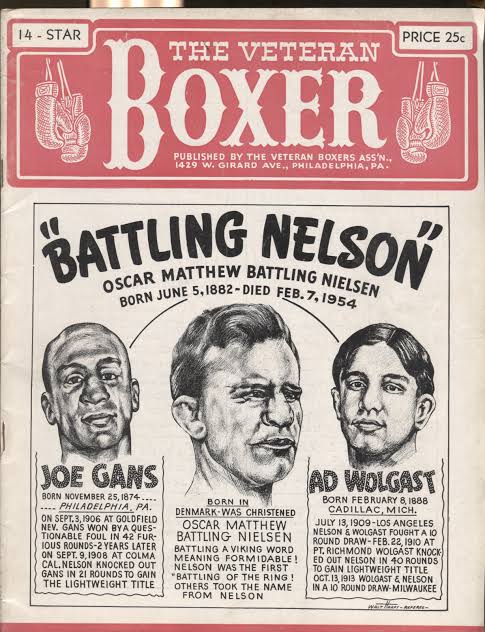
The year is 1906. Goldfield, Nevada, a boomtown pulsating with the feverish energy of prospectors and opportunists, becomes the unlikely backdrop for one of boxing’s most legendary encounters. It's a setting that perfectly encapsulates the rugged, ambitious spirit of early 20th-century America. Into this cauldron steps Joe Gans, the 'Old Master,' a figure of immense historical significance. Gans wasn't just a superb boxer; he was the first African American world lightweight champion, a trailblazer who navigated a deeply segregated society with unparalleled grace and skill inside the ropes. His opponent, Battling Nelson, the 'Durable Dane,' was a relentless, iron-chinned brawler, known for his relentless aggression and ability to absorb punishment. Their clash was more than a fight for a title; it was a symbolic struggle, a narrative rich with social undertones and sporting prowess.
The bout itself was a marathon, stretching an astonishing 42 rounds. For modern audiences accustomed to 12-round contests, this duration is almost unfathomable, a testament to the sheer physical and mental fortitude required of pugilists in that era. The film, in its fragmented glory, attempts to capture this grueling ballet of power and strategy. It offers a window into the tactical brilliance of Gans, whose defensive mastery and precise counter-punching were legendary, contrasting sharply with Nelson's brute force and unyielding pressure. Every jab, every hook, every clinch, though often obscured by the limitations of early cinematography, contributes to a larger tapestry of human endeavor.
Filming a 42-round boxing match in 1906 was an audacious undertaking. The technology was primitive: cameras were bulky, often fixed in position, and hand-cranked. Film stock was expensive and limited, meaning every frame counted. Unlike the dynamic, multi-angle coverage we expect today, these early fight films typically employed a single, static camera, often positioned at a distance to capture the entire ring. This perspective, while lacking intimacy, provides a wide, almost theatrical view of the unfolding drama, allowing the viewer to absorb the full scope of the action, including the reactions of the captivated crowd.
The challenge wasn't just technical; it was logistical. Transporting equipment to a remote gold mining town, setting up in an outdoor arena, and ensuring continuous filming for what could be hours required meticulous planning and considerable resources. The resulting footage, though perhaps grainy and jumpy by today's standards, was revolutionary. It allowed millions who could never afford a ticket to Goldfield, or perhaps were barred by societal norms, to witness this historic event. This democratization of spectacle was a cornerstone of early cinema's appeal, turning local events into national sensations.
The Joe Gans-Battling Nelson Fight didn't emerge in a vacuum. It was part of a burgeoning genre of fight films that captivated early audiences. Predecessors like The Corbett-Fitzsimmons Fight (1897) and its companion, Reproduction of the Corbett and Fitzsimmons Fight, had already set a precedent for the commercial viability and public fascination with cinematic pugilism. These earlier films, often presented as single-reel actualities, were groundbreaking in their own right, offering glimpses of famous athletes in action. However, they were often shorter, less detailed, and sometimes even staged due to the technical difficulties of capturing an entire live event.
By the time Gans and Nelson stepped into the ring, the techniques for filming such events had matured somewhat. Films like the Jeffries-Sharkey Contest (1899) and Sharkey-McCoy Fight Reproduced in 10 Rounds (1899) demonstrated a growing ambition to capture more of the fight's duration and intensity. Yet, The Joe Gans-Battling Nelson Fight stands out for its sheer scale and the historical weight it carries. It wasn't just a fight; it was a championship bout involving a Black athlete at a time when such achievements were both celebrated and fiercely contested, making its documentation all the more significant. The film, therefore, is not merely a record of punches thrown, but a socio-historical document, capturing the raw energy of a nation in flux.
The enduring appeal of The Joe Gans-Battling Nelson Fight lies deeply in its cultural context. Joe Gans, nicknamed 'The Old Master' for his sophisticated technique, was a figure of immense pride and aspiration for the African American community, and a source of fascination (and sometimes discomfort) for white society. His victory over Nelson, though ultimately controversial due to a low blow in the 42nd round, resonated far beyond the boxing world. It was a victory for skill and intellect over brute force, and more subtly, a triumph against the pervasive racial prejudices of the era.
These early fight films, often shown in nickelodeons and vaudeville houses, played a crucial role in shaping public perception of sports and athletes. They allowed ordinary people to engage with national heroes and events on an unprecedented scale. The communal experience of watching these films, of cheering and gasping in unison, contributed to a shared national consciousness. In an age before widespread radio or television, cinema was the primary medium for mass visual communication, and fight films were its blockbusters, drawing crowds eager to witness the spectacle.
The film’s existence also highlights the commercial savvy of early producers who understood the immense draw of sporting contests. These were not art-house features but popular entertainment, designed to generate excitement and profit. The financial stakes involved in filming and distributing such a lengthy event were considerable, indicating the producers' confidence in the fight's drawing power. This commercial aspect, in turn, fueled further innovation in filmmaking, pushing the boundaries of what could be captured and presented to an eager public.
While many early films, particularly those documenting everyday life like Saída dos Operários do Arsenal da Marinha or A Rua Augusta em Dia de Festa, offer charming glimpses into a bygone era, the fight films, and The Joe Gans-Battling Nelson Fight in particular, possess a unique intensity. They capture peak human performance under pressure, unvarnished and raw. The film serves not only as a record of a sporting event but as a time capsule, preserving the kinetic energy of a specific moment in history. It invites us to consider the grit, determination, and often brutal realities of early professional boxing.
The film’s historical importance is multi-faceted. Cinematically, it represents a significant step in the evolution of actuality films, demonstrating increased ambition in length and subject matter. For sports historians, it is invaluable footage of two legendary figures, offering insights into their fighting styles and the rules of the era. Culturally, it underscores the profound impact of boxing on American society, particularly concerning race and celebrity. The surviving fragments of this film are more than just moving images; they are echoes of a powerful narrative, a testament to a time when a championship fight in a dusty Nevada town could electrify a nation and carve its place in the annals of both sports and cinematic history.
To watch The Joe Gans-Battling Nelson Fight today, even in its incomplete form, is to engage with a foundational piece of visual culture. It reminds us of cinema's power to transcend time, allowing us to bear witness to moments that once defined an era. It’s a compelling argument for the preservation of these early works, as they offer invaluable insights into our collective past, far beyond the immediate action they portray. This film isn't just about a fight; it's about the fight to be seen, to be remembered, and to leave an indelible mark on history.
IMDb 5.2
1933
Community
Log in to comment.