DbcultAccessing Vault...
6.8/10
Senior Film Conservator
A definitive 6.8/10 rating for a film that redefined the boundaries of cult cinema. The Johnstown Flood remains a cornerstone of transgressive art.
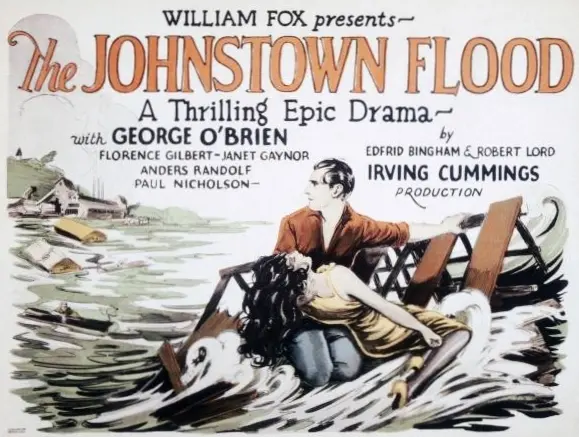
Is The Johnstown Flood worth watching today? Short answer: yes, but with significant caveats. This 1926 silent film, a grand spectacle of its era, offers a fascinating glimpse into early Hollywood’s ambition, blending a heartfelt melodrama with a devastating historical event.
It’s a film for those with a deep appreciation for cinematic history, silent era performances, and the sheer scale of practical effects before the age of CGI. However, those seeking modern narrative pacing, nuanced character development, or a purely documentary approach to historical tragedy might find its theatricality and period conventions a challenging watch.
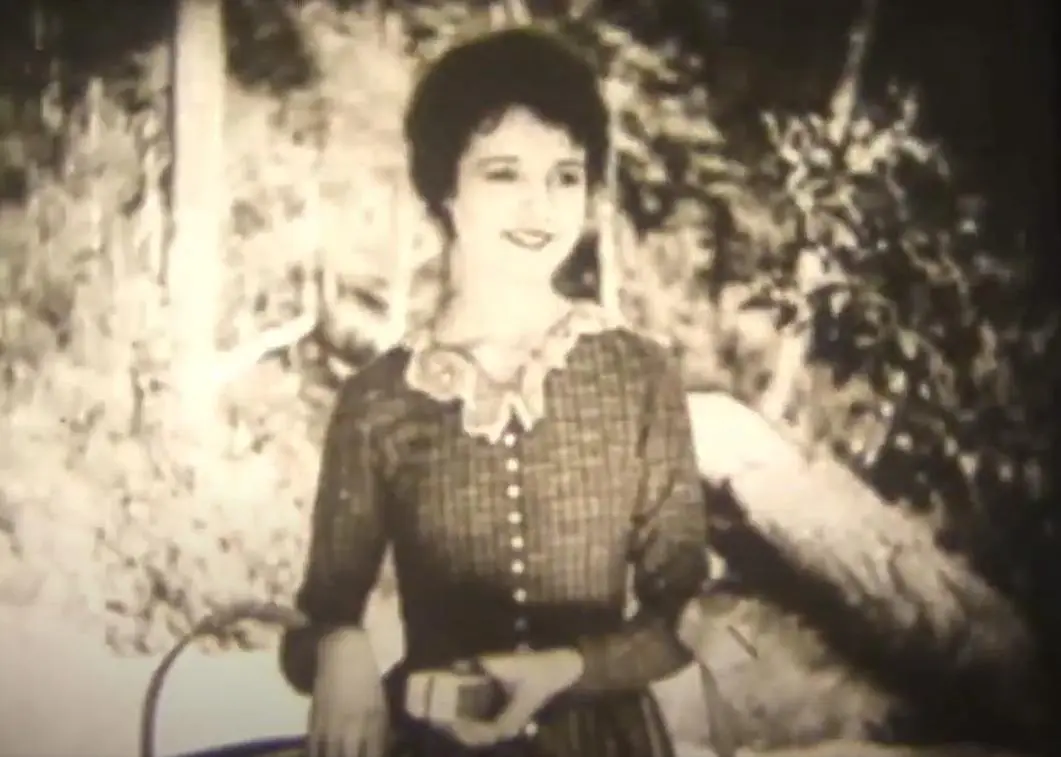
The film’s central narrative, penned by Edfrid A. Bingham and Robert Lord, hinges on a classic love triangle, a staple of early cinema designed to elicit maximum emotional response. Tom O'Day, the quintessential everyman, finds himself unwittingly adored by Anna Burger, a woman whose quiet devotion speaks volumes without uttering a single word.
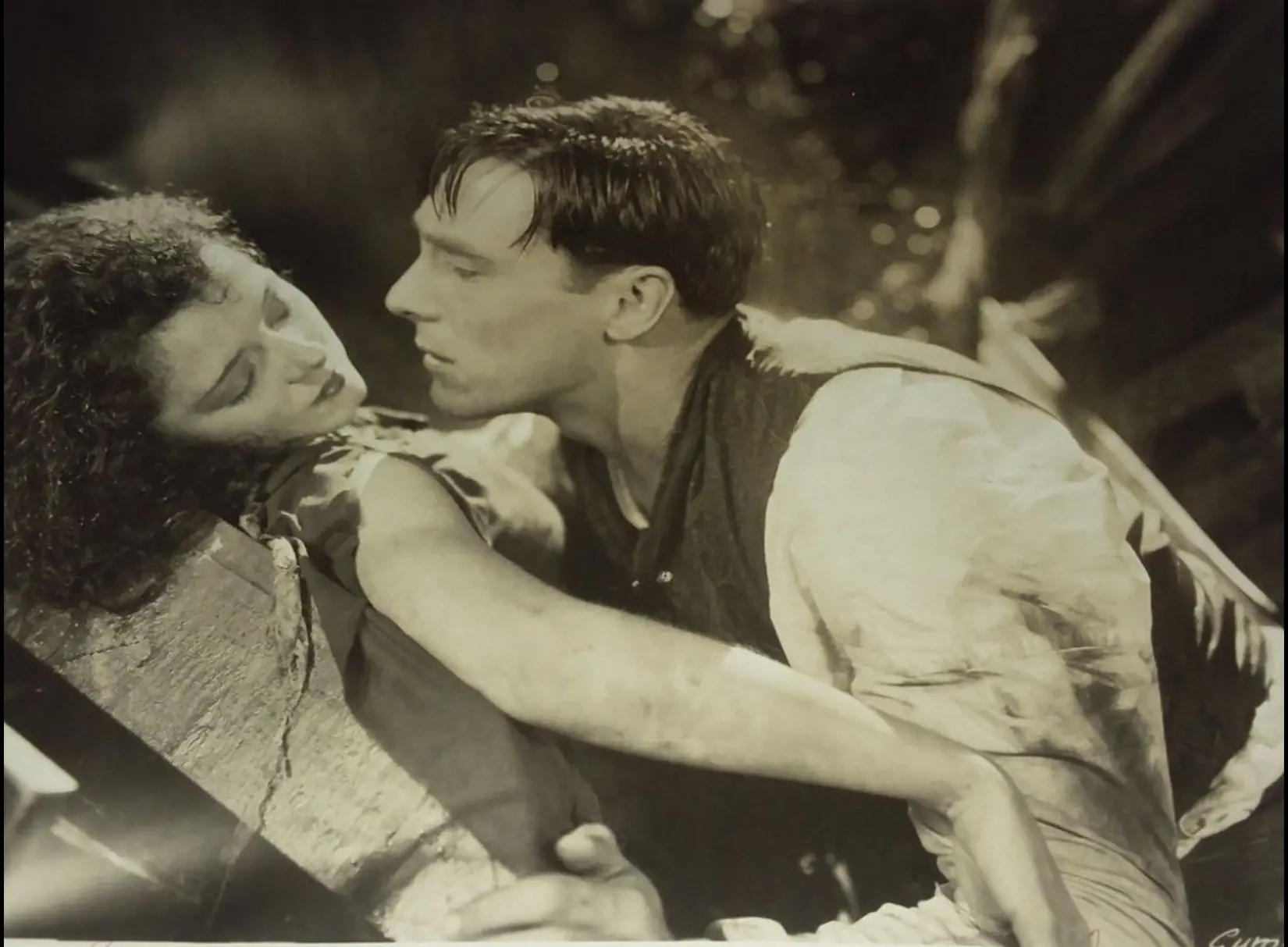
Her love is the film’s silent heartbeat, a tragic counterpoint to Tom’s burgeoning romance with Gloria Hamilton. Tom’s engagement to Gloria is the catalyst, setting in motion a chain of events that will undoubtedly collide with the inevitable disaster foreshadowed by the film's title.
This setup, while familiar, works to ground the impending chaos in human stakes. We are asked to invest in these relationships, to feel the pang of unrequited love and the joy of new romance, knowing full well that a cataclysmic event threatens to sweep it all away. It’s a clever, if somewhat manipulative, way to heighten the tension.
The character of Anna, though often relegated to the background of Tom’s affections, emerges as the most compelling figure. Her silent suffering and unwavering loyalty are far more interesting than Tom’s somewhat oblivious charm or Gloria’s more conventional allure. It is through her unexpressed emotions that the film finds its deepest resonance.
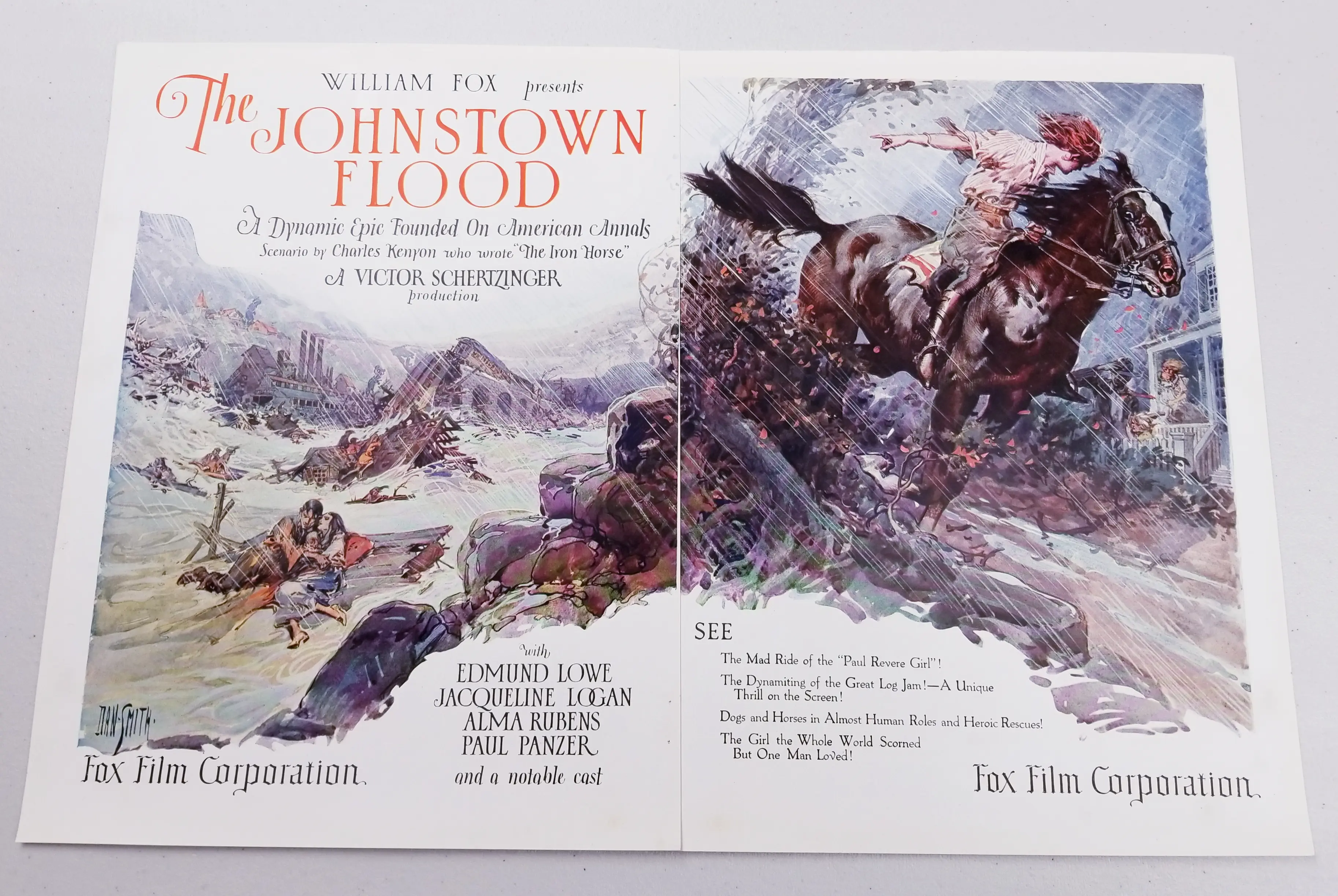
Directed with an eye for spectacle, The Johnstown Flood is a testament to the technical prowess of 1920s filmmaking. The depiction of the flood itself is, without question, the film's crowning achievement.
Using a combination of miniatures, practical effects, and perhaps even real water releases, the destruction of the South Fork Dam and the subsequent inundation of Johnstown are rendered with a terrifying realism that still holds power today. The sheer scale of the set pieces, particularly the moments where buildings crumble and water surges through the streets, is genuinely impressive.
One particular sequence, showing a train caught in the deluge, is a masterclass in early disaster filmmaking. It evokes a sense of genuine panic and helplessness, utilizing rapid cuts and dramatic angles to convey chaos. This is where the film transcends its melodramatic roots and becomes a visceral experience.
However, the film’s visual language isn't solely dedicated to destruction. The early scenes, establishing the idyllic life in Johnstown, employ a softer, more pastoral cinematography, with wide shots that emphasize the community's tranquility before the storm. This contrast makes the eventual devastation all the more impactful, illustrating a world irrevocably lost.
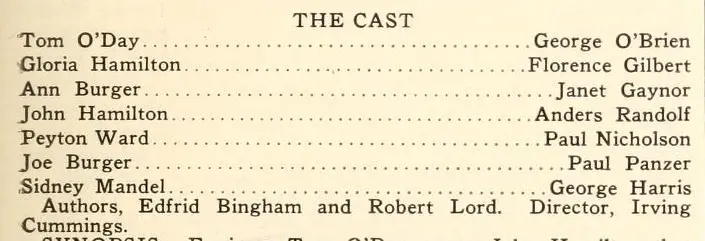
The cast of The Johnstown Flood is a fascinating mix of established silent stars and future legends, a veritable who's who of early Hollywood. While the plot centers on Tom, Anna, and Gloria, the sheer number of credited actors, including nascent appearances by the likes of Gary Cooper and Clark Gable, adds a layer of historical intrigue.
Anders Randolf, as the stoic figurehead, delivers a performance typical of the era, relying on grand gestures and expressive facial work to convey emotion. Kay Deslys, as Anna, is arguably the film’s emotional anchor. Her ability to communicate deep longing and quiet despair through subtle shifts in expression is remarkable, proving that silent acting, at its best, was far from simplistic.
Conversely, Florence Lawrence, as Gloria, embodies the more conventional ingenue. Her performance is charming and effective within the confines of the role, but lacks the profound depth that Deslys brings to Anna.
The fleeting glimpses of future icons like Cooper and Gable, often in uncredited or minor roles, serve as a thrilling Easter egg for modern viewers. While their screen time is minimal, it’s a powerful reminder of how many careers were forged in the crucible of silent cinema. Their presence, however brief, underscores the film's significance as a historical artifact, a snapshot of an industry in flux, giving early opportunities to individuals who would later define an entire era of film.
The acting style, as expected for a silent film, is broad and theatrical, designed to be understood without dialogue. While some modern viewers might find this over-the-top, it's crucial to appreciate it within its historical context. The best performances, like Deslys', manage to transcend this necessity, imbuing their characters with genuine pathos.
The film’s pacing is a curious beast. The initial acts, dedicated to establishing the love triangle and the tranquil community life, can feel somewhat languid by contemporary standards. The melodrama unfolds deliberately, building character dynamics through intertitles and expressive acting rather than rapid plot progression.
However, once the disaster begins, the pace shifts dramatically. It becomes a relentless torrent of action and suspense, mirroring the destructive force of the flood itself. This abrupt change in tempo is effective, creating a jarring contrast between the peaceful beginning and the terrifying climax.
The tone is a fascinating blend of romantic drama and historical tragedy. It’s a film that wants you to feel for its characters’ personal struggles, but also to be awestruck and horrified by the power of nature. This dual focus is both a strength and a weakness; at times, the human drama feels a little lost amidst the spectacle, and at others, the spectacle feels like a backdrop to a somewhat conventional romance.
One could argue that the film struggles to perfectly balance these two elements. The personal stakes, while present, often feel secondary to the impending and then unfolding disaster, which is the true star of the show. This is a common pitfall for disaster films, but it feels particularly pronounced here, perhaps due to the limitations of silent storytelling.
Yes, for specific audiences, The Johnstown Flood absolutely holds value. It's an indispensable artifact for anyone studying the evolution of special effects, the rise of the disaster genre, or the acting conventions of the silent era.
It also offers a powerful, if dramatized, look at a pivotal moment in American history. The film’s ambition, even in its flaws, is commendable. It represents a significant effort to bring large-scale historical events to the screen, demonstrating the nascent power of cinema to both entertain and inform.
For casual viewers, it might be a tougher sell. The lack of spoken dialogue, the reliance on intertitles, and the often exaggerated acting styles require a certain degree of patience and an open mind. But for those willing to engage with its historical context, it offers genuine spectacle and moments of surprising emotional depth. It's a relic. But a compelling one.
This film works because of its audacious special effects and the surprisingly nuanced performance from Kay Deslys. It fails because its melodrama occasionally overshadows the true horror of the historical event. You should watch it if you are a film historian, a fan of early disaster epics, or curious about the early careers of Hollywood legends.
The Johnstown Flood is more than just a silent film; it’s a time capsule. It captures an era when cinema was still finding its voice, yet already capable of breathtaking spectacle. Its portrayal of one of America's deadliest disasters, intertwined with a classic tale of love and loss, speaks to the enduring power of storytelling.
While its melodramatic elements might feel dated, and its pacing occasionally meanders, the film’s technical achievements and historical significance are undeniable. It's a challenging watch, perhaps, but a rewarding one for those who appreciate the foundations upon which modern cinema was built. It works. But it’s flawed. Ultimately, it stands as a monumental effort, a testament to the ambition of early filmmakers, and a compelling piece of cinematic heritage that demands recognition, even if it doesn't always demand outright adoration.
IMDb 5.5
1932
Community
Log in to comment.