DbcultAccessing Vault...
6/10
Senior Film Conservator
A definitive 6/10 rating for a film that redefined the boundaries of cult cinema. The Knight of the Rose remains a cornerstone of transgressive art.
The Knight of the Rose
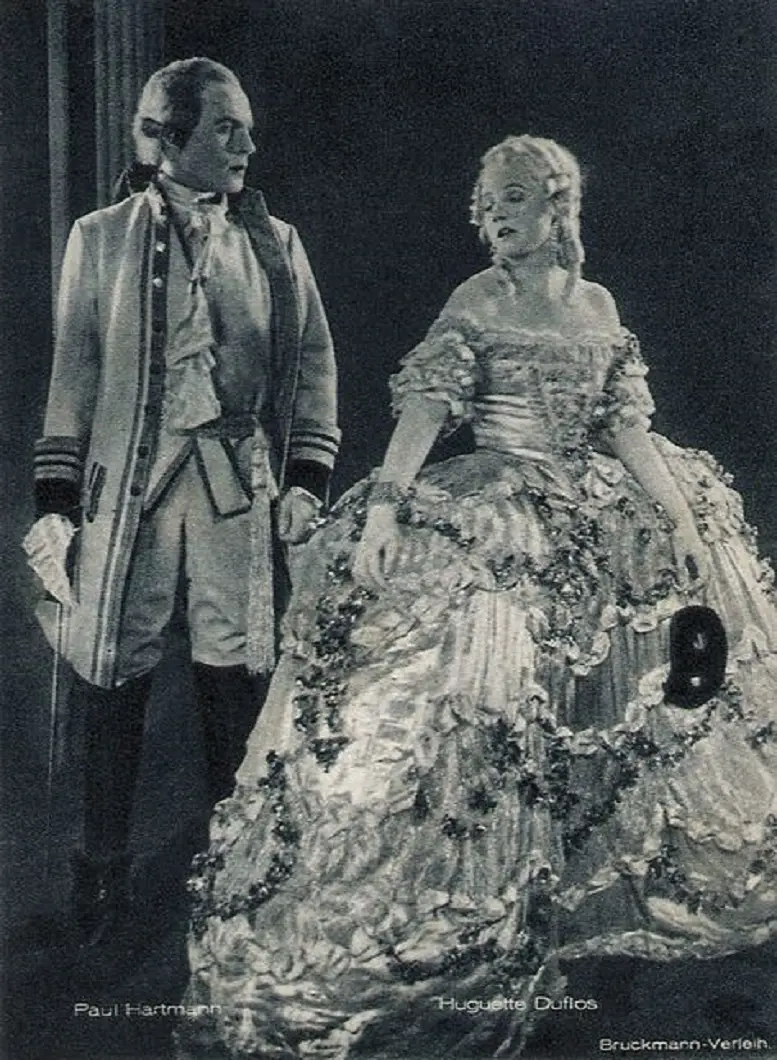
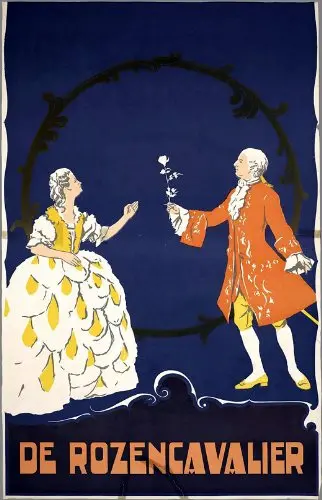
In the early 20th century, the cinematic landscape was dotted with films that sought to capture the essence of societal elites, often focusing on their extravagant lifestyles and the complex web of relationships that defined their existence. Among these, The Knight of the Rose stands out as a seminal work, offering a nuanced exploration of aristocratic life during wartime.
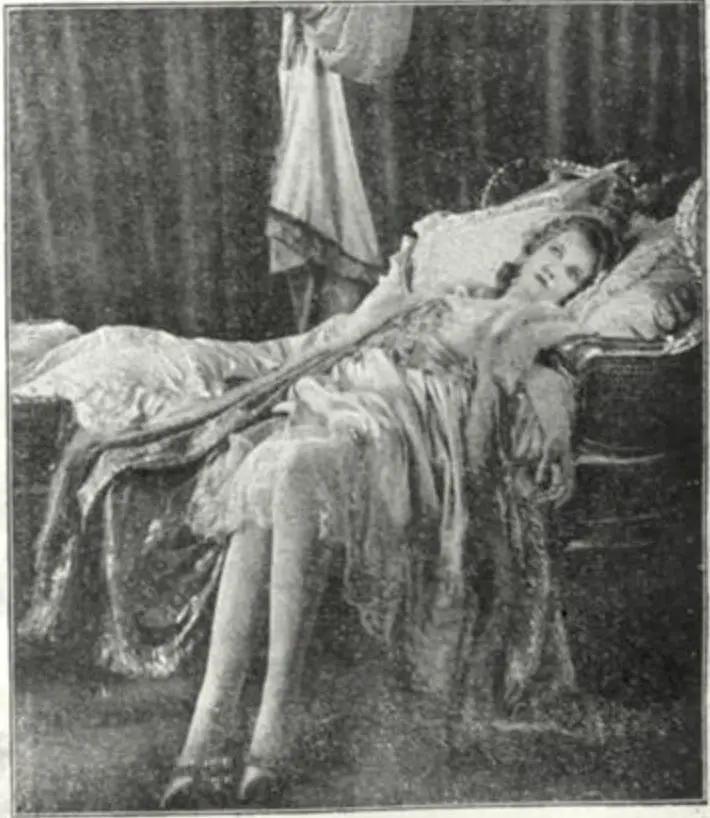
At its core, The Knight of the Rose revolves around the Maréchale de Werdenberg, a woman of considerable influence and beauty, played by Carmen Cartellieri. Her character serves as the emotional and narrative anchor of the film, as she navigates the challenges of her marriage, her role in society, and her personal desires. The Maréchale's storyline is interwoven with that of Octavian, a young and charming individual, portrayed by Friedrich Feher, who becomes her confidant and lover.
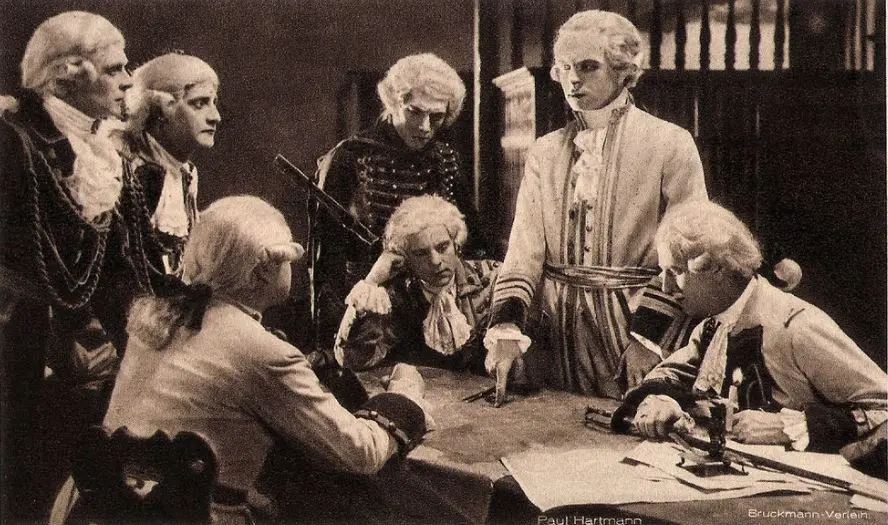
The film's plot thickens with the introduction of Baron Ochs, a cousin of the Maréchale, played by Michael Bohnen. The Baron is a man in need of a suitable marriage, and the Maréchale takes it upon herself to secure his future by introducing him to a young girl. This subplot serves as a catalyst for exploring the themes of duty, love, and the societal expectations that govern the characters' lives.
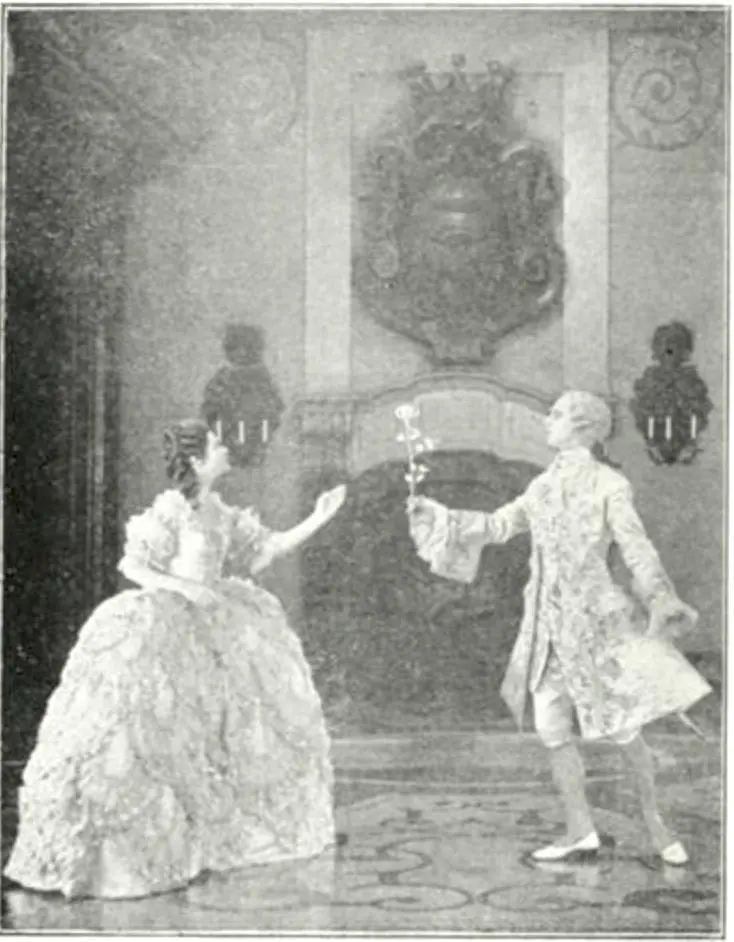
One of the most striking aspects of The Knight of the Rose is its ability to balance the grandeur of its setting with the intimacy of its character studies. The film's direction, led by Robert Wiene, is noteworthy for its use of lighting and composition, creating a visually stunning backdrop against which the characters' stories unfold. This attention to detail is reminiscent of other films from the era, such as Footlights, which also explores the intersection of personal relationships and societal pressures.
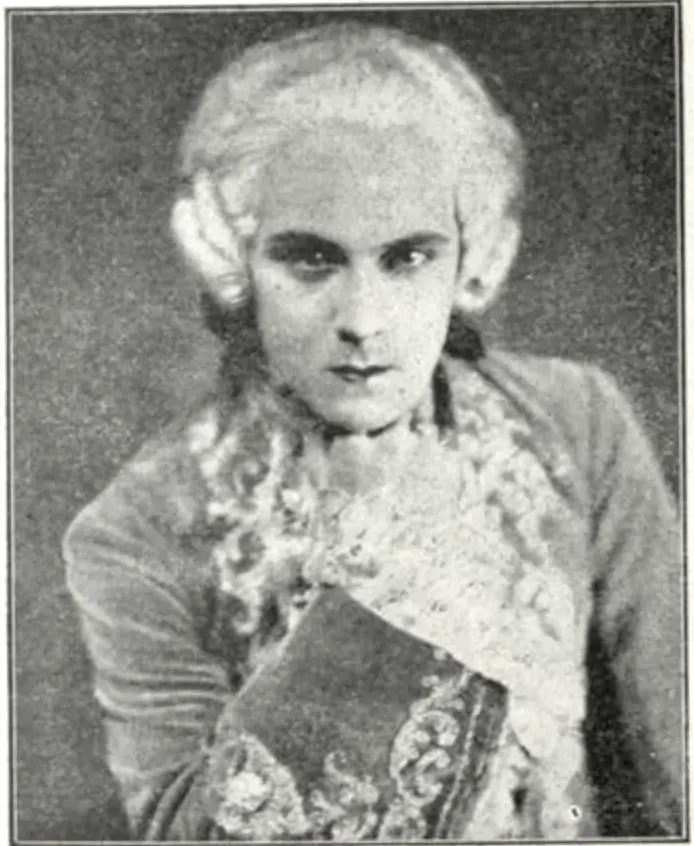
The performances in The Knight of the Rose are equally impressive, with each actor bringing depth and nuance to their respective roles. The chemistry between the leads is palpable, and their portrayals of love, loss, and longing are deeply moving. This is particularly evident in the scenes shared by the Maréchale and Octavian, which are imbued with a sense of urgency and passion.
In examining The Knight of the Rose, it is also useful to consider other films of the period that dealt with similar themes. For instance, The Heart of Jennifer and Man's Plaything offer interesting contrasts in their exploration of personal relationships and societal norms. While The Knight of the Rose is unique in its focus on the aristocracy during wartime, these films collectively contribute to a broader understanding of the cinematic representations of love, duty, and social class during this era.
The film's exploration of the human condition, set against the backdrop of war and social upheaval, lends it a timeless quality. The Knight of the Rose is not merely a historical artifact but a work that continues to resonate with audiences today, thanks to its universal themes and the enduring power of its storytelling.
In conclusion, The Knight of the Rose is a masterpiece of early 20th-century cinema, offering a rich tapestry of characters, themes, and cinematic techniques. Its exploration of love, duty, and the complexities of aristocratic life during wartime is both captivating and thought-provoking. As a film critic, it is a pleasure to revisit and recommend The Knight of the Rose to audiences looking for a cinematic experience that is as intellectually stimulating as it is visually and emotionally engaging.
Ultimately, The Knight of the Rose stands as a testament to the power of cinema to capture the essence of the human experience, even in the most trying of times.
IMDb 6.6
1927
Community
Log in to comment.