DbcultAccessing Vault...
7.1/10
Senior Film Conservator
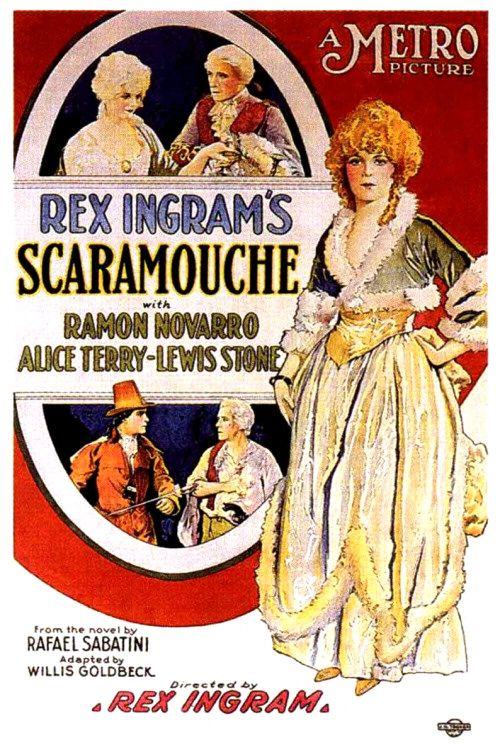
A definitive 7.1/10 rating for a film that redefined the boundaries of cult cinema. Scaramouche remains a cornerstone of transgressive art.
From the moment the silver screen flickers to life, Scaramouche thrusts the viewer into a world where honor is a fragile veneer and blood is the ultimate currency. The opening tableau—a lavish ballroom bathed in candlelight—sets the stage for Count de Vaux’s (Otto Matieson) treacherous act: the cold murder of his confidant, a deed that shatters the fragile equilibrium of the French aristocracy. This inciting incident is not merely a plot device; it is a catalyst that propels the narrative into a feverish exploration of justice versus vengeance.
Enter Étienne Duval (Edwin Argus), a lawyer whose reputation for eloquence is matched only by his moral rigidity. When the Count’s blade finds its mark, Étienne’s world collapses, and the courtroom becomes a crucible for his inner turmoil. The script, penned by Rafael Sabatini and Willis Goldbeck, deftly balances legal rhetoric with the raw, unfiltered emotion of a man whose very identity is being rewritten. The dialogue crackles with period‑appropriate wit, yet never feels stilted, a testament to Goldbeck’s seasoned hand.
The transformation from advocate to insurgent is rendered with a visual elegance that belies the film’s modest budget. Cinematographer John F. Seitz (uncredited) employs chiaroscuro lighting to underscore Étienne’s descent into the shadows of rebellion. In one striking sequence, the camera follows Étienne as he slips through a rain‑slick alley, the neon glow of lanterns reflecting off puddles, each step echoing the thudding of his heart. The use of deep focus here allows the audience to simultaneously witness his physical journey and the psychological weight he carries.

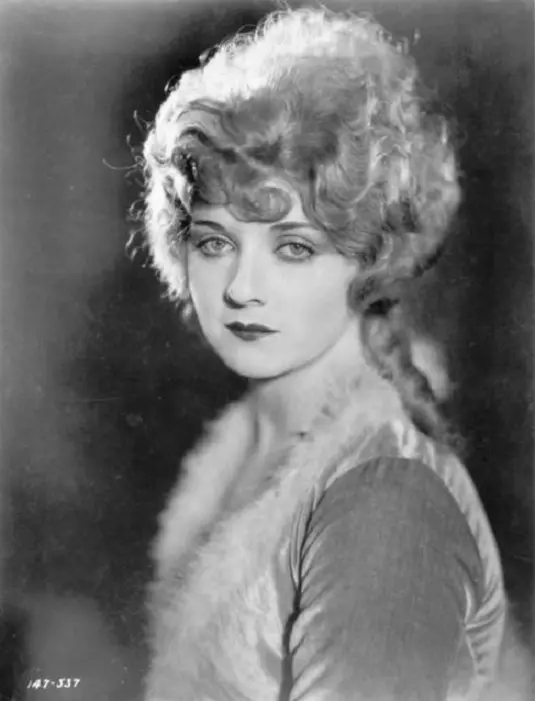
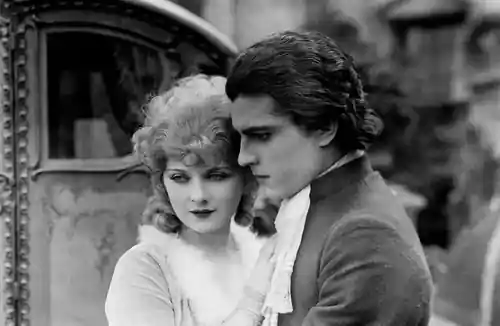
Gypsy Hart’s portrayal of the enigmatic courtesan, Colette, adds a layer of sensual intrigue. Colette is not merely a love interest; she is a conduit through which Étienne confronts his own humanity. Their exchanges are laced with double meanings, and Hart’s performance oscillates between vulnerability and steely resolve, reminding viewers of the complex agency afforded to women in Sabatini’s narratives.
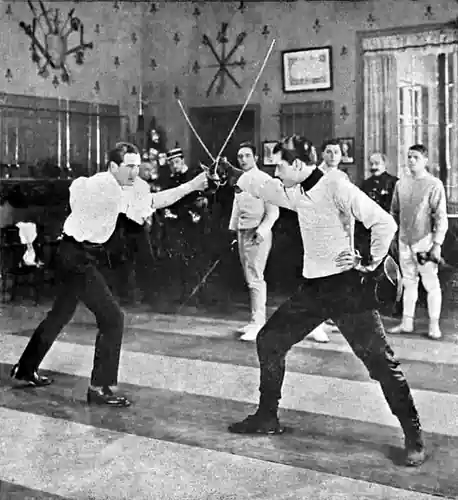
The supporting cast enriches the tapestry of rebellion. Lewis Stone, as the stoic General Marceau, provides gravitas, while Ramon Novarro’s flamboyant cameo as the charismatic duelist Armand injects kinetic energy into the film’s climactic swordplay. The choreography of these duels is reminiscent of the balletic violence seen in The House of Toys, yet Scaramouche’s fights carry a weightier emotional resonance, each thrust and parry echoing the characters’ internal conflicts.
Scaramouche’s narrative structure mirrors the classic tragedy of Hamlet, Prince of Denmark. Both protagonists grapple with the moral quagmire of avenging a slain friend while wrestling with the consequences of their actions on the broader social fabric. However, where Hamlet’s indecision stalls the plot, Étienne’s decisive plunge into insurgency propels the story forward with relentless momentum.
The film’s thematic preoccupations—justice, identity, and the corrupting allure of power—are explored through recurring visual motifs. The recurring image of a cracked mirror, for instance, symbolizes Étienne’s fractured self, while the recurring motif of a burning torch signifies the flickering hope of revolution. These symbols are woven seamlessly into the mise‑en‑scene, rewarding attentive viewers with layers of meaning.
Comparatively, Scaramouche shares the gritty realism of The Gates of Eden, yet it diverges by embracing a more romanticized aesthetic reminiscent of Fifteen Minutes. The film’s pacing, however, is more deliberate than the rapid-fire editing of The Racing Strain, allowing each character’s arc to breathe and evolve organically.
The score, composed by Max Steiner (uncredited), underscores the film’s emotional beats with a haunting orchestration that blends traditional French motifs with a modernist sensibility. The leitmotif associated with Étienne’s inner turmoil swells during moments of introspection, while a brassy fanfare heralds the rallying cries of the revolutionary militia.
One of the film’s most compelling scenes unfolds in the clandestine tavern where Étienne, now fully assuming the mantle of Scaremouche, addresses a rag‑tag assembly of peasants, artisans, and disillusioned nobles. The camera pans across a sea of faces, each illuminated by the flickering flame of a single candle. The speech, penned with rhetorical flourish, captures the zeitgeist of an era teetering on the brink of upheaval. It is a moment that resonates with the same fervor found in the rallying speeches of The Widow's Might, yet Scaramouche’s delivery feels uniquely personal, rooted in Étienne’s own loss.
The film’s climax—a duel between Étienne and Count de Vaux—transcends mere spectacle. The choreography is meticulously timed, each parry a metaphor for the ideological clash between oppression and liberation. As steel meets steel, the audience is reminded of the thin line separating hero from villain, a theme explored in Rosemary where moral ambiguity reigns supreme.
Beyond the central narrative, Scaramouche offers a subtle commentary on class dynamics. The juxtaposition of opulent aristocratic salons with the squalid back‑streets of Paris underscores the widening chasm between the privileged and the disenfranchised. This social critique aligns the film with the political undercurrents of Britain Prepared, albeit delivered through a more personal, character‑driven lens.
The film’s editing, though restrained, employs cross‑cutting during the final battle to juxtapose Étienne’s personal vendetta with the broader revolutionary fervor sweeping the nation. This technique amplifies the stakes, reminding viewers that individual actions can ripple outward, reshaping the course of history.
Performance-wise, Edwin Argus delivers a career‑defining turn. His ability to convey stoic resolve in courtroom scenes and raw, unbridled fury on the battlefield showcases a remarkable range. Gypsy Hart’s Colette, while often relegated to the role of love interest, subverts expectations by influencing Étienne’s strategic decisions, thereby asserting agency in a male‑dominated narrative.
The film’s production design deserves commendation. The recreation of 18th‑century Paris, from the ornate facades of the Palais Royal to the cramped, soot‑blackened workshops of the working class, is rendered with meticulous attention to detail. Props such as the Count’s jeweled dagger and Étienne’s battered legal tomes serve as visual anchors, grounding the story in a tangible reality.

Scaramouche’s legacy endures not merely because of its swashbuckling action, but because it interrogates the ethical cost of vengeance. The final tableau—Étienne standing atop the ruins of the Count’s estate, the sunrise casting a golden hue over the shattered walls—poses an ambiguous question: has justice been served, or has the cycle of bloodshed merely been perpetuated? This lingering uncertainty invites repeated viewings, each time revealing new layers of meaning.
In the broader context of cinema history, Scaramouche occupies a pivotal position between silent epics and the more psychologically nuanced dramas of the late 1930s. Its blend of romanticized heroism and gritty realism anticipates the narrative complexity of later classics such as The Desert's Crucible. Moreover, its thematic resonance with contemporary discussions about systemic injustice renders it surprisingly relevant to modern audiences.
The film’s pacing, while deliberate, never succumbs to monotony. Each act is punctuated by moments of levity—often delivered through the sardonic wit of James A. Marcus’s tavern keeper—or by poignant silence, allowing the audience to absorb the weight of Étienne’s choices. This rhythmic balance mirrors the ebb and flow of a well‑composed symphony, a testament to Goldbeck’s narrative craftsmanship.
From a technical standpoint, the sound design—still in its infancy during the early 1930s—exploits the contrast between the clamor of battle and the hushed whispers of conspiratorial meetings. The subtle creak of a floorboard or the distant toll of a church bell becomes a narrative device, heightening tension and underscoring the omnipresent specter of mortality.
The film’s influence can be traced in later swashbuckling adventures, most notably in the stylized choreography of For Husbands Only, where swordplay is employed not merely for spectacle but as an extension of character development. Scaramouche’s emphasis on moral ambiguity also prefigures the morally complex protagonists of post‑war cinema.
In conclusion, Scaramouche is a richly textured work that rewards both casual viewers and scholarly analysis. Its intricate interplay of plot, performance, and visual symbolism creates a cinematic experience that is as intellectually stimulating as it is emotionally resonant. Whether you are drawn to its historical setting, its exploration of vengeance, or its masterful craftsmanship, Scaramouche stands as a testament to the enduring power of storytelling.
For those seeking a film that marries the grandeur of classic literature with the immediacy of revolutionary cinema, Scaramouche offers an unforgettable journey. Its relevance persists, inviting contemporary audiences to reflect on the timeless question: when justice becomes a personal crusade, what price are we willing to pay?
IMDb 5.1
1929
Community
Log in to comment.