DbcultAccessing Vault...
Cult Review
Senior Film Conservator
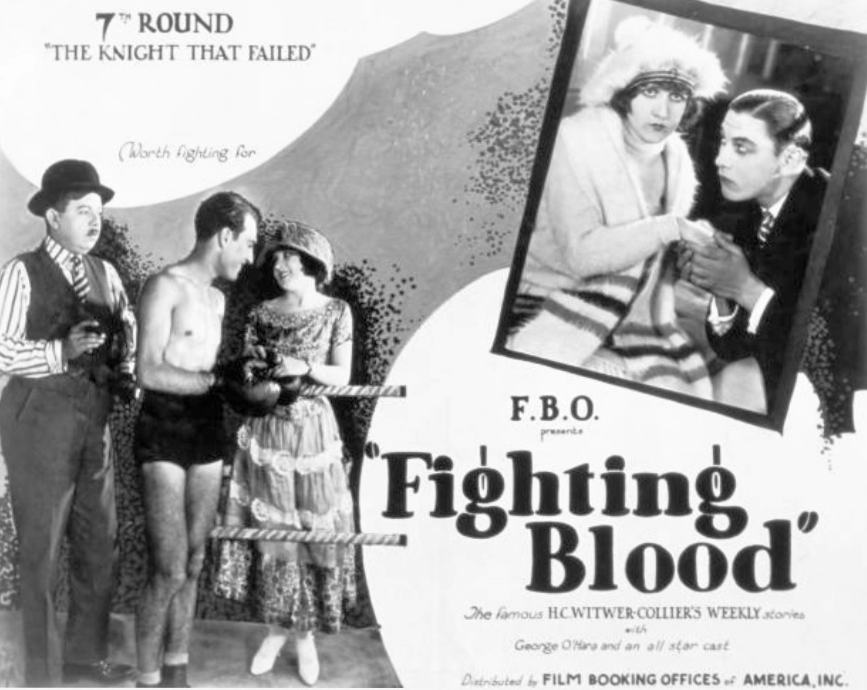
The Knight That Failed is a cinematic tapestry that intricately weaves together the threads of chivalry, honor, and unrequited love, set against the backdrop of a bygone era, where the notion of valor and bravery was often synonymous with folly and misadventure, as seen in films like A Son of the Hills and Vallfarten till Kevlaar.
At the helm of this narrative is a hapless knight, played by George O'Hara, who embodies the quintessence of ineptitude, as he navigates a complex web of relationships and misadventures, often finding himself at the mercy of his own ineptitude, much like the protagonist in Bill's Baby.
As the knight's journey unfolds, the lines between valor and buffoonery become increasingly blurred, echoing the satirical undertones of The Superman and the swashbuckling escapades of Buffalo e Bill, all while the knight's own ineptitude threatens to upend the very fabric of his existence, leading to a series of sea blue moments of introspection and self-doubt.
The film's narrative is further complicated by the introduction of a talented cast, including Clara Horton and Kit Guard, who bring to life a range of characters that add depth and nuance to the story, from the sea blue hues of melancholy to the dark orange tones of passion and intrigue.
Throughout the film, the writers, including H.C. Witwer and Darryl F. Zanuck, demonstrate a keen understanding of the human condition, expertly crafting a narrative that is both a commentary on the societal norms of the time and a timeless exploration of the human experience, as seen in films like Rebecca of Sunnybrook Farm and Bella Donna.
The film's use of dark orange and yellow hues adds a sense of vibrancy and energy to the narrative, while the sea blue moments of introspection provide a poignant counterpoint to the overall tone of the film, creating a visual landscape that is both captivating and thought-provoking, much like the cinematic worlds of Behind Closed Doors and Yakko no kôsan.
In terms of cinematic comparisons, The Knight That Failed can be seen as a precursor to films like The Golden Snare and The Flaming Sword, which also explore themes of honor, love, and adventure, albeit in different contexts and with varying degrees of success, as seen in the yellow hues of optimism that permeate these films.
Ultimately, The Knight That Failed is a film that will resonate with audiences who appreciate a good satire, a compelling narrative, and a healthy dose of sea blue melancholy, as well as those who enjoy films like A Soul Without Windows and Beach Birds, which also explore the human condition in unique and thought-provoking ways.
As the credits roll on The Knight That Failed, viewers will be left to ponder the complexities of the human experience, the nature of honor and valor, and the enduring power of love and relationships, all set against the backdrop of a bygone era, where the boundaries between reality and satire were often blurred, much like the yellow hues of nostalgia that permeate this film.
In conclusion, The Knight That Failed is a cinematic gem that deserves to be rediscovered and reappreciated, offering a unique blend of satire, adventure, and romance that will captivate audiences and leave them sea blue with melancholy, yet ultimately uplifted by the film's yellow hues of optimism and its dark orange tones of passion and intrigue.
IMDb —
1919
Community
Log in to comment.