DbcultAccessing Vault...
5.3/10
Senior Film Conservator
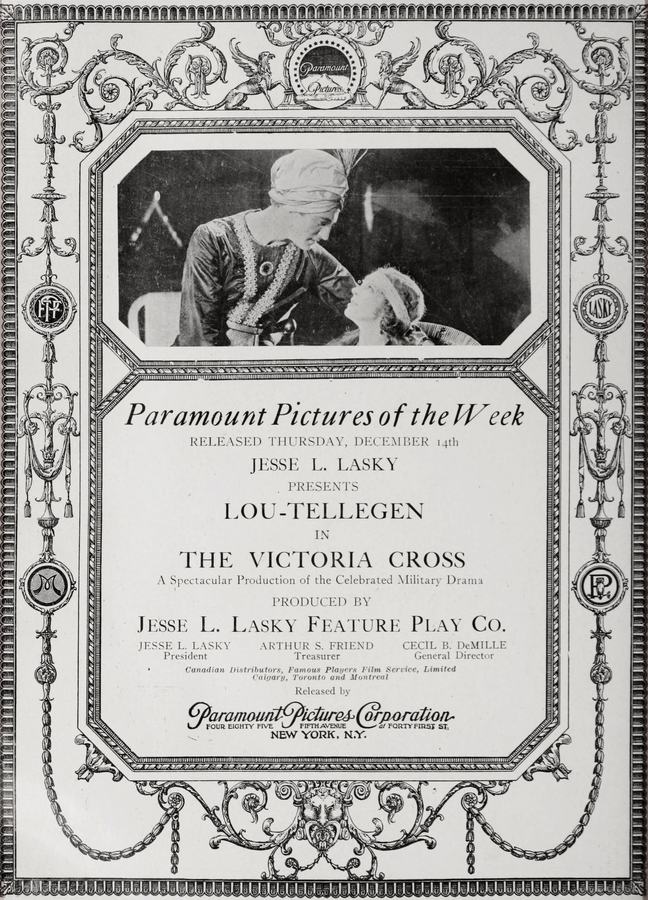
A definitive 5.3/10 rating for a film that redefined the boundaries of cult cinema. The Victoria Cross remains a cornerstone of transgressive art.
Stepping back into the cinematic landscape of the early 20th century, we encounter a potent melodrama that grapples with themes as enduring as time itself: honor, disgrace, redemption, and the fierce grip of love. Paul M. Potter and Margaret Turnbull's narrative, brought to life in 'The Victoria Cross,' is a sweeping saga set against the tumultuous backdrop of the 1857 Sepoy Rebellion in British India. This isn't just a historical drama; it's a deeply personal journey for its protagonist, Major Ralph Seton, portrayed with admirable intensity by Lou Tellegen, whose character arc serves as the very spine of the film's emotional resonance.
The film opens with Major Ralph Seton already a figure of considerable esteem. Stationed in Cawnpore, a name synonymous with brutal conflict during the Sepoy Rebellion, Seton distinguishes himself through acts of profound courage. His bravery is not merely acknowledged but enshrined in the highest possible military accolade: the Victoria Cross. This medal, a symbol of supreme sacrifice and unwavering duty, elevates him to an almost mythic status within his regiment and, crucially, in the eyes of Joan Strathallen, played by the luminous Cleo Ridgely. Joan, the daughter of Seton's commanding officer, embodies the ideals of virtue and societal expectation, making her admiration a powerful testament to Seton's perceived character. His initial triumph, however, is merely the prelude to a precipitous fall. The narrative deftly pivots from the battlefield's stark heroism to the more insidious dangers of personal failing. A night of unbridled revelry, fueled by drink, shatters the meticulously constructed facade of his impeccable character. This isn't a mere lapse in judgment; it's a public unraveling, culminating in the stripping of his Victoria Cross and a profound disgrace that echoes through the colonial society. The juxtaposition of his recent valor with this sudden ignominy is devastating, particularly because it unfolds directly before Joan, tarnishing his image in the very place he sought to shine brightest. The film brilliantly captures the crushing weight of public shame, a theme that resonates with other tales of lost honor, such as in The Life Story of John Lee, or The Man They Could Not Hang, where a protagonist battles societal condemnation.
Just as Seton grapples with the wreckage of his reputation, the larger political landscape erupts. The Sepoy Rebellion, a historical event of immense brutality and consequence, provides a visceral backdrop for Seton's personal drama. The film introduces Azimoolah, a pivotal figure in the uprising, whose actions serve as the ultimate catalyst for Seton's redemption arc. Azimoolah, likely portrayed with a nuanced blend of menace and charisma by a performer like Sessue Hayakawa, instigates a widespread native rebellion, turning the simmering tensions into an inferno. In a move calculated to destabilize the British presence and perhaps to inflict personal torment, Azimoolah orchestrates the kidnapping of Joan Strathallen. This act transforms the geopolitical conflict into a deeply personal vendetta, injecting a desperate urgency into Seton's shattered existence. The plight of Joan, now a hostage amidst the chaos, becomes the singular focus that can pull Seton from his self-pity and propel him towards a path of arduous, dangerous atonement. This narrative device, where personal stakes intertwine with grand historical events, is a hallmark of compelling storytelling, reminiscent of the emotional intensity found in films like Hearts and the Highway, where love and danger are inextricably linked.
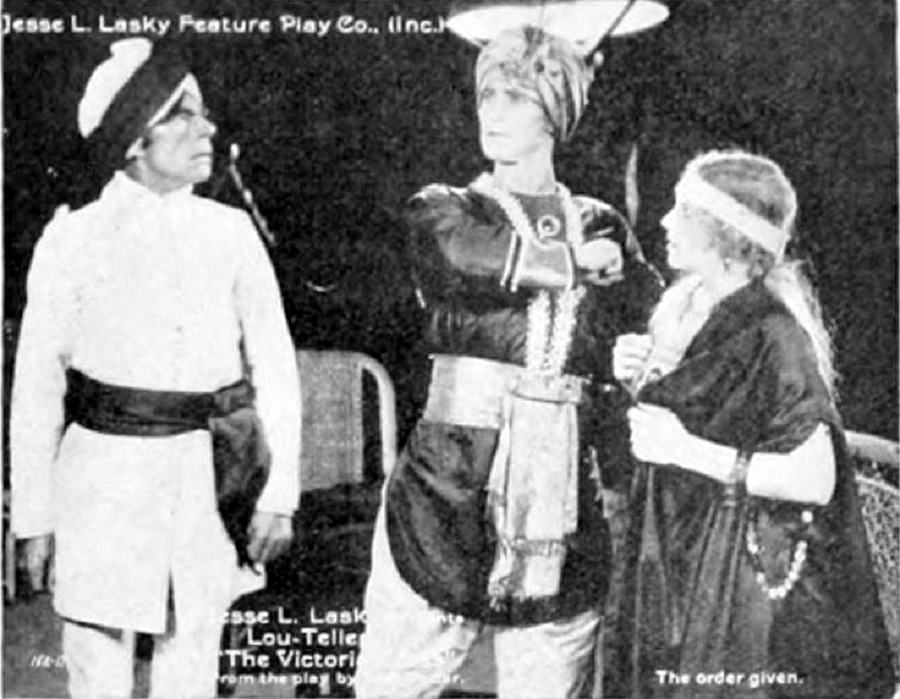
Stripped of his rank, his honor, and his love, Seton is left with nothing but a burning desire for reclamation. His journey to save Joan is not merely a physical pursuit but a profound internal struggle to regain his self-respect and the respect of others. The film masterfully portrays this dual quest. Every obstacle he overcomes, every danger he confronts, serves not only to advance the plot but also to incrementally restore the fragments of his shattered integrity. The narrative thrust is powerful: Seton, once celebrated for his adherence to military discipline, must now operate outside the conventional rules, employing cunning and sheer will to navigate the treacherous landscape of the rebellion. His actions become a testament to his true character, revealing a heroism that transcends mere medals and formal recognition. This desperate, solitary mission echoes the singular drive of protagonists in films like Vengeance Is Mine!, where personal resolve fuels a seemingly impossible quest.
In the silent era, the burden of conveying complex emotions and intricate plot points fell heavily on the actors' physicality and facial expressions, as well as the director's ability to compose evocative scenes. Lou Tellegen, as Major Ralph Seton, delivers a performance that oscillates between the proud, almost arrogant officer and the tormented, humbled outcast. His portrayal of Seton's internal conflict—the shame, the regret, and the rekindled determination—is particularly compelling. Cleo Ridgely imbues Joan Strathallen with a blend of vulnerability and quiet strength, making her a sympathetic figure whose peril genuinely motivates the audience's investment in Seton's quest. While the plot summary doesn't detail Sessue Hayakawa's specific role, his presence in the cast list is significant. Hayakawa, a star of immense magnetism and subtlety, often played complex, dignified, and sometimes villainous characters, particularly those who challenged Western perceptions. If he indeed portrays Azimoolah or another prominent Indian figure, his performance would undoubtedly add layers of gravitas and intensity, elevating the film beyond a simple hero-villain dynamic. His ability to convey powerful emotion with minimal overt gestures would have been invaluable in a silent film set against such a politically charged backdrop. The direction, guided by Paul M. Potter and Margaret Turnbull's screenplay, must have emphasized sweeping visuals to convey the scale of the rebellion and intimate close-ups to capture the characters' emotional turmoil. The visual language of the film, from the grandeur of the British colonial presence to the rugged landscapes of India and the intensity of battle sequences, would have been crucial in immersing audiences in this dramatic narrative. This visual storytelling is paramount, much like the careful framing and scene construction seen in films exploring social commentary such as Das Recht aufs Dasein.
'The Victoria Cross' doesn't shy away from its challenging historical context. The Sepoy Rebellion was a brutal chapter in colonial history, marked by immense suffering on both sides. While the film's primary focus is the personal drama of Seton, it uses the rebellion as more than just a convenient plot device; it's an inescapable force that shapes destinies and tests moral boundaries. The depiction of Azimoolah and the native uprising, while filtered through a likely Western lens of the time, provides a glimpse into the tensions and conflicts inherent in colonial rule. The film implicitly, or perhaps explicitly, explores the complexities of duty, loyalty, and the devastating consequences of imperial power struggles. This contextual depth is what elevates it beyond a simple adventure story, inviting viewers to consider the broader implications of Seton's actions within a morally ambiguous world. The portrayal of exotic locales and the clash of cultures also draws parallels with other adventure narratives of the era, such as The Jungle Child, which similarly leverages its setting for dramatic impact.
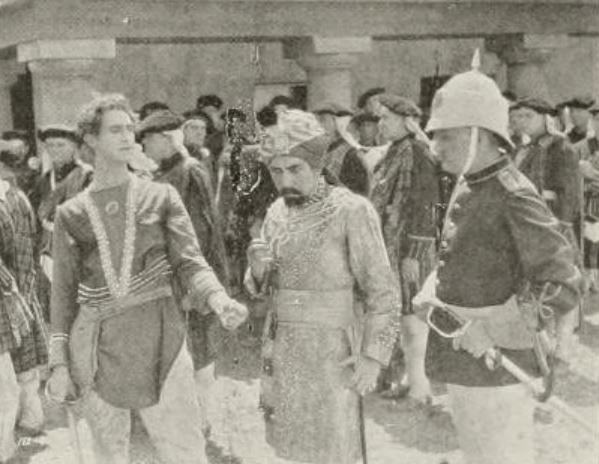
What truly makes 'The Victoria Cross' resonate, even decades later, is its unwavering commitment to the theme of redemption. Seton's journey is a powerful testament to the human capacity for change and atonement. He doesn't merely seek to save Joan; he seeks to save himself from the abyss of his own failures. This quest for self-worth, for a second chance, is a universal human desire that transcends historical periods and cultural contexts. The film suggests that true honor isn't merely bestowed; it's earned through action, perseverance, and a willingness to confront one's demons. The climactic rescue, therefore, isn't just a triumph over external foes but a profound internal victory for Seton. The narrative arc, from hero to zero and back again, is a timeless storytelling trope that continues to captivate audiences, much like the transformative journeys depicted in films focusing on personal growth and overcoming adversity, such as The Keys to Happiness.
'The Victoria Cross' stands as a compelling example of early cinema's ability to weave complex narratives against grand historical tapestries. It is a film that, despite its age, speaks to perennial human struggles: the allure of power, the fragility of reputation, the enduring strength of love, and the arduous, often painful, path to redemption. The performances, particularly Tellegen's nuanced portrayal of Seton, would have been central to its impact, allowing audiences to connect deeply with his character's triumphs and tribulations. The film's engagement with the Sepoy Rebellion, even if viewed through the lens of its time, adds a layer of historical significance, making it a valuable artifact for understanding both cinematic evolution and societal attitudes towards colonial narratives. It reminds us that even in an era without synchronized sound or sophisticated special effects, the power of a well-told story, compelling characters, and universal themes could captivate and move audiences profoundly. The narrative structure, focusing on a central figure's fall and rise against a backdrop of societal upheaval, places it firmly within a tradition of epic storytelling that continues to inform modern filmmaking. Its exploration of personal responsibility and societal judgment makes it a fascinating companion piece to other dramas of its period, such as Gambier's Advocate, which might also delve into themes of justice and reputation. Ultimately, 'The Victoria Cross' is more than just a historical curiosity; it is a vibrant narrative that underscores the timeless human drama inherent in the pursuit of honor and the redemptive power of love.
The enduring appeal of such tales lies in their ability to reflect our own struggles with moral choices and the desire for a second chance. Seton's journey, from the heights of military glory to the depths of personal shame, and then back towards a form of redemption forged in the crucible of conflict, resonates deeply. It's a powerful reminder that true character is often revealed not in moments of effortless triumph, but in the gritty, determined effort to rise again after a fall. The film's creators understood this fundamental truth, crafting a story that uses the grand stage of history to illuminate the intimate, often painful, landscape of the human heart. The visual storytelling techniques of the era, relying on strong performances, evocative sets, and impactful intertitles, would have been instrumental in conveying this profound emotional arc without uttering a single spoken word. This masterful silent narrative, therefore, remains a compelling study in human resilience and the timeless pursuit of honor, both personal and public.
IMDb 7.3
1934
Community
Log in to comment.