DbcultAccessing Vault...
5.4/10
Senior Film Conservator
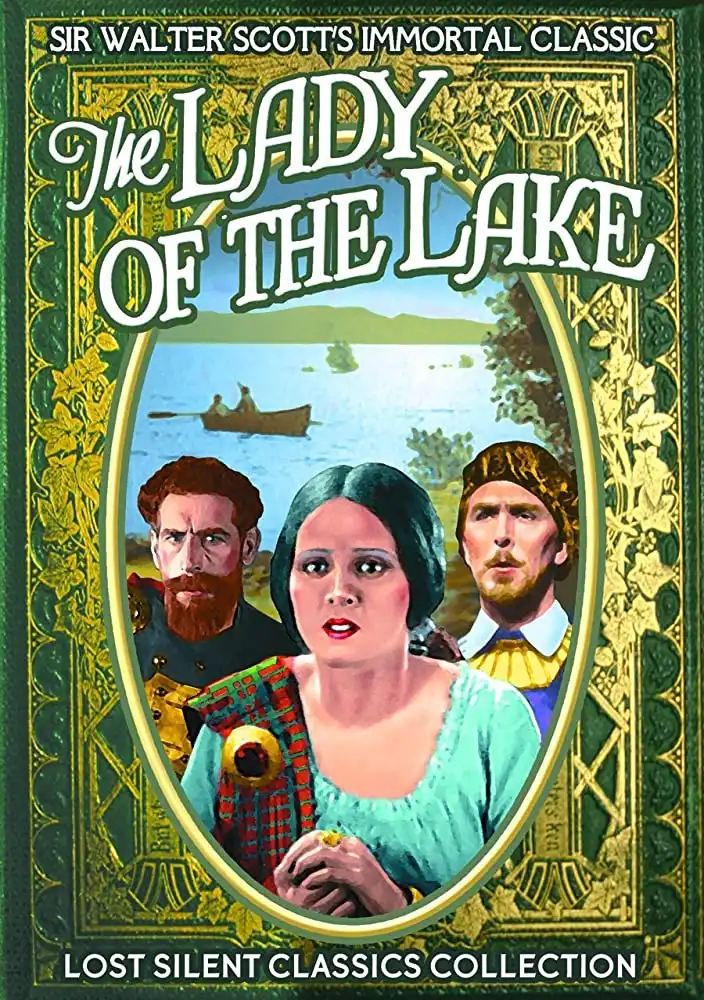
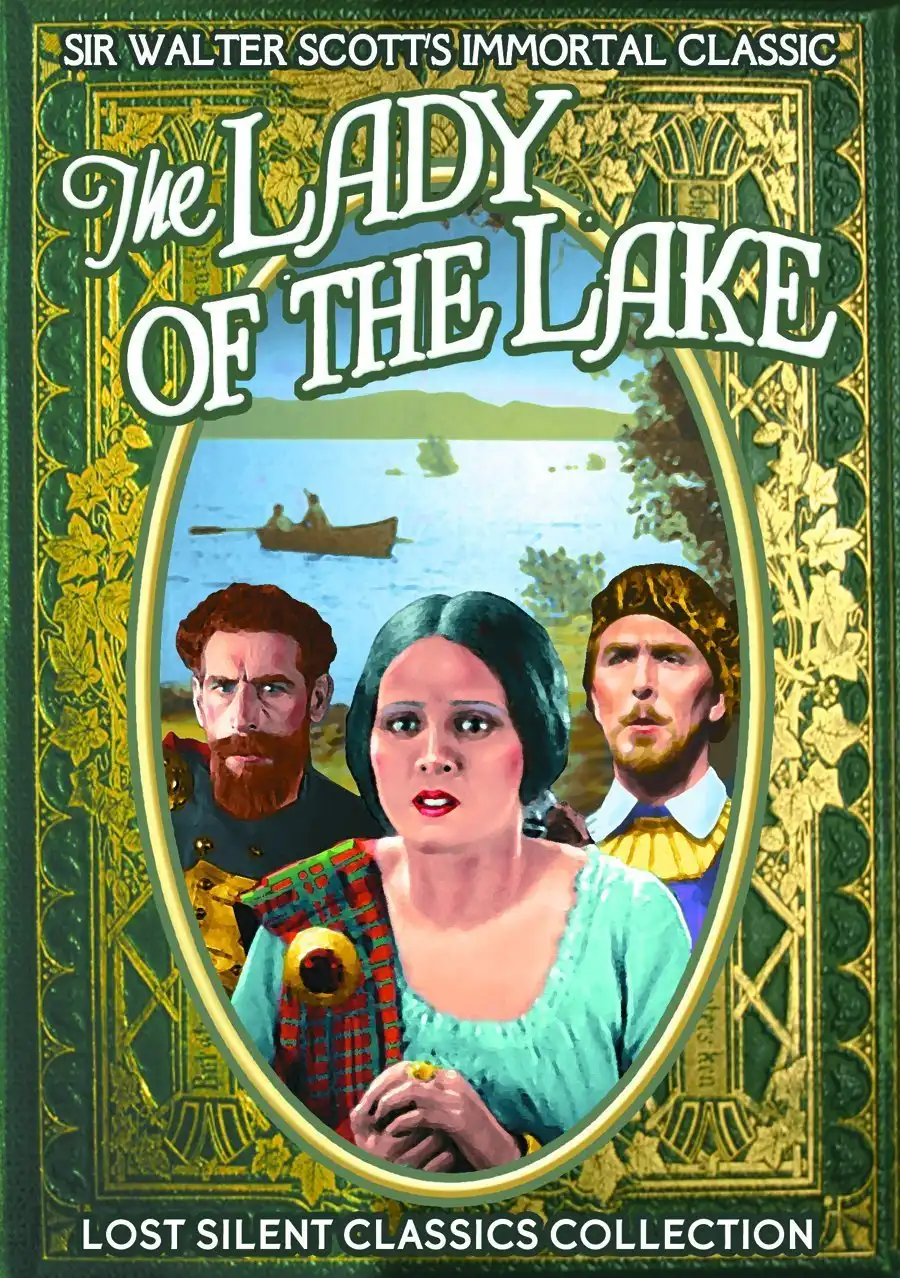
A definitive 5.4/10 rating for a film that redefined the boundaries of cult cinema. The Lady of the Lake remains a cornerstone of transgressive art.
If you’re looking for a fast-paced adventure or a gritty historical drama, The Lady of the Lake is going to bore you to tears within the first ten minutes. It’s a movie that takes its time—maybe too much time—and it expects you to be really, really interested in the landscape of Scotland. But if you’re the kind of person who likes to put on a silent film late at night just to see how people in 1928 tried to capture the world, there’s something here. It’s a bit of a museum piece, but a pretty one.
The first thing that hits you is that they actually went to the Trossachs to film this. In an era where so many 'exotic' locations were just painted backdrops or a dusty corner of California, seeing the actual mist on the Scottish hills feels different. It’s gray, it’s heavy, and you can almost feel the dampness coming off the screen. There’s a shot early on of a boat cutting through the water that looks like a moving painting. It doesn’t do anything for the plot, but I found myself staring at the ripples for way longer than I probably should have.
Percy Marmont plays the King (James V) who is wandering around in disguise. He’s fine, I guess, but he feels a bit too much like a stage actor trying to look 'rugged.' He’s got this very upright posture that never quite wilts, even when he’s supposed to be lost in the woods. You never really buy that he’s in danger. He looks more like he’s looking for a nice spot for a picnic than running for his life from outlaws.
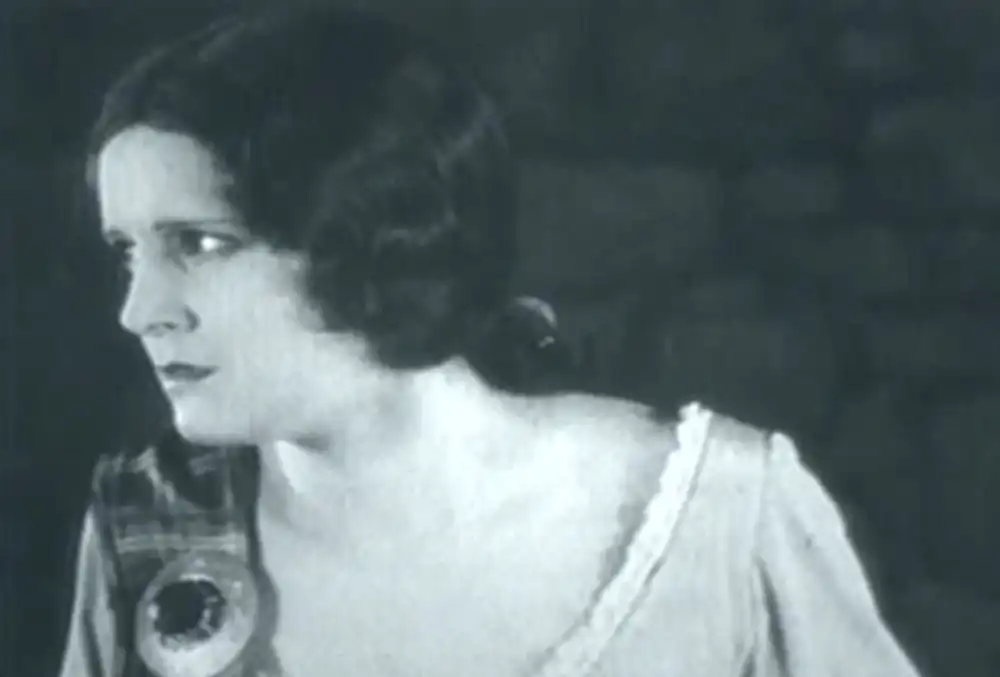
Benita Hume is the real reason to watch this. As Ellen, the lady of the lake, she has this way of looking at the camera that feels much more modern than anyone else in the cast. There’s a scene where she’s standing by the water’s edge, and the wind is just absolutely wrecking her hair. In a lot of films from this time, they would have tried to keep her looking perfect, but here she just looks like a girl standing in a gale. It’s a small thing, but it makes the whole movie feel more grounded.
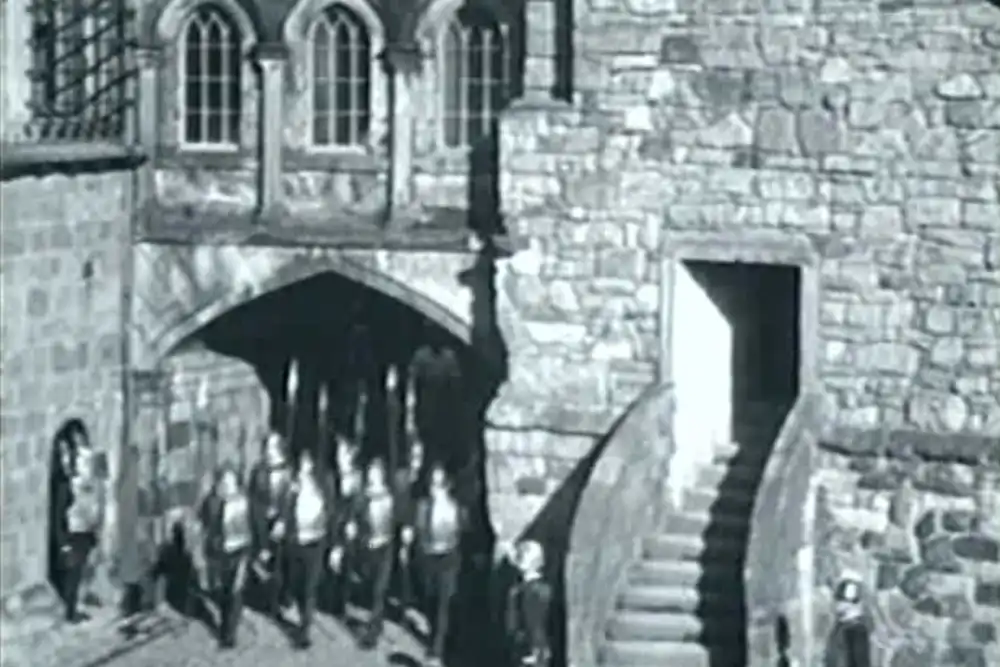
The pacing is… well, it’s a struggle. Because they’re following the Walter Scott poem, the movie is constantly stopping for these long intertitles filled with verse. It’s like the film is afraid you’ll forget it’s based on Great Literature. Every time a scene starts to get some momentum, we have to stop and read four lines of rhyming poetry. It kills the tension. If you’ve seen The Glorious Adventure, you know how these British historical epics can sometimes get bogged down in their own sense of importance. This one isn’t quite as stiff as that, but it’s close.
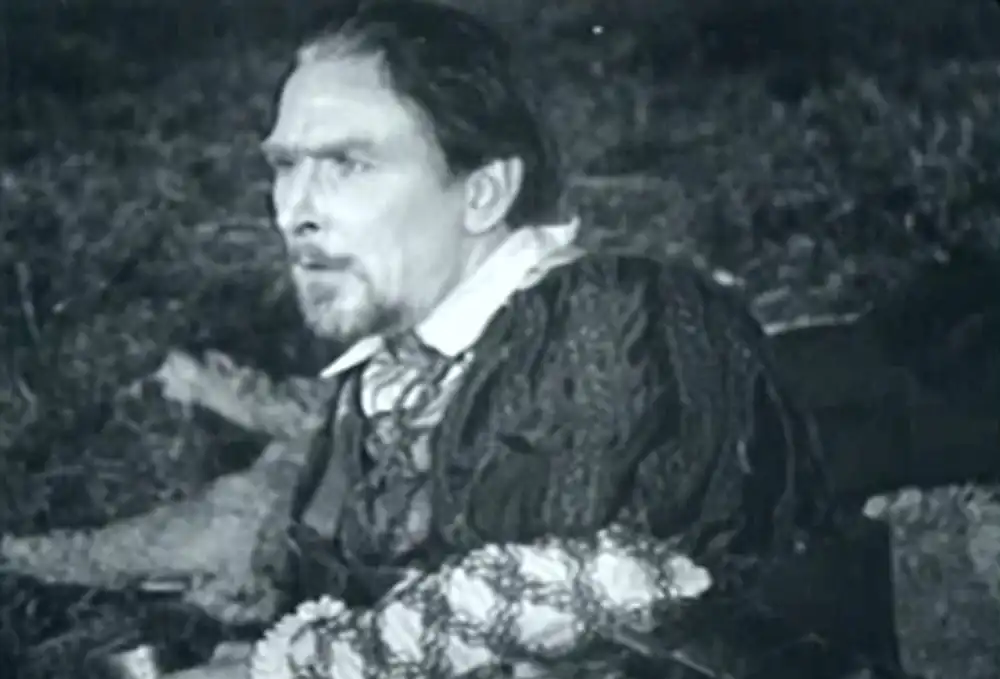
There is a sword fight toward the end that is genuinely awkward. It’s one of those cinematic fights where you can see the actors waiting for their cues. Clink. Pause. Clink. Step back. It lacks the desperation you’d expect from men fighting over honor and land. One of the outlaws, played by Lawson Butt, has this massive beard that seems to have a life of its own during the action scenes. I spent most of the fight wondering if it was going to fall off rather than who was going to win.
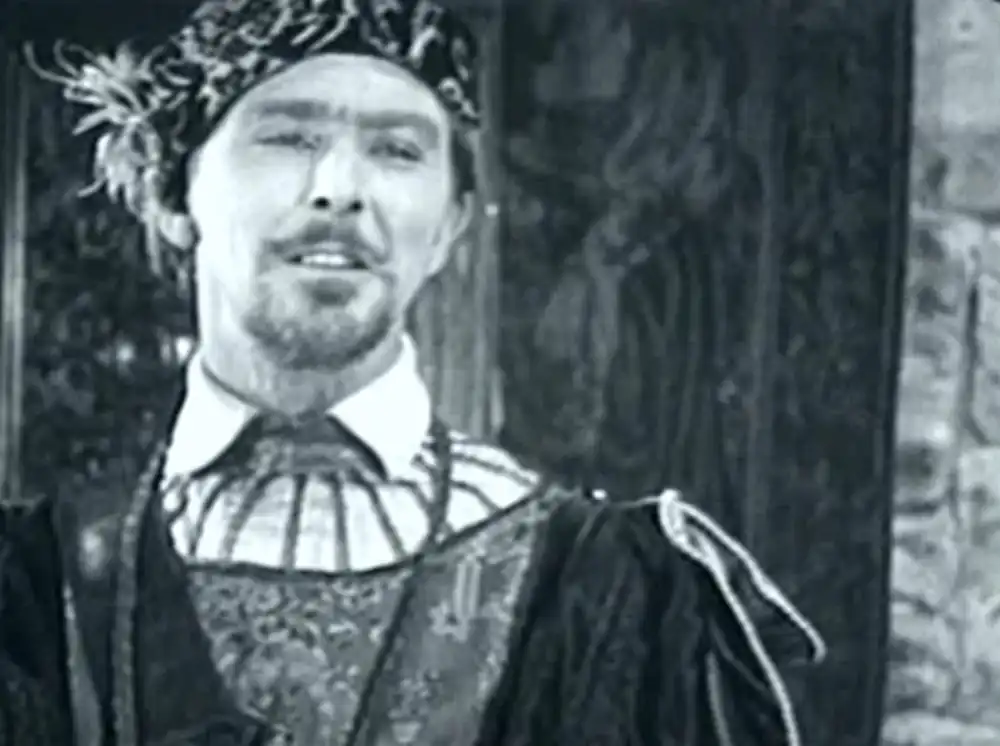
The costumes are interesting, though. They look heavy. You can see the weight of the wool in the kilts and the way the fabric bunches up around their shoulders. It’s not the stylized, clean-cut version of Scotland you see in later Hollywood movies. It looks itchy and cold. There’s a shot of James Douglas where he’s wearing this feathered hat that looks slightly ridiculous in the wind, but it adds to that feeling of 'we are actually outside doing this.'
I noticed a weird edit during the scene where the King first meets Ellen. The camera cuts to a close-up of his face, and his expression is totally different from the wide shot we were just looking at. It’s like they realized later they needed a 'romantic' look and filmed it in a studio weeks later. It breaks the spell of the location shooting for a second.
Compared to something like Outcast, which feels much more focused on the internal drama of the characters, The Lady of the Lake is obsessed with the 'epic' scale of things. It wants to be grand. Sometimes it succeeds, like in the wide shots of the clans gathering. The extras look like actual locals they just rounded up and threw into costumes. They don't move like professional actors; they sort of mill around and look confused, which actually makes the crowd scenes feel more real than if they were perfectly choreographed.
The movie gets better once the King stops pretending to be a commoner and the stakes actually get laid out, but by then, you’ve already sat through about forty minutes of wandering. It’s not a film I’d watch twice, but I’m glad I saw it once. It’s a reminder that even in 1928, filmmakers were struggling with how to balance a famous book with the actual visual power of the camera.
One last thing: the way the light hits the water in the final scenes is really something. It’s that late-afternoon Scottish sun that feels very specific. Even if the acting is a bit wooden and the poetry is a bit much, the lake itself is a great character. It’s just a shame the humans in front of it aren’t always as interesting.
IMDb 5.9
1927
Community
Log in to comment.