DbcultAccessing Vault...
6/10
Senior Film Conservator
A definitive 6/10 rating for a film that redefined the boundaries of cult cinema. Chicot the Jester remains a cornerstone of transgressive art.
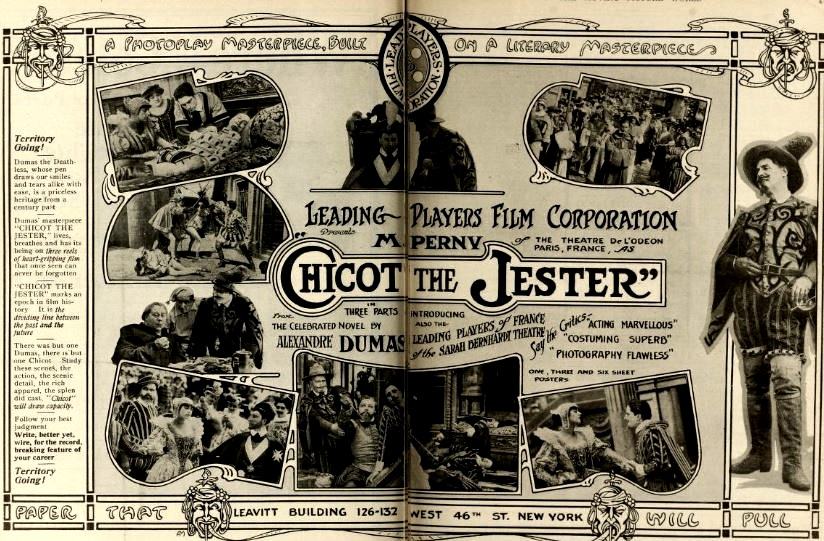
The first time Chicot’s silhouette shoulders its way across the flickering iris-in, you know this isn’t your grandmother’s costume pageant. The print may be flecked with nitrate acne, yet the swagger is diamond-sharp: a jester who looks like he could bench-press a cathedral and quote Rabelais between sword thrusts. Henri Bosc plays him with the carnivorous grin of a man who has realized that truth-telling is the sharpest blade in a kingdom where everyone else carries ornamented fruit knives.
Director Victor Perny, armed with what looks like half the French army’s surplus wigs and every lace doily in Paris, stages the Valois court as a fever dream of gold leaf and whispered treason. Cinematographer Paul Guidé shoots through layers of gauze and smoke so that torchlight becomes liquid—molten topaz pooling across parquet floors where assassins glide like ballroom dancers rehearsing the apocalypse. The camera lingers on faces the way a pickpocket lingers on pockets, extracting every twitch of complicity.
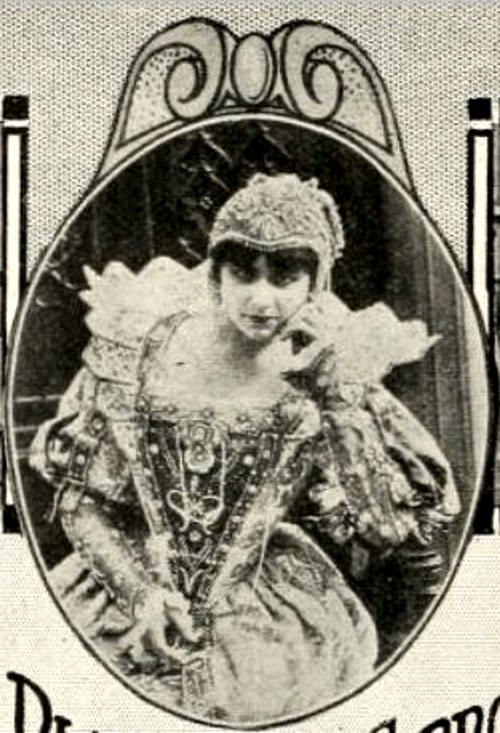
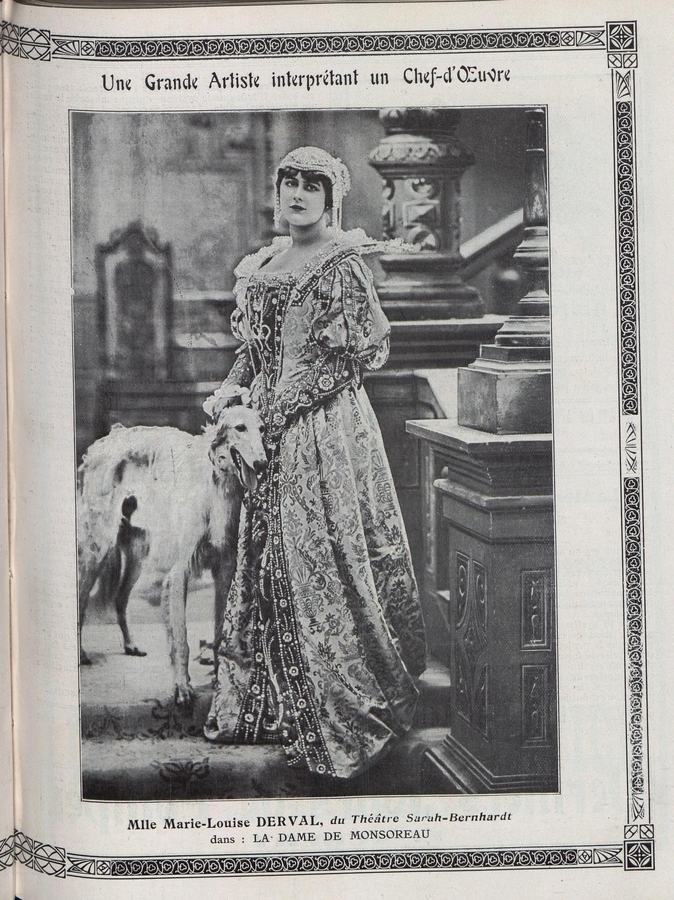
Henri III—Marie-Louise Derval in a performance that oscillates between porcelain ennui and volcanic caprice—presides over a menagerie whose smiles are stapled on. Each courtier is a origami scorpion: fold back the silk and out snaps the tail. Into this aquarium of scheming swaggers Chicot, bells jingling like the last honest sound left in Versailles. The film’s genius lies in letting the jester’s bells grow quieter whenever danger thickens; the soundtrack of anxiety is silence.
When the king, stung by De Bussy’s effortless charisma, scribbles the death warrant, the scene plays out in a single, merciless take. The quill scratches parchment with the intimacy of a scalpel slicing skin. Chicot watches, eyes narrowing from mirth to murderous calculation. In that moment Bosc wordlessly conveys the entire moral arc of the film: a fool who refuses to be anybody’s fool.
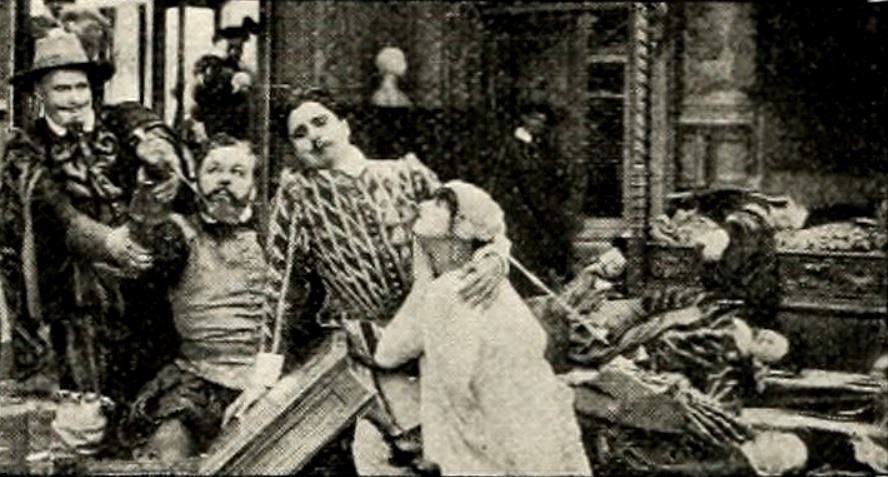
The tearing of the warrant is the film’s primal heartbeat. Chicot doesn’t merely rip paper—he tears a hole in the fabric of obedience itself. The shreds flutter to the floor like albino moths, each scrap a resignation letter to tyranny. Compare this moment to the chariot-wheel grandeur of The Last Days of Pompeii or the sepulchral piety of From the Manger to the Cross; here, the act of defiance is intimate, almost profane in its quietness.
Swiftly, Chicot spirits De Bussy to Meridor’s crumbling estate where ivy strangles stone gargoyles and the air smells of wet legends. Diana—part nymph, part caged falcon—awaits. Marie-Louise Derval doubles as both king and beloved, a casting sleight-of-hand that hints at the interchangeability of desire and power in Dumas’ universe. The lovers’ first meeting is shot through a lattice of roses, petals and shadows intermingling until we cannot distinguish bloom from bruise.
Just when the pastoral interlude threatens to soften the narrative into perfume-ad gauze, Monsoreau arrives—a black-plumed nightmare whose grin could curdle absinthe. The kidnapping sequence is a master-class in proto-horror: Diana hauled across the moors as the camera adopts the predator’s POV, hooves drumming like war drums on the soundtrack of our pulse. The forced marriage, shot inside a chapel abandoned by God but not by greed, is lit solely by the trembling flame of a single candelabrum. Shadows jitter across the crumbling frescoes like guilty memories.
Chicot, eavesdropping from the confessional, claws at the wooden grill until his knuckles bleed—a silent scream that out-howls any intertitle. Again, the film refuses spectacle for wound-piercing intimacy. Compare this claustrophobic dread to the open-air bombast of The Battle of Gettysburg or the circus excess of The Great Circus Catastrophe. Here, the carnage is marital, spiritual.
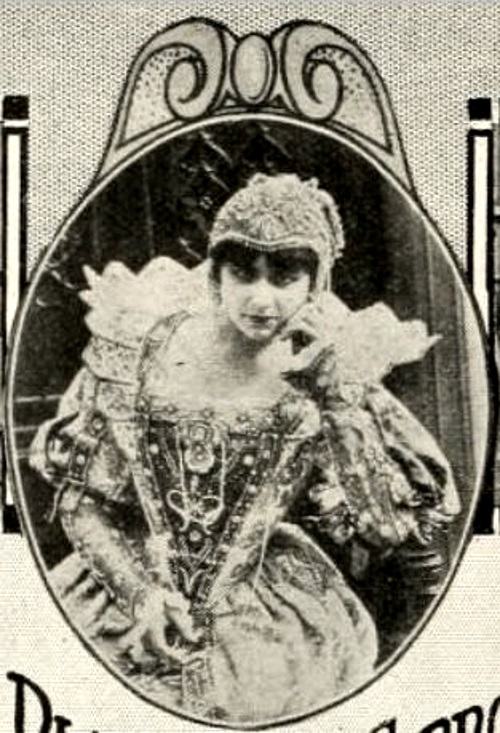
The finale unfolds atop a battlement where night wind whips cloaks into battle standards. Blades spark like struck matches against the indifferent constellations. Perny cross-cuts between steel clashing and Diana’s unblinking eyes until the two rhythms merge into a fatal waltz. When Monsoreau collapses, the camera tilts heavenward, as though asking the stars to audit the moral ledger. They glimmer, non-committal.
Chicot’s last gesture—closing the dead man’s eyes with two fingers stained by printer’s ink and cheap wine—carries the weight of an entire cosmology: jesters bury killers, loyalty outlives crowns, and every parchment shredded rewrites history more surely than any decree signed.
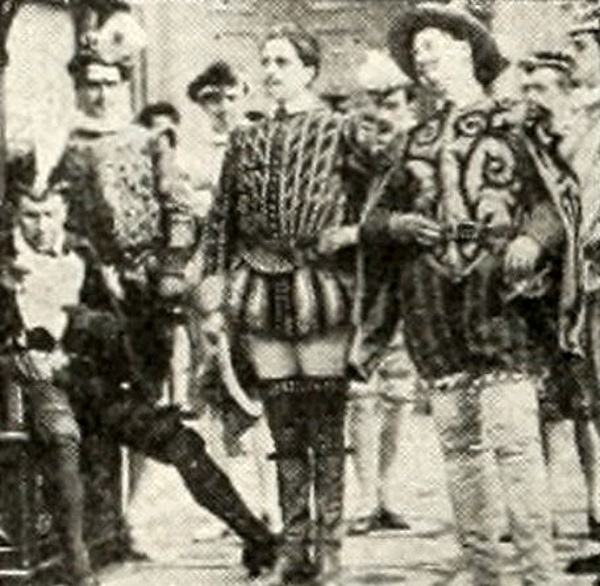
Henri Bosc towers through each frame, his Chicot equal parts bulldozer and ballet dancer—a tightrope walk between menace and merriment. Watch the way he shrugs off a royal reprimand: the shoulders roll like a lion shaking rain from its mane. Marie-Louise Derval’s double role could have slipped into gimmickry; instead she modulates micro-gestures—Henri’s lips purse with effeminate cruelty, Diana’s tremble like trapped butterflies. Paul Guidé as De Bussy supplies matinee-idle ardor but threads it with the exhaustion of a man who has read too many romances and now must live one.
Shot in the dog-days of 1913, when Europe teetered toward a war that would devour wardrobes like Versailles’, the film converts budgetary shackles into aesthetic triumph. Cardboard armor? Guidé lacquers it until it gleams like obsidian. Limited sets? He floods them with so many mirrors that every corridor appears to stretch into infinity, a proto-Baroque hall of selves. The tinting—hand-applied cerulean for night scenes, rose for dalliance, bile-green for intrigue—transforms each reel into a living illuminated manuscript.
Place Chicot alongside The Three Musketeers and you glimpse the full fresco of Alexandre Dumas’ carnival universe—cardinal sins, royal follies, and the occasional diamond crunching under a boot heel. While Musketeers celebrates fraternity across gilded rooftops, Chicot whispers that sometimes the truest brotherhood is the bond between jester and outcast, those who survive by mocking the very hand that might sign their death.
Though prints grew scarce after the Great War’s cellulite rationing, cine-clubs in 1920s Montmartre screened bootleg dupes to gasps of anarchist delight—here was a hero who mocked kings without apologizing. Later, the film haunted the edges of Carne’s Les Enfants du Paradis and even skittered through the DNA of Kurosawa’s Kagemusha. Every time a director lets a clown speak truth to power, Chicot’s bells jingle softly in the splice.
Because in an era of algorithmic sameness, here is a film that believes loyalty can be a form of insurrection and that laughter, when wielded by the brave, cuts deeper than steel. Because Henri Bosc’s eyes hold the glint of every whistle-blower who ever stared down an empire. Because the shredded warrant is cinema’s first and finest middle finger to authoritarian mediocrity. And because, at barely seventy breathless minutes, Chicot the Jester reminds us that revolutions sometimes begin not with cannons but with a jester tearing paper—and rewriting the world in the margins.
Seek it in restorations, in flickering archival streams, in the dusty corner of a cinémathèque where the projector rattles like a coffee-mill. Wherever you find it, let its bells ring inside your skull long after the house lights rise. For we are all, in some cloistered corner of our days, both sovereign and jester—longing for a friend who will tell us the truth, then hand us a sword to defend it.
IMDb 5.8
1928
Community
Log in to comment.