DbcultAccessing Vault...
Cult Review
Senior Film Conservator
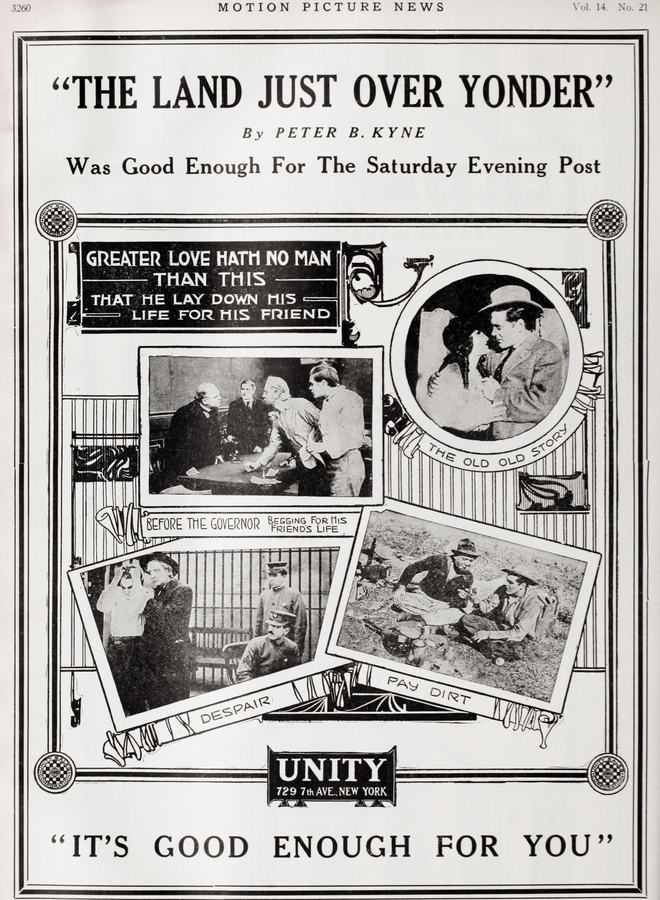
Ah, the allure of the Western! It's a genre perpetually etched into the cinematic consciousness, a canvas for painting grand narratives of aspiration, rugged individualism, and the often-brutal realities of a nascent nation. The Land Just Over Yonder, a fascinating relic from an earlier epoch of filmmaking, plunges us directly into this volatile crucible, exploring themes as enduring as the sun-baked landscapes it depicts: the intoxicating promise of wealth, the treacherous nature of human desire, and the devastating sting of betrayal. Penned by the insightful Peter B. Kyne, this film, even in its silent grandeur, speaks volumes about the human condition when confronted with sudden fortune and the manipulative machinations of deceit.
Our narrative anchors itself around two figures emblematic of the frontier spirit: Billy Joe King and Toyable Tom Jennings. These are not merely characters; they are archetypes, forged in the crucible of hard labor and unwavering hope. George Chesebro embodies Billy Joe with a youthful exuberance, a man whose heart, though true, proves tragically susceptible. His partner, Toyable Tom Jennings, played by the more seasoned Arthur Millett, acts as the stoic counterpoint, a voice of experience tempered by the harsh lessons of the wilderness. Their initial triumph—a gold strike worth a staggering half-million dollars—is portrayed not just as a financial windfall, but as a validation of their toil, a symbol of their mastery over the unforgiving earth. This moment, brimming with potential and unbridled joy, serves as the narrative's fulcrum, from which all subsequent tragedy inevitably springs.
The journey from the desolate, gold-rich hills to the raucous, bustling frontier town is more than a mere change of scenery; it's a transition from one kind of wilderness to another. The wildness of nature is replaced by the wildness of human society, where avarice and deception often lurk beneath a veneer of civility. It is here that Billy Joe, flush with his newfound fortune and perhaps a touch naive, encounters Elsa Fox's character – the 'quarter-breed' woman. Fox, though working within the constraints of silent film acting, imbues her character with an enigmatic allure, a magnetic pull that proves irresistible to Billy. The film masterfully builds this attraction, showing us Billy’s rapid descent into infatuation, a love that blinds him to the subtle warnings emanating from Tom's more discerning gaze. This swift, passionate entanglement, culminating in Billy’s decision to marry, is a classic dramatic setup, echoing the timeless tales of men undone by their own desires and the siren's call.
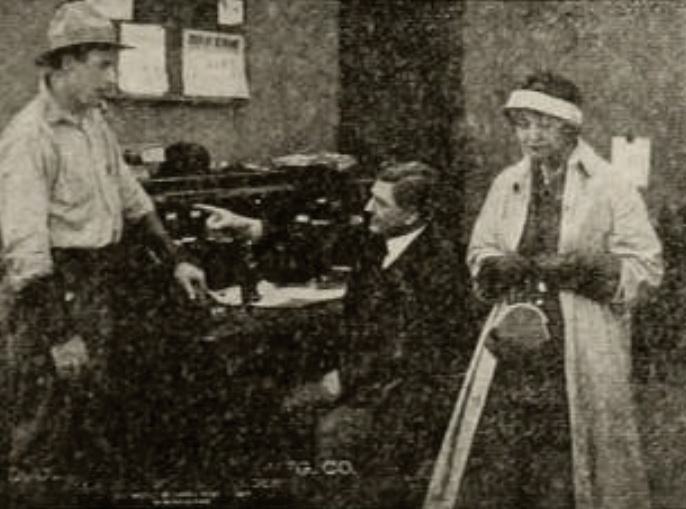
Tom's warnings, initially dismissed by a lovestruck Billy, resonate with a profound sense of dramatic irony. His skepticism isn't born of malice, but of a deeper understanding of human nature, particularly its darker currents. His character serves as the audience's surrogate, witnessing the unfolding disaster with a mixture of helplessness and frustration. The film makes it clear that this woman, despite her captivating charm, is a predator, a calculating opportunist whose affections are solely directed towards Billy's substantial fortune. Her systematic appropriation of his wealth, culminating in its transfer to her real boyfriend, played with a suitably villainous sneer by Charles Eichman, establishes a clear moral dichotomy. This narrative thread, of a man ensnared by a deceptive lover, is a trope as old as storytelling itself, finding echoes in countless dramas where fortune becomes a catalyst for ruin. One might draw a thematic parallel to films like Unclaimed Goods, where the concept of 'possession' – be it of material wealth or human affection – is explored through a lens of societal expectations and moral ambiguities. While the contexts differ, the underlying tension surrounding what is truly 'owned' and what is illicitly 'taken' is remarkably similar.
The dramatic core of The Land Just Over Yonder intensifies with Billy’s dawning realization of the betrayal. The moment of discovery, though conveyed through silent film conventions, is potent. One can almost feel the visceral shock, the crushing weight of disillusionment as his world, built on love and trust, shatters. This pivotal scene ignites a ferocious confrontation, a raw, brutal fight between Billy, the scorned lover, and the duplicitous couple. The film doesn't shy away from depicting the ugliness of this emotional and physical violence, showcasing the raw, unfiltered fury of a man betrayed. The performances here, particularly Chesebro's portrayal of Billy's anguish and rage, are crucial in selling the gravity of the situation, transforming what could be a mere plot point into a deeply felt emotional climax. The escalating complications that ensue from this brawl promise a narrative rich with suspense and the bitter taste of consequences.
Beyond the immediate narrative, The Land Just Over Yonder functions as a cautionary tale. It critiques the intoxicating power of sudden wealth, which, rather than bringing happiness, often exposes the fissures in human character and attracts predatory elements. Billy’s journey from rags to riches to emotional destitution is a classic arc, highlighting the fragility of fortune and the enduring importance of discernment. The film, through its characters, explores the tension between naive optimism and cynical realism, a dynamic that remains relevant across eras. The portrayal of the 'quarter-breed' woman, while perhaps a product of its time's racial attitudes, serves as a potent symbol of temptation and the dangers of misplacing trust. Her character, devoid of genuine affection, is a stark reminder that not all that glitters is gold, and not all smiles are sincere.
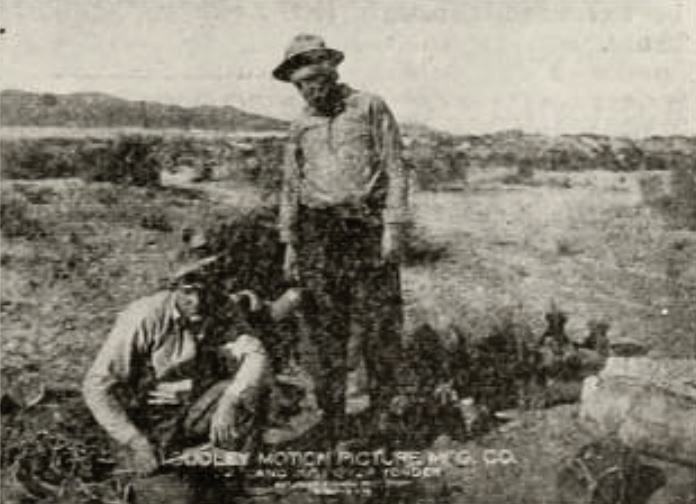
The supporting cast, including Julius Frankenburg, Jane Vernon, George Best, and Sidney Lang, contributes to the rich tapestry of the frontier town, providing the backdrop against which this personal drama unfolds. Their presence, even if in smaller roles, lends a sense of community and context, emphasizing that even individual tragedies occur within a broader social fabric. The setting itself, a frontier town in the throes of a gold rush, is almost a character in its own right—a place of transient fortunes, fleeting allegiances, and raw, unfiltered human emotion. The cinematography, though basic by modern standards, would have aimed to capture the vastness of the landscape and the claustrophobia of the town's saloons and back alleys, using light and shadow to heighten the drama inherent in Kyne's script.
One cannot discuss this film without acknowledging its place within the broader Western genre. While not as epic in scope as, say, McVeagh of the South Seas (which explores different forms of frontier, albeit maritime ones), or as conceptually ambitious as The Golem with its allegorical depths, The Land Just Over Yonder firmly plants itself in the tradition of moralistic Westerns. It’s a narrative that prioritizes the personal drama over grand historical sweep, focusing on the corruption of the soul rather than the conquest of territory. It shares a thematic kinship with films that explore the pitfalls of romantic entanglements complicated by money, such as Castles for Two, where social standing and financial prospects often dictate the course of love, albeit in a more refined, less brutal setting.
The strength of Peter B. Kyne’s writing lies in its timeless appeal. He crafts a story that transcends the specificities of its era, tapping into universal human experiences of hope, greed, love, and heartbreak. His characters, even if portrayed with the broader strokes typical of early cinema, resonate because their motivations are so profoundly human. Billy's impulsiveness, Tom's prudence, and the woman's calculated deceit are all facets of human nature that continue to play out in dramas across centuries. The film's resolution, or rather the 'complications that ensue,' speaks to a narrative sensibility that understood the enduring power of unresolved tension, of a story that lingers in the mind, prompting reflection on the choices made and the paths not taken. This open-endedness, a hallmark of many compelling narratives, invites the audience to ponder the ultimate fate of these characters and the lessons to be gleaned from their tumultuous journey.
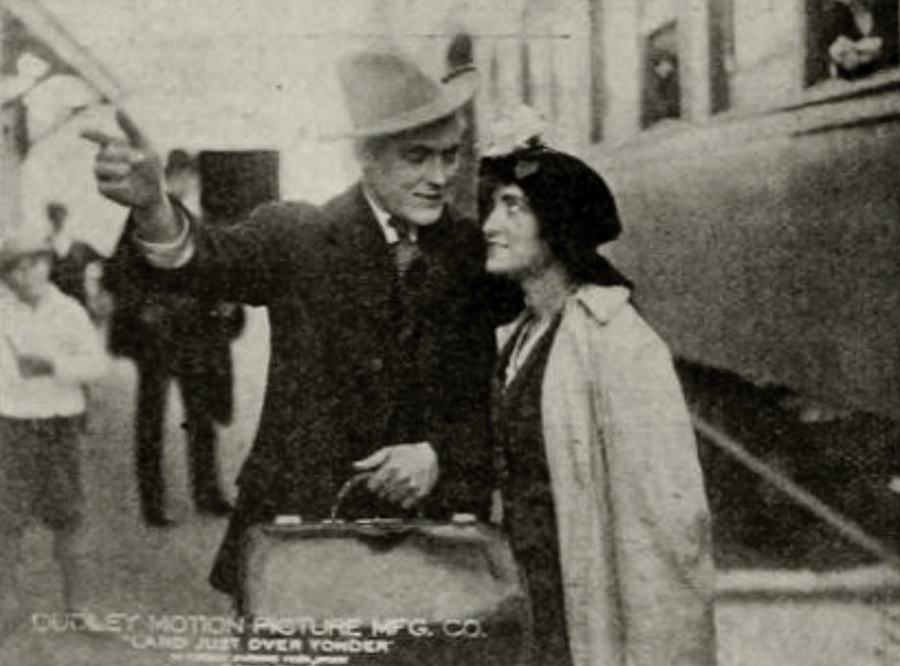
In a broader context, the film also implicitly comments on the very dream of the American West – a dream of boundless opportunity and self-made fortunes. It suggests that while the land might offer its riches, humanity's own inherent flaws can quickly turn paradise into a personal hell. The 'land just over yonder' isn't merely a geographical location; it's a metaphor for the elusive promise of happiness and fulfillment, a promise that can be brutally dashed by human treachery. The film's portrayal of a community that, while initially celebrating, ultimately becomes the stage for a violent personal reckoning, underscores the idea that even in the pursuit of individual wealth, our fates remain intertwined within the social fabric.
The enduring power of The Land Just Over Yonder lies not just in its dramatic plot, but in its ability to evoke a sense of the raw, untamed spirit of the frontier. It reminds us that even with the greatest of fortunes, the greatest dangers often come from within, or from those we choose to trust. The performances, constrained yet expressive, convey the emotional weight of a story about the devastating cost of misplaced affection and the corrosive nature of greed. It’s a testament to the early filmmakers and writers like Peter B. Kyne that such timeless themes could be communicated with such clarity and impact, even without spoken dialogue. This film stands as a poignant reminder that while the landscape of cinema has drastically evolved, the fundamental human dramas it explores remain eternally compelling, inviting us to reflect on the perils of prosperity and the enduring fragility of the human heart.
Reflecting on the emotional journey presented, one can appreciate the stark simplicity with which profound moral quandaries are presented. Billy's initial jubilation, swiftly followed by his headlong plunge into a deceptive romance, serves as a powerful cautionary note against the intoxicating effects of sudden affluence. His partner, Tom, represents the grounded wisdom often overlooked in moments of heightened emotion. Millett’s portrayal of Tom, though subtle, conveys a deep sense of loyalty and a quiet resignation to the inevitability of human error. This contrast between the impulsive and the pragmatic is a cornerstone of effective storytelling, allowing the audience to witness the unfolding tragedy through multiple perspectives. The film’s narrative economy, a necessity in silent features, ensures that every gesture, every framed shot, contributes directly to the escalating tension and the ultimate revelation of betrayal.
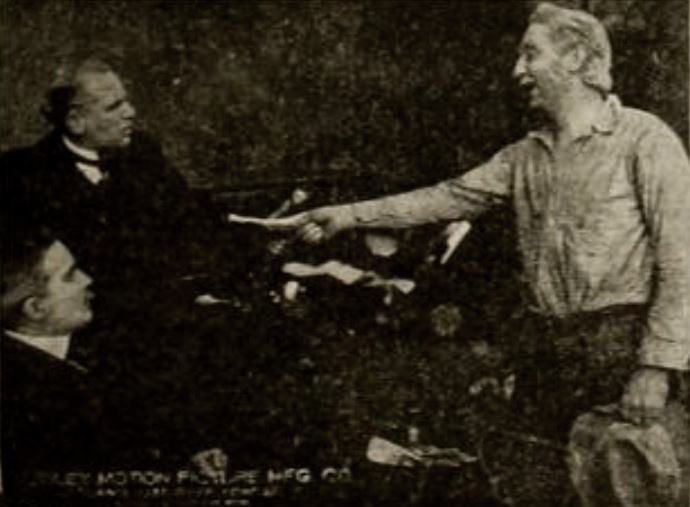
The 'quarter-breed' woman, while a figure of malevolent beauty, also serves as a mirror reflecting the inherent dangers of a frontier society where identities can be fluid and motives often hidden. Elsa Fox navigates this complex role, portraying a character who is both alluring and utterly ruthless. Her actions are not merely opportunistic; they are a calculated dismantling of Billy's trust and fortune, orchestrated with a cold precision that elevates her beyond a simple villainess to a force of nature. The introduction of her true boyfriend, Charles Eichman’s character, solidifies the conspiracy, transforming a potential misunderstanding into a deliberate act of profound treachery. The ensuing brawl is not just a physical altercation; it is the violent eruption of shattered illusions, the culmination of deceit, and the raw expression of a man stripped of his wealth and dignity. The film, in its depiction of this raw confrontation, reminds us that justice on the frontier was often swift, brutal, and self-administered.
Moreover, the film's title, The Land Just Over Yonder, carries a poetic weight. It speaks to the eternal human quest for something better, something more prosperous, just beyond the horizon. For Billy and Tom, that land was initially the gold strike itself. But for Billy, it tragically became the promise of love and companionship, which turned out to be a mirage. This metaphorical layer enriches the viewing experience, transforming a simple tale of betrayal into a meditation on the nature of dreams and the often-harsh realities that await us when those dreams collide with human fallibility. The film’s enduring relevance lies in its ability to tap into these universal aspirations and disappointments, making it a compelling piece of early cinematic history that continues to resonate with contemporary audiences who understand the allure of a quick fortune and the devastating cost of a broken heart.
The stylistic choices, even within the limitations of early 20th-century filmmaking, are noteworthy. The use of intertitles, while a necessity, would have been carefully crafted by Kyne to convey not just dialogue but also internal monologues and narrative exposition, guiding the audience through the emotional landscape of the characters. The pacing, though perhaps slower than modern blockbusters, would have allowed moments of quiet contemplation to amplify the subsequent dramatic explosions. This considered rhythm is crucial for building the emotional investment in Billy’s plight and for making Tom’s silent warnings all the more impactful. The film, therefore, is not just a historical curiosity but a masterclass in early narrative construction, demonstrating how compelling stories can be told with fundamental elements and a keen understanding of human psychology. It’s a stark, compelling piece that, despite its age, offers a timeless reflection on the perils of prosperity and the enduring fragility of the human heart in the wild, untamed corners of the world.
IMDb —
1917
Community
Log in to comment.