DbcultAccessing Vault...
6.1/10
Senior Film Conservator
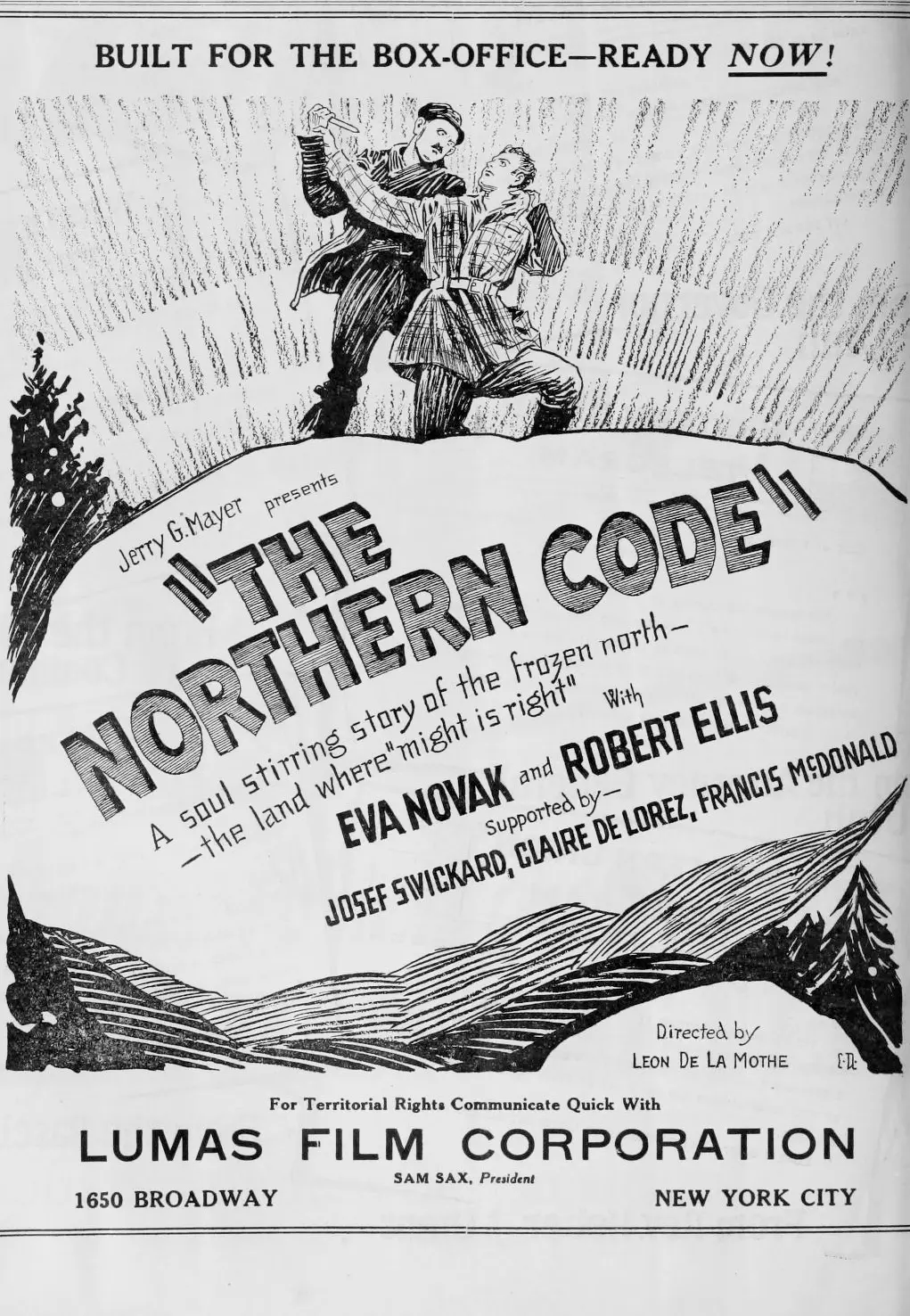
A definitive 6.1/10 rating for a film that redefined the boundaries of cult cinema. The Northern Code remains a cornerstone of transgressive art.
Is The Northern Code worth watching today? Short answer: For silent film aficionados and those interested in early cinematic portrayals of frontier justice, absolutely. For casual viewers expecting modern pacing or nuanced character development, it's a tougher sell. This film is for viewers who appreciate raw, melodramatic storytelling and the pioneering spirit of early cinema, particularly those drawn to themes of guilt, survival, and the harsh Canadian wilderness. It is NOT for audiences seeking complex psychological dramas, subtle performances, or fast-paced action.
Directed by Bertram Bracken and released in 1921, The Northern Code plunges its audience into a world where moral lines are blurred by desperation and the vast, indifferent landscape dictates fate. It’s a compelling, if at times heavy-handed, look at the consequences of a single, life-altering decision.
At its core, The Northern Code is a gripping tale of a woman pushed to her breaking point, forced to flee into an unforgiving environment, and the lingering shadow of a past she desperately tries to escape. Marie, portrayed with fervent intensity by Eva Novak, finds herself entangled in a nightmare after a violent encounter with her abusive husband, Raoul La Fane (Josef Swickard).
The film excels in establishing the immediate terror of Marie's situation. Her flight into the snowy expanse is depicted with a visceral sense of urgency and isolation. The vast, white landscape becomes less a backdrop and more an active antagonist, mirroring Marie's internal turmoil and the cold, hard reality of her perceived crime.
The narrative then shifts, introducing Louis Le Blanc (Francis McDonald), a man of quiet strength who offers Marie a chance at redemption and a new life. Their burgeoning relationship, however, is built on a foundation of unspoken dread. This precarious peace is the film's most potent dramatic device, creating a constant undercurrent of suspense that effectively holds the viewer captive.
When Raoul inevitably reappears, the film’s central conflict explodes. It’s a testament to the writers, Camille Fox and Everett C. Maxwell, that despite the inherent melodrama of the plot, the emotional stakes feel genuinely high. The ensuing confrontation between Louis and Raoul is less about good versus evil and more about the brutal, primitive justice that seems to govern this remote world.
Eva Novak’s performance as Marie is the beating heart of The Northern Code. In an era where silent acting often leaned into overt theatricality, Novak manages to convey a surprising depth of emotion, balancing raw terror with moments of fragile hope and profound guilt. Her eyes, often wide with fear or glistening with unshed tears, carry the weight of her character’s dilemma.
Consider the scene where Marie first believes she has killed Raoul. Novak’s body language – the trembling hands, the hesitant steps, the frantic glances over her shoulder – communicates a primal, panicked fear that transcends the lack of dialogue. It’s a masterclass in silent expression, making her flight across the snow feel utterly desperate and believable.
Francis McDonald as Louis Le Blanc provides a stoic, dependable counterpoint to Novak’s intensity. He embodies the classic silent film hero: strong, honorable, and willing to fight for the woman he loves. While his character isn't as complex as Marie's, McDonald's quiet strength anchors the more dramatic elements of the story, particularly in his unwavering support for Marie once her secret is revealed.
Josef Swickard, as the villainous Raoul La Fane, is suitably menacing. He doesn’t need much screen time to establish himself as a brutal, destructive force. His initial attack on Marie is chillingly depicted, and his sudden reappearance later in the film carries a genuine sense of dread. Swickard’s portrayal relies on classic villainous tropes, but he executes them with conviction, ensuring Raoul remains a formidable threat.
Bertram Bracken’s direction in The Northern Code is a fascinating window into early 1920s filmmaking. He employs a straightforward, almost documentary-like approach to the wilderness scenes, contrasting them sharply with the more intimate, emotionally charged close-ups. This creates a compelling visual rhythm that keeps the audience engaged, even during moments of exposition.
The pacing, while deliberate by modern standards, is effective for the story being told. Bracken allows moments of quiet contemplation to breathe, letting the audience absorb the emotional weight of Marie’s situation before ratcheting up the tension. The use of intertitles is judicious, providing necessary dialogue and exposition without overwhelming the visual narrative. They often serve to heighten the dramatic irony, especially when Marie believes herself safe.
One particularly effective sequence is the climactic fight between Louis and Raoul. Bracken stages it with a raw, almost brutal simplicity. There are no elaborate stunts, just two men locked in a desperate struggle against a harsh, indifferent landscape. The camera work, focusing on their gritted teeth and strained muscles, conveys the intensity without needing complex choreography. The tragic fall from the cliff, while a classic trope, is executed with a stark finality that resonates.
The tone throughout is one of stark melodrama, but it’s a melodrama earned through the characters' desperate circumstances. While some might find it heavy-handed, it's consistent with the storytelling conventions of the era and effectively conveys the moral urgency of the plot. The film doesn't shy away from depicting the harsh realities of life in the remote north, lending a gritty authenticity to its dramatic flourishes.
The Canadian wilderness is arguably the most powerful character in The Northern Code. The cinematography, credited to Edward W. Borman, captures the majesty and menace of the snowy landscapes with remarkable clarity for its time. Long shots emphasize Marie's isolation and vulnerability, making her journey feel truly epic in scale.
The stark white of the snow, contrasted with the dark silhouettes of the pine trees and the characters, creates a visually striking palette. It’s a world that is beautiful but utterly indifferent to human suffering. This visual motif reinforces the film's themes of survival and the struggle against overwhelming odds. The environment itself becomes a constant reminder of the 'code' – a primitive, unwritten law that governs life and death in this remote territory.
The film’s use of natural light, particularly in the exterior shots, adds to its authenticity. There’s a raw, unfiltered quality to these scenes that transports the viewer directly into the cold, crisp air of the northern frontier. While not as groundbreaking as some of the highly stylized German Expressionist films of the same period, The Northern Code demonstrates a strong command of environmental storytelling, using the setting to amplify the emotional stakes.
One could draw parallels to other films that use their environment as a character, such as ’49-’17 or even later Westerns that emphasize the harshness of the frontier. The Northern Code positions the wilderness not just as a backdrop, but as a silent, judging witness to the human drama unfolding within it.
Yes, The Northern Code holds significant value for contemporary viewers, especially those with an interest in cinematic history. It offers a clear example of early 20th-century storytelling conventions.
The film's raw emotional core and strong performances, particularly from Eva Novak, still resonate. It’s a compelling, if sometimes heavy-handed, exploration of guilt, survival, and the unforgiving nature of fate.
While the melodrama might feel dated to some, its sincerity and the striking use of its setting elevate it beyond mere historical curiosity. It works. But it’s flawed. It’s a testament to the enduring power of simple, high-stakes narratives.
This film works because of its powerful central dilemma, Eva Novak's emotive and compelling performance, and the evocative, almost character-like portrayal of the Canadian wilderness. It fails because of an occasional overreliance on predictable melodramatic plot beats and some supporting characters who feel underdeveloped, serving more as archetypes than fully fleshed-out individuals. You should watch it if you are a silent film enthusiast, intrigued by moral fables set against harsh backdrops, or appreciate early cinematic attempts at depicting raw human emotion and the struggle for redemption.
The Northern Code is more than just a historical artifact; it's a potent, if somewhat rough-hewn, piece of early cinema that still manages to stir the emotions. Its strength lies in its unvarnished portrayal of human desperation and the relentless pursuit of consequences in an unforgiving world.
While its melodramatic flourishes might require a certain appreciation for the stylistic norms of the silent era, the film's core themes of guilt, redemption, and the struggle for a second chance remain timeless. Eva Novak's performance alone makes it worth seeking out, providing a compelling anchor to a story that, despite its age, still grips the viewer with its raw emotional power.
It's a testament to the enduring appeal of high-stakes drama, proving that sometimes, the most basic human conflicts resonate the loudest. The Northern Code is not a flawless film, but it is a significant one, deserving of its place in the annals of early cinematic storytelling. Give it a chance, and you might find yourself surprisingly moved by its stark, elemental narrative.
IMDb —
1933
Community
Log in to comment.