DbcultAccessing Vault...
7.1/10
Senior Film Conservator
A definitive 7.1/10 rating for a film that redefined the boundaries of cult cinema. The Tantalizing Fly remains a cornerstone of transgressive art.
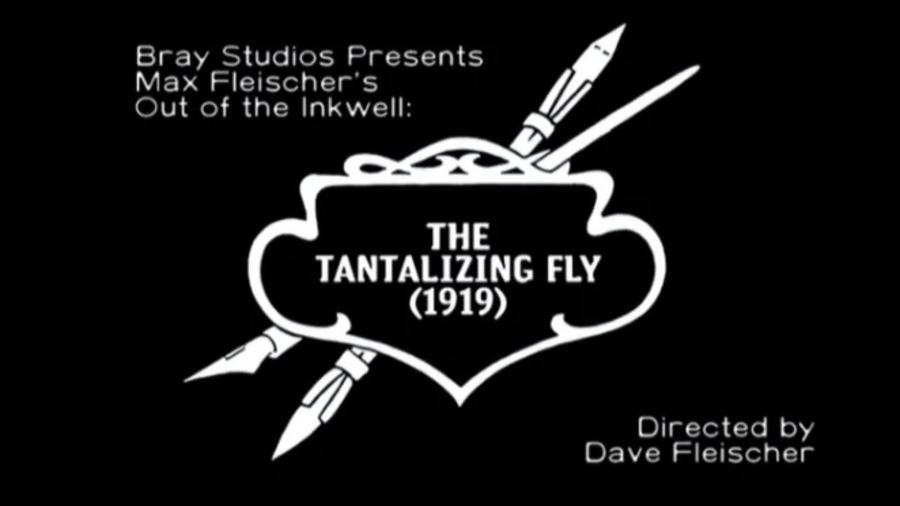
In the annals of cinematic history, certain works stand as audacious declarations, not just of storytelling prowess but of an unyielding will to redefine the very parameters of the medium. Max Fleischer's 1919 masterpiece, The Tantalizing Fly, is precisely one such declaration. Far from being a mere novelty, this animated short is a profoundly self-aware exploration of creation, disruption, and the nascent magic of animation itself. It’s a film that, even a century later, retains an astonishing freshness, largely due to its ingenious meta-narrative and the pioneering spirit of its creator, Max Fleischer, who not only penned the concept but also starred in its live-action segments.
At its core, the premise is disarmingly simple: a cartoonist, deep in the throes of bringing a clown to life on paper, finds his artistic concentration shattered by the persistent, infuriating antics of a housefly. Yet, to reduce The Tantalizing Fly to this straightforward plot is to miss the shimmering layers of innovation woven into its fabric. Fleischer, a visionary whose contributions to animation often stand in the shadow of Disney’s later empire, here presents a work that is both a technical marvel and a philosophical rumination on the artistic process. The film masterfully blurs the lines between the live-action world of the animator and the two-dimensional realm of his creation, a bold narrative choice that was revolutionary for its time and continues to resonate with contemporary audiences.
What truly elevates The Tantalizing Fly beyond a simple comedic sketch is its groundbreaking use of the rotoscope. Invented by Fleischer himself, this technique allowed animators to trace over live-action footage, lending an unprecedented fluidity and realism to animated characters. Here, it’s employed not merely for technical prowess but as a crucial narrative device. We witness Max Fleischer, the real man, at his drawing board, meticulously crafting his animated clown. The seamless integration of this live-action footage with the animated sequences creates a fascinating dialogue between the tangible world and the world brought forth by imagination. The fly, the titular antagonist, acts as a physical bridge between these two realities, flitting from Fleischer’s face to the drawing paper, even interacting directly with the nascent cartoon figure.
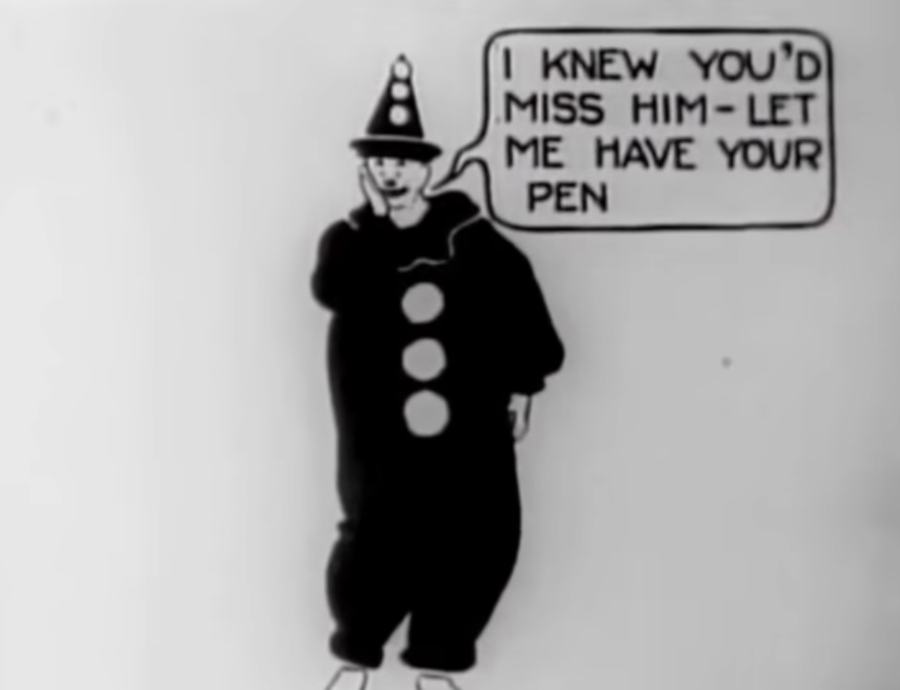
This interplay is not just a clever trick; it’s a profound commentary on the nature of artistic creation. The fly, initially a mundane annoyance, transforms into a symbol of external distraction, an embodiment of the myriad obstacles that can derail an artist's vision. Yet, it also becomes an unexpected collaborator, its movements inadvertently guiding the animator's hand or provoking reactions from his drawing. Roland Crandall, credited for his animation work, must have possessed an exceptional understanding of Fleischer's vision, translating the subtle nuances of the fly's harassment and the clown's burgeoning personality into compelling animated forms. The visual language of the film, with its stark contrasts between the live-action Fleischer and the vibrant ink-and-paper clown, is a testament to the meticulous planning and innovative execution that defined early Fleischer Studios productions.
Fleischer's decision to cast himself as the struggling cartoonist imbues the film with an almost autobiographical intimacy. We are not just observing a character; we are witnessing the creator himself grappling with the very act of creation. His exasperation, his moments of frustrated concentration, and his eventual triumph over the insectile tormentor are palpable. This self-reflexive approach was remarkably ahead of its time, predating many later cinematic explorations of the fourth wall. The audience becomes privy to the often-unseen struggles behind the art, a raw, honest portrayal that few films, animated or otherwise, dared to attempt in that era.
Consider the broader cinematic landscape of 1919. While films like D.W. Griffith’s The Great Love were exploring grand romantic narratives, or Cecil B. DeMille’s We Can't Have Everything was delving into social dramas, Fleischer was quietly pushing the boundaries of what cinema could be. His concerns were not with epic tales or sweeping romances but with the very mechanics of storytelling and visual deception. In this context, The Tantalizing Fly stands out as an intellectual exercise, a playful yet profound deconstruction of the cinematic illusion. It’s less about escapism and more about revealing the artifice, yet doing so in a way that is utterly captivating.
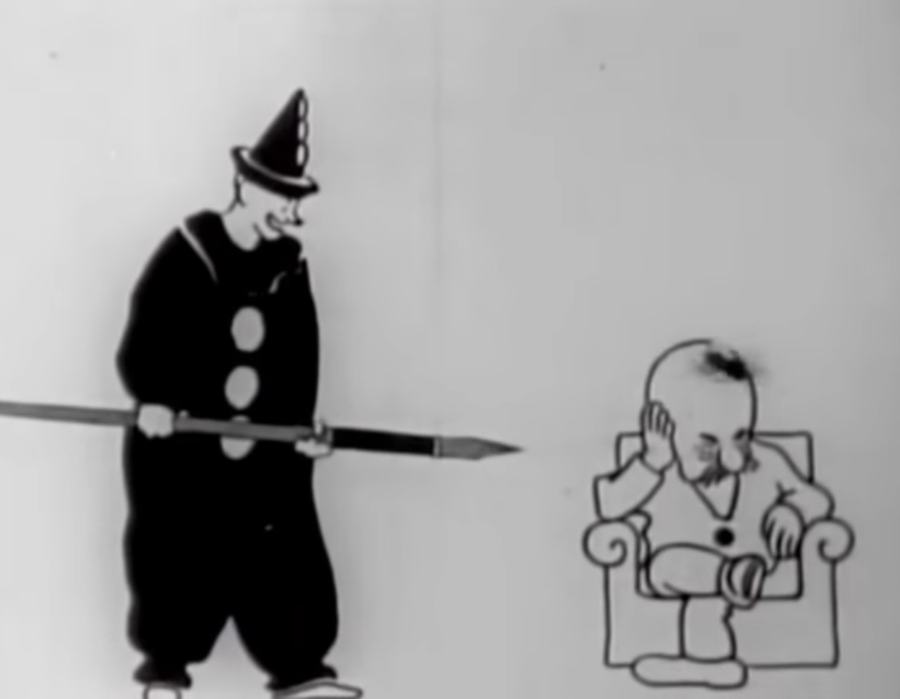
The fly itself is a character of surprising depth, despite its lack of dialogue or complex motivations. It is pure id, an agent of chaos, and a brilliant foil. Its persistent buzzing and landing on the paper force the clown, once a static drawing, to react, to flinch, to swat. This interaction is where the true genius lies: the animated character gains a semblance of independent life through its engagement with an element from the live-action world. This dynamic foreshadows later, more complex meta-narratives in animation, where characters consciously acknowledge their creators or their own two-dimensional existence.
The clown, initially a mere sketch, undergoes a fascinating transformation. From inert lines and shapes, it gradually acquires a personality, a will, and even a degree of agency. The fly’s torment is the catalyst for this awakening. When the fly lands on the clown’s nose, the clown doesn’t just sit there; it reacts, its eyes twitching, its painted smile momentarily faltering. This burgeoning sentience in a drawn character was a revelation. It suggested that animation could be more than just moving pictures; it could be a conduit for character development, however rudimentary. The simple act of the clown swatting at the fly, a gesture born from irritation, is a pivotal moment, signaling its emergence from the static page into a dynamic, responsive being.
This concept of animated figures interacting with their physical surroundings or their creators would become a hallmark of Fleischer's later work, most famously with Betty Boop's frequent fourth-wall breaks. But here, in The Tantalizing Fly, we see the very genesis of this idea, raw and unfiltered. It’s a testament to Fleischer’s imaginative foresight, his ability to perceive the profound implications of a seemingly simple technical innovation. The film doesn't just show animation; it shows animation being born, struggling, and asserting its presence in a world that is still very much live-action.
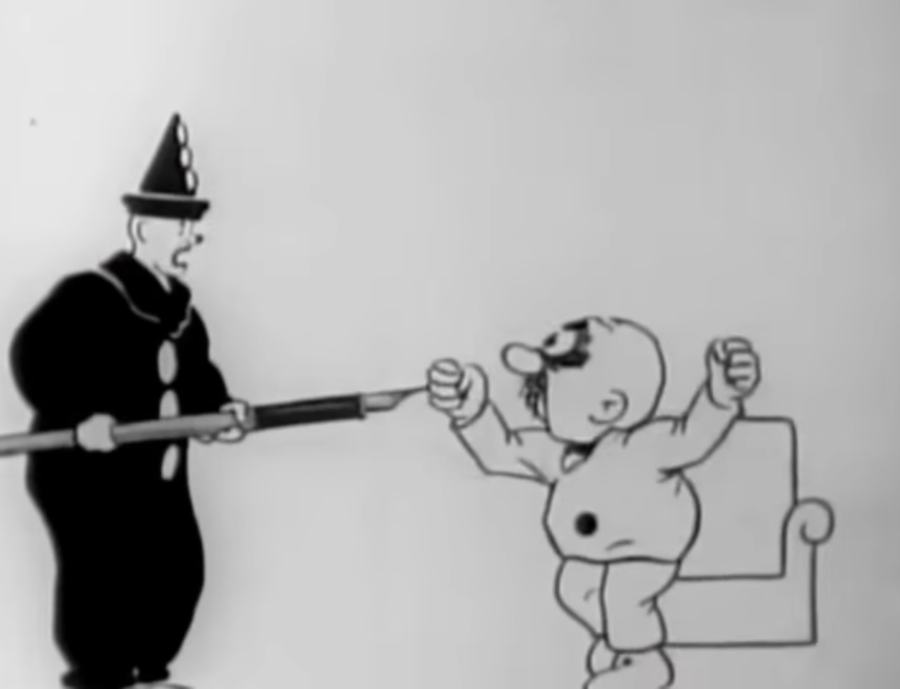
While not as widely known as some of his later Popeye or Betty Boop cartoons, The Tantalizing Fly laid crucial groundwork for Max Fleischer's enduring legacy. It cemented the rotoscope as a viable and expressive tool, showcased the potential of combining live-action and animation in a meaningful way, and established Fleischer as an artist unafraid to play with the boundaries of his medium. Its influence, though sometimes subtle, can be traced through generations of animators who have sought to break the fourth wall, to make their characters feel more alive, and to explore the very nature of their craft.
The film also serves as a fascinating historical artifact, offering a window into the early days of animation when the rules were still being written, and experimentation was rampant. Unlike more conventional narrative films of the era, such as the Australian drama The Sentimental Bloke or the intense American melodrama The Cheat (1915), which focused on character psychology and social commentary, Fleischer's work was fundamentally concerned with the mechanics of moving images and the relationship between creator and creation. It's a different kind of ambition, no less significant for its technical and conceptual daring.
One might even draw a parallel, albeit an abstract one, between the innovative spirit of The Tantalizing Fly and other early cinematic endeavors that pushed the envelope in their own ways. Consider the raw, visceral documentation of a real event like Nelson-Wolgast Fight. While one captures reality, the other captures the act of creating reality, both pushing the boundaries of what film could record or represent. In an era where cinema was still finding its voice, Fleischer's short demonstrated that this voice could be self-referential, playful, and deeply contemplative, all at once.
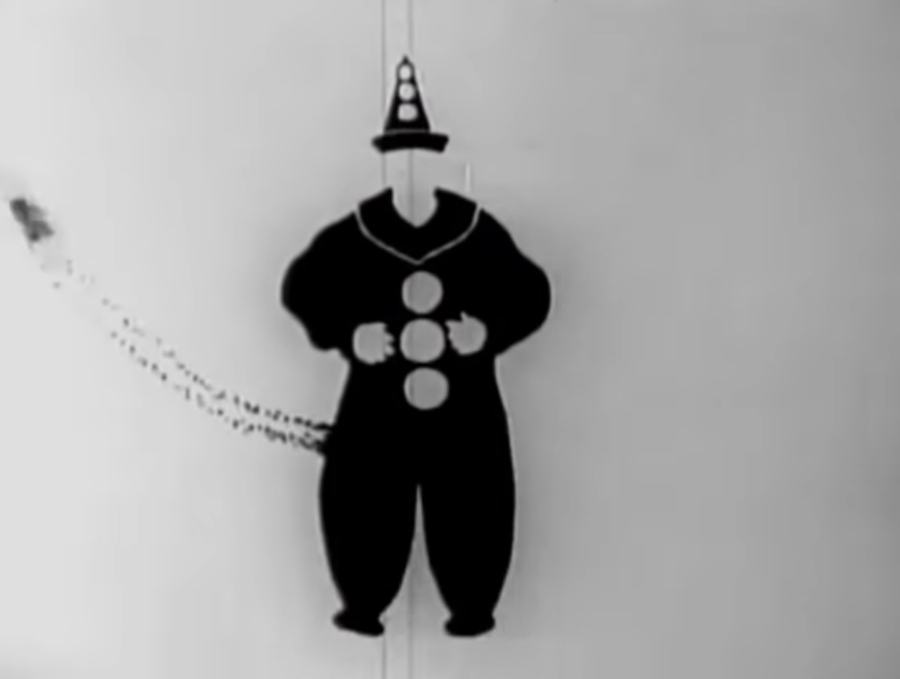
The lasting impression of The Tantalizing Fly is not just its technical ingenuity, but its sheer charm and wit. Max Fleischer, as an onscreen presence, is endearing in his struggle, and the fly, for all its vexatious nature, is a surprisingly memorable character. The simple joy of seeing the drawn clown come to life, even in a small way, remains potent. It reminds us of the fundamental wonder of animation: the ability to imbue inanimate drawings with personality and movement, to conjure worlds and characters from nothing more than ink and imagination.
In a world increasingly saturated with advanced CGI and hyper-realistic animation, there's something refreshingly honest and captivating about the foundational magic of The Tantalizing Fly. It’s a testament to the fact that groundbreaking ideas don't require immense budgets or complex narratives; sometimes, all it takes is a cartoonist, a drawing, and a very persistent fly to create a timeless piece of art that continues to buzz with relevance.
While Max Fleischer's name rightly dominates discussions of this film, the meticulous artistry of Roland Crandall as the animator cannot be overstated. It was Crandall's task to translate Fleischer's vision and the rotoscoped movements into the fluid, expressive animation we see on screen. The subtle twitch of the clown's eye, the precise trajectory of the fly, and the reactive gestures of the drawn figure all speak to Crandall's skill and dedication. The seamless integration of the animated elements with the live-action footage is a marvel of early cinematic craft, a delicate balance that could easily have faltered without such a keen eye and steady hand. Crandall’s work here is not just technical execution; it’s an interpretive art, breathing life into the conceptual framework laid out by Fleischer.
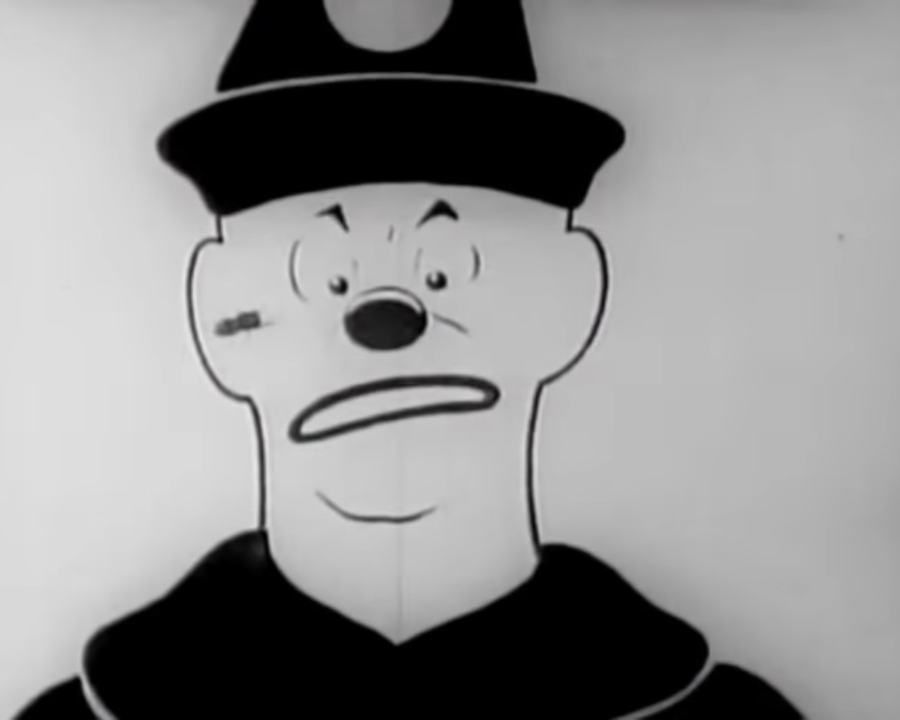
The collaboration between Fleischer and Crandall in The Tantalizing Fly exemplifies the synergistic nature of early animation studios, where the visionary ideas of a director or inventor were brought to vibrant life by the skilled hands of animators. It’s a reminder that even in seemingly simple shorts, a complex interplay of creative talents is at work, each contributing to the final, captivating product. The film’s lasting impact is as much a tribute to Crandall's artistic precision as it is to Fleischer’s conceptual brilliance, creating a microcosm of the animation industry’s foundational years.
Beyond its technical innovations and historical significance, The Tantalizing Fly resonates because it taps into a universal experience: the creative struggle. Every artist, writer, musician, or inventor knows the feeling of being interrupted, distracted, or challenged in the midst of their work. The fly, in this context, becomes a tangible representation of these internal and external obstacles. It's the self-doubt, the procrastination, the real-world demands that threaten to pull one away from the delicate process of creation. Fleischer’s portrayal of this struggle is both humorous and deeply relatable, inviting empathy from anyone who has ever attempted to bring something new into existence.
The film’s resolution, where Fleischer ultimately triumphs over the fly, is not just a comedic payoff; it's a symbolic victory for the creative spirit. It suggests that despite the myriad distractions and challenges, art will find a way to emerge, to assert its presence, and even to interact with the world that spawned it. This enduring message, wrapped in a package of pioneering animation and charming meta-humor, ensures that The Tantalizing Fly remains more than just a historical curiosity. It is a vibrant, living piece of cinematic art that continues to inspire and entertain, a testament to the boundless imagination of its creators and the timeless appeal of a good story, however small or seemingly simple.
From its innovative blend of live-action and animation to its profound exploration of the artistic process, The Tantalizing Fly is a foundational text in the lexicon of animation. It’s a film that demands to be seen, studied, and celebrated, not just for its historical importance, but for its sheer inventive brilliance and its timeless appeal. Max Fleischer and Roland Crandall crafted a short that continues to buzz with life, a vivid reminder of the magic that happens when imagination takes flight.
IMDb —
1913
Community
Log in to comment.