DbcultAccessing Vault...
Cult Review
Senior Film Conservator
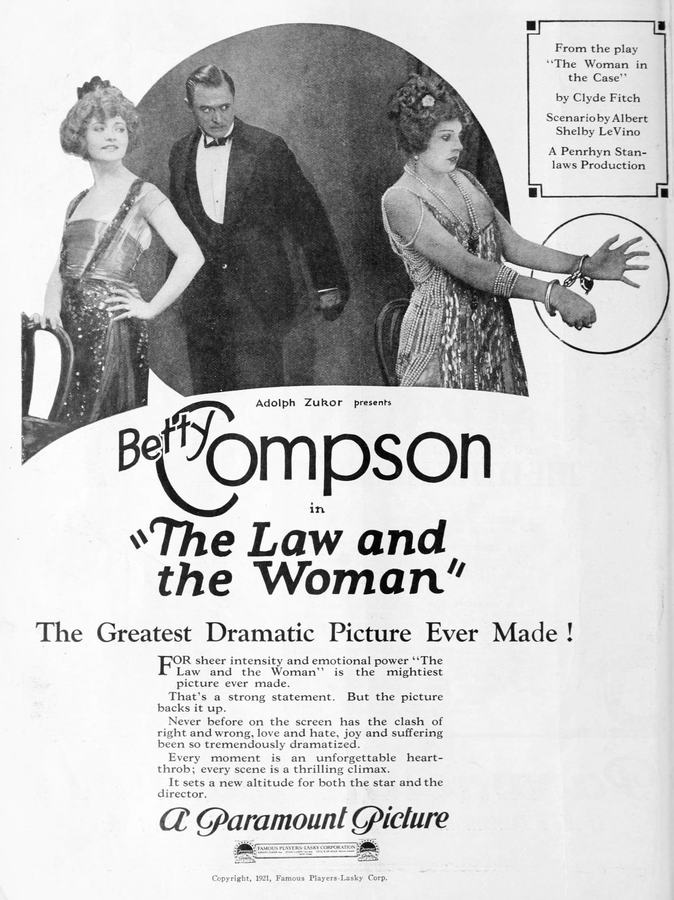
The Law and the Woman is a cinematic tapestry woven from the intricate threads of love, deceit, and redemption, set against the backdrop of a bygone era. As the narrative unfolds, the audience is drawn into a complex dance of relationships, where the past and present collide in a swirling vortex of emotions. The film's protagonist, Julian Rolfe, is a man haunted by the ghosts of his former loves, particularly the enigmatic Clara Foster, who now resides in the city of love and lights, Paris.
As Clara's path converges with that of Phil Long, Julian's ward and a millionaire soldier, the stage is set for a drama that will push the characters to the very limits of their emotional endurance. The introduction of Margaret, Julian's bride, adds a new layer of complexity to the narrative, as she grapples with the revelation of her husband's past indiscretions. The dark orange hues of deception and betrayal begin to seep into the story, as Clara's true intentions are slowly revealed, threatening to upend the delicate balance of Julian's marriage.
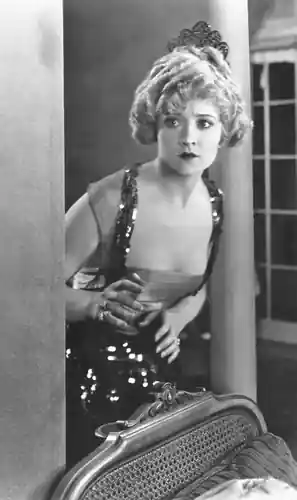
One of the most striking aspects of The Law and the Woman is its thoughtful exploration of the human psyche, particularly in its portrayal of the female characters. Margaret, with her unwavering devotion to Julian, and Clara, with her calculating machinations, embody two distinct facets of the feminine experience. The yellow glow of hope and resilience that surrounds Margaret serves as a beacon of light in the darkness, illuminating the possibilities of redemption and forgiveness. In contrast, Clara's actions are shrouded in a sea blue mist of uncertainty, as her motives and desires remain tantalizingly out of reach.
The film's use of dark orange and yellow hues to symbolize the characters' emotional states is a masterful stroke, adding a layer of depth and complexity to the narrative. The sea blue tones that permeate the film's latter half serve as a poignant reminder of the devastating consequences of Clara's actions, and the white snow that blankets the landscape is a powerful symbol of the purity and innocence that has been lost.
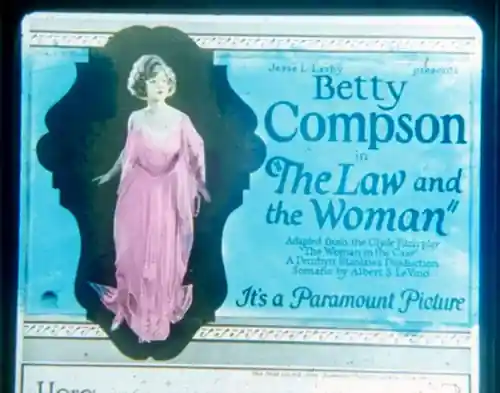
The supporting cast, including Helen Dunbar as Margaret and Cleo Ridgely as Clara, delivers performances that are both nuanced and captivating. The chemistry between the leads is palpable, and their interactions are fraught with tension and emotional depth. The film's cinematography is equally impressive, with a keen eye for detail and a deep understanding of the medium's expressive possibilities. The use of lighting and shadow to convey the characters' emotional states is a hallmark of the film's visual style, and the dark orange and yellow hues that dominate the palette serve to heighten the sense of drama and tension.
In comparison to other films of the era, such as Outwitted and Some Mind Reader, The Law and the Woman stands out for its thoughtful exploration of the human condition. The film's themes of love, deceit, and redemption are timeless, and its characters are multidimensional and relatable. The dark orange hues of passion and yellow glow of hope that permeate the narrative serve as a reminder of the enduring power of the human spirit.
The Law and the Woman is a film that will resonate with audiences long after the credits have rolled. Its thought-provoking themes, coupled with its masterful storytelling and impressive performances, make it a must-see for anyone interested in the art of cinema. As the sea blue mist of uncertainty begins to clear, the viewer is left with a profound sense of empathy and understanding, and the dark orange embers of the characters' emotions continue to glow, a testament to the enduring power of the human experience.

IMDb —
1935
Community
Log in to comment.