DbcultAccessing Vault...
6.6/10
Senior Film Conservator
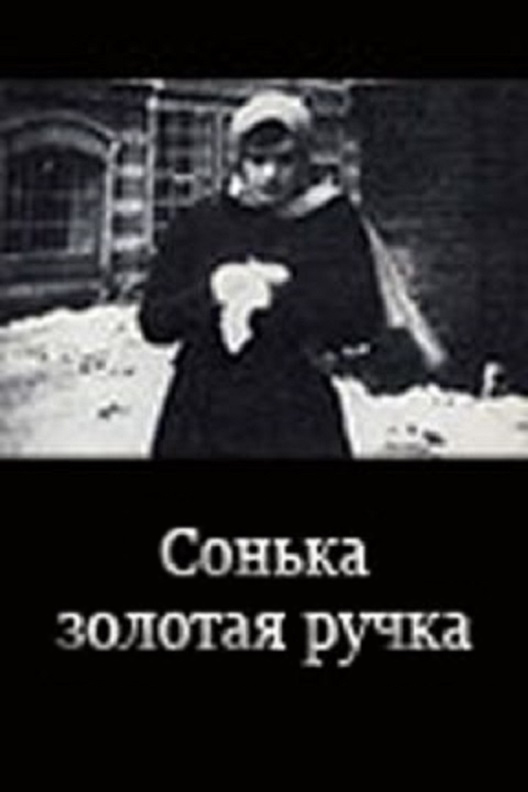
A definitive 6.6/10 rating for a film that redefined the boundaries of cult cinema. Sonka zolotaya ruchka remains a cornerstone of transgressive art.
To witness Sonka zolotaya ruchka is to observe the primordial soup of the crime genre as it crystallized within the unique cultural crucible of pre-revolutionary Russia. Unlike the polished artifice of contemporary thrillers, this 1913 relic pulses with a raw, almost voyeuristic energy. The film chronicles the exploits of Sofia Blyuvshtein, portrayed with a haunting magnetism that transcends the limitations of silent-era pantomime. In the landscape of 1913, cinema was still grappling with its own identity, oscillating between the theatricality of the stage and the voyeurism of the camera lens. Here, the directors Petr Kashevskii and Boris Svetlov—who also features in the cast—navigate this transition by embracing a visual language that is both staccato and deeply evocative.
The narrative structure of the film is unapologetically episodic, a reflection of the 'Lubok' tradition and the serialized crime fiction popular at the turn of the century. We see Sonka not as a static character, but as a shifting mosaic of identities. One moment she is the refined aristocrat, the next a desperate fugitive. This fluidity of self is what makes the film a compelling precursor to the psychological depth found in later works like The Cheat, where moral ambiguity becomes the central pivot of the drama. Yet, while the American counterpart focuses on the transactional nature of morality, 'Sonka' is deeply rooted in the Russian obsession with the 'noble thief'—the criminal who is a byproduct of a fractured society.
The cinematography of the era, often dismissed as primitive, is utilized here with a sophisticated understanding of spatial dynamics. The camera, though largely static, is positioned to maximize the depth of field within the opulent interiors of St. Petersburg’s high society. We see the influence of the European school of realism, perhaps echoing the atmospheric density found in The Bells. The lighting, primarily naturalistic, creates a chiaroscuro effect that mirrors Sonka’s own shadow-dwelling existence. The way the light catches the jewels she pilfers—the very objects of her desire—serves as a recurring motif of entrapment and liberation.
In terms of performance, Nina Gofman and the ensemble, including the likes of Ippolit Rapgof and Aleksandr Chargonin, deliver a masterclass in the 'expressive school.' There is a deliberate weight to every movement. When Sonka executes a sleight of hand, the camera lingers on her fingers with a reverence that borders on the fetishistic. This is not merely a crime; it is an art form. The 'Golden Hand' is not just a moniker; it is a testament to her agency. Contrast this with the more traditional melodrama of The Betrothed (1913), and one immediately senses a radical departure toward a more cynical, grit-infused realism.
It is impossible to analyze 'Sonka zolotaya ruchka' without acknowledging the simmering unrest of its historical context. The film was released on the precipice of the Great War and the eventual collapse of the Romanov dynasty. Every scene of Sonka infiltrating a high-society gala carries a subversive subtext. She is the 'Other' that the elite cannot keep out. Her presence in these spaces is a form of contamination, a reminder that the walls of the palace are porous. In this regard, the film shares a spiritual kinship with The Woman Who Dared, exploring the limits of female autonomy in a patriarchal structure, though Sonka’s methods are far more transgressive.
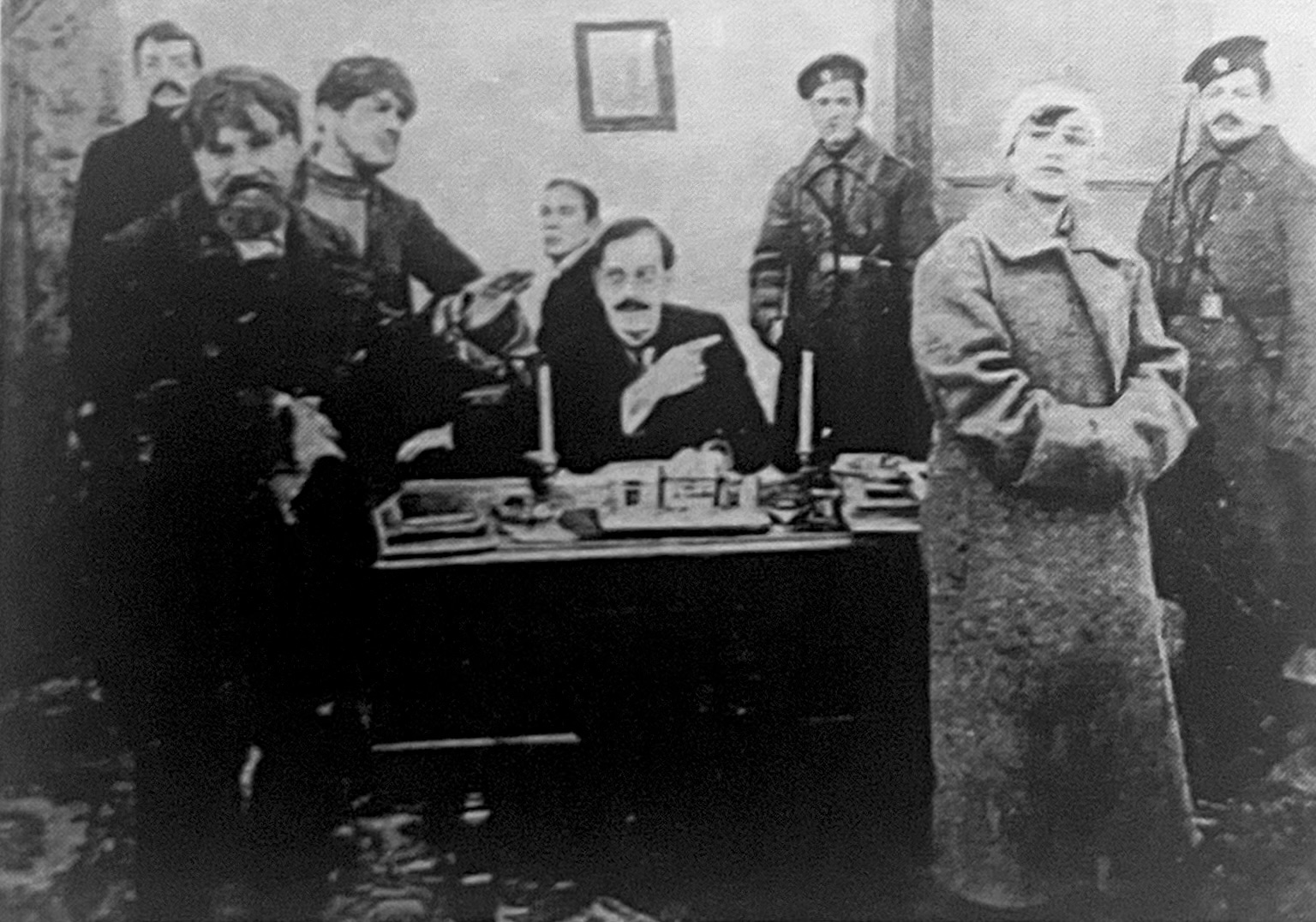
The supporting cast, featuring Petr Kashevskii and Aleksandr Varyagin, provides a sturdy framework for Sonka’s mercurial nature. They represent the various facets of the law and the underworld—the hunters and the hunted. The film avoids the simplistic morality play often found in early cinema, such as the didacticism of The Eternal Law. Instead, it presents a world of gray areas where the line between the criminal and the victim is perpetually blurred. The pursuit of Sonka is not a quest for justice, but a game of wits, much like the investigative fervor depicted in Where Is Coletti?, though with a distinctly Russian melancholy.
The production design of 'Sonka' is a marvel of early 20th-century resourcefulness. The transition from the claustrophobic hovels of the poor to the cavernous, cold grandeur of the rich is rendered with a visceral contrast. This visual storytelling informs the viewer more about the film's themes than any intertitle could. The film’s pacing, while slow by modern standards, allows for a ruminative experience. It invites the audience to linger on the details—the lace on a dress, the smoke from a cigarette, the desperate look in a co-conspirator's eye. This attention to detail is reminiscent of the historical texture in Cetatea Neamtului, where the setting is as much a character as the actors.
Furthermore, the film’s exploration of the 'underworld' as a parallel society with its own codes and honors is a precursor to the modern gangster epic. Sonka is a proto-anti-heroine. She possesses a code of ethics that, while skewed, is more honest than the hypocritical morality of the upper classes. This thematic depth elevates the film beyond mere exploitation. It is a study of survival. Unlike the whimsical adventures of A Trip to the Wonderland of America, 'Sonka' is grounded in a harsh, inescapable reality. Even in her moments of triumph, there is a sense of impending doom—a recognition that the 'Golden Hand' can only hold onto its prize for so long before the world closes in.
In the final analysis, Sonka zolotaya ruchka stands as a towering achievement of the silent era. It is a film that demands to be read through multiple lenses: as a historical document, a feminist text, and a masterclass in early cinematic narrative. The performances of Rocco Espagnoli and Vasilev add layers of complexity to a world already brimming with intrigue. The film does not offer easy answers or a comforting resolution. Instead, it leaves us with the image of a woman who, in the face of insurmountable odds, chose to be the architect of her own legend.
While films like Bryggerens datter or The Toll of Mammon dealt with the consequences of greed and social standing, 'Sonka' goes a step further by romanticizing the rebellion against those very consequences. It is a cinematic experience that is both haunting and exhilarating, a testament to the power of the image to capture the complexities of the human spirit. For any serious student of cinema, this film is not just a curiosity; it is an essential piece of the puzzle that is our collective visual history. It captures a moment in time when the world was changing, and through the character of Sonka, it gave a voice to the voiceless, even if that voice was only heard in the silence of the theater.
A haunting, essential relic of the Russian Silver Age that continues to shimmer with a dark, golden brilliance.
IMDb 4.4
1927
Community
Log in to comment.