DbcultAccessing Vault...
Cult Review
Senior Film Conservator
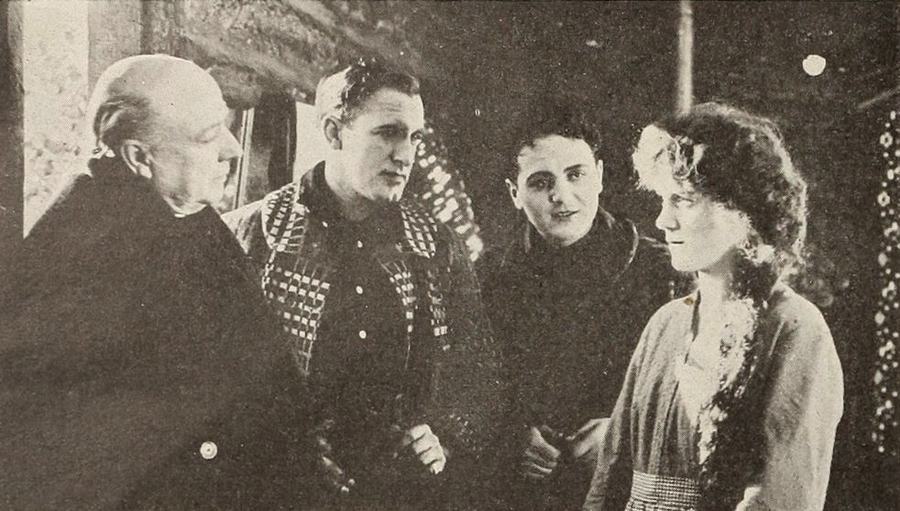
The Law of the Great Northwest (1930) is a cinematic relic that channels the raw, unvarnished energy of the Canadian frontier into a tale of power, passion, and retribution. Directed with a no-frills pragmatism by an unsung auteur, this film is a masterclass in juxtaposing the brutal realities of colonialism with the intimate struggles of its characters. At its core lies a narrative that feels both archaic and achingly modern—a study of how systems of control calcify into moral rot, and how love can become a weapon of subversion in the right hands.
The film’s opening act establishes Hal Sinclair (J.P. Wild) as a figure both fascinating and repellent. He is not the typical Western villain but a man who has internalized the ethos of survival so completely that his cruelty becomes second nature. His Fort Roscher is a microcosm of exploitation, where trade is a currency of oppression and the rulebook is written in blood. Sinclair’s manipulation of the fur trade mirrors the economic inequities of the era, a theme that resonates with startling clarity even today. The arrival of the independent traders, however, introduces a disruptive counterforce—individuals who reject Sinclair’s monopolistic grip. Their deaths, orchestrated by the sadistic Mont Brennan (Leo Willis), are portrayed with grim realism, underscoring the cost of defying entrenched power structures.
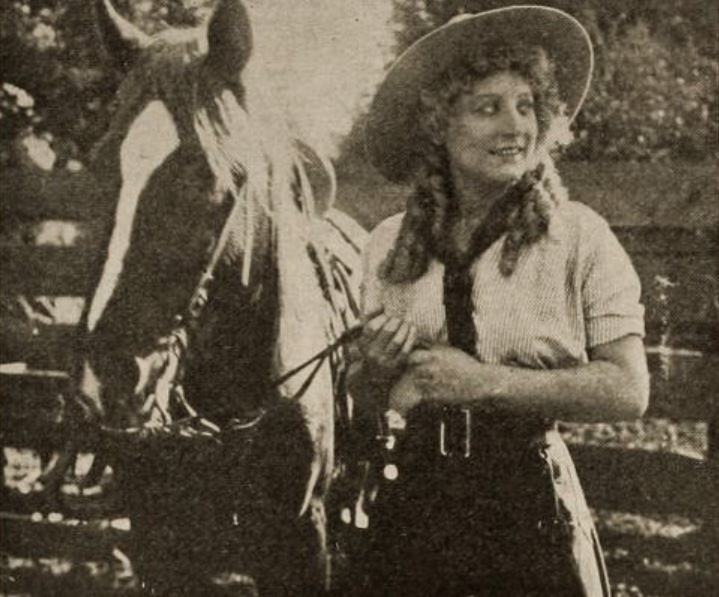
Officer Jamison (Will Jeffries) enters this volatile landscape as a reluctant hero. His role as a lawman is complicated by his growing affection for Marie (Margery Wilson), a character whose agency is remarkable for the time. Unlike the damsel-in-distress tropes prevalent in contemporary cinema, Marie is no passive figure. Her decision to shoot Brennan—the act that triggers the film’s most gripping sequence—demonstrates a fierce independence that defies the era’s gender norms. This act of self-determination becomes the catalyst for the film’s moral reckoning, forcing Jamison to confront the contradictions between his duty and his conscience.
Charles Morin (Louis Durham), the French-Canadian businessman, serves as an unlikely romantic lead whose motivations are steeped in calculated ambition. Yet, his relationship with Marie transcends mere transactional interests. Their courtship is depicted with a tenderness that contrasts sharply with the surrounding violence, creating a poignant juxtaposition. Morin’s character arc—from opportunistic investor to devoted suitor—reflects the film’s exploration of redemption. His survival, facilitated by Marie’s bravery and Jamison’s integrity, symbolizes the possibility of hope in a world steeped in cynicism.
The film’s visual language is deceptively simple. The stark landscapes of the Canadian Northwest are rendered with a documentary-like grit, emphasizing the harshness of the environment. This aesthetic choice grounds the narrative in authenticity, a technique that echoes the work of later Westerns like The Money Master (1935), which similarly uses setting to underscore thematic tension. The color palette—dominated by earthy tones and muted shadows—creates a somber atmosphere, while the editing maintains a relentless pace that mirrors the urgency of the characters’ plight.
Sinclair’s dynamic with Marie is one of the film’s most compelling elements. His love for her is twisted by possessiveness, revealing the fragility of power when challenged by emotional vulnerability. This duality is expertly portrayed by Wild, whose performance oscillates between charm and menace. Sinclair’s downfall is not purely a result of his villainy but a consequence of his inability to reconcile his desires with the reality of his actions. This complexity elevates him beyond a mere antagonist, making him a tragic figure in the tradition of The World Against Him (1939).
Jamison’s character arc is equally nuanced. His internal conflict between duty and desire is a hallmark of the film’s psychological depth. Unlike the stoic lawmen of later Westerns, Jamison is a man of contradictions, torn between professional integrity and personal ethics. His decision to support Marie’s defense—despite his romantic inclinations—underscores the film’s theme of moral accountability. This choice positions him not as a savior but as a mediator of justice, a role that feels refreshingly human in its imperfection.
The film’s pacing is another standout element. The tension builds gradually, with each act escalating the stakes through a series of tightly written confrontations. The murder of Brennan is a pivotal moment, not just for its shock factor but for its narrative implications. Marie’s gunshot becomes a symbol of resistance, a moment where personal courage intersects with collective justice. This sequence is reminiscent of the climactic scenes in Pamela Congreve (1936), where a woman’s agency reshapes the trajectory of a story.
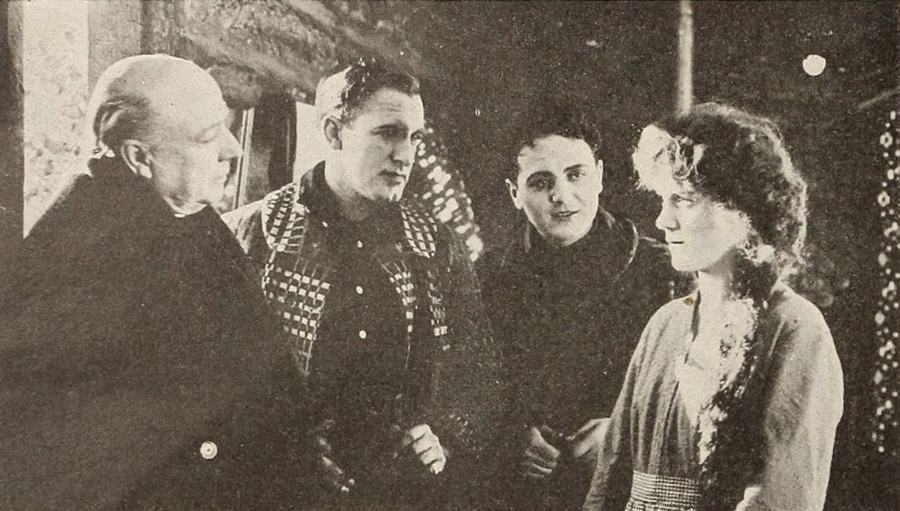
The supporting cast, including Louis Durham as Morin and Margery Wilson as Marie, deliver performances that are both restrained and emotionally resonant. Morin’s journey from skeptical outsider to committed partner is subtly conveyed through small gestures and dialogue choices. Marie’s resilience, meanwhile, is portrayed with a quiet intensity that avoids melodrama. These characterizations are bolstered by the script’s attention to detail, with dialogue that feels rooted in the period without veering into caricature.
The Law of the Great Northwest also succeeds in its historical specificity. The portrayal of the fur trade’s exploitative nature is a prescient critique of colonial capitalism, a theme that resonates with modern audiences. Sinclair’s manipulation of the trappers mirrors the systemic injustices of the early 20th century, a parallel that gives the film a timeless relevance. This thematic depth is rare for a film of its era, and it elevates it beyond a simple genre piece into a socio-political commentary.
Visually, the film’s use of natural light and shadow is striking. The interiors of Fort Roscher are dimly lit, creating an atmosphere of claustrophobic tension, while the exteriors contrast with the vastness of the frontier. This visual dichotomy enhances the narrative’s exploration of confinement versus freedom. The cinematography, though rudimentary by today’s standards, is effective in conveying the oppressive weight of Sinclair’s dominion and the liberation offered by the wild, untamed landscapes.
The film’s score, though understated, plays a crucial role in setting the tone. The use of traditional folk instruments evokes the cultural heritage of the Canadian Northwest, while subtle motifs underscore the emotional beats of the story. This musical restraint complements the film’s overall aesthetic, avoiding the bombast that might have undermined its serious themes.
In terms of cinematic influence, The Law of the Great Northwest occupies a unique space in pre-Code Hollywood. Its unflinching portrayal of corruption and its emphasis on moral ambiguity anticipate the darker, more complex Westerns of the post-Code era. The film’s focus on character psychology and ethical dilemmas also aligns it with the early works of directors like John Ford, who would later redefine the genre. However, its Canadian setting distinguishes it from the more well-known American Westerns of the period, offering a regional perspective that is both fresh and historically significant.
One of the film’s most enduring strengths is its exploration of love as a transformative force. Marie’s relationship with Morin is not just a subplot but a central theme that challenges the cynicism of the setting. Their union, culminating in a wedding that symbolizes the triumph of individual agency over systemic oppression, is a powerful narrative resolution. This thematic focus on love’s redemptive potential is a hallmark of the film’s humanism, a quality that elevates it beyond its genre conventions.
Critics of the time may have dismissed The Law of the Great Northwest as a typical Western, but a modern reassessment reveals its sophistication and relevance. The film’s unapologetic examination of power dynamics and its nuanced characterizations make it a compelling study of human behavior. Its historical context adds another layer of interest, offering a window into the socio-political climate of the early 20th century. For contemporary audiences, the film serves as both a nostalgic artifact and a thought-provoking commentary on enduring issues of justice and morality.
In conclusion, The Law of the Great Northwest is a film that defies easy categorization. It is a Western, yes, but one that transcends the genre’s typical tropes to offer a richly layered narrative. Its exploration of power, love, and justice remains as relevant today as it was in 1930. For those seeking a film that marries historical authenticity with emotional depth, this is a must-watch. Whether you’re a fan of classic cinema or a student of social history, The Law of the Great Northwest is a rewarding experience that lingers long after the credits roll.
IMDb 4.4
1915
Community
Log in to comment.