DbcultAccessing Vault...
6.8/10
Senior Film Conservator
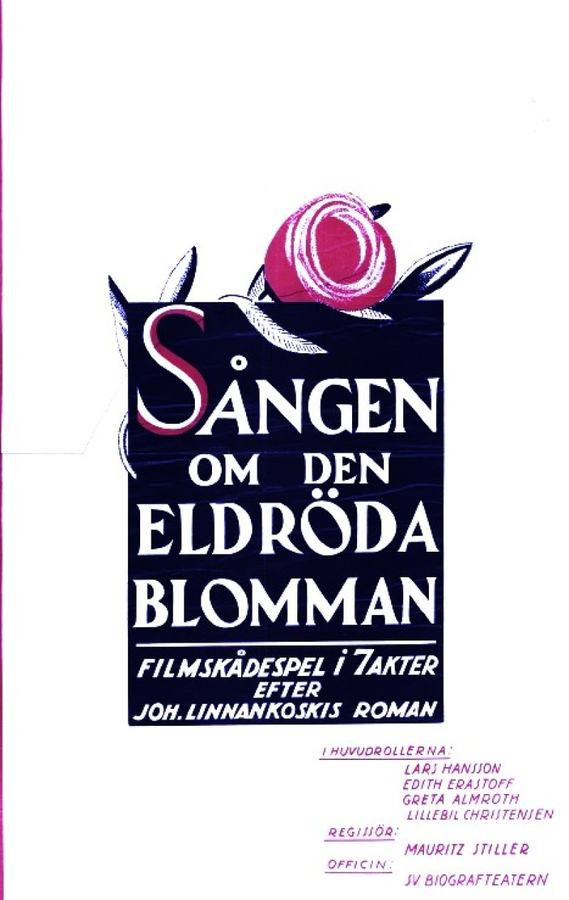
A definitive 6.8/10 rating for a film that redefined the boundaries of cult cinema. Sången om den eldröda blomman remains a cornerstone of transgressive art.
In the annals of early cinematic art, few films resonate with the raw emotional power and visual poetry of Mauritz Stiller’s 1919 masterpiece, Sången om den eldröda blomman (The Song of the Scarlet Flower). This Swedish silent film, a majestic adaptation of Johannes Linnankoski’s beloved 1905 novel, stands as a towering achievement, a testament to Stiller’s visionary direction and a profound exploration of human nature, love, and the arduous path to redemption. It is a narrative woven with threads of youthful recklessness, profound introspection, and the transformative power of the untamed wilderness, all captured with a breathtaking aesthetic that remains captivating even a century later.
At its heart, the film is the odyssey of Olof Koskela, portrayed with magnetic intensity by the incomparable Lars Hanson. Olof is introduced as the archetypal charming rogue, a young man born into the comfort of a wealthy farming family, yet driven by an insatiable wanderlust and a casual, almost predatory, approach to romantic entanglement. His early life is a series of seductions, a careless scattering of affection that leaves a trail of smitten, and often heartbroken, young women in his wake. Stiller masterfully establishes Olof’s initial character not through overt condemnation, but through a subtle portrayal of his detachment and the intoxicating allure he holds for others. He is a force of nature himself, untamed and seemingly untameable, reflecting the wild landscapes he inhabits.
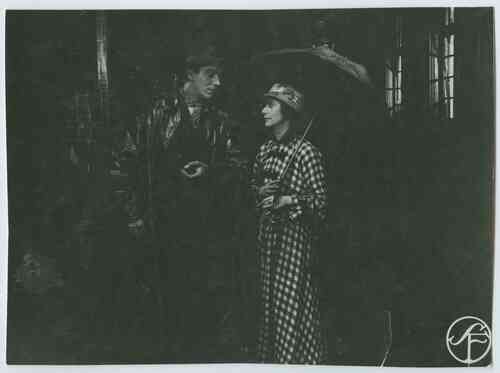
However, this carefree existence is abruptly shattered by a pivotal, albeit ambiguously rendered, incident. The film hints at a moment of profound realization, an “inconsistent gesture” that serves as a catalyst, forcing Olof to confront the consequences of his actions. This moment, whether it be a rejection too sharp, a realization too stark, or a responsibility too heavy, propels him into a self-imposed exile. He abandons the familiar comforts of his home and the superficiality of his past, embarking on a journey that is as much an internal quest for self-discovery as it is a physical traversal through the rugged beauty of the Nordic countryside.
Olof’s subsequent travels are marked by a series of encounters with various women, each representing a different facet of love, desire, and societal expectation. These women are not mere plot devices; they are complex characters who challenge Olof’s cynicism and gradually erode his hardened exterior. From the fiery passion of one, to the gentle devotion of another, each relationship serves as a crucible, forcing Olof to confront his past transgressions and the true meaning of commitment. The film, much like the novel, avoids simplistic moralizing, instead opting for a nuanced exploration of human frailty and the slow, often painful, process of maturation. Lars Hanson’s performance is pivotal here, conveying Olof’s internal turmoil and gradual transformation with remarkable subtlety and depth, a masterclass in silent film acting where every gesture and facial expression carries immense weight.

One cannot discuss Sången om den eldröda blomman without extolling its breathtaking cinematography. Stiller, alongside cinematographers Henrik Jaenzon and Gustaf Boge, transforms the Swedish landscape into an active participant in Olof’s journey. The sweeping vistas of forests, rivers, and mountains are not merely backdrops; they are extensions of Olof’s emotional state, mirroring his wild spirit, his isolation, and ultimately, his yearning for peace. The film revels in the raw beauty of nature, using it to underscore themes of freedom, untamed passion, and the cyclical nature of life and love. The visual language is rich with symbolism, the flowing rivers often reflecting the passage of time and the relentless current of fate, while the towering trees suggest both refuge and the daunting scale of Olof’s personal quest.
The use of natural light and shadow, characteristic of early Scandinavian cinema, imbues the film with an almost mystical quality. The black and white palette is utilized to its fullest potential, creating stark contrasts that emphasize the dramatic shifts in Olof’s emotional landscape. From the sun-drenched pastoral scenes of his youth to the shadowy depths of his solitary wanderings, the cinematography is consistently evocative, drawing the viewer deeper into Olof’s world. This aesthetic sensibility sets it apart, demonstrating an early mastery of visual storytelling that would influence countless filmmakers. In this regard, it shares a certain poetic grandeur with other films of the era that embraced naturalistic settings, though Stiller's touch is uniquely his own, less overtly dramatic than some contemporary European epics, but deeply resonant.
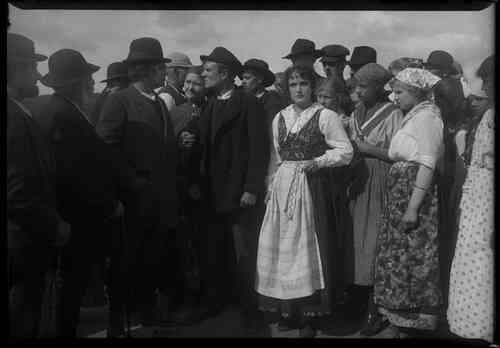
The titular “Scarlet Flower” is a potent symbol, multifaceted and open to interpretation. It embodies passion, love, purity, and perhaps even the elusive ideal of true companionship that Olof desperately seeks. It is the unattainable, the sacred, that which he initially desecrates through his fleeting affections but ultimately yearns to protect and cherish. The film delves deeply into themes of masculinity and its evolution, from a destructive, self-serving force to a more mature, responsible embodiment of love. Olof’s journey is a profound meditation on the difference between superficial desire and profound, sacrificial love, a distinction he learns through hardship and heartbreak.
Beyond romance, the film also subtly critiques societal expectations and the constraints placed upon individuals. Olof’s initial rebellion can be seen as a rejection of the settled, predictable life his family lineage dictates. His wandering is a search for authenticity, even if misguided at first. The women he encounters, each with their own lives and struggles, represent different facets of a society grappling with tradition and modernity, independence and domesticity. Greta Almroth, Lillebil Ibsen, and Tekla Sjöblom, among others, deliver performances that imbue their characters with dignity and complexity, making their interactions with Olof feel genuine and impactful.

The narrative structure, while episodic, builds towards a cohesive emotional arc. Stiller, working with writers Tom Bret and Gustaf Molander, alongside the source material of Johannes Linnankoski, crafts a story that feels both epic and intimately personal. The pacing allows for contemplation, for the viewer to absorb the beauty of the surroundings and the nuances of Olof’s internal struggles. It is a slow burn, culminating in a powerful, emotionally charged resolution that feels earned rather than contrived.
Mauritz Stiller, a pivotal figure in Swedish cinema and a contemporary of Victor Sjöström, possessed a unique directorial vision that blended naturalism with a keen sense of psychological depth. Sången om den eldröda blomman showcases his ability to extract powerful performances from his actors and to weave grand narratives within a visually stunning framework. His meticulous attention to detail, from costume to setting, creates a world that feels both authentic and larger than life. The film’s emotional resonance is a direct result of Stiller’s empathetic direction, allowing the audience to truly connect with Olof’s tumultuous journey.

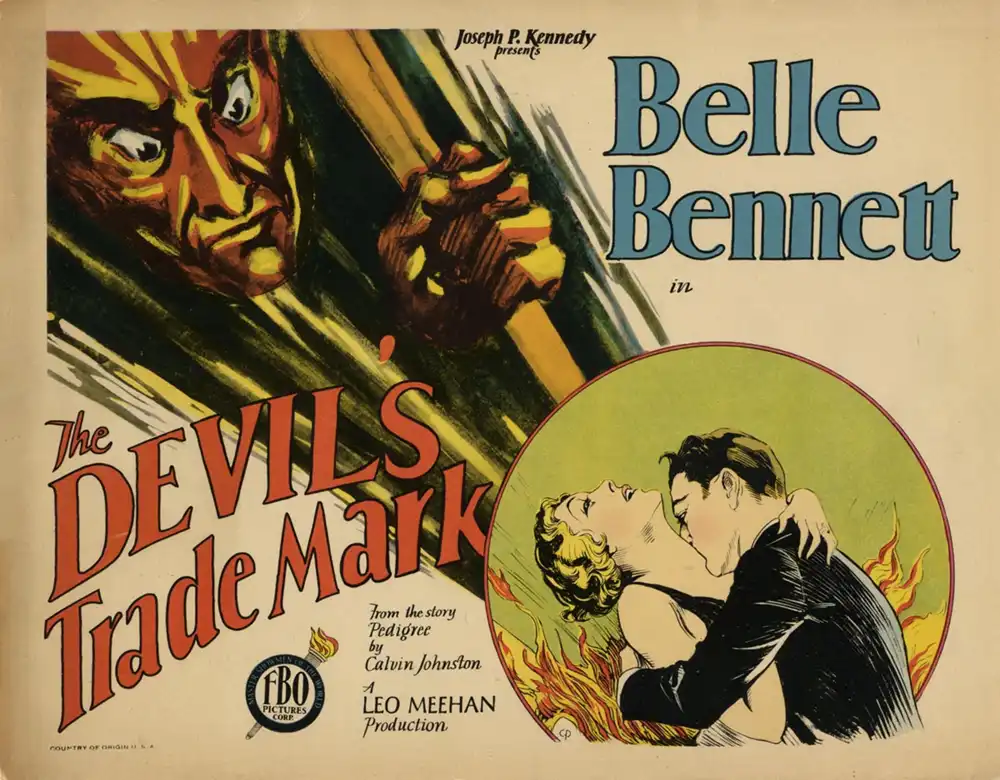
Comparing Stiller's work here to other films of the era highlights its distinct qualities. While films like The Devil's Toy might explore moral dilemmas, Stiller's approach is often more poetic and less didactic, relying on visual metaphor and nuanced character development. Similarly, while epics like The Eternal City might offer grand spectacles, Sången om den eldröda blomman finds its grandeur in the intimate struggles of the human spirit against the backdrop of an awe-inspiring natural world. Stiller’s influence would later be felt in Hollywood, where he briefly worked, famously discovering Greta Garbo. His early Swedish films, however, remain his most personal and artistically profound statements.
The film also exemplifies the burgeoning sophistication of narrative filmmaking in the late 1910s. It moves beyond mere spectacle or theatrical adaptation, embracing the unique capabilities of the cinematic medium to tell a story with visual fluency and emotional nuance. The performances, particularly from Lars Hanson, are remarkably restrained and naturalistic for the era, avoiding the over-the-top gesticulations often associated with silent film acting. This commitment to realism, even within a romanticized setting, lends the film an enduring quality that transcends its historical context.
Sången om den eldröda blomman is more than just a historical artifact; it is a living, breathing work of art that continues to speak to contemporary audiences. Its exploration of universal themes—the search for identity, the complexities of love, the struggle for redemption—ensures its timeless appeal. The film’s ability to evoke profound emotion through purely visual storytelling, supported by the powerful performances of its cast, is a testament to the enduring power of silent cinema when executed with such artistry and conviction.
In an age saturated with sound and dialogue, revisiting a film like this offers a unique opportunity to appreciate the sheer artistry of visual narrative. It forces the viewer to engage more deeply, to interpret expressions and gestures, to become an active participant in the storytelling. The film’s quiet grandeur, its majestic landscapes, and its deeply human story combine to create an unforgettable cinematic experience. It reminds us that the most profound stories are often those that explore the intricate dance between human will and the forces of nature, between fleeting desires and enduring love. For anyone interested in the foundational works of cinema, or simply a compelling human drama, Sången om den eldröda blomman remains an essential, deeply moving watch, a scarlet flower blooming brightly in the garden of film history.
The enduring relevance of its themes, particularly the journey from youthful self-indulgence to mature responsibility, ensures its place in the canon of classic cinema. It’s a narrative arc that transcends cultural and temporal boundaries, speaking to the universal human condition. The film serves as a powerful reminder of how early filmmakers like Stiller were already pushing the boundaries of the medium, crafting sophisticated narratives that resonated deeply with audiences and continue to do so today. Its quiet intensity and visual poetry make it a benchmark for silent film, a work that truly sings the song of a wild heart finding its way home.
IMDb 6.6
1925
Community
Log in to comment.