DbcultAccessing Vault...
Cult Review
Senior Film Conservator
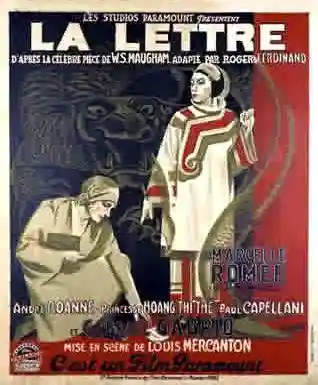
So, The Letter from 1931. You might've stumbled across the Bette Davis version, or maybe even heard about the stage play. This one, a French take on the W. Somerset Maugham story, is a real curio. Is it worth seeking out today? Honestly, probably not for everyone. But if you dig early talkies, that whole pre-Code era, or you’re just curious about how different countries tackled these dark melodramas, then yeah, it’s got something. You might get a little bored if you need super-fast pacing or crystal-clear sound, though. It holds this slow, deliberate creepiness that really gets under your skin, if you let it.
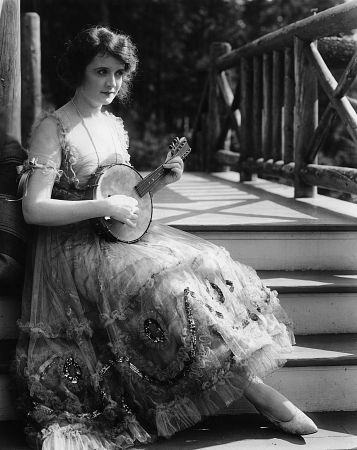
It all kicks off with quite the jolt, a pistol shot right after the credits. Ky Duyen’s character, Leslie, is just standing there, gun still smoking, over a body. Her explanation? He attacked her. Pure self-defense, she says, with a calm that feels unnerving. That initial silence after the shot, it’s kinda jarring. Like, too quiet for such a violent act. Something just feels off.
Her face, during the first round of questions, is a whole mood. Not exactly distraught, not totally innocent. There’s this flicker, almost a calculation, that you keep trying to catch. Is she genuinely shocked or just really good at keeping it together? The movie wants you to wonder, and it keeps that doubt simmering nicely.
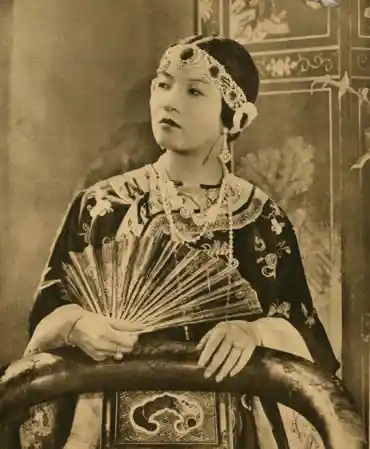
The setting, I think it’s colonial Malaya, just feels so hot and sticky, even in old black-and-white. The ceiling fans are always turning, slowly, in the background, making this low hum. It doesn’t quite hide the tension. It’s a neat little detail, this constant, almost heavy atmosphere. Everyone looks a bit wilted, probably from the heat, but maybe from the secrets too. 🥵
Everything hinges on the letter. When it finally comes up, it’s not some grand, shocking reveal. It’s a hushed, almost casual threat. And the price to make it disappear? It's not just money. It's a descent into something much worse. This is where the film really grabs you, watching Leslie's quiet desperation grow. She has to make some choices, and none of them are good choices.
There's a scene where she just sits there, completely still, after realizing what she needs to do. The camera just hangs on her. No talking, no big music. Just her, absorbing the silent weight of her decision. It stretches out a little longer than you’d expect, maybe 10-15 seconds, and it really hits you. You feel her world just shrinking, right down to this one horrible problem.
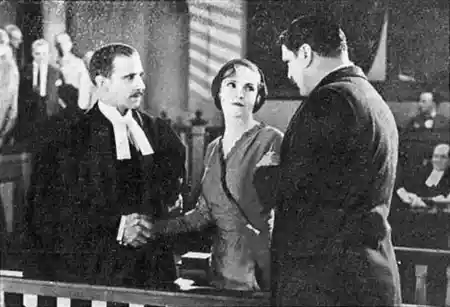
Some of the acting from the supporting cast, well, it can feel a bit stiff. You know, early sound film stuff. The lawyers, for example, they’ve got this very formal way of speaking that’s a bit much for today. But then you get these flashes, like a quick, heartbroken look from Guy Favières, who plays her husband. He's trying so hard to believe her, and you can practically see him cracking.
I kept thinking about how easy it was for a reputation to be ruined back then, how one single piece of paper could just unravel everything. It feels like a very old-fashioned scandal, sure, but the basic human struggle – the fear, the compromises – that part still feels super real. Makes you think about what people will do to keep face, or just to get by.
The ending, it feels kinda... inevitable. Not satisfying in a neat, tidy way, but it wraps up with a grim sort of logic. It's not really about justice here. It's all about consequences. And that final image, again, no big fuss, just a quiet, almost defeated fade out. It leaves you with this unsettled feeling, like a bitter taste. But for a movie like this, that’s actually a good thing. 👍
It’s not perfect, not by a long shot. The sound can be a bit muddy in places, and some acting feels dated, for sure. But it has this unflinching, almost cold look at human deceit that is genuinely captivating. It doesn’t really judge its characters. It just lays out their messy, messy choices. For a film from 1931, that feels pretty bold.
IMDb 5
1936
Community
Log in to comment.