DbcultAccessing Vault...
6.6/10
Senior Film Conservator
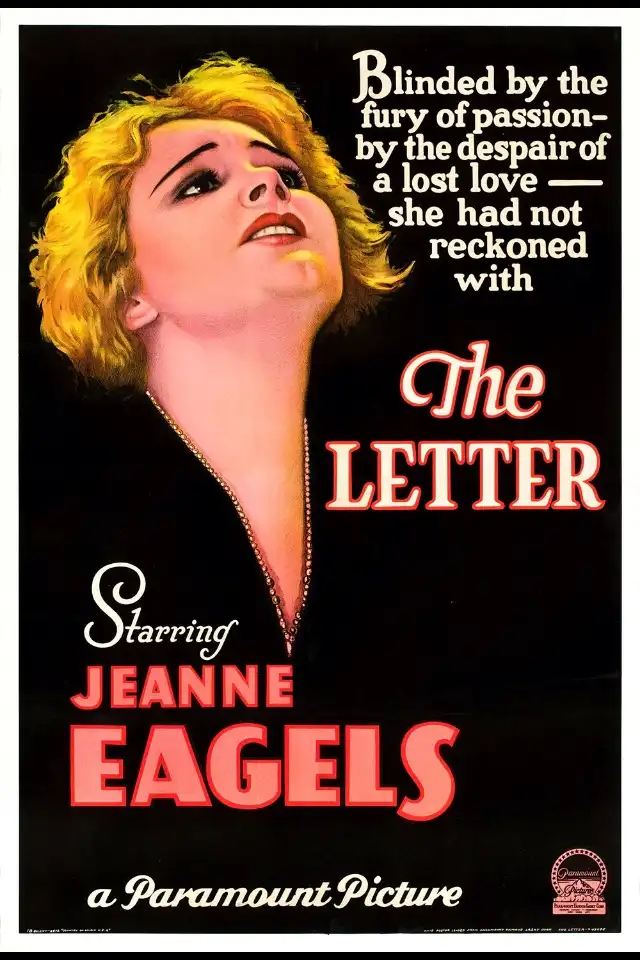
A definitive 6.6/10 rating for a film that redefined the boundaries of cult cinema. The Letter remains a cornerstone of transgressive art.
You should probably watch this today if you want to see what a nervous breakdown looked like in 1929. It is worth it just for the historical weirdness alone.
If you like movies that feel like a play where the actors might actually collapse, you will dig this. If you hate slow movies where the sound hisses like a radiator, you should probably skip it.
The movie starts with these gunshots that sound like wet wood snapping. Leslie Crosbie just keeps shooting and shooting at this guy Hammond.
It is intense for a movie that is almost a hundred years old. Jeanne Eagels plays Leslie and she looks like she hasn't slept in a month.
Her eyes are huge and dark, almost like they were painted on with charcoal. She has this high, shaky voice that makes you feel like she’s about to shatter into a million little pieces.
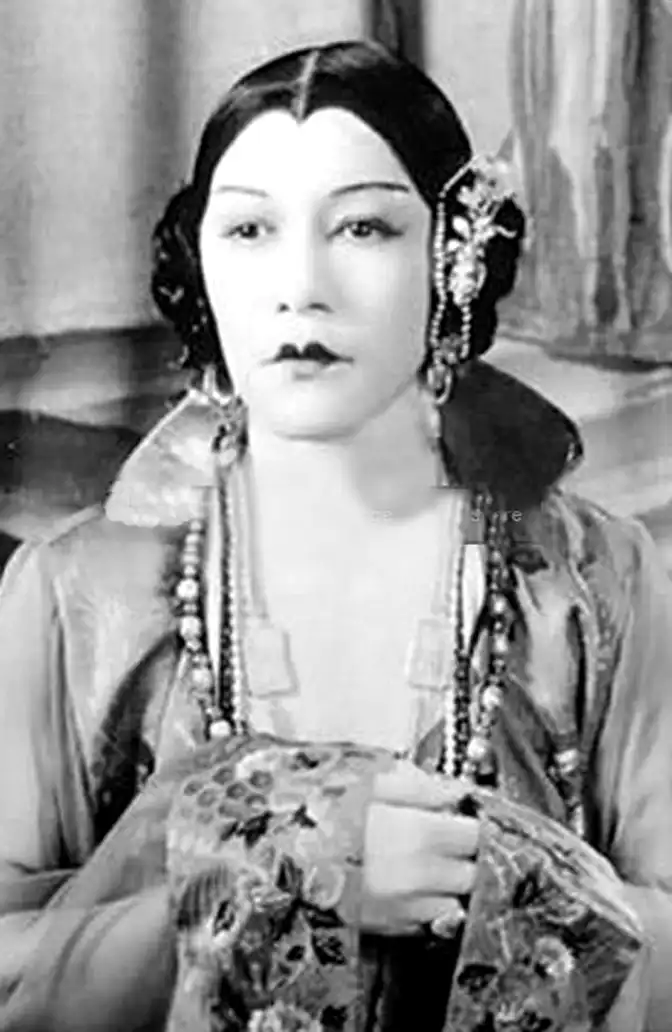
The whole thing takes place in Singapore or a plantation nearby, and you can almost smell the humidity. Everyone is wearing white suits that look like they’ve been starched into cardboard.
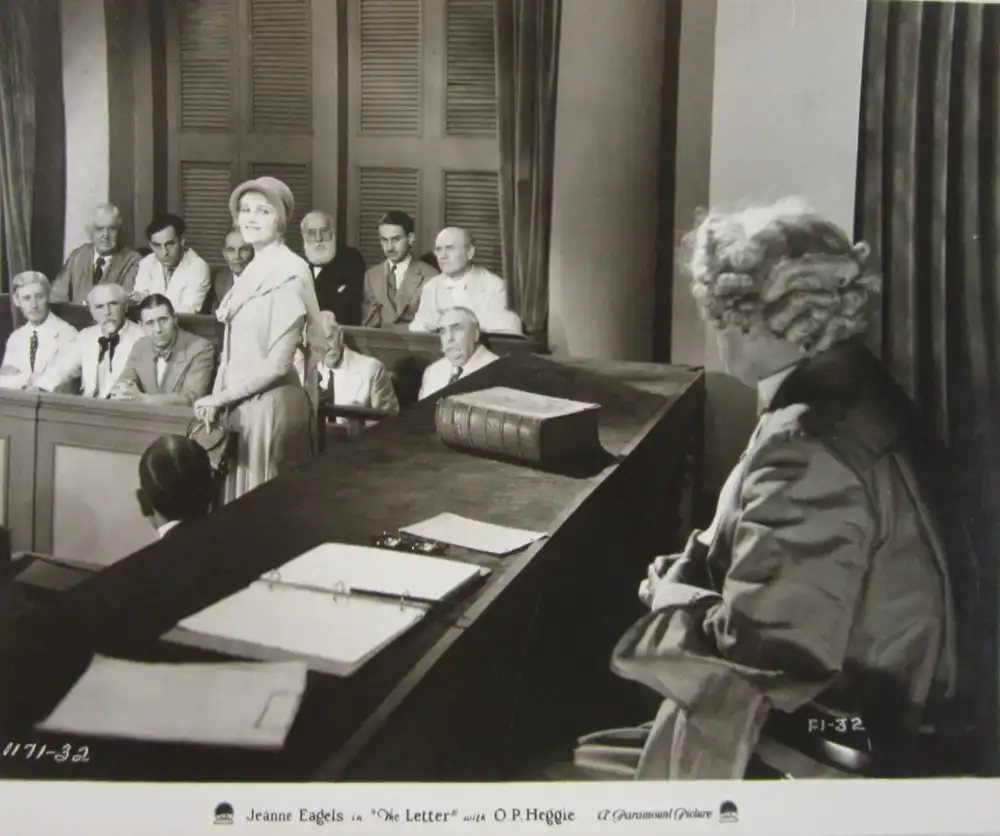
There is a scene where she is telling her story to her husband and the lawyer. She is so calm but her hands are doing these tiny little twitches.
I noticed the ceiling fans never seem to move enough air. Everyone just looks perpetually damp and miserable.
The sound is the funniest part because it was made right when movies started talking. You can hear the silence, if that makes sense?
It’s a heavy, buzzing kind of silence that makes the dialogue feel like it’s being shouted across a canyon. Sometimes an actor will stop talking and the movie just waits for a second too long.
It reminded me a bit of the atmosphere in Wild Oranges but much more trapped. Like the walls are closing in because of a piece of paper.
That letter is the whole point, obviously. It proves she wasn't just defending her honor, she was actually inviting the guy over.
The scene where the lawyer first hears about the letter is great. Reginald Owen plays the lawyer and he looks like he’s trying to swallow a lemon the whole time.
Herbert Marshall is in this too, playing the lover who gets shot. It’s funny because he’s the husband in the famous 1940 version with Bette Davis.
In this one, he just gets to be the guy who dies in the dirt at the beginning. He doesn't have a lot to do, but his mustache is very impressive.
There is a sequence in the "native" part of town that feels really uncomfortable now. It’s very 1920s in its prejudice and how it looks at the character Li Ti.
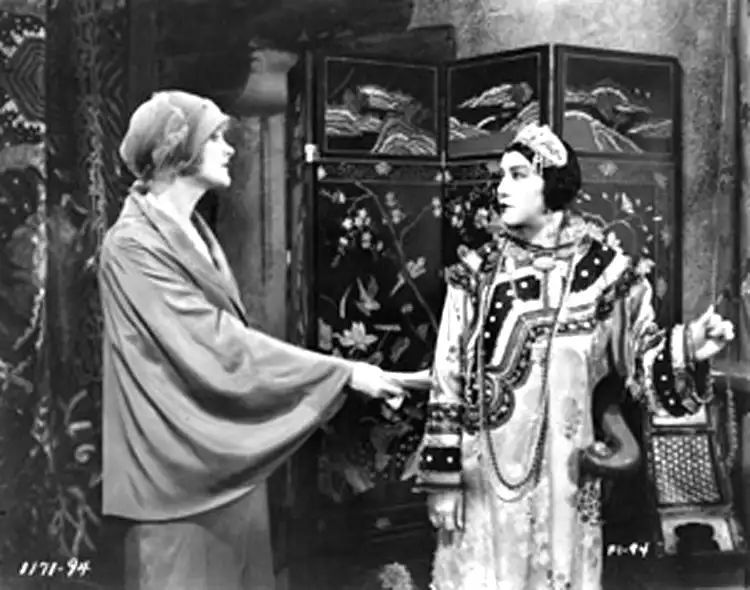
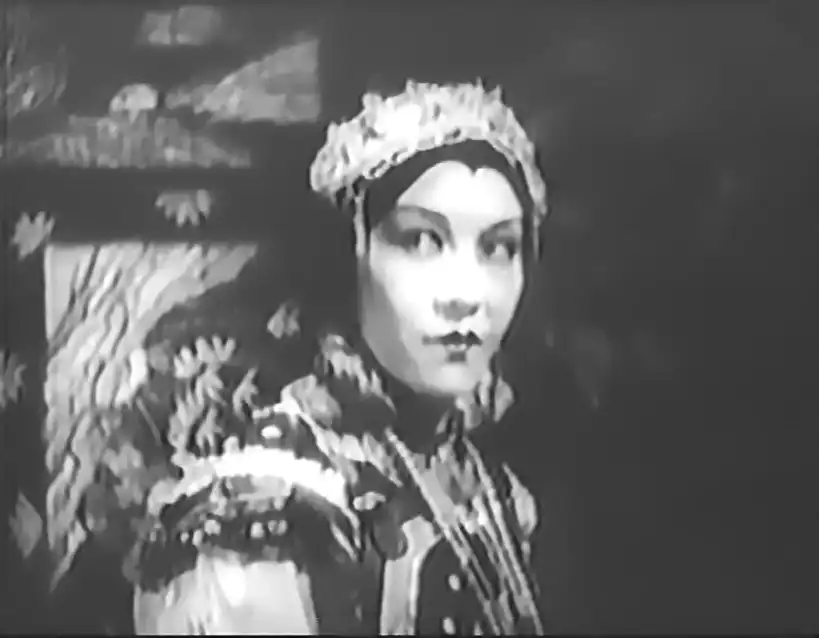
Lady Tsen Mei plays her with this very stiff, almost robotic movement. She’s like a porcelain doll that might suddenly pull a knife on you.
The confrontation between the two women is the highlight. You have Leslie, who is all white lace and nerves, and Li Ti, who is all silk and cold stares.
The movie doesn't really have a soundtrack, just those environmental noises. It makes the moments where Leslie screams feel much more violent.
I forgot how much I liked the way they used shadows back then. When they go to the house in the Chinese quarter, the shadows on the walls are bigger than the people.
It feels like a nightmare where you can't run because your feet are stuck in mud. Jeanne Eagels died not long after this came out, which adds a layer of sadness to it.
You can see the toll the performance took on her. She isn't just acting; she’s vibrating.
The ending is a bit different than what you might expect if you've seen the remake. It feels a bit more sour and less like a grand tragedy.
It’s just a woman who made a mess and now has to live in it. The final shot of her face is something that stuck with me for a few hours after.
She looks hollowed out. Like there's nothing left inside but that letter.
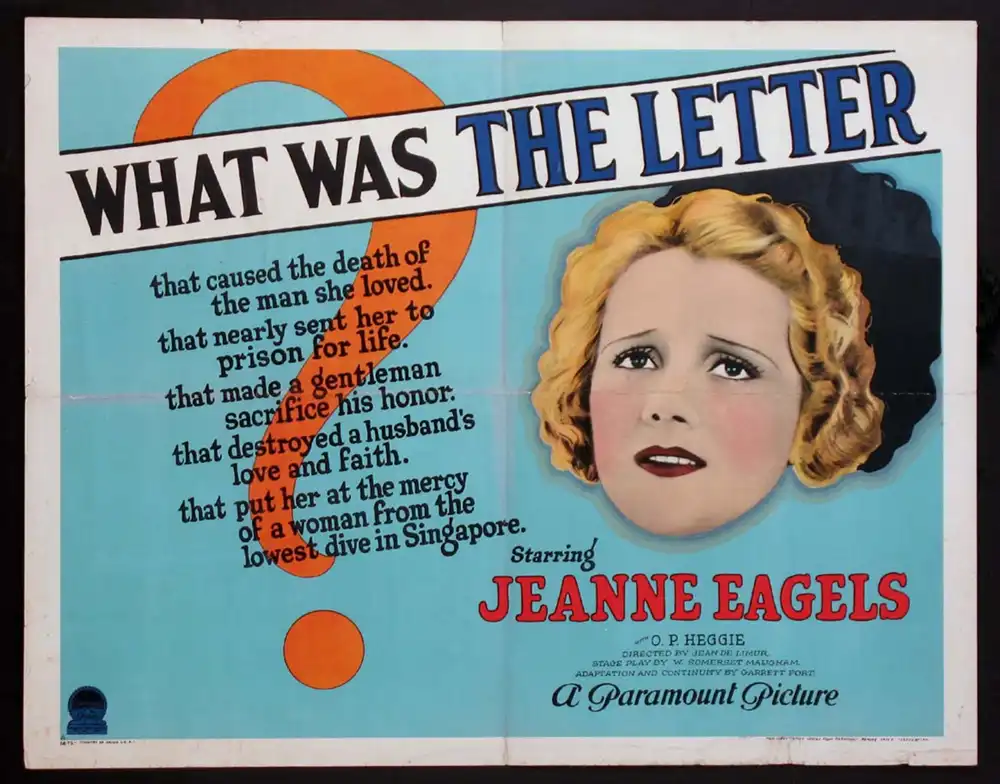
It’s not a perfect movie, and some of the acting from the secondary cast is pretty wooden. But when it focuses on Leslie, it’s electric.
If you find it on a streaming service or a dusty DVD, give it a shot on a rainy night. It fits that mood perfectly. 🎥
I think I noticed a boom mic shadow for a split second during the office scene. Or maybe it was just a weird light.
Either way, it didn't ruin anything. It just made it feel more real, like a recorded stage play that went slightly wrong.
The way she says "I killed him" is so flat and dry. It’s better than any big dramatic monologue.
Anyway, it’s a solid piece of history. Definitely better than some of the other stuff from that year like The Fair Pretender which I couldn't even finish.
The Letter actually keeps its grip on you. Even when the audio pops and the screen gets grainy.
IMDb —
1931
Community
Log in to comment.