DbcultAccessing Vault...
7.1/10
Senior Film Conservator
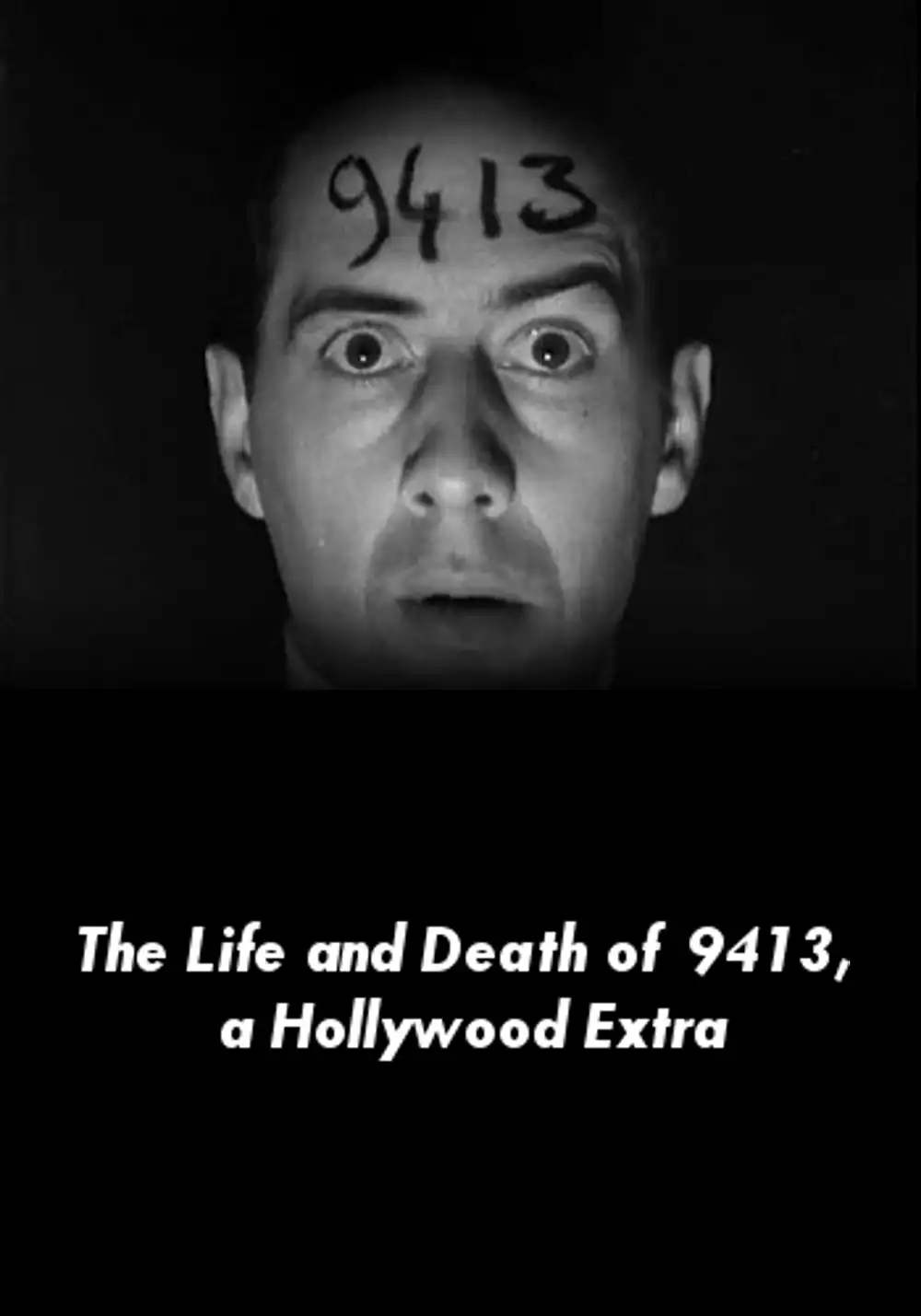
A definitive 7.1/10 rating for a film that redefined the boundaries of cult cinema. The Life and Death of 9413, a Hollywood Extra remains a cornerstone of transgressive art.
To put it plainly: yes, but with significant caveats. The Life and Death of 9413, a Hollywood Extra is a crucial piece of experimental silent cinema, a searing, visually inventive critique of the nascent Hollywood dream factory from 1928. It’s an essential watch for film historians, students of avant-garde cinema, and anyone interested in the foundational language of film as a medium. If you appreciate expressionistic visuals, bold editing, and a narrative driven more by atmosphere and metaphor than traditional plot, you will find it rewarding. However, if you're looking for a conventional story, fast pacing, or a film to passively enjoy on a Saturday night, this isn't it. Modern audiences accustomed to sound and intricate character development will likely find its deliberate style and bleak tone challenging, perhaps even alienating.
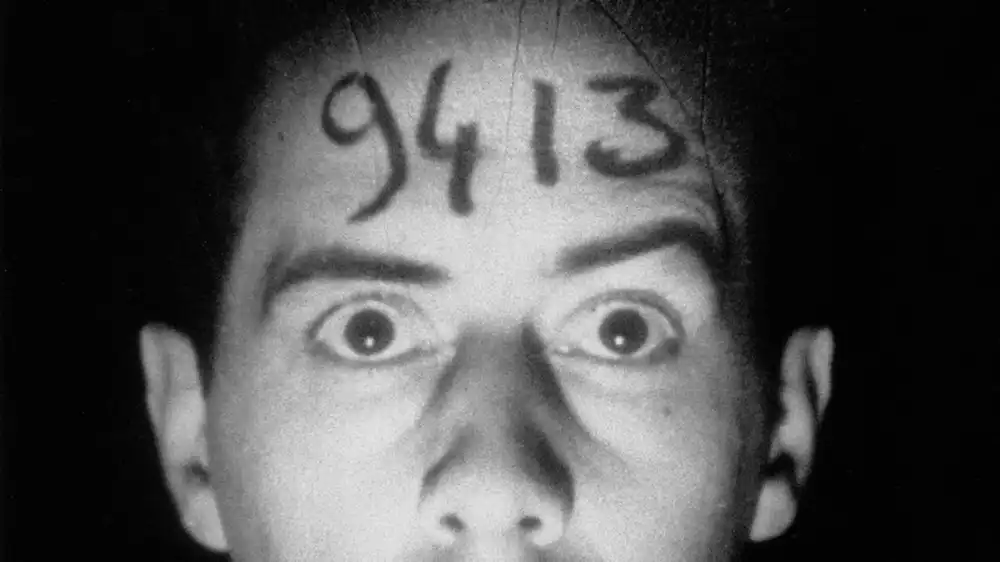
From its opening frames, 9413 establishes a tone of stark, almost clinical observation. The film doesn't waste time with pleasantries; it immediately plunges its protagonist, played by Jules Raucourt, into a world where identity is a luxury. He arrives in Hollywood, a wide-eyed hopeful, only to be immediately branded with the number 9413. This isn't just a plot device; it's a visual motif that permeates the entire film. Numbers are everywhere – plastered on walls, etched into sets, even superimposed over characters. It's an unrelenting visual shorthand for dehumanization, a stark reminder that in this industry, individuals are merely cogs, easily replaced.
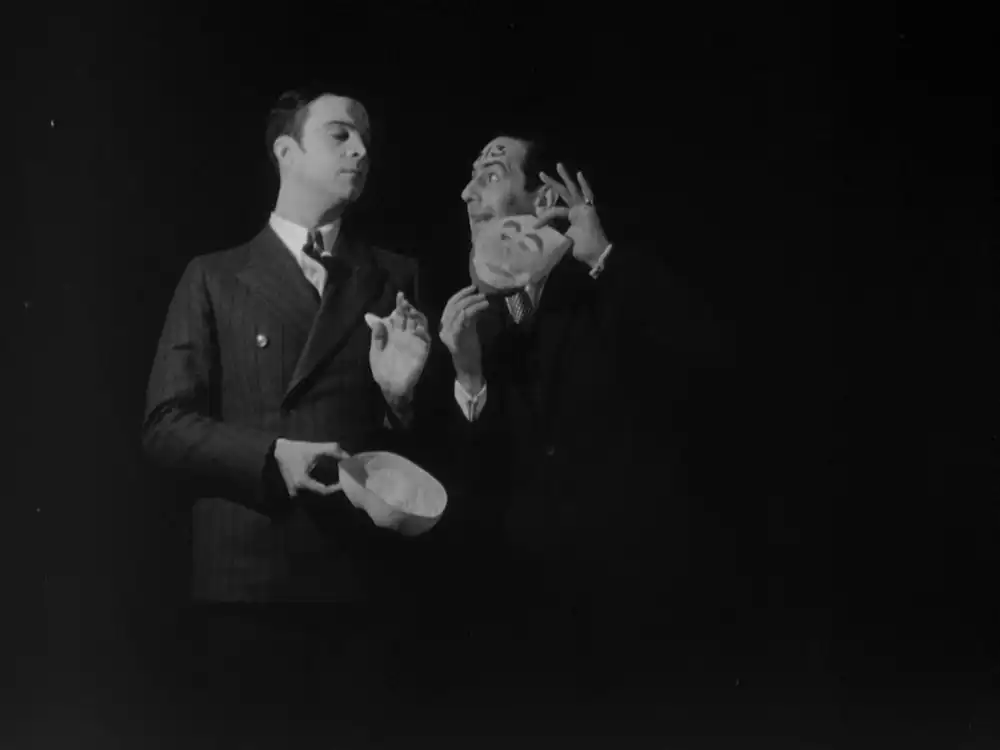
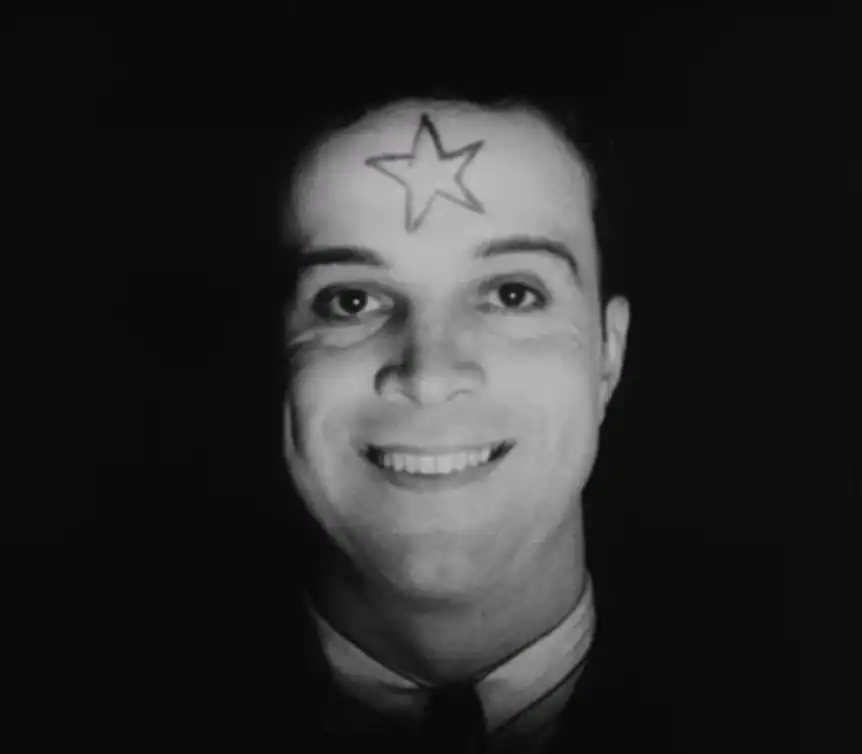
The film’s greatest strength lies in its relentless visual style. Directors Robert Florey and Slavko Vorkapich, both uncredited for direction, employ a dizzying array of techniques that feel incredibly modern even today. We see superimpositions that layer the protagonist's hopeful face over the indifferent masses, rapid-fire montage sequences depicting the frantic, anonymous churn of auditions, and extreme close-ups that emphasize the emotional toll of rejection. One particularly striking sequence involves a literal “star-making machine,” a rotating stage where hopefuls are fed into a contraption, emerging as identical, smiling, expressionless stars. It's a blunt, almost cartoonish metaphor, but delivered with such visual conviction that it lands with surprising force, crystallizing the film's central thesis about manufactured celebrity.
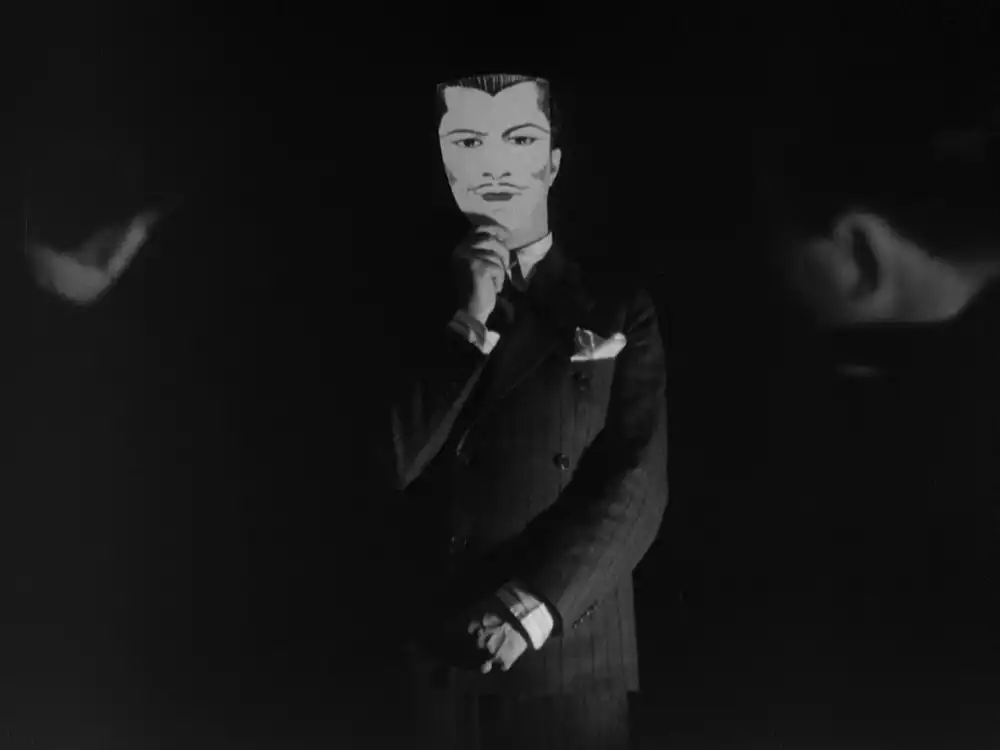
Jules Raucourt, as 9413, carries the emotional weight of the film through exaggerated, yet effective, silent film acting. His initial optimism is conveyed through wide smiles and confident gestures, which slowly give way to a slump in his shoulders, downcast eyes, and a general air of defeated resignation. It’s a performance perfectly attuned to the film’s expressionistic demands, relying on overt physical cues rather than subtle internal shifts. He doesn't need dialogue to convey the crushing weight of his circumstances; his posture and facial contortions speak volumes. The other actors, like Voya George as the 'Star' and Adriane Marsh as the 'Chorus Girl,' serve more as archetypes than characters, their performances equally stylized to fit the film's satirical, almost grotesque, depiction of Hollywood's elite.
The pacing of 9413 is deliberately uneven, a choice that mirrors the protagonist's chaotic journey. There are moments of frantic cutting, particularly during the audition sequences, designed to overwhelm and disorient. These are often followed by longer, more static shots of Raucourt's character in moments of quiet despair, allowing the audience to linger on his suffering. For a modern viewer, these contemplative stretches can feel slow, especially without the benefit of a score designed for contemporary attention spans. However, within the context of the film's artistic intent, this rhythm works. It’s not meant to be a smooth ride; it’s a jarring, often uncomfortable experience that forces you to confront the film's bleak message head-on.
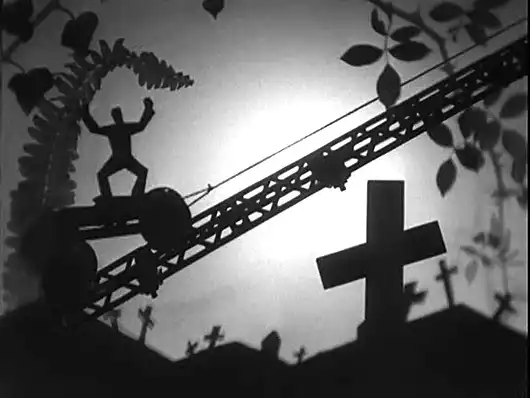
What truly sets 9413 apart is its inventive visual storytelling. The sets are stark and minimalist, often employing forced perspective and dramatic shadows to create a sense of overwhelming scale or claustrophobia. The studio offices, for instance, are depicted as a series of towering, angular structures, dwarfing the extras who queue before them. There’s a particular shot where Raucourt’s character is literally framed by giant, looming numbers, an ever-present visual reminder of his statistical insignificance. Later, when he attempts to make his own film, the makeshift sets and crude lighting offer a poignant contrast to the polished facades of the big studios.
One detail that resonates is the subtle, almost blink-and-you'll-miss-it awkwardness in some of the crowd scenes. The extras, in their frantic attempts to catch the eye of a casting director, sometimes move with a slightly unnatural, almost robotic energy. It’s a small touch that reinforces the film’s theme of people being reduced to automatons within the system. Another memorable sequence is 9413's dream, a surreal montage of success and adoration that quickly turns into a nightmare of being chased by giant, dismissive hands – a direct visual echo of the studio executives who literally wave him away.
The film's strengths are undeniable: its pioneering visual effects, its bold expressionistic style, and its potent, timeless critique of the entertainment industry. It’s a testament to the power of silent cinema to convey complex ideas without a single word. Its weaknesses, however, are also tied to its experimental nature. The deliberate emotional distance, the highly stylized performances, and the challenging pacing mean it won't resonate with everyone. It's a film that demands active engagement, a willingness to interpret its visual metaphors rather than passively absorb a narrative.
Ultimately, The Life and Death of 9413, a Hollywood Extra is more than just a historical curiosity; it’s a powerful, unsettling artistic statement that remains relevant. While it might not be a 'fun' watch, it is an important one. Approach it not as a conventional narrative, but as a visual poem, a stark warning, and a masterclass in early cinematic innovation. For those willing to meet it on its own terms, it offers a fascinating, often disturbing, glimpse into the dark underbelly of the Hollywood dream.
Community
Log in to comment.