DbcultAccessing Vault...
3/10
Senior Film Conservator

A definitive 3/10 rating for a film that redefined the boundaries of cult cinema. Sailors' Wives remains a cornerstone of transgressive art.
So, Sailors' Wives... look, if you're not already a big silent film person, this one's probably a skip for your average Friday night. But for those who love digging into the era, or really want to see Mary Astor before she was Mary Astor, it's got some moments. Everyone else? You'll probably find it a bit slow, maybe even a little confusing without the right context.
The whole setup is pretty simple: three friends, all married to sailors. When their husbands ship out, these women are left to their own devices, which, you know, is always a recipe for *something* to happen in these kinds of stories. It’s a classic silent film premise, really.

Olive Tell plays one of the wives, and her character, Lucy, kinda anchors the more dramatic bits. She's got this whole thing where she accidentally gets tangled up with a really sleazy guy, Roger. It’s the kind of trouble that, you can see coming a mile away, but still, it’s a good visual for the stakes.
I mean, the acting is... well, it’s silent film acting. Lots of big expressions, very theatrical. Sometimes it works. Sometimes it feels a little much. There's this one scene where Lucy is clearly torn, and her face is just *doing* so much. You feel her internal struggle, even without words.
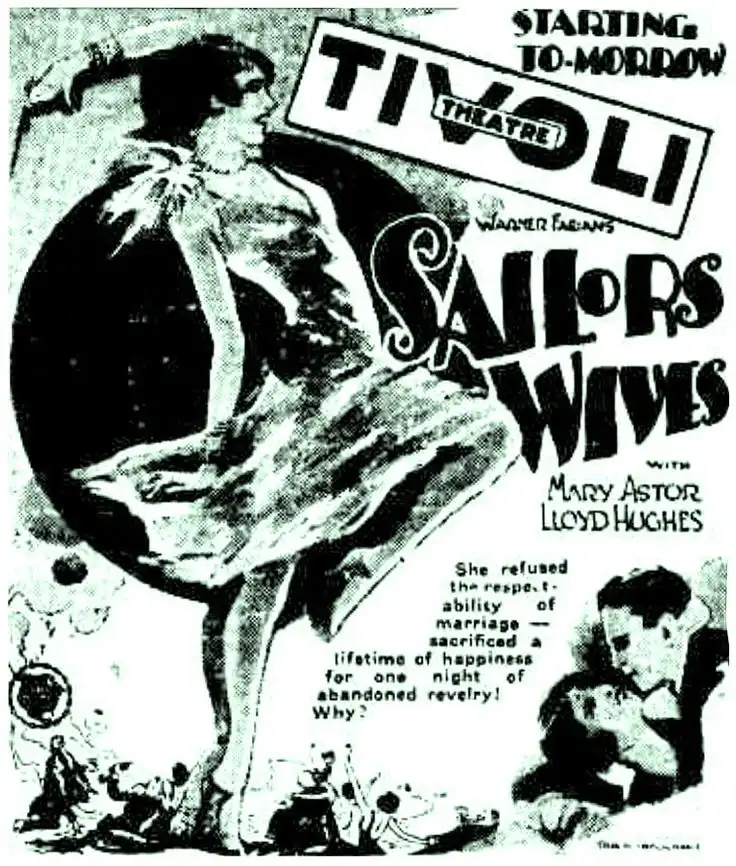
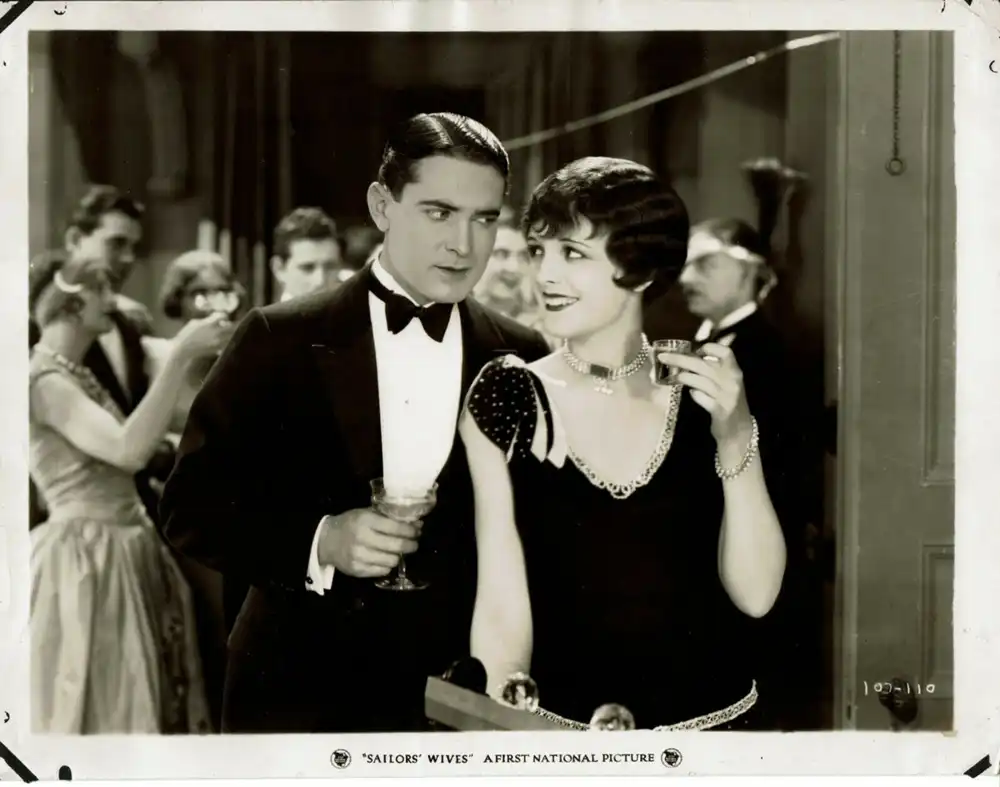
Mary Astor, who plays Norma, is interesting to watch here. She’s still very young, obviously, but you can already see that spark, that kind of quiet intensity she’d perfect later on. Her character is a bit more playful, less burdened by the drama than Lucy.
There's a moment when Norma gets a letter from her husband at sea, and she just lights up. It’s a small detail, but it feels really genuine. Like, she wasn't just posing for the camera, you know? ✨
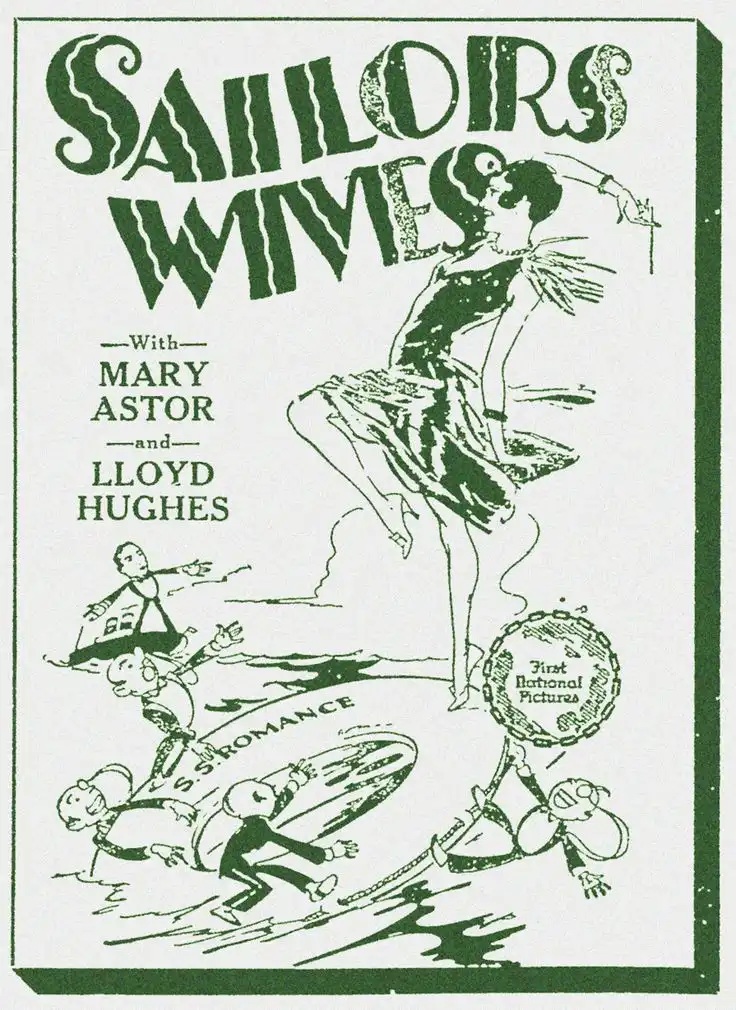
The plot itself, it's a bit thin. Like a lot of these older films. It kinda meanders between the wives’ individual predicaments. Roger, the bad guy, he’s just *so* obviously a cad. His smirk alone tells you everything you need to know, which, again, is typical for the era. No nuance needed, just pure villainy.
One thing that kinda stood out to me was the pacing. Some scenes just linger a beat too long, and then others feel rushed. It’s a rhythm you get used to, but it does make you wonder if they could’ve tightened up some of those middle sections.
And the intertitles! Oh, the intertitles. They do their job, but sometimes they state the obvious in a way that’s almost comical. Like, we just *saw* that happen, movie! It’s part of the charm, though, I guess. 😉
The whole resolution feels a little... neat. Everything ties up in a bow, which is comforting, but maybe a little too easy after all the tension they tried to build. It’s a morality tale, at its heart, about staying true.
Honestly, the real highlight here is watching the early performances. Especially Astor. She carries herself with a certain grace even then. You can almost see the future star forming, which is pretty neat for film history buffs.
The film isn't trying to be deep, it's just trying to tell a story about loyalty and temptation. It does that well enough. But it’s not going to change your world. It’s a quiet afternoon kind of watch, if you're in the mood for it.
Did I notice anything specific? Absolutely.
IMDb 5
1930
Community
Log in to comment.