DbcultAccessing Vault...
6/10
Senior Film Conservator
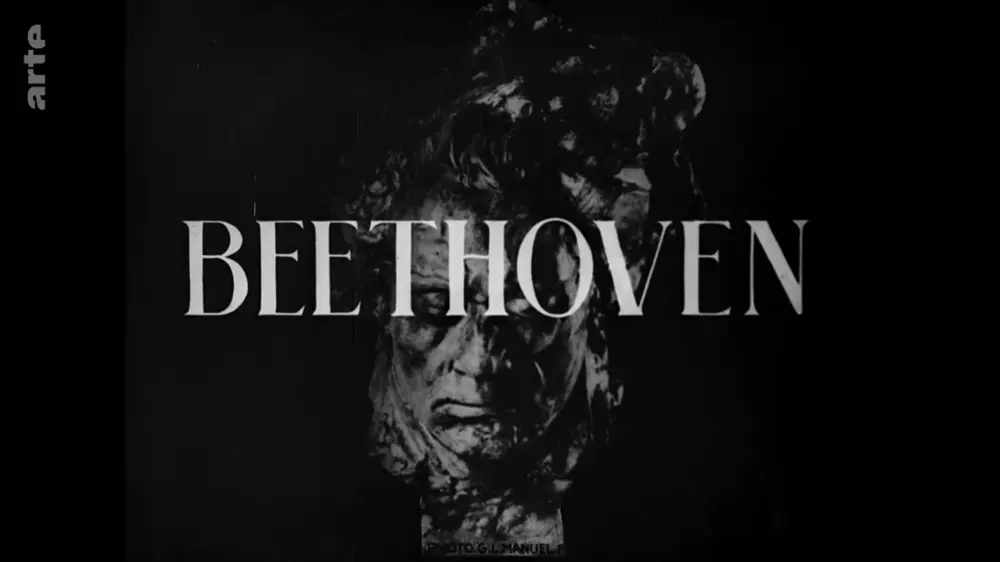
A definitive 6/10 rating for a film that redefined the boundaries of cult cinema. Das Leben des Beethoven remains a cornerstone of transgressive art.
Is 'Das Leben des Beethoven' (1927) worth watching today? Short answer: yes, absolutely, especially for those with a deep appreciation for classical music history and early cinema, but it's certainly not for everyone. This century-old silent film, lovingly restored and re-scored, offers a unique window into how early filmmakers grappled with the challenge of biopics, particularly one about a figure whose very essence was sound.
This film is for the patient cinephile, the classical music enthusiast, and anyone curious about the art of silent storytelling. It is emphatically not for viewers expecting modern pacing, explosive drama, or a purely historical documentary. If your tolerance for intertitles and grand, theatrical gestures is low, you might find its charms elusive.
Let's cut directly to the chase:
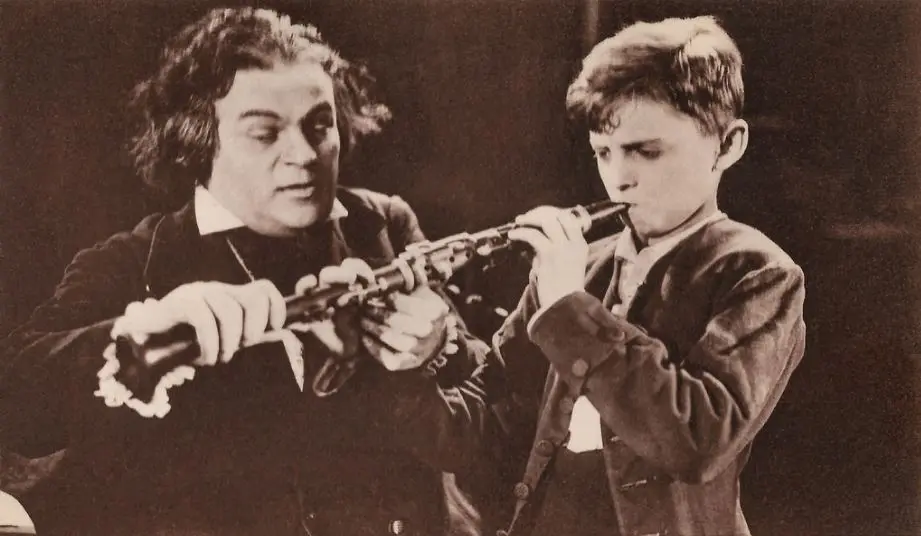
To tell the story of Ludwig van Beethoven, a man synonymous with the very concept of musical genius, through the medium of silent film is, on paper, an exercise in glorious futility. Yet, 'Das Leben des Beethoven,' released in 1927 to mark a century since his death, strides confidently into this paradox. It's a testament to the boundless ambition of early cinema, a period when filmmakers were still discovering the language of the moving image.
The film doesn’t merely document events; it attempts to transcribe the emotional life of its subject. This isn’t a dry historical account, but a dramatic, often operatic, interpretation of a soul grappling with immense talent, personal demons, and the cruel irony of encroaching deafness. The challenge, of course, is how to convey the power of a symphony without audible notes, or the agony of a composer losing his hearing without spoken dialogue.
The restoration, particularly the re-arranged music, becomes the true protagonist here. It breathes life into the otherwise voiceless narrative, serving not just as an accompaniment but as an essential character, mirroring Beethoven's internal world. Without this modern intervention, much of the film's intended impact would undoubtedly be lost to contemporary audiences. It's a symbiotic relationship: the visuals guide the score, and the score imbues the visuals with profound meaning.
At the heart of 'Das Leben des Beethoven' is Willy Schmieder's portrayal of the maestro. Silent acting demands a unique skill set: an exaggerated physicality, an expressive face, and an ability to convey complex emotions through gesture alone. Schmieder, as Beethoven, navigates this tightrope with a commendable earnestness, though sometimes veering into the melodramatic style characteristic of the era.
His Beethoven is a figure of intense passion and profound torment. We see him hunched over a piano, hands gesticulating wildly, his face contorted in a silent struggle of creation. These moments, often captured in stark close-ups, are where Schmieder truly shines. He manages to communicate the sheer physicality of composition, the way music seems to tear itself from his very being.
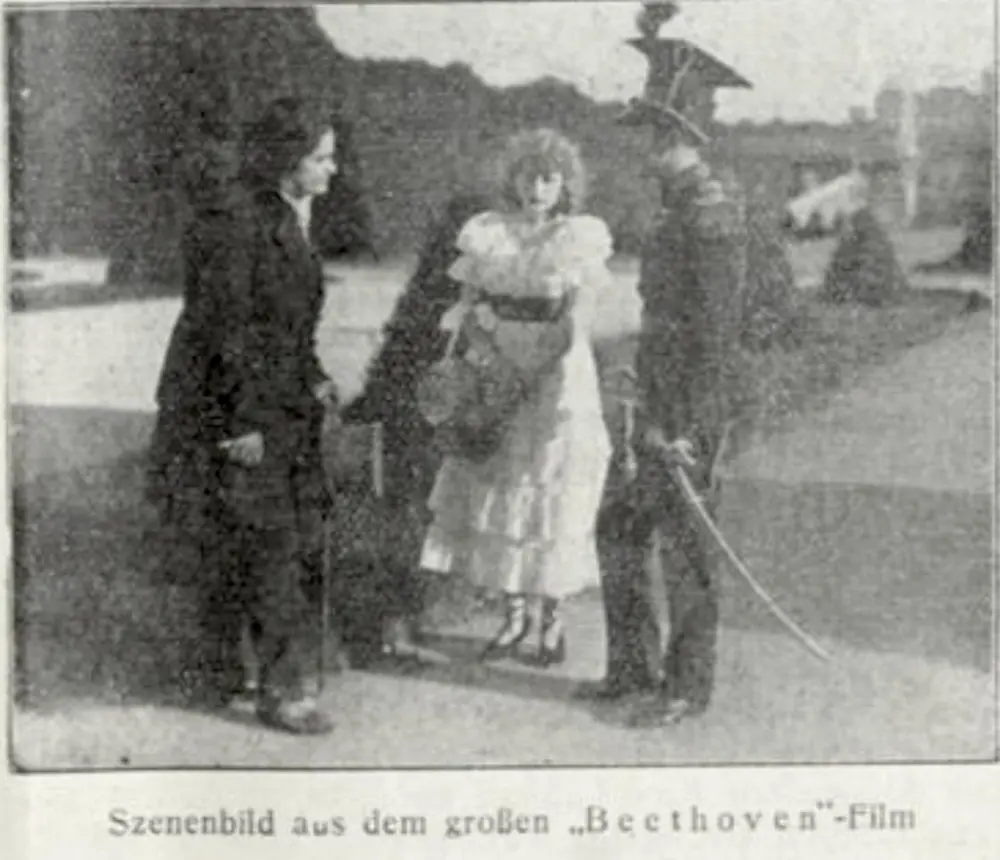
However, the film’s narrative structure, which attempts to cover a broad sweep of Beethoven's 'eventful emotional life,' sometimes forces Schmieder into a series of vignettes rather than a continuous character arc. One moment he is a youthful romantic, the next a despairing genius. While effective in isolation, these rapid shifts can occasionally make the character feel less like a man and more like a collection of iconic poses. His interactions with Lilian Gray and Dely Drexler, playing key romantic figures, are often conveyed with intense, longing gazes and sweeping gestures that, while typical for 1927, can feel a touch overwrought today.
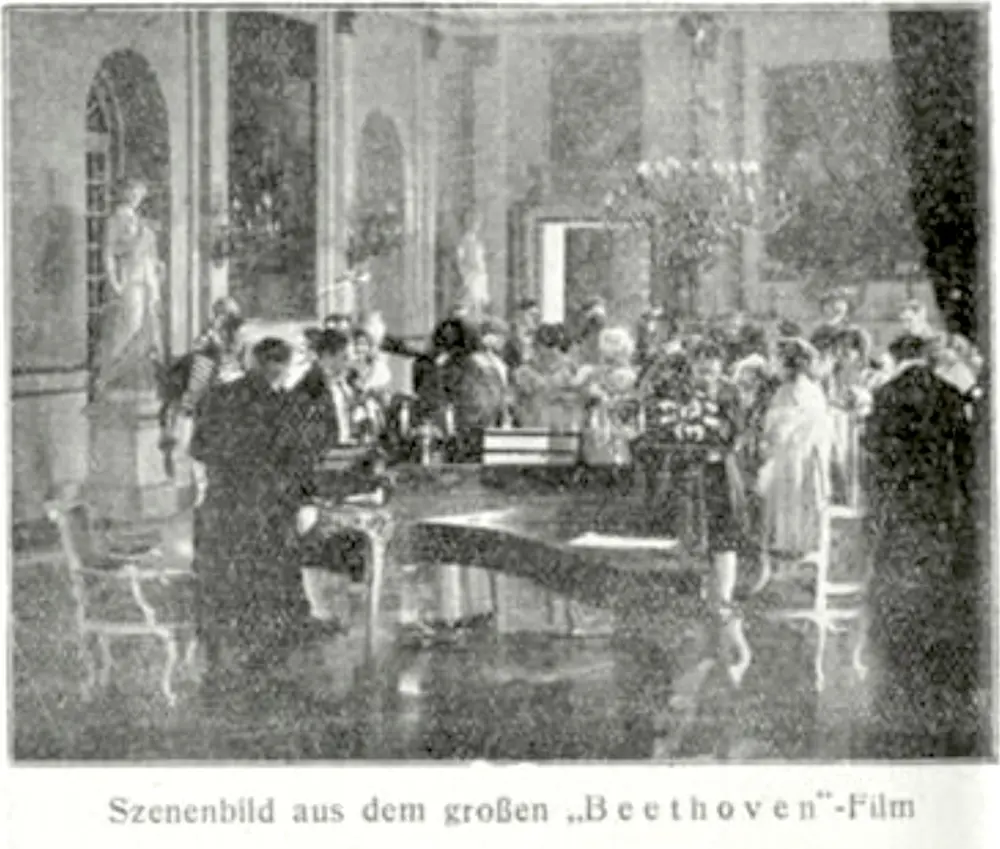
A particularly striking scene involves Schmieder's Beethoven reacting to the growing silence around him. It's a visual metaphor, where the camera emphasizes his isolation, and his flailing attempts to hear become a poignant ballet of despair. This is where the film’s silent nature, paradoxically, becomes its greatest asset, forcing a visual interpretation of an auditory tragedy.
The restored version of 'Das Leben des Beethoven' crucially features a re-arranged musical score. This is not merely background noise; it is the film's heartbeat. The score, undoubtedly drawing from Beethoven's own compositions, guides the audience through every emotional peak and valley, transforming the silent images into a vivid, auditory experience. It’s a bold artistic choice that retrospectively elevates the original intent.
The cinematography, while not groundbreaking for its time, is competent and often evocative. Austrian landscapes are used to great effect, grounding Beethoven's internal struggles in a palpable sense of place. Directors, though not explicitly credited in the provided context, understood the power of visual symbolism. Shadows and light are employed to reflect Beethoven's fluctuating moods – the bright exuberance of youth giving way to the stark shadows of his later, more isolated years.
Intertitles, the lifeblood of silent cinema, are used judiciously. They provide necessary exposition and bridge narrative gaps, but the film largely relies on visual storytelling. This commitment to 'show, don't tell' is admirable, especially when depicting a figure whose genius is inherently abstract. The visual representation of composing, with Schmieder's intense concentration, becomes a powerful substitute for the actual sounds.
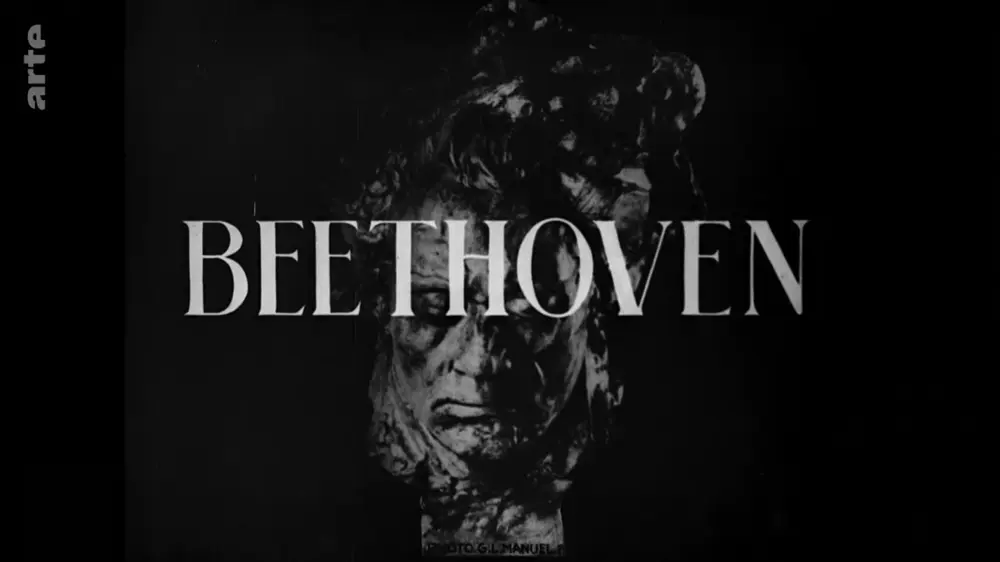
Compared to other silent biopics of the era, such as perhaps The Song of Love or even the more dramatic The She Wolf, 'Das Leben des Beethoven' holds its own through sheer emotional ambition. Its visual language, while rooted in silent film aesthetics, strives for an intimacy that few of its contemporaries achieved when depicting such an internal struggle.
The narrative, credited to Raymond Berner and Emil Kolberg, attempts to distill Beethoven's complex life into a digestible, yet dramatic, arc. It covers his early promise, his romantic entanglements with women like Lilian Gray's character, and his ultimate descent into deafness and isolation. This broad scope, however, comes at a cost.
Pacing is uneven. Some sequences, particularly those focusing on Beethoven's internal artistic struggles or moments of quiet contemplation, tend to drag. The absence of dialogue means that emotional beats must be conveyed purely through visual cues and the accompanying score, which, while powerful, cannot always prevent moments of slow progression. Other sections, particularly those depicting dramatic conflicts or romantic interludes, move with a more compelling energy.
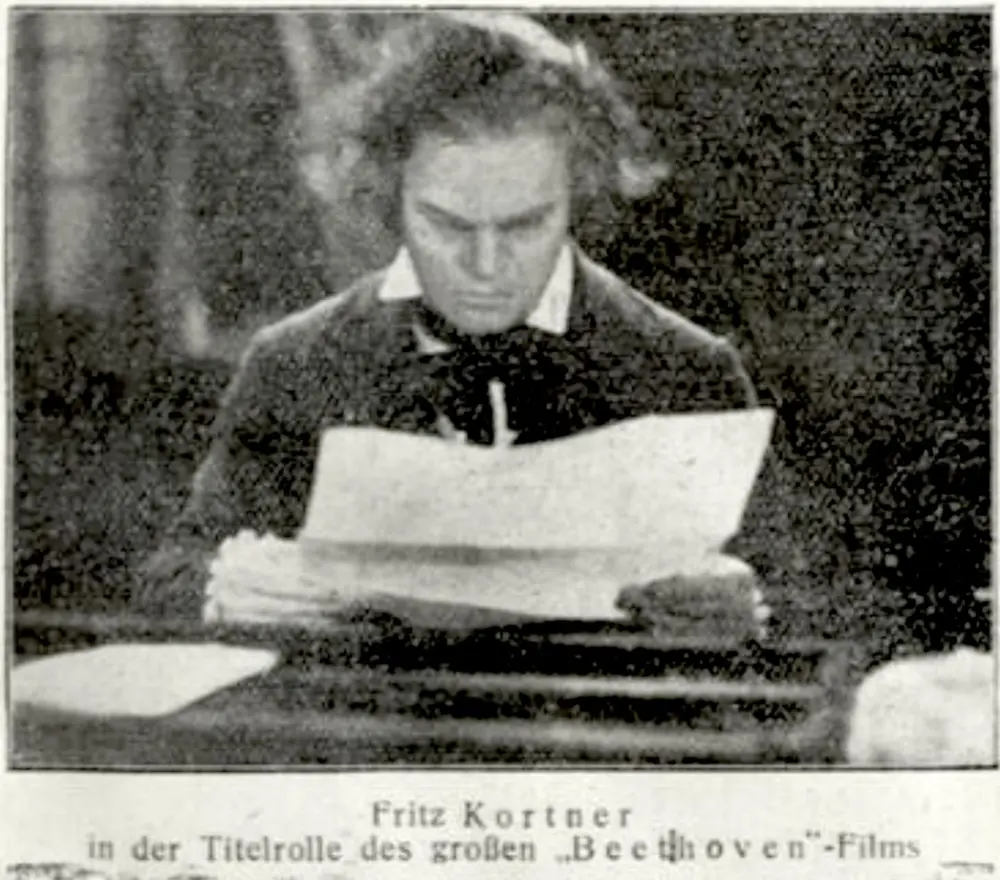
The film’s tone is consistently reverential, almost hagiographic, which is understandable given its commemorative purpose. It aims to celebrate, not dissect, the genius. This means that some of Beethoven's more difficult personality traits or controversies are either downplayed or presented through a sympathetic lens. This isn't a flaw in itself, but it does mean the film prioritizes emotional resonance over gritty biographical realism.
Yes, 'Das Leben des Beethoven' is absolutely worth watching today for the right audience. It's a significant piece of cinematic history. It offers a fascinating look at how filmmakers tackled biographical narratives in the silent era. The restored version, with its powerful accompanying score, makes it much more accessible. It’s a journey into the soul of a genius, presented with earnest, if sometimes antiquated, artistry.
This film provides a unique perspective. It forces viewers to engage with Beethoven's story in a fundamentally visual and emotional way. It works. But it’s flawed. Its strengths lie in its ambition and the sheer force of its musical accompaniment. Its weaknesses are inherent to the limitations of its medium and era. Yet, its historical value and the earnestness of its portrayal make it a compelling watch for those willing to meet it on its own terms.
'Das Leben des Beethoven' is more than just a historical artifact; it's a profound, if imperfect, cinematic experiment. It asks a difficult question: how do you portray the sound of genius in silence? Its answer, delivered through Willy Schmieder’s earnest performance and, crucially, a meticulously crafted musical score, is surprisingly compelling. It’s a noble endeavor that, in its restored form, offers a rare glimpse into the dramatic interpretations of history by early cinema.
While it won't appeal to every palate, for those with an open mind and a love for the artistic challenges of a bygone era, it's a deeply rewarding experience. This isn't just a film; it's a bridge across time, connecting us to both Beethoven's enduring legacy and the nascent art of filmmaking. It demands patience, but it repays it with a unique and often moving portrait of one of history's greatest composers. It's a testament to the fact that even without spoken words, the emotional life of a genius can resonate across a century.
IMDb 6.6
1933
Community
Log in to comment.