DbcultAccessing Vault...
5.3/10
Senior Film Conservator
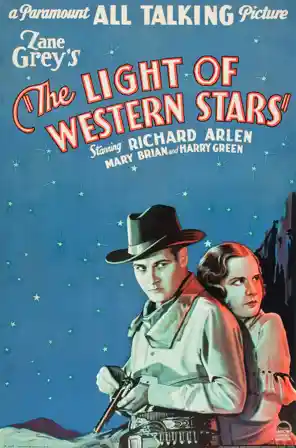
A definitive 5.3/10 rating for a film that redefined the boundaries of cult cinema. The Light of Western Stars remains a cornerstone of transgressive art.
Alright, so you're thinking about digging up some old films? The Light of Western Stars from 1930 is… an experience. If you’re a big fan of early talkies, or just curious how Westerns felt before John Wayne really hit his stride, then yeah, give it a shot. Otherwise, if you're looking for slick storytelling or fast action, you’ll probably find this one a bit of a slow roll. It's definitely not for everyone, especially if you get impatient with vintage pacing.
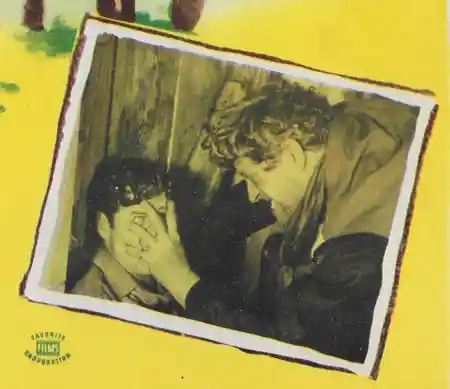
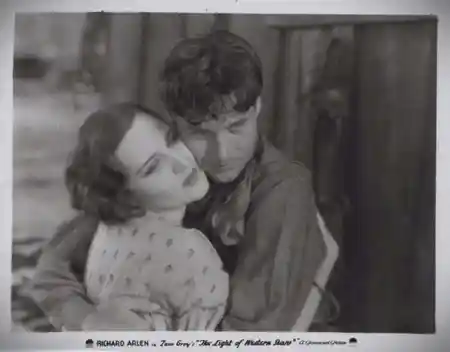
The whole thing kicks off with Dick, played by Richard Arlen, getting *pretty* tipsy and making a drunken vow to marry the first woman he sees. Of course, fate, or maybe just the script, makes sure that woman is Ruth (Mary Brian). She's just lost her brother, and now she's got a whole ranch to worry about. Plus, some shady dude named Stack (Fred Kohler) is trying to claim it.
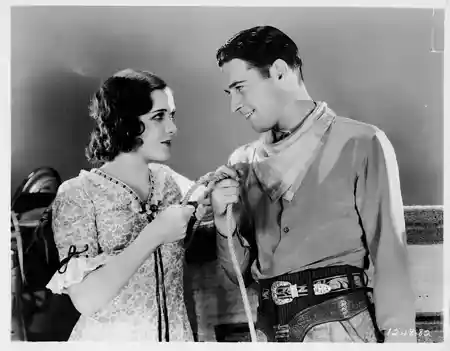
It’s a classic Western setup, really. The vulnerable woman, the flawed but ultimately good hero, the land dispute. Nothing you haven't seen before, but it's fun to see these tropes forming back then.
Richard Arlen as Dick is… well, he’s got that slightly bewildered charm. You can tell he’s supposed to be this rough-around-the-edges type, but he also looks a bit like he just rolled out of bed sometimes. His drunken scene early on is *pretty* stiff, you know, typical for early sound. They hadn't quite figured out how to make 'drunk acting' look natural with a microphone yet. 🤷♀️
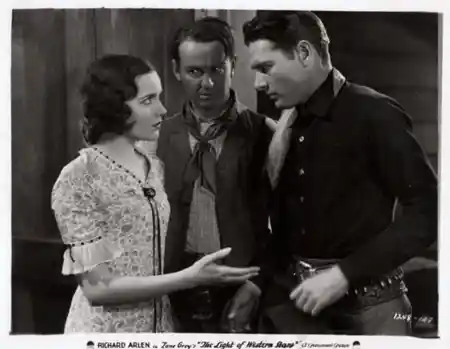
Mary Brian as Ruth is the strong, capable woman who doesn't want a man but needs one, somehow. She carries herself with a lot of dignity, even when Dick is being a bit of a goofball. Her costumes feel a bit too polished for someone constantly fighting for a ranch. Like, those blouses are *crisp*.
Fred Kohler as Stack is your quintessential sneering villain. He's got a permanent scowl. Every time he's on screen, you just know he's up to no good. There’s a scene where he’s trying to intimidate Ruth and he keeps repeating his threats, almost like he's trying to convince himself, too. It drags just a tiny bit, but it gets the point across.
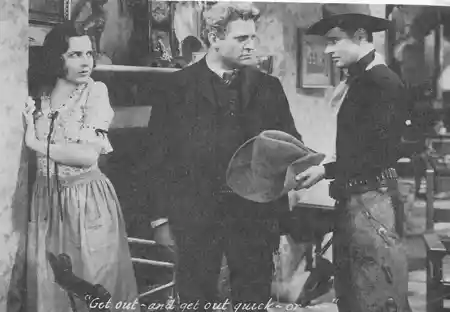
Dick's buddies are a mixed bag. They're mostly there to back him up and fill out the background. One of them, I think it was William Gillis, just stands there for an oddly long time during a conversation in the bunkhouse. Like he's waiting for his cue or forgot what to do. It’s one of those small, human things you notice in these old films. Makes you wonder what was going on off-camera. 😂
The movie moves along at a decent clip for 1930. There are some moments that feel a bit drawn out, especially the dialogue scenes. It’s clear they were still figuring out how to balance conversation with action. Sometimes, the camera just sits there for a beat too long after someone finishes speaking.
The sound quality is exactly what you'd expect from this era. Some lines are crisp, others sound like they were recorded in a tin can. You really notice it when they're outdoors; the wind or just general background noise can make things a little fuzzy. It adds to the charm, I guess, but also makes you lean in sometimes.
There's a cool shot of horses galloping across the plains, and the sound of their hooves is *so* exaggerated, almost cartoonish. It's not bad, just… loud. It’s these little details that remind you how experimental film was back then.
Overall, The Light of Western Stars isn't going to blow anyone's mind today. But it’s a solid, if a little rough, example of early Western filmmaking. It’s got its charms, its quirks, and a story that gets the job done. If you're into seeing how these genres evolved, it’s a neat little piece of history.
Just don't go in expecting a modern blockbuster. Go in expecting a glimpse into the past, with all its grainy glory and slightly awkward dialogue. You might just find yourself smiling at its earnestness. 😄
IMDb —
1918
Community
Log in to comment.