DbcultAccessing Vault...
Cult Review
Senior Film Conservator
Stepping into the world of ‘Pasquale’ feels less like watching a century-old silent film and more like unearthing a forgotten diary entry from the vibrant, tumultuous tapestry of early 20th-century New York. George Beban, a name synonymous with nuanced portrayals of immigrant life during cinema’s nascent years, doesn’t merely play Pasquale; he embodies him with a profound authenticity that transcends the medium’s limitations. This isn't just a story of an Italian man running a grocery store; it is an eloquent, often heart-wrenching, exploration of the human spirit’s capacity for resilience, community, and the relentless pursuit of a dream in a land that promises much but often demands more.
From the very first frames, we are immersed in Pasquale’s world. His small grocery, a crucible of fresh produce and hopeful ambition, becomes the beating heart of his existence. It is here, amidst the barrels of olives and stacks of cheeses, that Pasquale’s character is meticulously etched. Beban’s performance is a masterclass in non-verbal communication, his eyes conveying volumes – the weariness of labor, the flicker of hope, the occasional pang of homesickness, and the unyielding determination to provide. He doesn't just sell groceries; he cultivates relationships, offering kindness and a listening ear to his diverse clientele. This portrayal distinguishes ‘Pasquale’ from many of its contemporaries, which often relied on broader, less subtle strokes to define their characters. Beban’s Pasquale is a man of quiet dignity, his struggles and triumphs playing out not in grand melodramatic gestures, but in the subtle shifts of his expression, the slump of his shoulders after a long day, or the bright, genuine smile he offers a child.
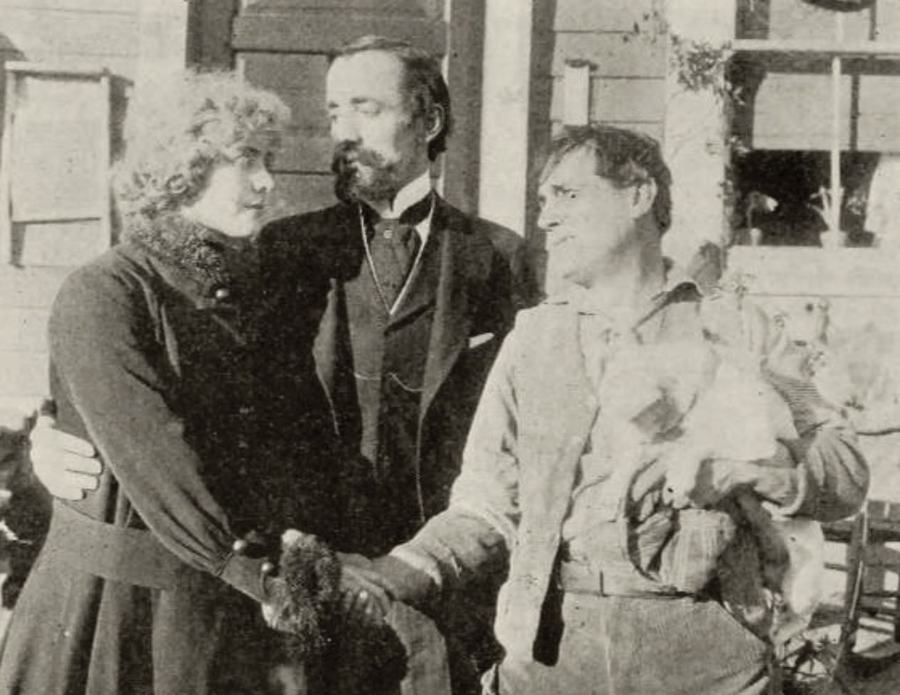
The film’s central theme, the immigrant’s dream, resonates with a timeless quality. Pasquale arrives in New York with little more than his ambition and a deep-seated desire for a better life. This narrative arc, while seemingly straightforward, is imbued with layers of cultural commentary. The challenges he faces are not always overt; sometimes they are the unspoken barriers of language, the subtle condescension of some locals, or the sheer struggle to maintain his cultural identity while assimilating into a new society. The grocery store itself becomes a metaphor for his journey – a small patch of Italy transplanted onto American soil, a place where traditions are upheld even as new ones are forged. This delicate balance between preservation and adaptation is handled with remarkable sensitivity by writers Lawrence McCloskey and George Beban.
In an era when cinematic portrayals of immigrants could sometimes veer into caricature, ‘Pasquale’ offers a nuanced counter-narrative. It celebrates the industriousness, the familial bonds, and the community spirit that newcomers brought to America. Pasquale isn't just a character; he's a representative figure, embodying the hopes and heartaches of countless individuals who embarked on similar journeys. His story is a powerful reminder that the fabric of America has always been woven from the threads of diverse cultures, each contributing its unique color and texture. This exploration of cultural integration and the search for belonging finds parallels in other films of the era, though perhaps with less specific focus on the Italian American experience. For instance, while The Foundling might touch upon themes of displacement and finding a new home, 'Pasquale' grounds its narrative firmly in the specific socio-economic and cultural landscape of Italian immigrants in urban America.
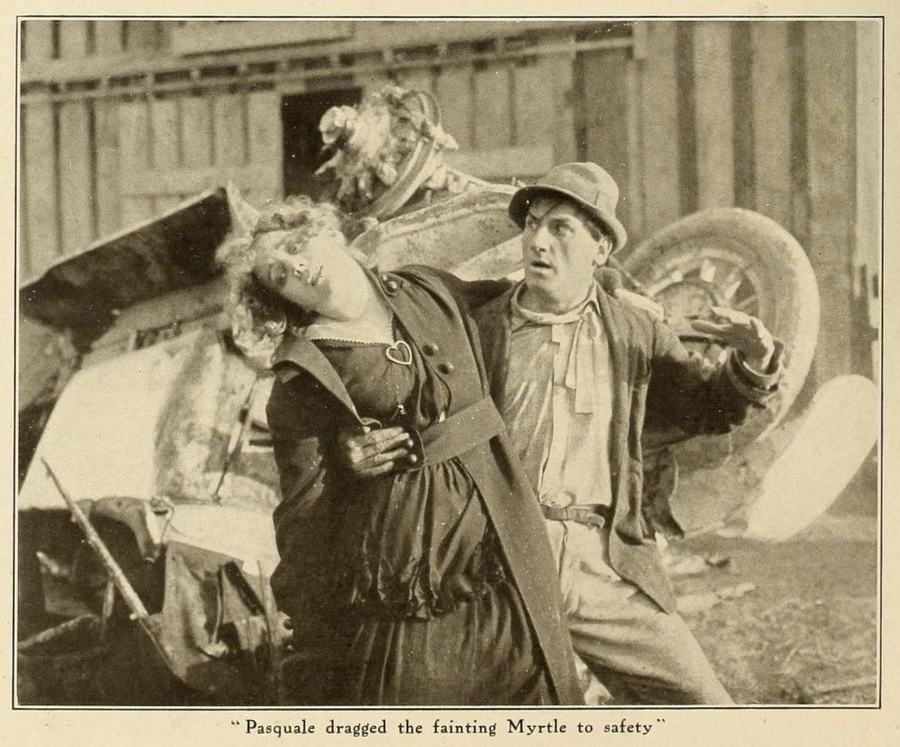
George Beban’s performance as Pasquale is truly the linchpin of the film’s success. He masterfully navigates the emotional spectrum, from moments of quiet contemplation to bursts of joyous camaraderie. His physicality is expressive without being over-the-top, a common pitfall in silent cinema. Every gesture, every tilt of the head, every furrow of the brow contributes to a fully realized character. He eschews the broad pantomime often associated with the era, opting instead for a more internalized, naturalistic style that allows the audience to connect with Pasquale on a deeply personal level. This understated brilliance is what makes the film so enduringly watchable. You don't just observe Pasquale; you empathize with him, you root for him, and you feel the weight of his triumphs and tribulations.
Consider the scenes within the grocery store. These aren't just backdrops for dialogue (or intertitles); they are stages for human interaction. Pasquale’s gentle patience with a hesitant customer, his firm but fair dealings with suppliers, and his affectionate exchanges with a young child all paint a picture of a man who understands the value of community. The film cleverly uses these everyday interactions to build its emotional core, demonstrating how a simple act of kindness or a moment of shared laughter can transcend cultural barriers. It's in these subtle moments that Beban truly shines, proving that silent acting, when done with such finesse, can be as powerful, if not more so, than any spoken word.
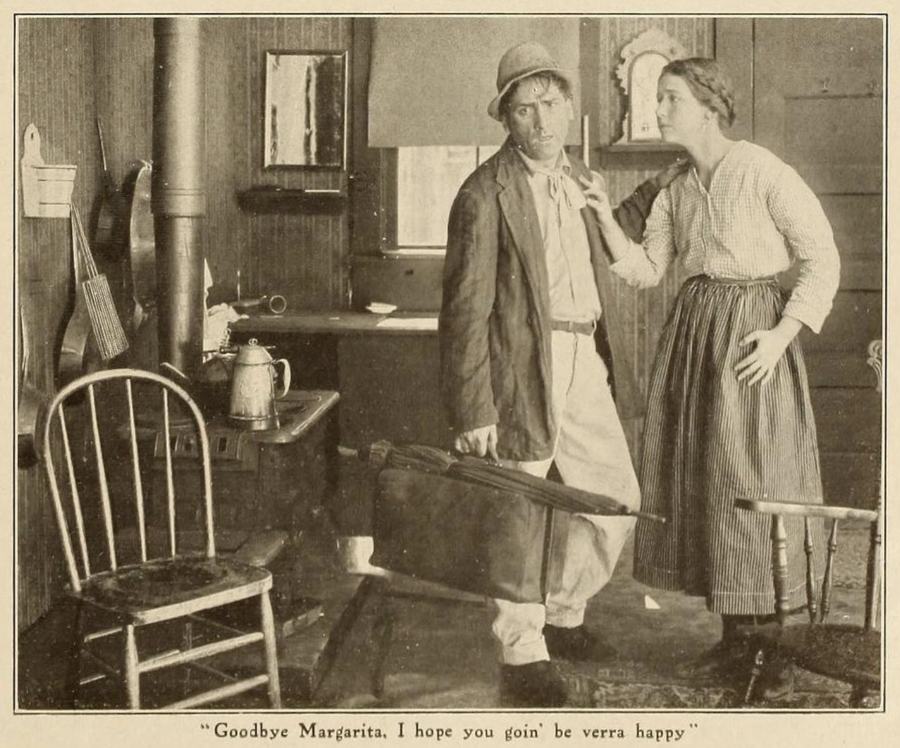
Beyond Pasquale's personal narrative, the film offers a fascinating historical document, providing a vivid snapshot of New York City during a pivotal period of immigration and urban growth. The cinematography, while perhaps not groundbreaking for its time, effectively captures the bustling energy of the city streets, the architectural details, and the diverse faces that populated the metropolis. The set design of Pasquale’s grocery store, though simple, feels authentic, evoking the sensory experience of a neighborhood shop. These visual elements contribute significantly to the film’s immersive quality, transporting the viewer back in time and allowing them to experience a slice of life from a bygone era.
The supporting cast, including Helen Jerome Eddy and Jack Nelson, provide solid performances that complement Beban’s central role without overshadowing it. Their characters, whether allies or antagonists, serve to further illustrate the various facets of Pasquale’s journey, from the friendships he forges to the occasional obstacles he must overcome. Each interaction, no matter how brief, feels purposeful, contributing to the overall tapestry of the story. The film’s pacing, a crucial element in silent cinema, is judiciously handled, allowing moments of quiet reflection to breathe before transitioning into more dynamic sequences. This thoughtful rhythm prevents the narrative from feeling rushed or disjointed, a common complaint with some early films that struggled to find their cinematic voice.
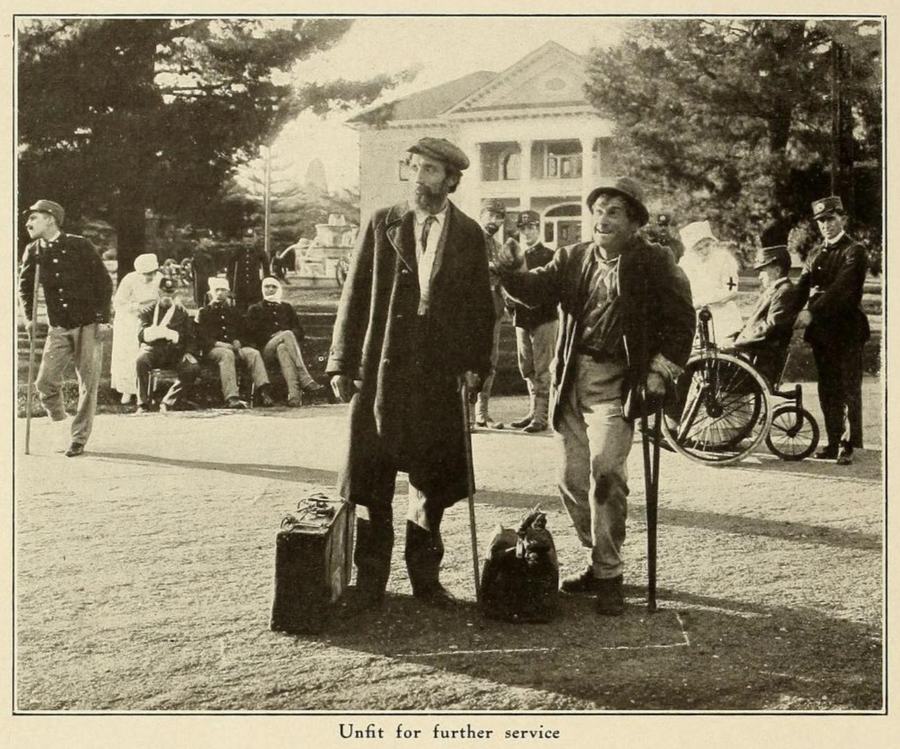
Lawrence McCloskey and George Beban’s screenplay is a testament to the power of simple storytelling executed with genuine heart. They resist the urge for excessive melodrama, instead grounding the plot in realistic challenges and triumphs. Pasquale’s journey isn't a series of sensational events, but rather a progression of everyday struggles – making ends meet, dealing with competitors, overcoming misunderstandings, and finding moments of joy amidst the toil. This grounded approach makes the film’s emotional beats all the more impactful. When Pasquale experiences a small victory, it feels earned; when he faces a setback, it resonates with the universal experience of adversity.
The narrative structure, while linear, allows for subtle character development and thematic exploration. We see Pasquale grow, not just in terms of his business acumen, but in his understanding of his new home and his place within it. The film subtly explores the idea of what it means to be 'American,' suggesting that it is not about shedding one's heritage, but rather about integrating it into a new cultural mosaic. This is a far cry from the more overtly dramatic and often tragic immigrant narratives found in some other films of the period, such as Madame X which, while powerful, often leaned into grander, more operatic themes of sacrifice and societal judgment. 'Pasquale' finds its strength in its quiet observation of ordinary heroism.
‘Pasquale’ may not be as widely celebrated as some of its more epic silent film counterparts, but its quiet power and deeply empathetic portrayal of the immigrant experience ensure its lasting relevance. It serves as an invaluable historical artifact, offering insights into societal attitudes and the lived realities of a significant demographic during a transformative period. Moreover, its artistic merits, particularly Beban’s performance, elevate it beyond mere historical curiosity. It is a film that speaks to universal themes of aspiration, community, and the search for identity, themes that remain as potent today as they were a century ago.
The film’s influence, while perhaps understated, can be seen in the lineage of stories that continue to explore the immigrant journey. It laid groundwork for more nuanced portrayals, moving away from stereotypes towards genuine human experience. While films like Humanity might tackle broader societal ills, ‘Pasquale’ zeroes in on the individual struggle, making it intensely personal and relatable. It reminds us that behind every statistic, every headline about immigration, there is a Pasquale – a person with dreams, fears, and an unshakeable will to build a better life. This film is not just a relic of the past; it is a mirror reflecting enduring truths about the human condition.
In conclusion, ‘Pasquale’ is a film that deserves to be rediscovered and appreciated. It is a testament to the power of silent cinema to convey profound emotions and complex narratives without a single spoken word. George Beban’s performance is a masterclass in subtlety and empathy, creating a character who is both specific to his time and utterly universal in his appeal. The film’s gentle yet powerful exploration of the immigrant experience, its celebration of community, and its unwavering belief in the human spirit make it a truly remarkable piece of cinematic history. It’s a quiet triumph, a humble masterpiece that continues to resonate with anyone who has ever sought to find their place in a new world, proving that some stories, like the finest wines, only grow richer with age. It stands as a powerful reminder of the dignity in labor, the strength in community, and the timeless pursuit of a life well-lived, even when faced with the daunting challenges of a new horizon. The careful construction of its narrative, the understated beauty of its visual storytelling, and the sheer humanity radiating from Beban’s central performance combine to create a film that is not just watched, but deeply felt.
IMDb 5.4
1932
Community
Log in to comment.