DbcultAccessing Vault...
5.8/10
Senior Film Conservator
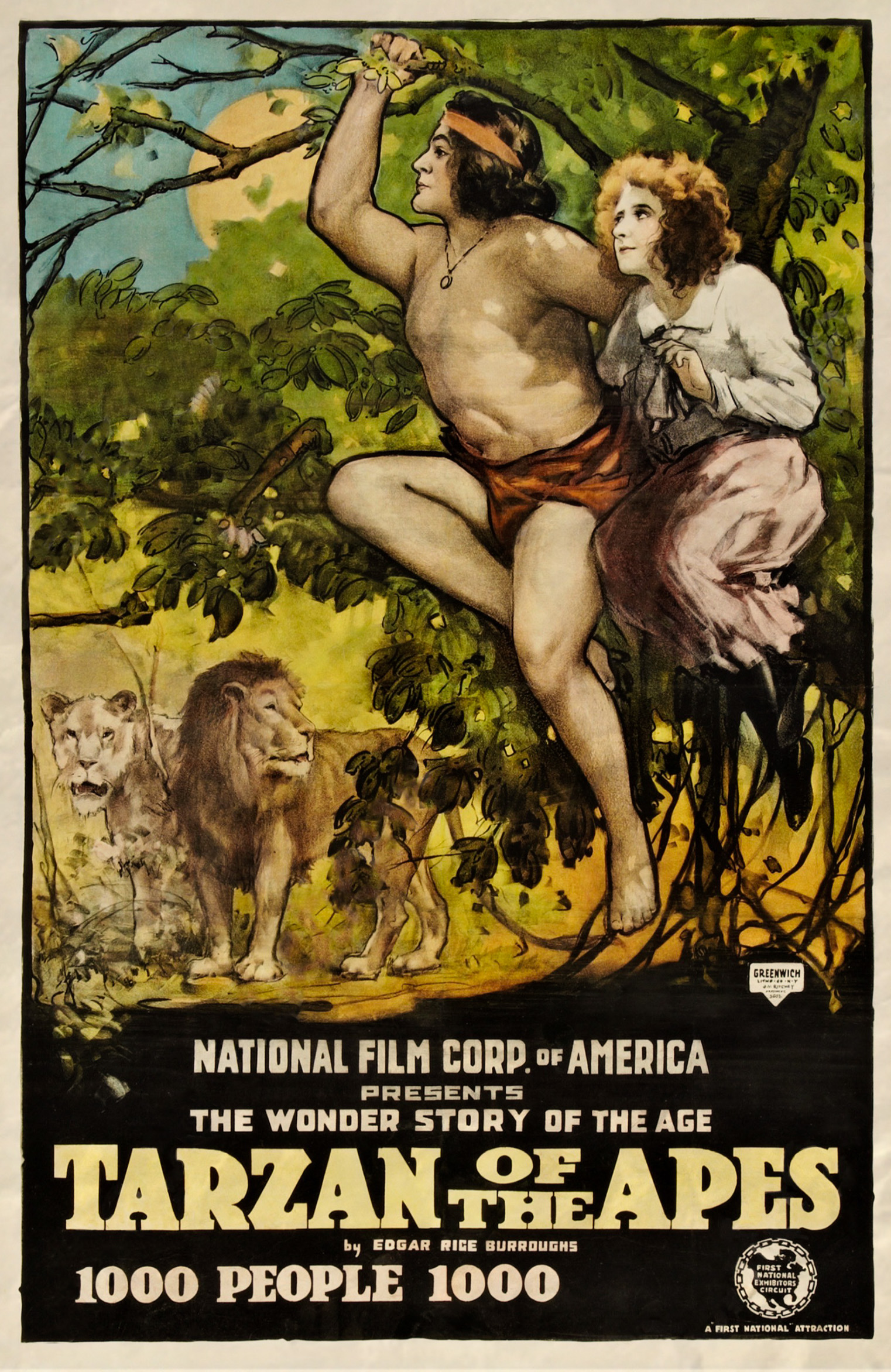
A definitive 5.8/10 rating for a film that redefined the boundaries of cult cinema. Tarzan of the Apes remains a cornerstone of transgressive art.
Stepping back to 1918, a pivotal year for cinema still in its infancy, we encounter a film that not only captured the nascent medium's potential for grand adventure but also indelibly etched a character into the global consciousness: Tarzan of the Apes. This inaugural cinematic adaptation of Edgar Rice Burroughs' iconic novel arrived with a thunderous impact, setting the template for a century of jungle epics and cementing the mythos of the noble savage. It was more than just a movie; it was a cultural phenomenon, a primal scream echoing through the nascent soundstages, presenting a stark, often brutal, yet undeniably romantic vision of humanity's wild origins. The film, directed by Scott Sidney, with significant creative input from Lois Weber, dared to ask profound questions about identity, belonging, and the very essence of what it means to be human, all while delivering a thrilling spectacle of untamed wilderness and burgeoning romance.
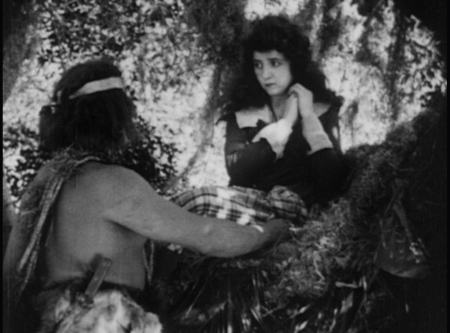
Burroughs’ literary creation was a sensation, and translating his intricate narrative – a tale of shipwreck, adoption by apes, and the eventual collision with civilization – to the silent screen presented a formidable challenge. The screenplay, credited to Fred Miller and Lois Weber, masterfully distills the novel's sprawling scope into a digestible, visually driven experience. It introduces us to the tragic irony of Lord Greystoke’s infant son, orphaned and abandoned, finding a surrogate family not among his own kind, but within the formidable embrace of the great apes. This radical premise, that a human could be raised by and thrive within a wholly alien ecosystem, was revolutionary then and remains compelling today. The film doesn't shy away from the harsh realities of this upbringing, depicting Tarzan's early life as a continuous struggle for survival, a constant negotiation with the unforgiving laws of the jungle. It’s a compelling portrayal of adaptation, resilience, and the formation of identity outside the conventional strictures of society.
Central to the film’s success, and indeed to the enduring image of Tarzan, is the casting of Elmo Lincoln. His physique, a veritable monument of muscle and sinew, was perfectly suited to the role. Lincoln’s Tarzan is less the lithe, graceful figure of later interpretations and more a brute force of nature, a towering presence whose movements are both powerful and deliberate. In an era before sophisticated special effects, Lincoln’s physical performance had to convey the sheer strength and agility of a man raised by apes. His grunts and roars, interpreted through intertitles, become a language in themselves, communicating raw emotion and untamed spirit. The famous Tarzan yell, while not fully formed in this silent iteration, is palpable in Lincoln's guttural expressions of triumph and defiance. This was a portrayal that leaned heavily into the "ape" aspect of the "ape-man," emphasizing the feral instinct and formidable physicality required to survive, let alone dominate, the jungle. His performance set a high bar, one that subsequent actors would strive to emulate, yet rarely surpass in its sheer, unadulterated primal power. One might draw a thematic parallel to films like The Outlaw's Revenge, where a protagonist, often an outcast, must rely on raw strength and cunning to navigate a hostile world, though Lincoln's Tarzan operates on an entirely different scale of wilderness and self-sufficiency.
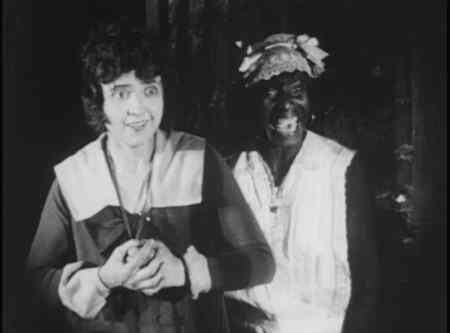
The arrival of Dr. Porter’s expedition, and with it, his daughter Jane, portrayed with captivating grace by Enid Markey, introduces the pivotal conflict of the narrative. Jane is not merely a damsel in distress; she is the embodiment of the world Tarzan left behind, a beacon of refinement, intellect, and societal grace. Her presence acts as a powerful magnet, drawing Tarzan out of his purely animalistic existence and awakening within him a nascent curiosity about his true heritage and a longing for connection beyond the animal kingdom. Markey’s performance subtly conveys Jane’s initial fear and subsequent fascination, her growing understanding of Tarzan’s inherent nobility despite his wild exterior. The chemistry, communicated through lingering glances and daring rescues, is remarkably effective for a silent film, charting the slow, hesitant steps towards a cross-cultural romance. This dynamic interplay between the wild and the civilized is a recurring motif in cinema, much like the questioning of societal norms seen in Miss Nobody, though here it is amplified by the extreme contrast of Tarzan's upbringing.
At its heart, Tarzan of the Apes is a profound exploration of the nature versus nurture debate. Is Tarzan inherently a gentleman due to his aristocratic bloodline, or is he irrevocably shaped by his jungle upbringing? The film argues for a fascinating synthesis. While his instincts are undeniably primal, his actions often betray a nobility and an innate sense of justice that seem to transcend his animalistic education. He protects the innocent, punishes the cruel, and demonstrates a capacity for love and loyalty that speaks to a deeper, perhaps inherent, human morality. This philosophical underpinning elevates the film beyond mere adventure, positioning it as a compelling character study. The narrative carefully illustrates Tarzan’s struggle to reconcile these two aspects of his identity, to bridge the chasm between the swinging ape-man and the rightful Lord Greystoke. This internal conflict is what gives the character his enduring complexity and appeal, making him more than just a jungle hero but a symbol of humanity's dualistic nature. The raw struggle for survival and identity can be seen echoed in other films of the era, albeit with different backdrops, such as the harsh realities depicted in War Is Hell, where human nature is stripped bare under extreme duress.
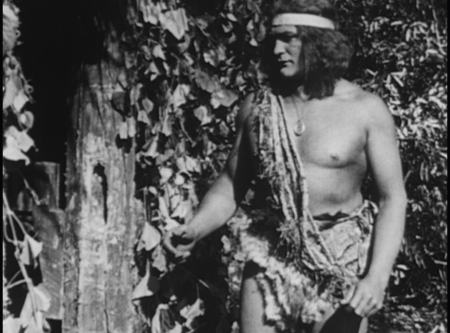
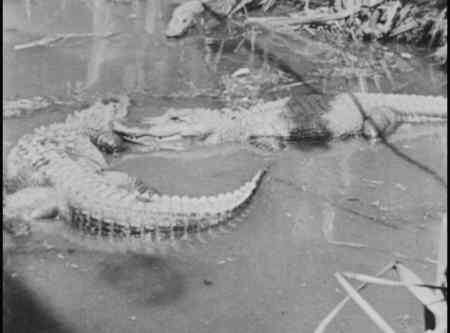
For a film produced in 1918, the technical achievements of Tarzan of the Apes are remarkably ambitious. The production ventured into the Louisiana swamps to simulate the African jungle, a logistical feat in itself. The use of real animals, including a chimpanzee named "Snooky" playing young Tarzan's ape mother Kala, adds an undeniable authenticity and danger that modern CGI often struggles to replicate. While some of the ape costumes worn by actors are rudimentary by today's standards, they convey the necessary menace and familial bond within the context of silent film conventions. The cinematography, though lacking the sophisticated camera movements of later eras, effectively captures the vastness of the jungle and the intimacy of Tarzan’s interactions. Editing, crucial in silent film for establishing pace and conveying emotion without dialogue, is handled with a keen understanding of storytelling. The action sequences, particularly Tarzan's athletic feats and battles with wild beasts, are staged with a vigour that would influence adventure filmmaking for decades. It's a testament to the ingenuity of early filmmakers working with limited resources but boundless imagination. This pioneering spirit in depicting untamed landscapes and challenging human endurance finds a distant echo in films like A Tale of the Australian Bush, which also sought to capture the rawness of nature and human struggle within it.
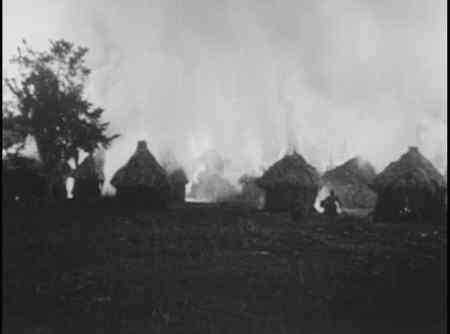
Beyond Lincoln and Markey, the supporting cast plays a crucial role in grounding the narrative. Thomas Jefferson as Professor Porter provides the intellectual counterpoint to Tarzan’s primal wisdom, representing the scientific curiosity that drives humanity’s exploration. The various members of the expedition serve as a microcosm of society, highlighting both its virtues and its follies when confronted with the unknown. Even the ape performers, particularly Gordon Griffith as young Tarzan and the aforementioned "Snooky," contribute significantly to the film's emotional core, establishing the unconventional family unit that shapes Tarzan's formative years. The film also subtly touches upon themes of colonialism and the clash of cultures, though these are presented through the lens of early 20th-century sensibilities. The intrusion of the white expedition into the "dark continent" is framed as an adventure, yet it inherently questions the right of civilization to impose itself upon the wild. This early portrayal, while perhaps simplistic by modern standards, laid the groundwork for future narratives to explore these complex issues with greater depth. The idea of a lost child or an individual navigating an unfamiliar world, reminiscent of themes in Little Lost Sister, is central here, but amplified by the stark difference in environments.
The impact of Tarzan of the Apes cannot be overstated. It was a massive commercial success, solidifying the character’s place in popular culture and launching a franchise that would span countless films, television series, comics, and merchandise. It established many of the tropes associated with jungle adventure films: the noble savage, the perilous wilderness, the discovery of lost civilizations, and the romantic ideal of a life unburdened by societal constraints. More than just an adventure story, it resonated deeply with audiences yearning for an escape from the complexities of modern life, offering a fantasy of freedom and primal power. It proved that cinema could transport viewers to exotic lands and immerse them in narratives of epic scale, even without spoken dialogue. Subsequent adaptations, from Johnny Weissmuller to Alexander Skarsgård, have all, in some way, built upon the foundation laid by this 1918 original. It is a foundational text of adventure cinema, a blueprint for heroes who defy convention and find their strength in the wild. The film's enduring appeal lies in its ability to tap into universal human desires: the longing for belonging, the search for identity, and the romantic ideal of an untamed spirit finding its soulmate. Its influence can be seen in the very fabric of adventure storytelling, much like how certain narrative structures or character archetypes might be revisited across different genres, even in films like Evidence, which, though a drama, similarly explores the uncovering of truth and identity.
While appreciating Tarzan of the Apes, it's crucial to view it through the lens of its historical context. Some elements, particularly the portrayal of indigenous people (though minimal in this specific adaptation, the broader context of African expeditions in fiction), might not align with contemporary sensibilities. The special effects, specifically the ape suits, can appear quaint to modern eyes accustomed to hyper-realistic CGI. However, dismissing these aspects without considering the era would be a disservice. These were the pioneering efforts, the nascent steps in cinematic storytelling. The film's strength lies not in its perfect realism, but in its audacious spirit, its ability to evoke wonder and excitement with the tools available. The pacing, typical of silent films, can feel deliberate by today's standards, relying on longer takes and expressive acting rather than rapid-fire cuts. Yet, this deliberate pace allows for a deeper immersion into Tarzan’s world, inviting contemplation rather than simply bombarding the senses. It asks its audience to engage with the narrative on a more imaginative level, filling in the gaps with their own understanding and emotional responses. Much like how early social commentaries, such as Money, reflected societal values of their time, Tarzan of the Apes encapsulates the adventurous spirit and cultural perspectives of the early 20th century.
The film culminates in the central question posed by Burroughs: can Tarzan of the Apes truly find his perfect mate in Jane Porter? The narrative, while ending on a note of hopeful romantic tension, suggests a complex journey ahead. It's not simply about two individuals falling in love; it's about two worlds colliding, two radically different upbringings attempting to find common ground. Their bond, forged in mutual respect and a shared sense of adventure, transcends the superficial differences of their origins. Jane sees beyond the wild exterior to the noble heart, and Tarzan finds in Jane a gentle understanding that complements his untamed spirit. The film leaves us contemplating the profound implications of such a union: the potential for a new kind of humanity, one that embraces both the raw power of nature and the refined grace of civilization. It's a testament to the power of love to bridge even the most seemingly insurmountable divides, a theme that, like the search for identity in The Woman in 47, resonates with audiences across generations. This initial cinematic outing for Tarzan not only introduced a legend but also laid bare a timeless romantic ideal: that love can flourish in the most unexpected of places, between the most disparate of souls, proving that sometimes, the heart of the jungle holds the key to the heart of humanity.
IMDb 6.7
1931
Community
Log in to comment.