DbcultAccessing Vault...
Cult Review
Senior Film Conservator
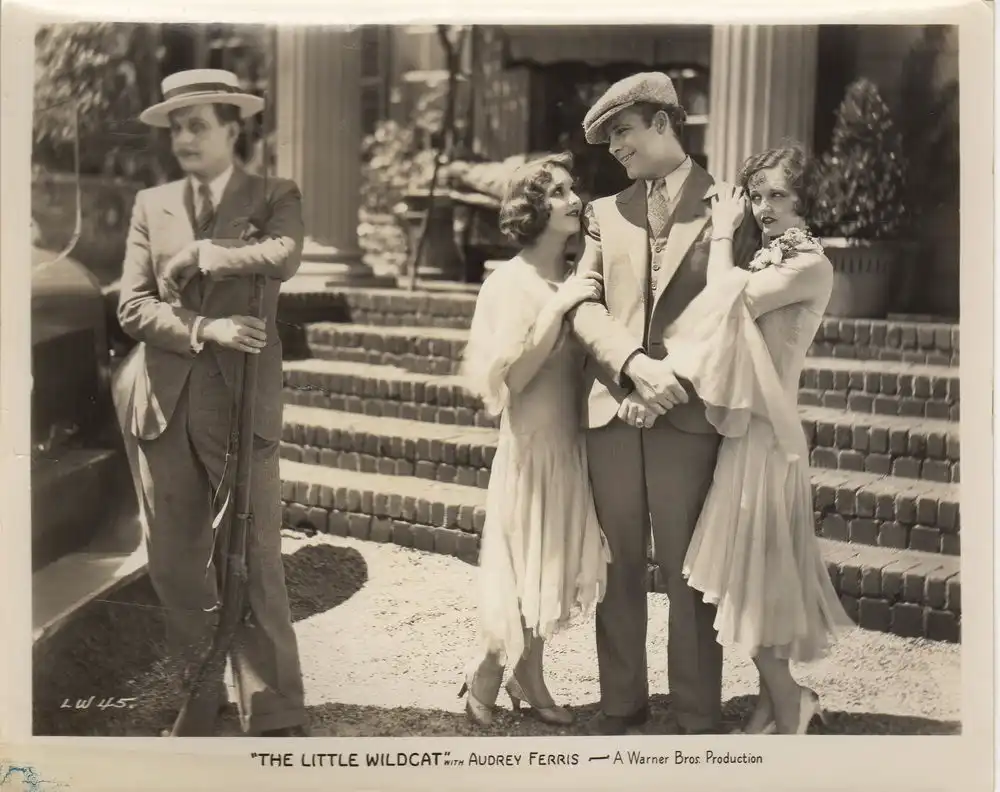
If you're looking for a breezy Saturday night watch, The Little Wildcat isn't it. This one's strictly for the silent film faithful, or maybe folks curious about that weird transitional period right before sound really took over. Everyone else will likely find its charms, or lack thereof, pretty baffling. It’s a film that exists, and sometimes that's the most compelling thing about it.
The movie kicks off with Judge Holt and his pal Joel Ketchum, two Civil War veterans, just… existing. They sit around, they talk about the old days (via intertitles, naturally), and there’s a quiet, almost dusty charm to these early scenes. It feels like a slice of life from a different era, a bit slow, but not entirely unpleasant. You get a sense of routine, of a world that’s settled into itself. James Murray as Judge Holt mostly just looks stern or nostalgic, which works for the character.
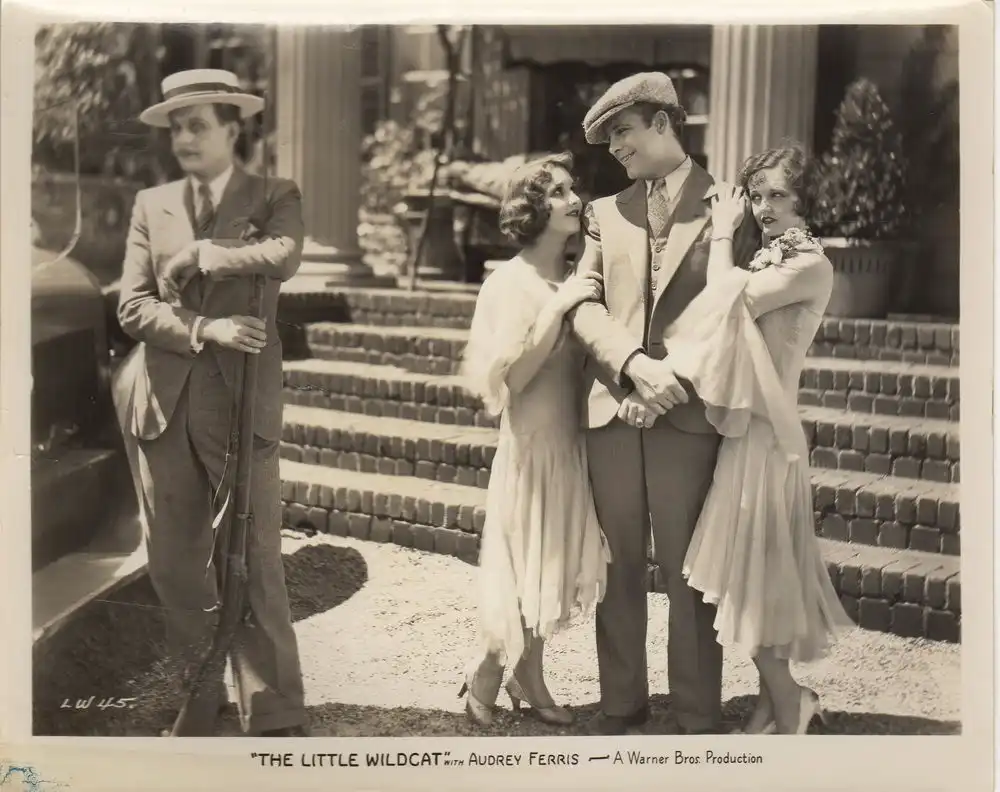
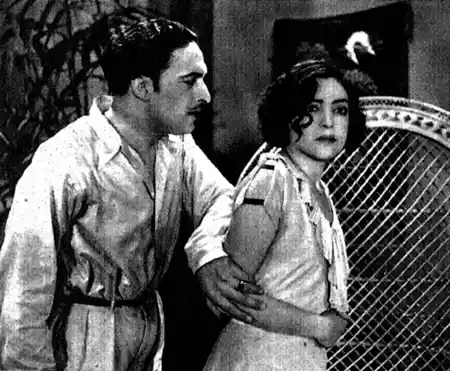
Then, suddenly, we’re introduced to Holt’s granddaughter, played by Doris Dawson, and a dashing aviator, Hallam Cooley. And this is where the film starts to feel less like a gentle period piece and more like a stage play trying to elbow its way into a movie. The abrupt shift in tone is jarring. One minute you’re watching old men contemplate their past, the next you’re thrown into a generic romance with very little build-up.
Dawson, as the titular 'wildcat' (though her wildness is mostly implied rather than shown), does a lot of wide-eyed emoting. There’s a scene where she’s supposed to be distressed, and the camera just sort of sits on her, waiting. You can almost feel her working through the facial gymnastics, trying to conjure deep emotion. It’s earnest, certainly, but it often lands closer to strained than truly heartbreaking. Her chemistry with Cooley, who plays the aviator, feels similarly manufactured. They look good together on screen, in that classic Hollywood way, but there’s no real spark. It’s more like two attractive people performing 'being in love' than actually being in love.
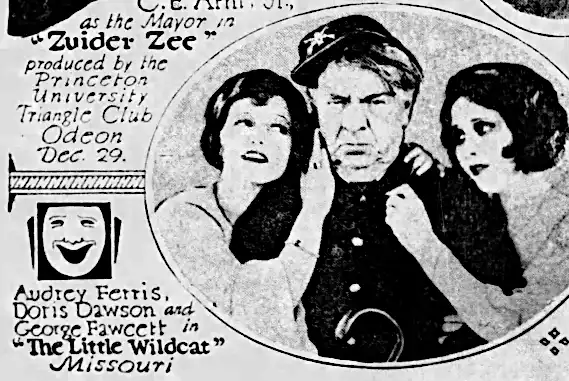
Judge Holt’s sudden, inexplicable hatred for aviators is the entire engine of the plot, and it’s a pretty rickety one. He just *hates* them. No deep-seated trauma, no past incident, just a blanket disdain for anyone who dares to fly. This feels less like a character quirk and more like a convenient excuse for conflict. His schemes to break up the young lovers are less 'villainous' and more 'mildly inconvenient,' punctuated by reaction shots from Murray that mostly convey a sort of grumpy bewilderment.
The pacing of The Little Wildcat is a real challenge. Those early scenes with the veterans, while slow, have a certain rhythm. But once the romance plot takes over, the film struggles to maintain any kind of consistent energy. Scenes often linger for what feels like an age, particularly during moments of supposed emotional weight. You find yourself checking the time, or wondering if the projectionist accidentally paused the reel.
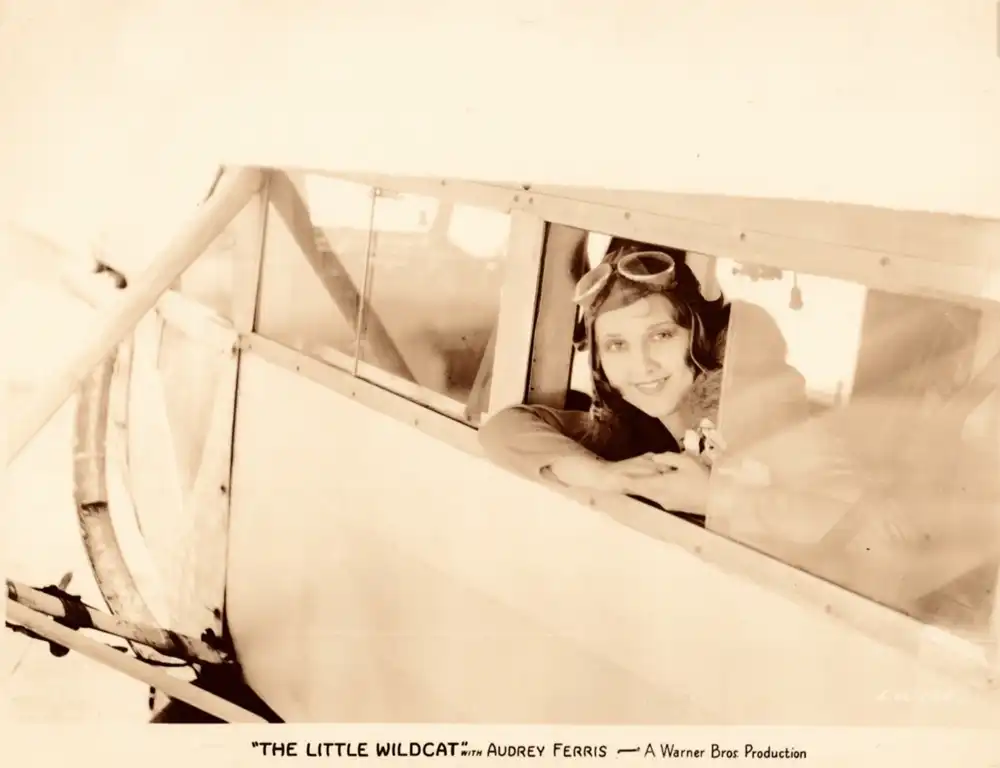
Visually, it’s mostly functional. The sets are sparse, feeling very much like interior stage backdrops. There are a few outdoor shots, but they don't add much grandeur. One particular shot of an airplane, clearly stock footage, is just dropped into the narrative with little integration. It’s a moment that highlights the film's low budget and its struggle to convey anything beyond the immediate, static drama of two people talking (or, more accurately, miming) in a room.
The intertitles themselves are fairly standard for the era, but there are times when they feel a little too wordy, trying to over-explain motivations that the actors aren't quite selling. It's a common silent film problem, but here it feels particularly pronounced because the emotional stakes feel so low.
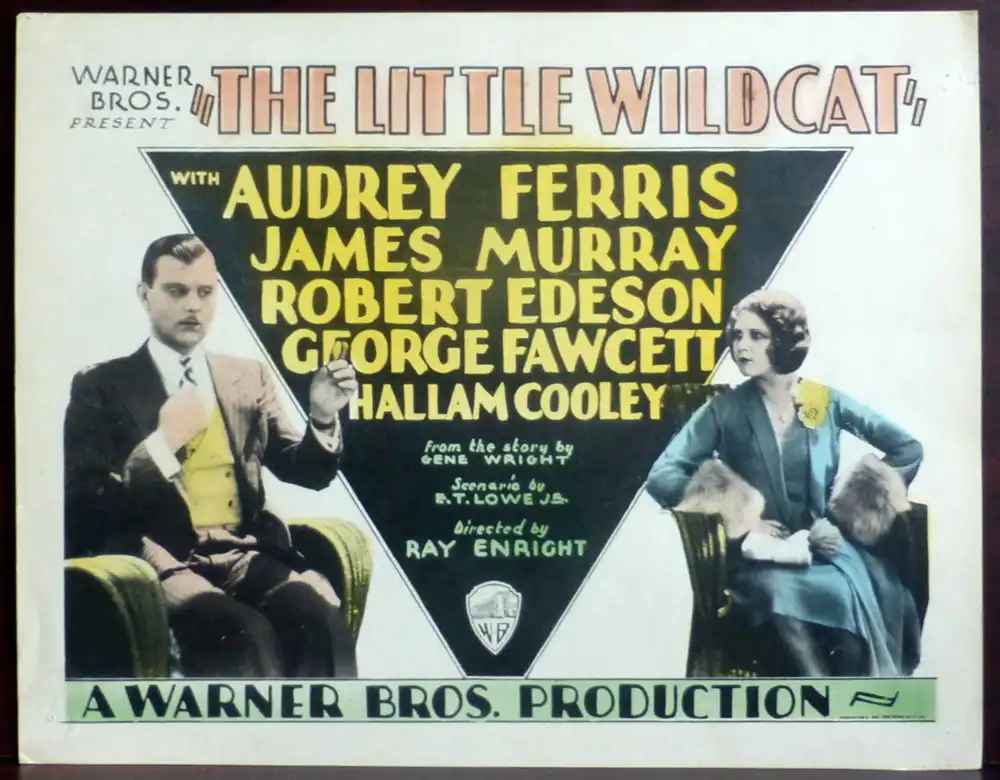
The title, The Little Wildcat, is a strange fit. Doris Dawson's character isn't particularly wild. She's a sweet, somewhat passive young woman caught between her grandfather's stubbornness and her own mild affections. Perhaps the 'wildcat' refers to the untamed nature of love, or the nascent spirit of aviation, but it feels like a label slapped on rather than something genuinely embodied by the film or its protagonist.
In the end, The Little Wildcat is a curious artifact. It's not a lost masterpiece, and it's certainly not going to convert anyone new to silent cinema. But for those who already appreciate the quirks and growing pains of early filmmaking, it offers a glimpse into a very specific moment. You see actors trying to navigate a new medium, writers trying to stretch thin premises, and a general sense of experimentation, even if that experimentation often results in something less than compelling. It's a film you watch to see *how* movies were being made, more than *what* movie was being made.
IMDb —
1931
Community
Log in to comment.