DbcultAccessing Vault...
Cult Review
Senior Film Conservator
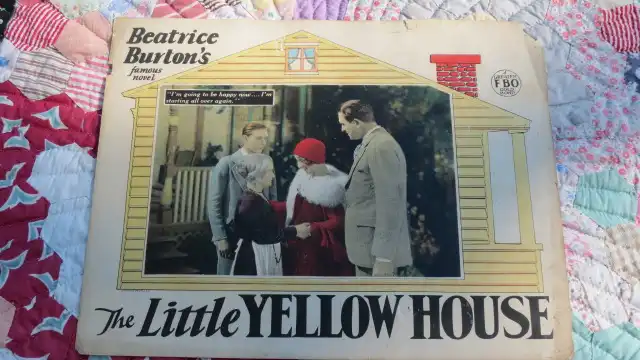
So, should you carve out some time for The Little Yellow House today? Well, that really depends. This is a silent film from 1928, after all. If you’re a genuine silent film buff, or just curious about the roots of cinematic storytelling, you might find some quiet enjoyment here. For anyone expecting modern pacing or dialogue, this one’s likely going to feel like a bit of a snooze.
The core story is simple enough: a young woman named Ann, played by Martha Sleeper, is dead-set on getting her family’s ancestral home back. It's this rather charming, little yellow house that was snatched away years ago. Her plan? Go undercover as a servant right there in her old home. Quite the scheme, no?
Martha Sleeper really commits to the silent film acting style. Her expressions are often big, like you’d expect. But then there are these small moments. A quick, almost imperceptible hesitation as she dusts an old mantelpiece. That little beat tells you everything about her longing for the place. It's subtle for a silent film, and it works.
Freeman Wood plays the current owner, the man Ann blames for everything. He’s not really a *bad guy*, though. More like a fellow who just bought a house in good faith. This makes Ann’s intense mission feel a little less, well, *urgent* for us watching.
The plot unfolds with plenty of classic melodrama. Expect secret letters, mistaken identities, and quite a few dramatic gasps. There’s a whole bit with a misplaced will that feels straight out of an old stage play. Characters physically reacting to news by clutching their chest or flopping into a chair is pretty standard fare here. 😂
Pacing-wise, it's definitely leisurely. Things take their sweet time. You’ll see a lot of shots of people entering a room, then walking across it, then leaving. It’s not exactly thrilling, but it lets you soak in the atmosphere. Or maybe just test your patience. Depends on the day.
The house itself is pretty central, of course. It genuinely feels like a cozy, lived-in place, even when it’s filled with new owners and a disguised maid. The sets have a warmth to them. The exterior, that little yellow house, is just what you’d picture.
I found myself noticing the intertitles quite a bit. Beyond just carrying dialogue, some really lean into setting a mood. Phrases like “The shadow of deceit fell heavy upon the household” pop up. They often feel a bit grand, almost *overwritten*, next to the straightforward visuals.
One small thing: William Orlamond, who plays one of the older characters, has incredible eyebrows. Seriously, those eyebrows do so much heavy lifting. Every time he’s on screen, you just sort of watch them bounce around. They’re a show unto themselves.
There’s also this little side plot about a lost locket. It ties things up a bit too neatly at the very end. Like, 'Oh, and here’s this item that explains everything!' It’s a bit of a shortcut, honestly.
The film truly feels like a product of its era. The idea of a woman needing to go to such lengths just to get her family property back, rather than, you know, legal action? It’s a clear peek into the past and how stories were framed around societal norms. Very different world back then.
Oh, and there’s a cute little dog! 🐶 It pops up in a few scenes, not doing much, but it adds a nice, grounded touch to the otherwise heightened human drama. Just a small detail, but it stuck with me.
So, don’t expect a rollercoaster. The Little Yellow House is more like a quiet stroll through an old park. It’s gentle. It’s unassuming. It has a definite heart to it, even if that heart beats at a rather slow, deliberate rhythm. The ending is exactly what you’d guess. But that’s sort of the point, isn't it?
IMDb 4.9
1912
Community
Log in to comment.