DbcultAccessing Vault...
Cult Review
Senior Film Conservator
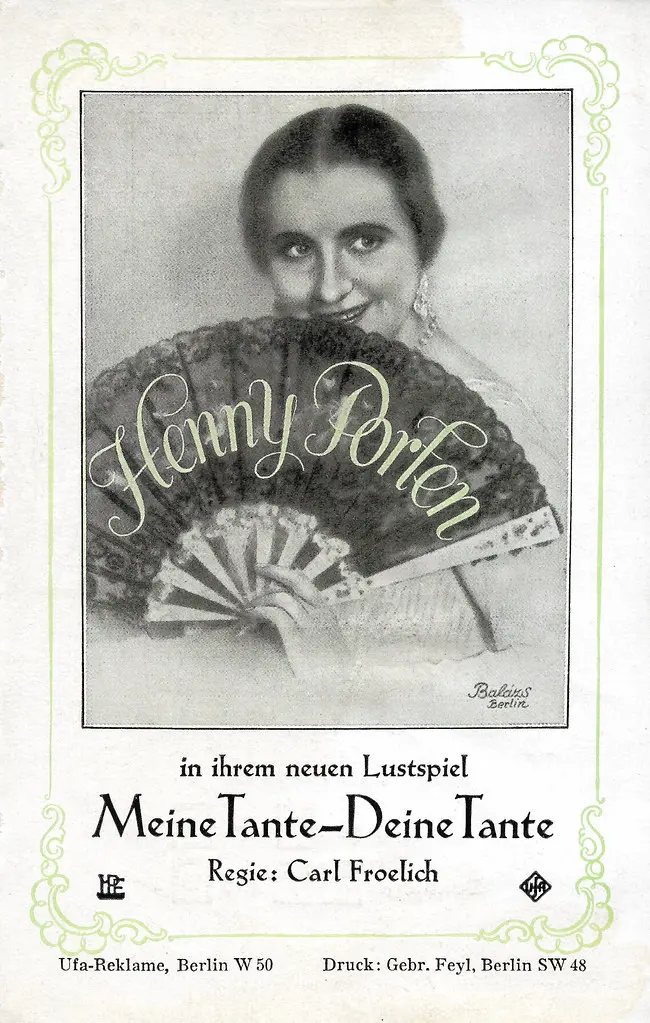
Is Meine Tante - deine Tante worth watching today? Short answer: yes, but with significant caveats. This 1927 German silent comedy offers a unique window into the humor and cinematic style of the Weimar Republic, making it a fascinating watch for dedicated film historians and silent cinema enthusiasts.
However, general audiences accustomed to modern pacing and narrative subtlety might find its broad humor and theatrical conventions challenging to fully embrace. It’s a film for those who appreciate the foundational elements of comedy and don’t mind a little historical dust.
At its heart, Meine Tante - deine Tante is a classic comedy of manners and mistaken identity, a narrative engine that fueled countless silent films. The premise, involving the arrival of an eccentric aunt whose visit upends a household, is inherently fertile ground for comedic exploits. Here, the writers Robert Liebmann, Walter Supper, and Hans Wilhelm, craft a world where appearances are everything and intentions are rarely pure.
The film leans heavily on the farcical tradition, building its humor through a series of escalating misunderstandings. Imagine a sprawling manor, inhabited by a collection of relatives and hangers-on, all with their own schemes to either secure an inheritance or simply survive. The arrival of the formidable Aunt Amalie (presumably played by Porten) acts as the catalyst, a pebble dropped into still waters that creates ever-widening ripples of chaos.
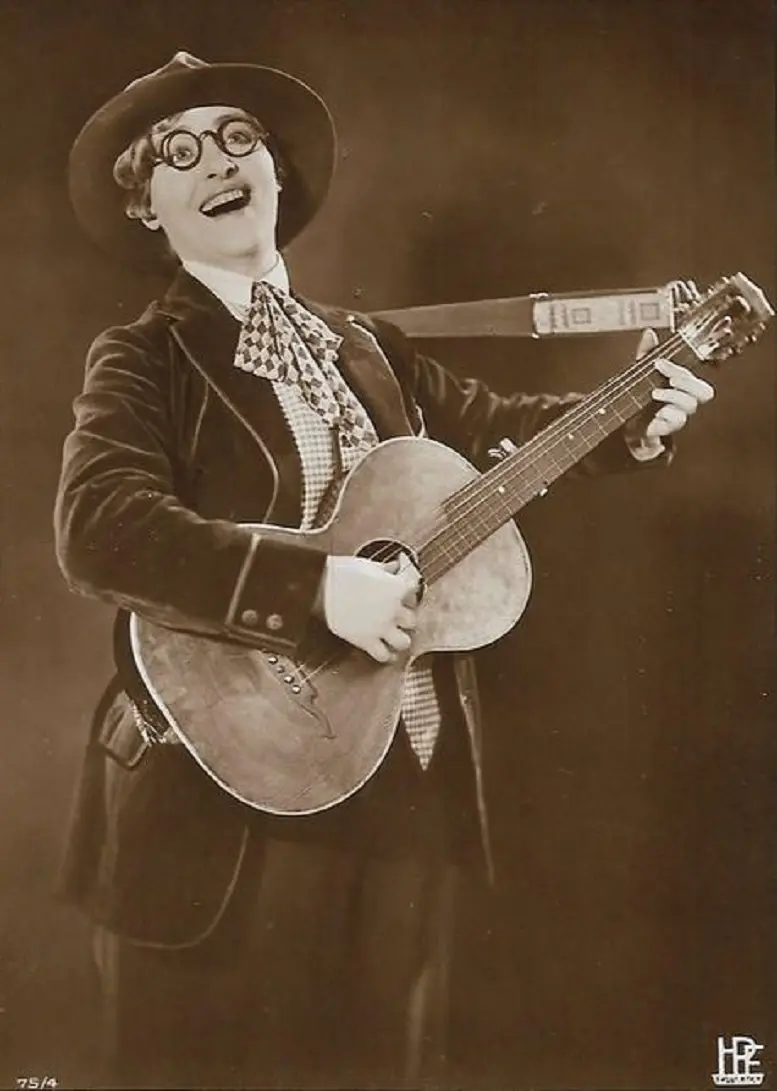
What makes this setup particularly engaging is its commitment to the bit. The film doesn't just introduce one 'aunt' problem; it doubles down, introducing a second, often entirely unrelated, 'aunt' figure. This narrative doubling not only amplifies the comedic potential but also highlights the era's fascination with doppelgängers and identity confusion as sources of humor. It’s a bold move, and when it works, it’s genuinely clever.
The film’s reliance on broad physical comedy, while historically typical, often feels less like genuine wit and more like a desperate attempt to fill screen time. This is a debatable point, as some might argue it's merely a product of its time, but even by silent film standards, some gags feel prolonged.
The plot, while simple in its core conflict, becomes intricate in its execution. We see characters constantly trying to outwit each other, hiding secrets, and putting on elaborate performances for the benefit of the 'aunts.' This intricate dance of deception provides the film with its propulsive energy, even if the eventual resolutions feel somewhat inevitable.
The strength of any silent film often rests on the shoulders of its performers, and Meine Tante - deine Tante is no exception. The cast, featuring names like Ralph Arthur Roberts, Angelo Ferrari, and the iconic Henny Porten, delivers exactly what was expected of them in the late 1920s: expressive, often exaggerated, physical comedy.
Henny Porten, a superstar of the German silent screen, is undeniably the gravitational center of the film. Assuming she plays the titular Aunt Amalie, her performance is a masterclass in silent-era character acting. Her ability to convey both stern authority and underlying vulnerability through subtle shifts in facial expression and posture is remarkable. When she delivers a withering glare that could curdle milk, the audience doesn't need an intertitle to understand her displeasure. Her presence alone elevates many scenes, grounding the otherwise frantic proceedings with a touch of regal absurdity.
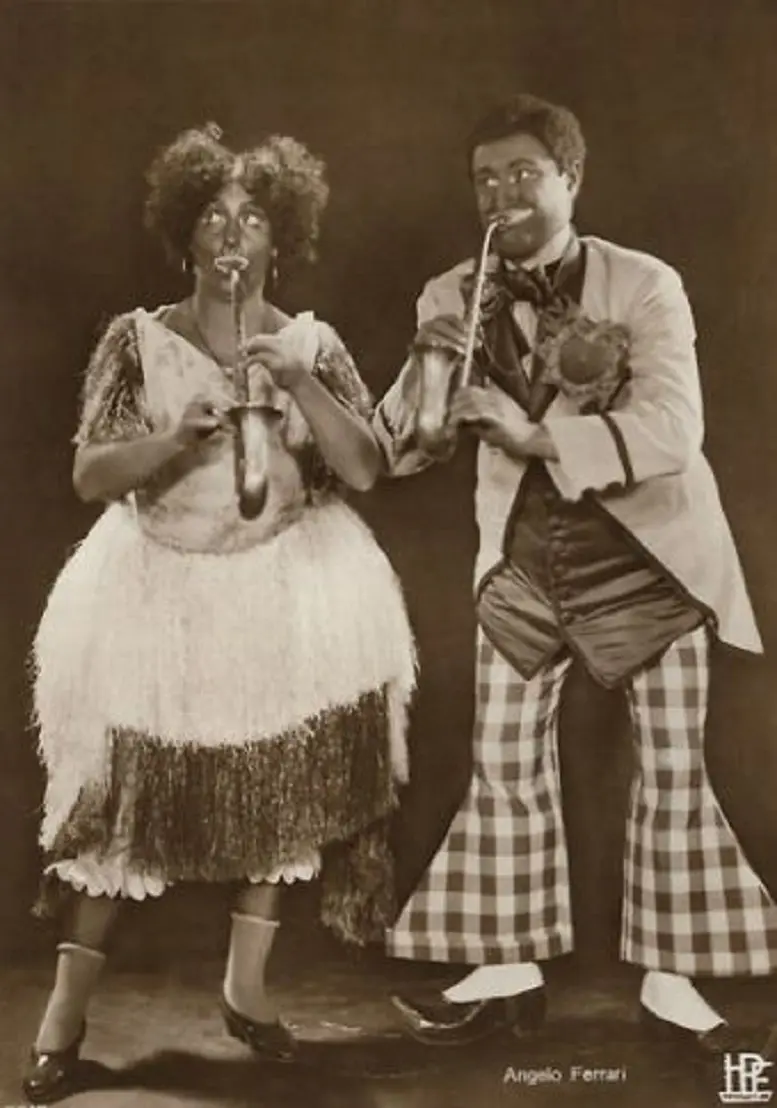
The supporting cast, while not always reaching Porten's heights, admirably fulfills their roles within the comedic framework. Ralph Arthur Roberts, for example, likely plays a bumbling suitor or a conniving relative, relying on pratfalls and wide-eyed panic to elicit laughs. His interactions, particularly when attempting to impress or deceive Amalie, are often the source of genuine amusement. Consider the scene where his character attempts to hide a forbidden romance during one of Amalie's surprise inspections; his frantic gestures and exaggerated whispers are perfectly timed.
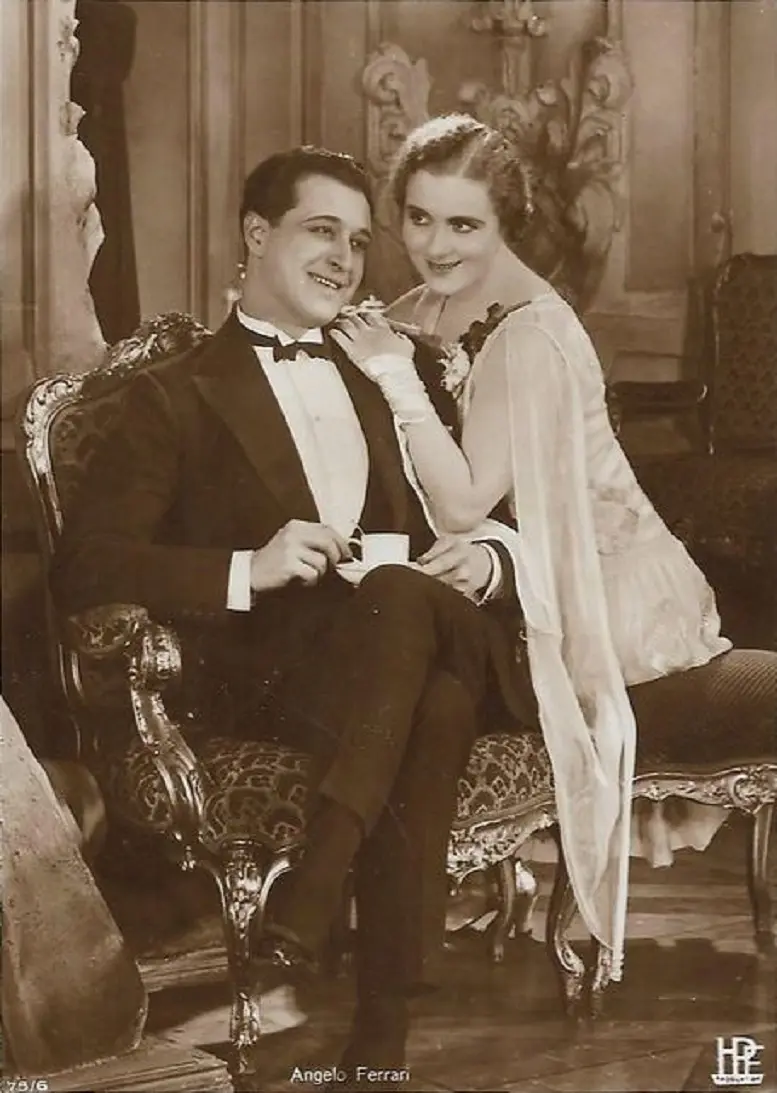
Angelo Ferrari and Harry Grunwald, among others, contribute to the ensemble's dynamic. Their performances, while broad, are essential for maintaining the film's farcical tone. The exaggerated reactions to every twist and turn, the almost balletic choreography of their physical comedy – these elements are crucial to how the film communicates its humor without dialogue. It's fascinating how much modern sitcoms owe to the precise, if sometimes clunky, setups of films like this.
However, the very style that makes these performances historically valuable can also be a stumbling block. The constant over-the-top reactions and the lack of nuanced emotional depth, while standard for the period, can feel repetitive over a feature-length runtime. There are moments where one yearns for a quiet glance or a subtle gesture instead of another frantic dash or a theatrical swoon. This is not a criticism of the actors themselves, but rather a reflection of the evolving tastes in cinematic performance.
The direction of Meine Tante - deine Tante, typical of its era, prioritizes clear storytelling and effective comedic staging. The camera work is largely functional, favoring medium shots that allow the audience to take in the full scope of the physical comedy and the ensemble's reactions. There are fewer of the dynamic tracking shots or intricate close-ups that would become more prevalent later in the silent era, but what is present serves the narrative well.
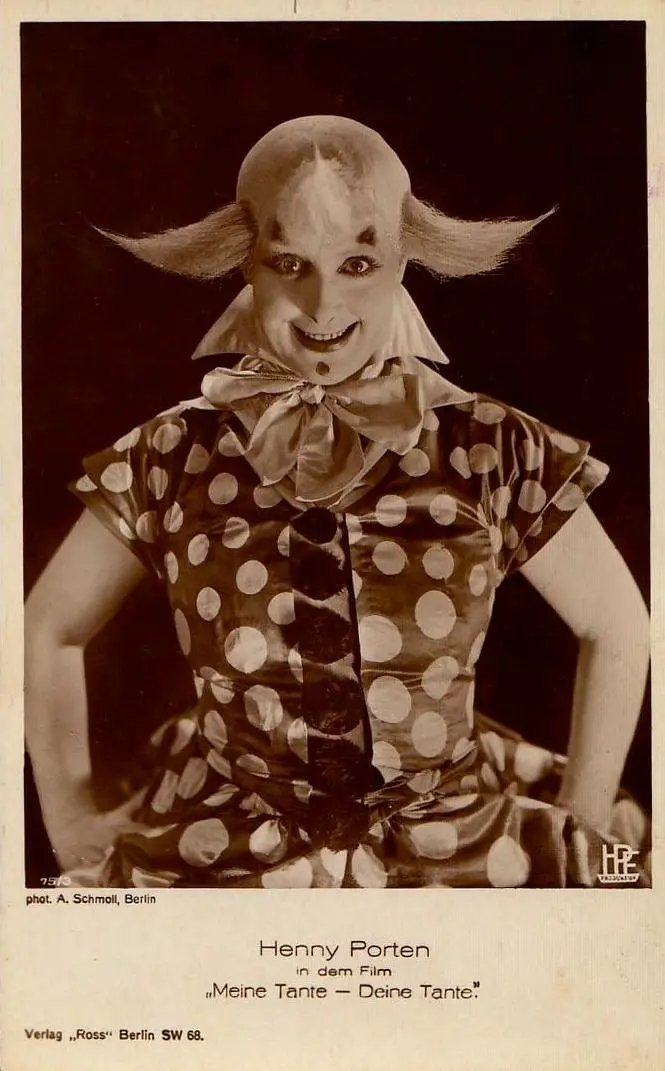
The film’s visual language relies heavily on set design and blocking. The grand estate, likely designed with intricate details, becomes a character in itself, providing numerous nooks and crannies for hiding, eavesdropping, and comedic near-misses. The way characters move through these spaces, often in synchronized chaos, is a testament to the director's ability to choreograph complex scenes without dialogue.
Cinematographically, the film provides a valuable look at the lighting techniques of the late 1920s German studio system. Expect a relatively flat, well-lit aesthetic, designed to ensure every actor's expression and every prop is visible. While it lacks the dramatic chiaroscuro lighting of films like Der Galeerensträfling, its bright, clear visuals are perfectly suited for a lighthearted farce.
One might observe the occasional use of split screens or clever dissolves to indicate simultaneous action, a common technique to maintain narrative flow in silent films. These moments, when they appear, are often quite effective, helping to manage the various interwoven plot threads. However, the overall visual style, while competent, rarely ventures into truly innovative or memorable territory. It's a solid, workmanlike effort that serves the story without distracting from it.
The pacing of Meine Tante - deine Tante is a double-edged sword. For much of its runtime, it maintains the brisk, escalating rhythm required of a farce. The comedic beats build upon one another, with each misunderstanding leading to a larger, more frantic one. The film's energy is palpable in these moments, driving the narrative forward with an almost breathless quality.
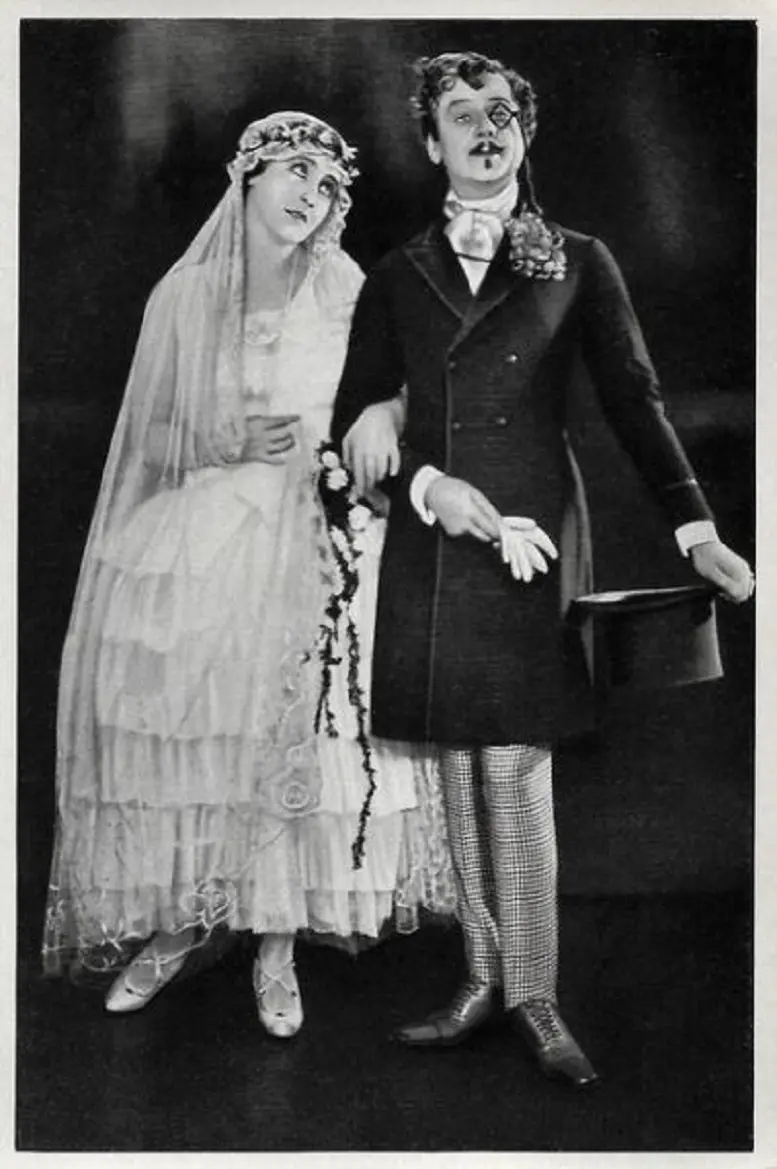
However, there are periods where the film settles into a more sedate pace. These moments, often used to establish character motivations or to allow the audience to catch up with the convoluted plot, can sometimes feel like a temporary halt in the comedic momentum. While necessary, they occasionally break the spell of the farce, reminding the viewer of the film's age.
The tone is consistently lighthearted, almost relentlessly so. Even when characters face dire consequences (like losing an inheritance), the film never truly delves into genuine despair. The stakes are always comedic, and the audience is always assured that everything will resolve itself in a generally happy, if slightly chaotic, manner. This unwavering commitment to a jovial tone is one of the film’s strengths, ensuring that despite its complexity, it remains an enjoyable, low-stakes viewing experience.
The use of intertitles is crucial here, not just for dialogue but for conveying comedic asides and setting the scene. The quality of these intertitles – their design, their wit – can significantly impact the viewing experience. In Meine Tante - deine Tante, they are generally effective, providing just enough information without over-explaining the visual gags. It works. But it’s flawed.
Meine Tante - deine Tante is a curious and valuable piece of cinematic history. It’s not a film that will resonate with everyone, nor does it possess the universal appeal of Chaplin or Keaton. Instead, it offers a specific delight for those willing to engage with its historical context and appreciate its particular brand of German farce. The film’s enduring value lies less in its narrative innovation and more in its ability to transport viewers to a bygone era of humor and performance.
It's a film that demands patience but rewards it with a charming, if occasionally clunky, exploration of familial chaos and the timeless appeal of mistaken identity. While it might not be a 'must-see' for every film lover, it is undoubtedly a 'should-see' for anyone serious about understanding the rich tapestry of silent cinema. The combined efforts of writers Robert Liebmann, Walter Supper, and Hans Wilhelm, along with its committed cast, make it a worthy, if niche, addition to your watchlist. Ultimately, it’s a film that solidifies the notion that comedy, in all its forms, is truly a universal language, even without spoken words.
IMDb 5.5
1929
Community
Log in to comment.